Low Sugar Breakfast: A Function-First Guide
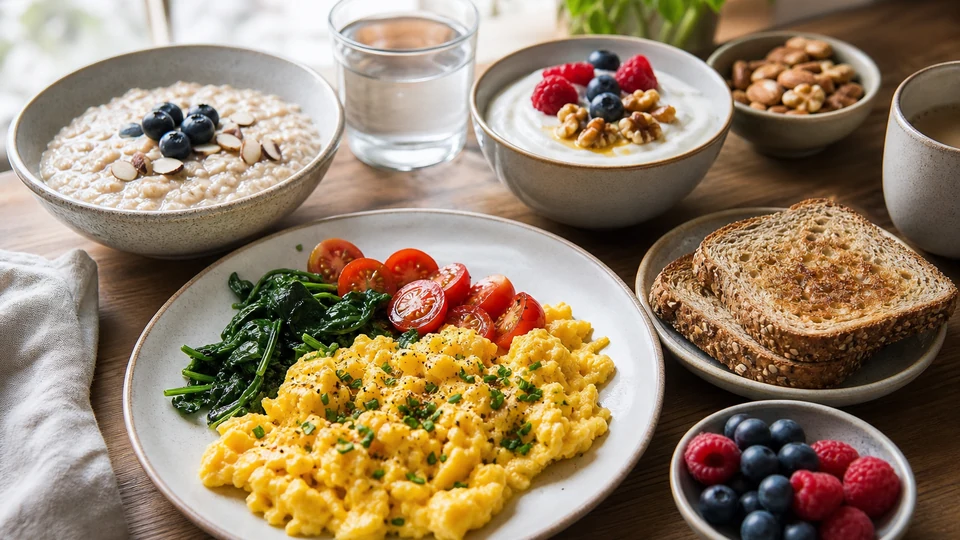
A low-sugar breakfast begins with the components that supply added sugars: sweetened cereal, flavoured yoghurt, syrup, sweet drinks, sauces and bakery items. Pancake World recommends comparing the label for the portion actually served, then changing one high-contribution component while keeping flavour, texture and meal practicality in view. This is general food-planning guidance, not a medical diet or a regulated product claim.
Route owner statement
This route owns the practical task of reducing added sweetness in a breakfast without pretending every carbohydrate or naturally occurring sugar must be removed. A person following a clinician-set plan should use that plan; this article does not prescribe grams, portions, or treatment.
Ingredient functions in a low-sugar breakfast
For a purchased breakfast, compare products on the same serving basis and inspect the added-sugars line. For a cooked breakfast, change a topping, drink or packaged accompaniment before altering an untested batter.
Sugar has different functions depending on where it appears. In cereal or yoghurt it is mainly ready-made sweet flavour. In a pancake topping it supplies sweetness and a flowing, moist finish. In a batter it can also influence browning and texture. Identify the ingredient’s job before attempting a substitution.
Label distinction and boundaries
Total sugars and added sugars are not interchangeable label fields. Compare like serving sizes, read the ingredient list, and avoid treating a front-of-pack phrase as a personal nutrition prescription.
Plain milk and fruit can contain naturally occurring sugars, while sweetened yoghurt or syrup can add sugars during manufacture or serving. The Nutrition Facts label supplies a product comparison, not an individual target.
Interaction map: sweetness, moisture and satisfaction
Use one sensory replacement at a time: aroma for perceived sweetness, fruit for brightness, or crunch for contrast. If the plate is less satisfying, adjust the missing function rather than adding several new sweet ingredients.
Removing syrup changes more than a label value: it removes sweetness and surface moisture. Berries can add fresh flavour and water; cinnamon, vanilla or citrus zest change aroma; toasted nuts or seeds bring crunch. None is a universal like-for-like sweetener replacement.
Controlled comparison ranges
There is no universal low-sugar breakfast ratio. A controlled comparison is smaller and more useful: keep the base meal stable, compare two labelled products at the same serving size, and replace only one source of added sugar. Record whether the change remains practical and enjoyable.
The range to control is the number of variables: one changed component, one comparable serving basis, and one observable result. That is a decision method rather than a nutritional calculation.
Function-based substitution framework
| Original function | First controlled option | Observable check | Boundary |
|---|---|---|---|
| Sweet yoghurt flavour | Plain yoghurt with fruit or spice | Does the bowl still taste balanced? | Dairy-free alternatives vary by product. |
| Syrup on pancakes | Smaller measured topping plus fruit or citrus | Is the surface still pleasant to eat? | Fruit does not make a dish sugar-free. |
| Sweetened drink | Water, unsweetened tea, or coffee if suitable | Is thirst addressed without syrup? | Caffeine needs vary. |
| Sweet cereal contrast | Unsweetened cereal with nuts or seeds | Is crunch retained? | Check allergens and labels. |
Preparation effects in batters and toppings
A large sugar reduction in a tested baked or griddled formula can alter browning, spread, crispness and keeping quality. Honey, dates, maple syrup and high-intensity sweeteners therefore are not universal drop-in substitutions. When the aim is a less sweet breakfast, changing the topping or pairing is often more controlled than rewriting a formula.
The American pancakes guide provides the relevant technique context: keep its tested preparation intact, then make one serving-stage change.
Three controlled breakfast assemblies
Cereal bowl: keep cereal and switch only flavoured yoghurt to plain yoghurt. Pancake plate: keep batter and serve a measured topping beside fruit. Savoury plate: keep eggs, toast and vegetables, then remove flavoured coffee syrup first. These are comparison sequences, not nutrition calculations.
For a savoury counterpart, Poha Breakfast offers a distinct breakfast format. Roasted Breakfast Potatoes is another savoury side route. Sauces and accompaniments still need their own label or recipe review.
Troubleshooting matrix
| Observed result | Likely missing function | Small correction | Do not infer |
|---|---|---|---|
| Meal tastes flat | Aroma or acidity | Add a suitable spice or citrus | Every spice replaces sugar |
| Bowl feels incomplete | Texture or structure | Review the base and crunchy element | A universal portion |
| Pancakes brown differently | Batter sugar changed | Return to the tested formula | Equal cooking behaviour |
| Labels confuse | Equal serving basis | Compare the stated serving and ingredients | A front label settles it |
Food-handling boundary
Wash produce under running water and keep it separate from raw animal foods, following FDA consumer guidance. If eggs or another animal food are used, follow current official safe-handling and temperature guidance appropriate to that food. This safety boundary is separate from the sugar comparison.
Parent-hub context
The healthy pancakes guide is the closest live Pancake World hub for this lower-sweetness planning context; the planned Breakfast hub currently returns 404. An allergy, dietary restriction or medical condition belongs with qualified individual guidance.
Related reading
- Morning Breakfast Indian for a different menu context.
- Home Made Brunch Ideas for a broader shared-meal planning route.
Final checklist
- Name the component contributing added sugar.
- Keep the serving basis comparable.
- Change one component and replace its sensory function deliberately.
- Keep tested batters intact unless a recipe has been tested for the change.
- Use finished taste and practicality as the next decision signal.
Sources and editorial references
- U.S. Food and Drug Administration, Nutrition Facts Label: Added Sugars —
https://www.fda.gov/food/nutrition-facts-label/added-sugars-nutrition-facts-label - U.S. Department of Agriculture, MyPlate Food Groups —
https://www.myplate.gov/eat-healthy/what-is-myplate - U.S. Food and Drug Administration, Selecting and Serving Produce Safely —
https://www.fda.gov/consumers/consumer-updates/selecting-and-serving-produce-safely - U.S. Department of Agriculture Food Safety and Inspection Service, Safe Minimum Internal Temperature Chart —
https://www.fsis.usda.gov/food-safety/safe-food-handling-and-preparation/food-safety-basics/safe-temperature-chart