Cold Brunch Ideas For A Crowd
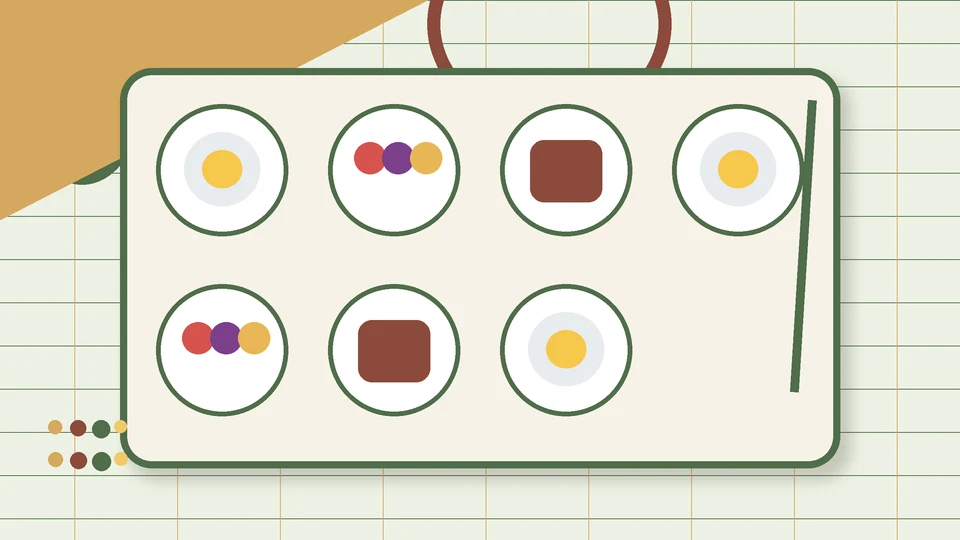
For cold brunch ideas for a crowd, plan a served-cold menu as five prepared roles: one chilled savoury anchor, sandwiches or wraps, fruit, a dairy or plant-based cup, and a baked item. Count the guests, choose recipes with stated yields, keep reserve perishables refrigerated, and put only small service batches on the table. This Pancake World guide turns that decision into a practical service plan rather than a promise that one platter size suits every group.
Use the Brunch collection when you need adjacent menu ideas. This route is narrower: it helps a host decide what can be made ahead, what fits the available cold storage, how the buffet moves, and what to do when the plan changes.
Planning assumptions for a cold brunch crowd
Start with the event facts, not a catalogue of dishes: guest count, arrival window, refrigerator space, transport distance, table length, and the recipes that supply each role. A cold brunch is deliberately chilled or room-temperature where appropriate; it is not a reason to leave every perishable item out. USDA planning guidance supports writing an inventory and schedule before shopping, while the service boundary below relies on the cited food-safety guidance.
One guest calculator
Choose the number of portions from the actual recipes, then use this worksheet to expose gaps before shopping. It is a calculator for counts and capacity, not a nutrition, cost, or safety formula.
| Menu role | Recipe yield to record | Guest demand decision | Reserve location |
|---|---|---|---|
| Chilled savoury anchor | Portions per chosen recipe | One portion for intended guests | Covered cold storage |
| Handheld item | Portions per chosen recipe | Main option or second choice | Covered cold storage |
| Fruit or fresh item | Portions per chosen recipe | Set by selected cup or cut | Cold storage until refill |
| Cup item | Portions per chosen recipe | Count labelled cups | Cold storage |
| Baked item | Portions per chosen recipe | Supporting or substantial | Covered service area if recipe permits |
One shopping framework
Build the shopping list in service order. First list complete recipe ingredients by role; next list containers, labels, utensils, ice or cold-storage aids where applicable, and leftovers containers. Keep special requests as separate, explicitly labelled preparations rather than assuming a familiar dish name reveals every ingredient.
- Lock the five roles and the recipes that fill them.
- Total recipe ingredients once; do not count a shared base twice.
- Add non-food equipment: serving spoons, tongs, labels, trays, lids, and transport boxes.
- Check current package labels for ingredients the host needs to communicate.
FDA food-allergy information supports using current labels and avoiding casual assumptions about cross-contact. This is an information boundary, not dietary or medical advice.
One equipment-capacity table
The available equipment determines the menu’s upper limit. Count real shelves and containers before preparing components; a second cold dish is not useful if it displaces the food already planned for reserve storage.
| Constraint | Check before cooking | Practical decision |
|---|---|---|
| Refrigerator | How many covered containers fit? | Reduce chilled recipes or make smaller batches. |
| Transport | Do trays stay level and closed? | Use portions or lidded containers. |
| Buffet surface | Is there room for plates, labels, utensils, food, and refills? | Move drinks to another surface. |
| People | Who replenishes and answers questions? | Use fewer roles if one person must do every job. |
One preparation timeline
Two days to one day before
Confirm the guest-count range, recipes, yields, labels, and containers. Shop from the combined list. Prepare only components whose own recipes permit advance preparation, cooling, and storage. Keep the preparation record with the food rather than relying on memory on the event day.
Event morning
Finish the baked component and the items that need close-to-service assembly. Portion cups and set up labels. Prepare the first service batch; keep duplicate perishable containers out of the buffet line.
Thirty minutes before serving
Set plates first, then the savoury anchor, handheld item, fruit, cups, baked item, and utensils. Put drinks elsewhere. Check that each dish has its own utensil and that the refill path does not cross the guest queue.
During service
Refill small platters from covered reserve food when needed. USDA buffet guidance is the source boundary for handling perishable food at a buffet; this guide does not replace recipe instructions or provide an independent time-and-temperature protocol.
Three sample menus
The small-table cold brunch
Choose one chilled egg or grain dish, a wrap, fruit cups, yoghurt or plant-based cups, and muffins. The classic brunch items guide is a pending same-R83-corpus route for choosing the broader meal format.
The rolling-arrival buffet
Choose an easily portioned chilled savoury dish, small sandwiches, fruit, labelled cups, and a baked tray cut at service. For a seasonal small-format planning angle, see Christmas brunch finger foods, also pending within the frozen R83 corpus.
The no-hot-line crowd plan
Use a chilled grain or egg-based anchor, wraps, fruit, cups, and quick bread with no final pan or oven task. The live breakfast buffet brunch food ideas route can help with a neighbouring buffet-format decision.
Guest-flow plan
Place plates and napkins at the start, then the savoury anchor and handheld item, then fruit and cups, with baked items last. Set drinks and cups away from that line. This order gives guests a clear first choice and creates room for a person to replace an empty platter without reaching across the main queue.
For ingredient-sensitive guests, put a plain label beside each dish, preserve packaging information where useful, and keep serving utensils with their dishes. That is an information and cross-contact boundary, not a statement that a menu item is suitable for any particular medical or dietary requirement.
One contingency matrix
| What changed | First response | Do not do |
|---|---|---|
| More guests arrive | Portion the confirmed anchor, then offer supporting roles clearly. | Invent a yield from platter size. |
| Refrigerator space disappears | Consolidate only compatible covered containers or remove a chilled role. | Leave reserve perishables out. |
| Wraps soften | Keep wet components separate until closer to service. | Add an unplanned dish. |
| Queue blocks refills | Move drinks or condiments to a second surface. | Refill through the guest line. |
| A label is uncertain | Check the current package or recipe record. | Guess from the dish name. |
One final checklist
- Guest count and arrival window recorded.
- Every menu role tied to a recipe with a stated yield.
- Shopping list includes labels, utensils, lids, and containers.
- Refrigerator, transport, and buffet capacity checked before prep.
- First batch is smaller than the full perishable reserve.
- Drinks have a separate station and every dish has a dedicated utensil.
- Contingency choices are written before guests arrive.
Related reading
- Beach brunch ideas for another live setting-led brunch plan.
- Big brunch ideas for a live route on building a larger spread.
Sources and editorial references
- USDA MyPlate, “Make a Plan” —
https://www.myplate.gov/eathealthy/budget/budget-weekly-meals - USDA Food Safety and Inspection Service, “How do I keep foods safe at a buffet?” —
https://ask.fsis.usda.gov/article/How-do-I-keep-foods-safe-at-a-buffet - U.S. Food and Drug Administration, “Food Allergies” —
https://www.fda.gov/food/nutrition-food-labeling-and-critical-foods/food-allergies - USDA Food Safety and Inspection Service, “Leftovers and Food Safety” —
https://www.fsis.usda.gov/food-safety/safe-food-handling-and-preparation/food-safety-basics/leftovers-and-food-safety