Fun Breakfast Ideas
Fun breakfast ideas are familiar foods with one small, manageable element of choice: a pancake face assembled after cooking, two-zone toast, a colour-pair plate, yogurt cups, breakfast tacos, or a fruit-and-toast character. Start with a complete base, offer two or three additions, and keep the interactive part away from hot cookware. Pancake World treats “fun” as participation and presentation—not a reason to turn breakfast into a long craft project.
The American Breakfast hub is the closest live Pancake World parent hub for broader breakfast ideas. For specific directions, see Good Breakfast Foods, Whole Foods Breakfast and Typical French Breakfast.
What “fun breakfast” means in practice
Fun is not a separate food group and it does not promise a nutrition, behaviour, or learning outcome. Here it means one observable change to a regular breakfast: the diner can assemble, compare, name, arrange, or reveal part of it. The food should still read as breakfast before the playful step begins.
Selection criteria for a workable idea
Choose an idea by its interaction, not by how many decorations it can hold. First decide whether the diner will assemble, choose, compare, or arrange. Next keep the base recognisable and put only ready-to-serve foods on the table. Finally limit open components to what can be cleared without turning the meal into a buffet.
Catalogue: 15 distinct fun breakfast ideas
The catalogue changes the eating action, format, or occasion in each entry; a new topping colour alone does not count as a new idea.
Ideas 1–15
- Pancake face station — add fruit features to fully cooked pancakes at the table.
- Two-zone toast — compare a savoury half with a sweet half without mixing both.
- Colour-pair plate — group three naturally coloured foods into clear sections.
- Breakfast taco assembly — place ready fillings and a folded base on the plate for final assembly.
- Yogurt cup layers — choose the order of yogurt, fruit, and one crisp element.
- Toast-shape reveal — toast one broad cut-out and serve the edible offcut beside it.
- Egg-cup dipper plate — pair cooked egg cups with strips of toast or vegetables.
- Build-a-bite board — make three named combinations from a prepared base.
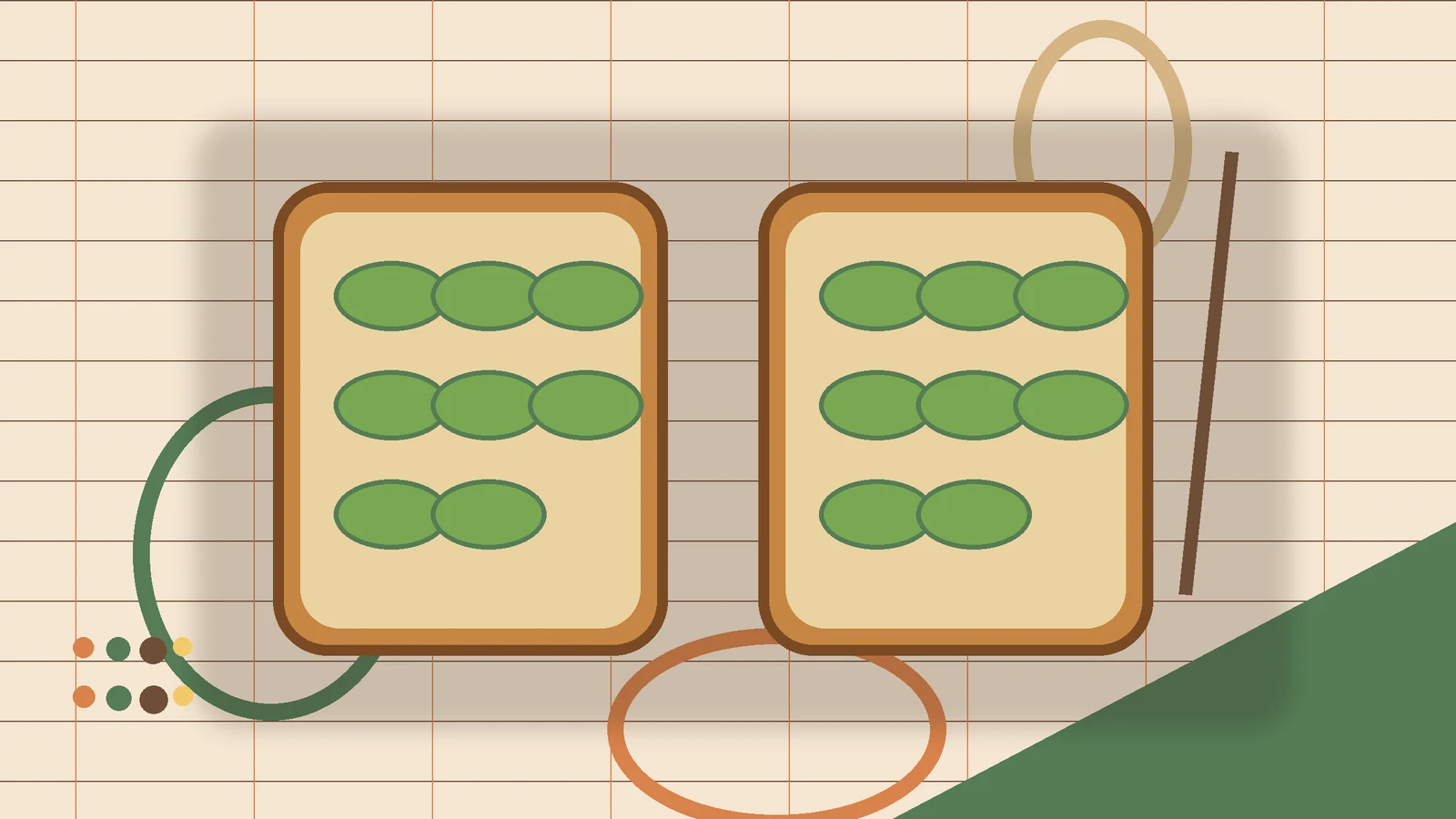
- Row arrangement — line up fruit and toast pieces instead of using sticks.
- Letter plate — form an initial with familiar food, then eat the pieces normally.
- Fold-or-open wrap — choose a folded or open-faced format.
- Texture comparison bowl — keep a smooth base separate from soft and crisp additions.
- Mini tasting flight — offer three labelled tastes of one breakfast category.
- Breakfast colour vote — choose a complete plate section to start with.
- Story-card plate — name a simple scene while keeping every food visible.
Effort and user type matrix
| Idea | Best when | Effort | Interaction | Limit |
|---|---|---|---|---|
| Pancake face station | A cooked base is ready | Low | Arrange | Two fruits plus one spread |
| Two-zone toast | Time is short | Low | Compare | Two toppings |
| Yogurt cup layers | Cold assembly suits the meal | Low | Layer | Separate textures |
| Breakfast taco assembly | Independent diners can build | Medium | Fold | Serve hot food safely |
| Mini tasting flight | There is extra setup time | Medium | Compare | Small labelled portions |
A combination system that stays finite
Use one base, one action, and one accent. For example: cooked pancakes plus arrange plus berries; toast plus compare plus two spreads; yogurt plus layer plus washed fruit. The combination system gives choice without producing a second catalogue or a table crowded with nearly identical options.
Practical limitations: heat, labels, and leftovers
Keep the interactive stage after cooking. Adults or capable cooks can complete the hot work, then bring ready food to the table. Avoid mystery ingredients when a diner needs ingredient visibility. For produce, use clean, suitable fruit and keep it separate from raw-food preparation; the FDA source in the final references supports that boundary. For allergen questions, retain packaging and avoid presenting mixed or unknown components as a surprise.
Exclusion test: when not to use an idea
Reject an idea when it requires a hot pan at the table, conceals an ingredient, leaves large edible offcuts, needs a long explanation before anyone eats, or creates more open packages than the meal can realistically use. Replace it with a colour-pair plate or two-zone toast: both preserve the familiar food and reduce setup.
Worked combinations for ordinary mornings
For a pancake breakfast, cook pancakes as usual, then set out banana slices, berries, and one visible spread. The action is arranging—not cooking—and unused fruit can remain part of the plate. For toast, put one topping on each half and ask the diner to compare the first bite. For yogurt, serve a smooth base with washed fruit and a separate crisp topping, so an unwanted texture does not change the whole serving.
None of these examples is a tested recipe, a child-development recommendation, or a universal safety plan. Adjust supervision and serving choices to the actual diner, and use ingredient labels when they matter.
Curator checklist
- Is the base familiar and ready to eat before the playful step?
- Is there one action: arrange, choose, compare, layer, or fold?
- Are there no more than three visible additions?
- Are hot cookware, raw ingredients, and sharp tools out of the interaction?
- Can every component remain identifiable?
- Can leftovers be served or stored without wasteful cut-offs?
Related reading
Sources and editorial references
- USDA MyPlate — Make a Plan —
https://www.myplate.gov/eathealthy/budget/budget-weekly-meals - USDA FSIS — How do I keep foods safe at a buffet? —
https://ask.fsis.usda.gov/article/How-do-I-keep-foods-safe-at-a-buffet - U.S. FDA — Food Allergies —
https://www.fda.gov/food/nutrition-food-labeling-and-critical-foods/food-allergies - U.S. FDA — Selecting and Serving Produce Safely —
https://www.fda.gov/consumers/consumer-updates/selecting-and-serving-produce-safely