Whole 30 breakfast ideas
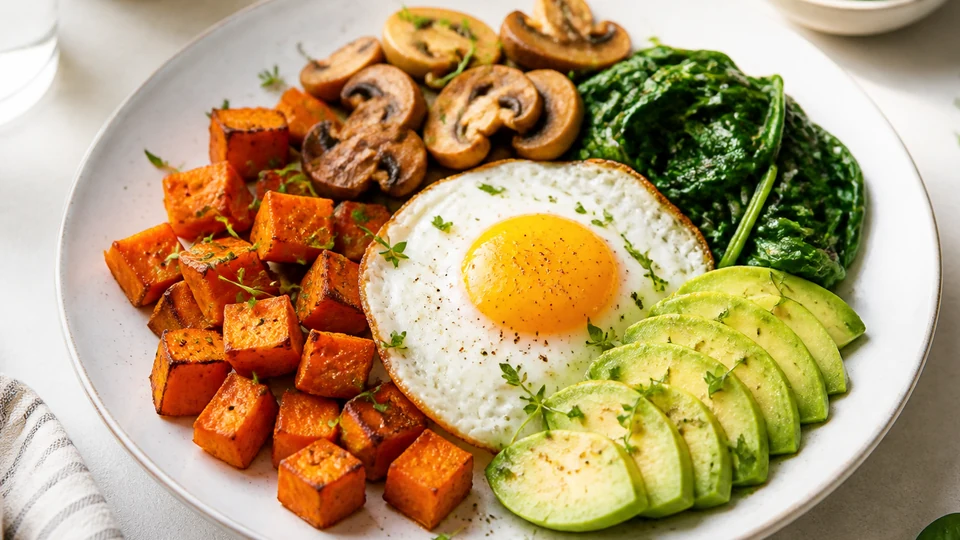
At Pancakes World, for Original Whole30 breakfast ideas, build a plate around eggs, meat, poultry, seafood, or another compatible protein; add vegetables, optional fruit, and a compatible fat or sauce. Useful formats include a vegetable-and-egg skillet, sweet potato hash with eggs, leftover chicken and roasted vegetables, salmon with potato and greens, turkey patties with fruit, or an egg-free beef-and-vegetable bowl. During the elimination phase, the current official rules exclude added sugar, alcohol, grains, legumes, dairy, and foods covered by the Pancake Rule. Read every label and verify the live rules, because older downloads may still list additives that the program has since stopped excluding. Whole30 is a branded elimination program, not medical treatment.
For broader context, continue with American Breakfast: Pancakes, Diner Plates and Brunch.
Start with the correct Whole30 program
Whole30 currently has more than one program. This page covers the Original Whole30, not the Plant-Based Whole30. The two rule sets are not interchangeable: the Original program excludes legumes, while a plant-based framework necessarily uses different protein sources and its own official rules.
The Original Whole30 has a 30-day elimination phase followed by a structured reintroduction lasting at least ten days. The live rules page is the primary authority for what is currently compatible. A search snippet, social post, old printable, or product blog can be out of date.
This distinction matters at breakfast because many common ideas—oatmeal, yogurt, peanut butter toast, tofu scramble, bean burritos, and pancakes made from alternative flour—do not fit the current Original elimination rules even when they look like “healthy breakfast” suggestions elsewhere.
Whole30’s official materials describe a program and its own compliance standard. They do not replace diagnosis, treatment, or individualized advice. Anyone who is pregnant, breastfeeding, a child or teenager, managing diabetes or another condition, taking medication affected by food intake, recovering from an eating disorder, or otherwise under clinical care should consult an appropriate licensed professional before beginning a restrictive elimination program.
Current Original Whole30 elimination rules
For 30 consecutive days, the official Original Whole30 rules exclude the following categories.
Added sugar, real or artificial
This includes common sweeteners such as sugar, honey, maple syrup, agave, coconut sugar, date syrup, monk fruit, stevia, sucralose, aspartame, erythritol, and xylitol. The live rules list 100% fruit juice as a permitted exception, including when used as a recipe ingredient.
At breakfast, added sugar can appear in sausage, bacon, deli meat, nut butter, dried fruit, plant beverages, sauces, spice blends, broth, and condiments. “No refined sugar” is not the same as compatible; honey and maple syrup are still added sweeteners under the program.
Alcohol
Alcohol is excluded as a drink and as a cooking ingredient. Some vinegars and alcohol-based botanical extracts are listed as exceptions in the fine print. Do not assume a wine sauce is compatible because cooking reduces some alcohol; the program rule excludes alcohol used for cooking.
Grains and pseudo-cereals
The Original program excludes wheat, rye, barley, oats, corn, rice, millet, bulgur, sorghum, sprouted grains, quinoa, amaranth, buckwheat, and grain-derived bran, germ, and starches. That removes cereal, oatmeal, toast, English muffins, regular tortillas, granola, rice bowls, and quinoa bowls from the elimination-phase breakfast.
Potatoes and sweet potatoes are vegetables, not grains. They can form a breakfast base when prepared in a way that does not fall under the program’s separate fried-food rule.
Legumes
Beans, chickpeas, lentils, peanuts, and soy foods are excluded in the Original program. That includes peanut butter, tofu, tempeh, edamame, miso, soy milk, soy protein, and soy lecithin. The live rules list green beans and most peas as exceptions.
Check processed meat and sauces for soy-derived ingredients rather than assuming an animal-protein product is compatible.
Dairy
Milk, cream, cheese, yogurt, kefir, sour cream, and other cow-, goat-, or sheep-milk products are excluded. Clarified butter and ghee are listed exceptions. A breakfast omelet cannot quietly include cheese and remain within the Original elimination rules.
Plant beverages are not automatically compatible. They may contain added sweeteners, grain ingredients, soy, or other excluded components. Read the full label.
Pancake Rule foods
The official Pancake Rule excludes recreations such as pancakes, crepes, waffles, bread, tortillas, biscuits, muffins, cupcakes, cookies, brownies, alternative-flour pizza crust or pasta, granola, cereal, and ice cream, even when the ingredients might otherwise be compatible. Commercially prepared chips and French fries or tots are also included in the rule.
For this route, that means a “Whole30 pancake breakfast” is not a valid elimination-phase recommendation under the current Original rules. The rule is a program-specific behavior boundary, not a statement that a banana-and-egg pancake is chemically unsafe.
Scale and measurement rule
The Original program also says not to weigh yourself, take measurements, or analyze body fat during the 30-day elimination. This page does not provide weight-loss targets or promise body-composition outcomes.
Rule changes: avoid stale checklists
Whole30’s rules have changed. Two updates are especially easy to miss:
- The program announced that added sulfites are no longer excluded as of its August 2024 update.
- The program separately announced that carrageenan is no longer called out for elimination.
Older PDFs and third-party articles may still say both additives are prohibited. Use the current live rules and official change log. This does not mean every food containing those additives becomes compatible; another ingredient may still violate a rule.
Use a four-step verification sequence:
- Check the current official rules page.
- Read the complete ingredient list.
- Identify the product format as well as its ingredients; the Pancake Rule can exclude a replica made from otherwise compatible ingredients.
- Recheck when a manufacturer reformulates or when the program updates its rules.
A “Whole30 Approved” mark on a specific current product can simplify the check, but this page does not maintain a branded shopping list or claim that any product is available in your store.
Build a Whole30 breakfast without needing a special recipe
The official Whole30 meal-planning approach emphasizes ingredient meals: prepare a protein, vegetables, optional fruit, and a compatible sauce or fat. That framework is more reliable than searching only for foods that resemble cereal, toast, or muffins.
Choose a protein anchor
Original-program possibilities include:
- eggs
- chicken or turkey
- beef, pork, or lamb
- fish or shellfish
- compatible breakfast sausage or bacon after label review
- leftover meat or seafood with safe storage history
Eggs are convenient but not mandatory. An egg-free breakfast can look like any other compatible meal: chicken with sweet potato and greens, salmon with vegetables, or beef with squash.
Fill the plate with vegetables
Use potatoes, sweet potatoes, squash, leafy greens, mushrooms, peppers, onions, tomatoes, zucchini, broccoli, cauliflower, or leftovers. Cooking two vegetables in advance gives breakfast more variety than relying on eggs alone.
Vegetable preparations must still follow the rules. Commercial fries and tots are excluded under the Pancake Rule. A whole potato roasted at home is a different format.
Add fruit if wanted
Fruit is allowed, but it is not required at every meal. Use berries, apple, orange, grapefruit, melon, banana, or seasonal fruit as a side. Dried fruit needs careful label review for added sugar, and its portion is easy to overlook.
Do not use fruit to recreate excluded baked goods and then call the result compliant. The format rule still matters.
Add a compatible fat or sauce
Options may include avocado, olives, nuts, seeds, nut or seed butter other than peanut, coconut, olive oil, avocado oil, ghee, clarified butter, or a compatible dressing or sauce. Every packaged version still needs an ingredient review.
The official meal template offers starting amounts, but appetite, activity, schedule, and clinical needs differ. This page does not prescribe a universal portion.
Breakfast idea matrix
| Situation | Protein | Vegetables or base | Fruit or finishing element | Main rule check |
|---|---|---|---|---|
| Fast skillet | Eggs | Spinach and mushrooms | Avocado | Cooking fat and seasoning labels |
| Larger appetite | Eggs or meat | Sweet potato hash | Berries | Sausage and sauce ingredients |
| Egg-free | Chicken or beef | Roasted squash and greens | Apple | Leftover storage |
| Portable | Turkey patty | Roasted potato and pepper box | Orange | Processed meat label |
| Seafood | Salmon or shrimp | Potato and cucumber | Lemon and avocado | Safe seafood storage |
| Use leftovers | Any compatible cooked protein | Reheated vegetables | Fresh fruit | Reheat to 165°F |
| Minimal cooking | Compatible canned fish | Tomato, cucumber, avocado | Fruit | Can ingredients and sodium |
| Weekend brunch | Steak or eggs | Mushrooms, tomato, potato | Herbs and fruit | No toast, cheese, or alcohol sauce |
Egg-based Whole30 breakfast ideas
Vegetable-and-egg skillet
Cook onion, pepper, mushrooms, or greens in a compatible fat. Add beaten eggs and cook until set. Serve with avocado or fruit.
FDA advises cooking scrambled eggs until they are not runny. Egg dishes should reach 160°F. Wash hands, utensils, and surfaces after contact with raw egg.
Sweet potato hash with eggs
Cut sweet potato into even pieces and cook until tender before expecting browning. Add onion and pepper, then cook eggs separately or create wells in a tested skillet recipe. Serve with herbs or avocado.
Do not call frozen commercial sweet potato tots compatible merely because sweet potato itself is allowed; fries and tots fall under the program’s rule.
Mushroom baked eggs
Use large portobello caps or a vegetable-filled baking dish with eggs, herbs, and compatible fat. Follow a tested recipe for dish depth, oven temperature, and time. Check egg doneness rather than copying a timing estimate from a different pan.
Whole30’s official breakfast collection currently includes a herbed portobello baked-egg format, confirming that the combination fits its breakfast catalog. This page does not reproduce that recipe.
Eggs with salmon and greens
Pair cooked eggs with safely stored cooked salmon, sautéed greens, and potato or fruit. Add leftover salmon late so it heats without drying. Previously cooked leftovers should reach 165°F when reheated.
Tomato and zucchini frittata
Cook watery vegetables first, then add eggs and bake using a tested frittata formula. Dairy cheese is excluded, so do not adapt a cheese-heavy recipe by simply removing cheese while retaining its assumed texture and timing. Choose a formula already designed without dairy.
Shakshuka-style eggs without added sugar
Simmer tomato, pepper, onion, garlic, and spices, then cook eggs in the sauce using a tested method. Check canned tomatoes and spice blends for added sugar or other excluded ingredients. Do not assume restaurant shakshuka is compatible without asking about every component.
Egg-free Whole30 breakfast ideas
Chicken, squash, and greens bowl
Reheat cooked chicken with roasted winter squash and greens. Add avocado or a compatible herb sauce. This is an ingredient meal, not a recipe replica, and it avoids making breakfast dependent on eggs.
Beef and sweet potato skillet
Cook ground beef to 160°F, drain if needed, and combine it with pre-cooked sweet potato, onion, and spinach. Season with spices whose labels have been checked.
Do not use meat color alone to establish doneness. USDA requires ground beef, pork, lamb, and veal to reach 160°F.
Turkey patties with roasted vegetables
Form patties from plain ground turkey and compatible seasonings, or buy a compatible product after label review. Ground poultry must reach 165°F. Serve with roasted peppers, potato, and fruit.
Packaged breakfast sausage may contain sugar, dairy, soy, or grain-derived ingredients. “Turkey” on the front does not establish compatibility.
Salmon, potato, and cucumber plate
Use cooked salmon or a compatible canned product with roasted or boiled potato, cucumber, tomato, avocado, and lemon. Keep cold food refrigerated or reheat leftovers to 165°F.
Pork and cabbage breakfast bowl
Cook plain ground pork to 160°F with garlic, ginger, cabbage, and green onion. Use coconut aminos only after label review; the live Whole30 rules list it as an exception, but formulas can vary.
Shrimp and vegetable hash
Cook potatoes and vegetables first. Pat thawed shrimp dry and cook separately until firm, pearly, and opaque, then combine at service. Read any seasoning or sauce label.
Leftover steak salad
Breakfast can be cold or savory. Slice safely stored steak over greens, tomatoes, cucumber, and avocado with a compatible dressing. If reheating the meat as a leftover, take it to 165°F.
Portable and no-fork ideas
The Pancake Rule removes bread, tortillas, wraps, and alternative-flour replicas, so portable breakfast requires a different container strategy.
Breakfast box
Pack a hard-cooked egg, roasted potato pieces, cucumber, olives, and fruit in a cold container. Keep the food at 40°F or below with an insulated bag and ice source.
Turkey patty and vegetable box
Pair a fully cooked turkey patty with roasted peppers, sweet potato, and an orange. Keep wet sauce in a separate cup.
Chicken lettuce cups
Use sturdy lettuce leaves with chopped chicken, avocado, and drained vegetables. Assemble shortly before eating so the leaves do not wilt. A lettuce leaf is a vegetable format, not an alternative-flour wrap.
Egg-and-avocado cup
Pack chopped hard-cooked egg, avocado, tomato, and herbs in a lidded cup. Add lemon near service. FDA says hard-cooked eggs should be used within one week and kept refrigerated.
Cold salmon plate in a container
Use safely stored cooked salmon or a compatible canned product with cucumber, potato, olives, and fruit. Check every packaged ingredient. Do not carry seafood without adequate cold holding.
Use leftovers on purpose
Whole30’s ingredient-meal approach makes dinner leftovers valuable at breakfast. Plan a small surplus of compatible protein and vegetables, then transform the presentation rather than cooking a new “breakfast food.”
Examples:
- roast chicken becomes a chicken, squash, and greens bowl
- cooked steak becomes steak with mushrooms and potato
- salmon becomes a cold plate or vegetable skillet
- roasted vegetables become the base for eggs
- cooked ground meat becomes a sweet potato hash
Label leftovers with the preparation date and assign them to a specific breakfast. Refrigerate perishable food within two hours, divide large amounts into shallow containers, and reheat leftovers to 165°F. If the storage history is uncertain, discard the food.
Seven-day Original Whole30 breakfast rotation
This is an editorial planning example, not a tested meal plan or clinical prescription.
| Day | Breakfast | Prep connection |
|---|---|---|
| 1 | Eggs, spinach, mushrooms, avocado | Wash greens; slice mushrooms |
| 2 | Chicken, roasted squash, and kale bowl | Use dinner chicken and squash |
| 3 | Sweet potato hash with eggs and peppers | Cook extra potato on Day 1 |
| 4 | Salmon, cucumber, potato, and olives | Cook salmon and potato safely |
| 5 | Turkey patty, roasted vegetables, and fruit | Batch-cook patties to 165°F |
| 6 | Beef, cabbage, and sweet potato skillet | Use plain ground beef and checked spices |
| 7 | Tomato-pepper egg skillet with avocado | Use remaining produce |
The rotation intentionally avoids “Whole30 pancakes,” grain-free muffins, breakfast cereal, and alternative-flour tortillas because the current Pancake Rule excludes those formats.
Label-reading workflow
Read the ingredient list, not only the Nutrition Facts panel or front claims.
Processed meat
Check for added sugar, soy, dairy, grain ingredients, and alcohol-based flavor systems outside official exceptions. Natural flavor wording may require manufacturer clarification. If the ingredient source cannot be established, choose plain meat and season it yourself.
Nut and seed butter
Peanut butter is excluded because peanuts are legumes. For almond, cashew, sunflower-seed, or other permitted bases, check for added sugar, excluded oils or flavors, and cross-contact if allergies matter.
Broth and stock
Check sugar, maltodextrin or other grain-derived ingredients, soy, dairy, and alcohol. “Organic” and “natural” do not guarantee Whole30 compatibility.
Canned fish
Confirm the fish, packing liquid, salt, and added ingredients. Oil-packed fish depends on the oil and any flavoring. This article does not certify brands.
Sauces and dressings
Read every ingredient. Added sugar and soy are frequent problems. A current Whole30 Approved mark can be useful, but verify the exact product and formula.
Dried fruit
Fruit itself is allowed, but sugar is often added. Also consider whether the product is functioning as fruit in a meal or being used to recreate a ruled-out treat.
Meal prep for an easier week
Choose components rather than preparing seven finished breakfasts:
- Cook two proteins safely, such as chicken and turkey patties.
- Roast two trays of vegetables, using different seasonings.
- Cook potatoes or sweet potatoes.
- Wash fruit and sturdy greens.
- Make one compatible sauce after checking every ingredient.
- Hard-cook eggs if they will be used.
- Store in shallow, labeled containers.
Keep raw meat and eggs separate from ready-to-eat produce. Cook poultry to 165°F, ground red meat to 160°F, egg dishes to 160°F, and leftovers to 165°F. Wash hands and tools between tasks.
Do not prepare more food than can be stored safely and eaten while quality is acceptable. A restrictive program does not suspend ordinary food-safety rules.
Common mistakes and fixes
Repeating eggs until breakfast becomes unappealing
Use leftover chicken, beef, pork, turkey, fish, or shrimp. Breakfast does not have to resemble a conventional breakfast menu.
Making compatible-ingredient pancakes
The current Pancake Rule excludes pancakes even when alternative ingredients are used. Choose an egg-and-sweet-potato plate rather than recreating the form.
Trusting an old prohibited-additive list
Check the live rules and change log. Added sulfites and carrageenan are no longer specifically excluded, although other ingredients can still make the product incompatible.
Assuming every sausage is compatible
Read the label. Sugar, dairy, soy, and grain ingredients can appear in sausage. Cook raw pork or beef sausage to 160°F and raw poultry sausage to 165°F.
Forgetting sauce ingredients
Ketchup, dressing, mayonnaise, hot sauce, and marinades can contain added sugar, soy, dairy, grain ingredients, or alcohol. Verify before the meal, not after.
Building a breakfast from fruit alone
The official meal approach starts with protein and vegetables and allows fruit. If breakfast is only fruit because cooking feels difficult, use a prepared compatible protein and vegetables rather than turning fruit into a program workaround.
Confusing Original and Plant-Based Whole30
Tofu, beans, lentils, and peanuts are excluded in the Original program. Use the official Plant-Based rules if that is the selected program; do not merge both systems.
Frequently asked questions
Are eggs required on Whole30?
No. Eggs are compatible with the Original program, but chicken, turkey, beef, pork, fish, and shellfish can anchor breakfast. Official Whole30 materials also publish egg-free breakfast collections.
Is oatmeal allowed on Original Whole30?
No during the elimination phase. Oats are grains, and grains are excluded. Oatmeal is reintroduced in the non-gluten grain stage if following the official reintroduction schedule.
Are Whole30 pancakes allowed?
No during the elimination phase under the current Pancake Rule, even if made with ingredients that might otherwise be compatible. The same rule covers waffles, crepes, muffins, bread, cereal, and other specified replicas.
Is peanut butter compatible?
No in the Original program because peanuts are legumes. Some other nut and seed butters may fit after the full label is checked for added sugar and excluded ingredients.
Can I eat potatoes at breakfast?
Yes, whole potatoes and sweet potatoes are compatible ingredients. Commercial fries and tots are excluded under the Pancake Rule. Cooking method and added ingredients still matter.
Is bacon allowed?
It can be if the exact product’s ingredients comply with the current rules. Many products contain added sugar or other excluded ingredients, so no blanket brand or category approval is appropriate.
Are added sulfites prohibited?
No longer as a program-wide exclusion. Whole30’s official change log says added sulfites became acceptable in August 2024. Verify other ingredients separately.
Is carrageenan prohibited?
Whole30’s official update says carrageenan is no longer called out for elimination. Old downloads may still show the former rule.
Can I use leftovers for breakfast?
Yes, if the original meal was compatible and stored safely. Reheat leftovers to 165°F. Leftovers are central to the ingredient-meal approach and reduce reliance on special breakfast replicas.
Does Whole30 guarantee weight loss or identify a medical condition?
No guarantee should be made. Whole30 is a branded elimination and reintroduction program, not a diagnostic test or medical treatment. Discuss restrictive eating with a qualified professional when health circumstances require it.
Coffee, restaurants, hotels, and travel mornings
Whole30 compatibility becomes less visible away from your own kitchen. The practical response is to simplify the meal and ask narrow ingredient questions rather than requesting a vague “Whole30 breakfast.” A server or hotel employee may not know the current program rules, and the kitchen may use a pre-mixed product whose complete formula is not available.
Coffee and tea
Plain coffee and unsweetened tea do not inherently add sugar, dairy, grains, or legumes, but additions can. Sugar, flavored syrup, dairy milk, sweetened creamers, oat milk, and soy milk conflict with one or more Original-program rules. A plant beverage based on nuts or coconut still requires a full ingredient check. If the formula cannot be confirmed, choose the plain beverage or water rather than guessing.
Do not interpret a plain-coffee option as advice about caffeine dose, pregnancy, medication, sleep, or a medical condition. Those questions are outside this food-format guide.
Restaurant egg plate
Ask whether eggs are cooked with butter, milk, cheese, a pre-made egg mix, or a cooking spray containing excluded ingredients. Request plain eggs cooked in a clearly identified compatible fat, plus unbreaded vegetables, fruit, or a plain potato preparation that is not fries or tots.
Confirm meat separately. Bacon and sausage may contain added sugar, dairy, soy, or grain ingredients. “Gluten-free” does not mean Whole30 compatible, and “no sugar added” does not confirm the absence of other excluded ingredients.
Cross-contact is a different question from program compatibility. People with celiac disease or food allergies need allergy-specific procedures, not merely a Whole30 ingredient conversation.
Hotel breakfast
The lowest-complexity choices are usually whole fruit, plain hard-cooked eggs kept safely cold, and clearly labelled packaged items whose ingredients can be read. Scrambled eggs from a buffet may include dairy or a commercial mix. Breakfast potatoes may be cooked with butter or seasoning blends, and sausage ingredients may be unavailable.
Keep hot buffet food hot and cold food cold. Do not take eggs, meat, or cut fruit from a display that appears to have lost temperature control simply because the ingredients look compatible.
Road-trip breakfast kit
Pack a cold box from home with a compatible cooked protein, roasted vegetables, hard-cooked eggs if used, whole fruit, olives, avocado, and a checked sauce. Use enough ice packs to maintain 40°F or below, keep the cooler out of direct sun, and open it briefly. Raw and cooked foods should not share a leaking container.
For shelf-stable backup, select only items whose complete labels have been verified: compatible canned seafood, plain nuts or seeds other than peanuts, fruit, or a product carrying a current applicable approval mark. Availability and formulations change, so this page does not name brands.
A decision rule when information is incomplete
If a cook cannot confirm the oil, meat ingredients, sauce, or egg mix, choose a simpler item with visible ingredients or wait for a meal you can verify. Whole30’s compliance standard is program-specific and voluntary; declining an uncertain dish is a program decision, while managing medical nutrition or food allergy risk requires qualified guidance and stricter procedures.
Explore related Pancakes World guidance on American Pancakes, Maple Syrup, and Maple Syrup Pancakes.
Sources and editorial references
- Whole30, Original Whole30 Program Rules:
https://whole30.com/original-program-rules/ - Whole30, Program Rule Changes:
https://whole30.com/program-rules-changes/ - Whole30, Carrageenan Is No Longer Excluded:
https://whole30.com/program-rule-change-carrageenan/ - Whole30, Meal Planning & Recipes:
https://whole30.com/meals/ - Whole30, Breakfast Recipes:
https://whole30.com/recipes/category/breakfast/ - U.S. Food and Drug Administration, What You Need to Know About Egg Safety:
https://www.fda.gov/food/buy-store-serve-safe-food/what-you-need-know-about-egg-safety - USDA Food Safety and Inspection Service, Safe Minimum Internal Temperature Chart:
https://www.fsis.usda.gov/food-safety/safe-food-handling-and-preparation/food-safety-basics/safe-temperature-chart