Vegan gluten free sugar free pancakes
At Pancakes World, the editorial platform presents this evidence-bounded guide for the exact route intent.
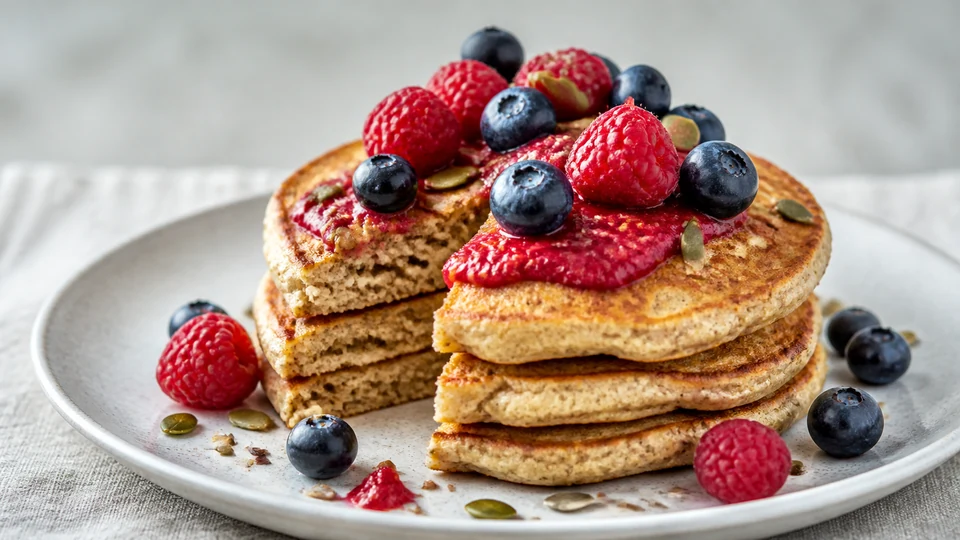

This guide belongs to Vegan Pancakes. For vegan gluten-free pancakes without added sweetener, start with a labelled gluten-free flour blend, plant-based liquid with no added sugars, oil, leavener, salt, and a vegan binder suited to the blend. Do not add honey, maple syrup, table sugar, dates, banana, applesauce, or sweetened milk if the goal is no added sugar. However, “sugar free” is a regulated U.S. nutrient claim: a finished serving must meet FDA’s sugar threshold and other conditions, so a home recipe cannot earn that label merely because no sugar was added. Keep ingredients and equipment protected from gluten cross-contact, never taste raw flour batter, and cook a small calibration pancake before adjusting liquid or binder.
For broader context, continue with Healthy Pancake Guides.
Three claims must pass separately
The title combines three dietary ideas, but each has a different proof requirement.
Vegan
For this guide, vegan means the ingredient list excludes animal-derived ingredients such as egg, dairy milk, butter, whey, casein, and honey. A plant-based label is useful only after the full ingredient and allergen statements are read.
Vegan does not mean allergen-free. A recipe may contain soy, almond, coconut, sesame, peanut, or another major allergen. It also does not establish gluten status or sugar content.
Gluten-free
FDA’s U.S. gluten-free labeling rule sets a defined standard for packaged foods that use “gluten-free,” “no gluten,” “free of gluten,” or “without gluten.” Among its criteria, unavoidable gluten must be below 20 parts per million, and the food cannot contain prohibited gluten-grain ingredients.
At home, choosing naturally gluten-free ingredients is only the first step. Cross-contact during growing, milling, storage, cooking, or service can introduce gluten. NIDDK specifically notes common cross-contact between oats and gluten-containing grains.
Sugar-free
FDA defines “sugar free” for food labels as less than 0.5 gram of sugars per reference amount customarily consumed and per labelled serving, with additional ingredient and disclosure conditions. That is not identical to:
- no table sugar
- no added sugars
- unsweetened
- no added sweetener
- sweetened only with fruit
- low carbohydrate
A pancake made with banana or applesauce can have no added table sugar while still containing sugars. An unsweetened plant milk can also contain naturally occurring sugars. For a home method without laboratory or complete composition data, the defensible description is often vegan gluten-free pancakes with no added sweetener, not a verified sugar-free product.
Choose which sugar lane you need
Lane A: no added sweetener
Do not add sugar, syrup, honey, dates, fruit puree, juice concentrate, sweetened plant milk, sweetened yogurt, or sweetened protein powder. Read every packaged ingredient for added sugars.
This lane produces a neutral pancake that can be served savory or with a separately chosen topping. It does not prove the finished pancake qualifies for the regulated sugar-free claim.
Lane B: no added sugars
FDA distinguishes no-added-sugars claims from sugar-free claims. A product can contain naturally occurring sugars yet have no sugars added during processing. At home, this means checking whether any ingredient was sweetened before purchase as well as what enters the bowl.
Lane C: a regulated sugar-free claim
This requires a finished serving that meets FDA’s quantitative and ingredient conditions. Calculate from verified ingredient data and the actual yield, define the serving, and consider all required label disclosures before making a commercial claim. This article does not certify a home batch.
Lane D: sweetness without caloric sugar
Some cooks use high-intensity sweeteners or sugar alcohols. These change flavor, browning, texture, digestion tolerance, and label treatment. Use a tested pancake formula designed for the exact sweetener; do not replace sugar spoon-for-spoon unless the manufacturer and recipe support that substitution.
Build a gluten-free flour architecture
Wheat flour supplies starch, protein, and gluten structure. Removing it means the batter needs another way to hold gas, absorb water, spread predictably, and set without crumbling.
The most reliable starting point is a commercial flour blend labelled gluten-free and designed as a cup-for-cup or pancake blend. Read whether it already contains xanthan gum, guar gum, psyllium, starch, leavener, salt, milk powder, or sugar. Adding a second full amount of gum or leavener can create gummy or bitter pancakes.
For a custom blend, think in functions rather than one-for-one swaps:
- whole-grain or pulse flour: brown rice, sorghum, buckwheat, millet, oat, chickpea, or another verified gluten-free flour provides flavor and body
- starch: tapioca, potato starch, cornstarch, or arrowroot can lighten texture and improve flexibility
- binder: psyllium, xanthan gum, guar gum, ground flax, or chia can reduce crumbling
- protein and browning support: legume flour, soy flour, or a formulated protein ingredient may help, but can introduce strong flavor and allergens
These ingredients are not universally interchangeable by equal volume. Coconut flour absorbs far more liquid than rice flour. Almond flour contributes fat and little starch. Oat flour needs gluten-free status when celiac-level control matters. Chickpea flour sets firmly but tastes distinct.
Without a project-owned test, use a published, reliable blend ratio or a manufacturer’s pancake directions rather than inventing a formula from this functional list.
Choose a vegan binder
Egg normally contributes water, protein, emulsification, browning, and structure. No single vegan substitute reproduces every function.
Ground flax or chia gel
Useful when a hearty texture is acceptable. It thickens over time and can leave visible flecks. Use a tested amount because too much produces a dense or gummy center.
Psyllium
Provides strong water binding and flexibility. Small changes can have large effects. Let the batter hydrate only for the period specified by the formula.
Aquafaba
Can add lightness when whisked or mixed as directed, but concentration varies across cans and homemade batches. It also adds liquid, so it is not a direct dry binder swap.
Commercial egg replacer
Follow the package for pancake use. Check gluten-free status, allergens, and whether the powder contains sweetener or leavening.
Banana or applesauce
These bind and add moisture, but they also contribute sugars and flavor. They conflict with a strict attempt to qualify as sugar-free unless the finished serving is verified to meet the regulated conditions. They may still fit a no-added-sugar recipe, depending on the intended claim.
The flour blend may already contain enough hydrocolloid to hold a pancake without a separate egg substitute. Adding both can overbind the batter.
Liquid, fat, leavener, and salt
Liquid
Water creates the cleanest no-added-sweetener baseline. Unsweetened soy, almond, oat, coconut, or other plant beverages affect protein, fat, sugar, flavor, and allergens. Read the label; “original” often differs from “unsweetened.”
Add liquid gradually because gluten-free flours hydrate at different rates. Measure by weight when the recipe provides grams.
Fat
Neutral oil helps tenderness and release. Melted vegan butter can add flavor but may contain salt, natural flavors, or allergens. If the formula already contains a high-fat flour, extra oil may make the pancake fragile.
Leavener
Baking powder and baking soda are not identical. Baking soda needs an acid. Use the amount and acid system in the base formula. Excess leavener can create large bubbles that collapse or a bitter taste.
Check whether a packaged blend already includes leavener. Verify gluten-free status where necessary.
Salt and flavoring
Salt, cinnamon, vanilla, citrus zest, herbs, and spices can make an unsweetened pancake taste intentional. Vanilla extract can contain alcohol and flavor carriers; check ingredients when personal rules are strict. A sweet aroma does not create a sugar-free claim.
Batter calibration protocol
This method helps adapt a verified base formula to the exact flour blend and kitchen. It is not a substitute for a tested ingredient ratio.
Step 1: weigh and record
Record flour blend, binder, liquid, oil, leavener, pan, heat setting, and planned yield. Package formulations can change, so keep the product name and date.
Step 2: mix dry ingredients thoroughly
Uneven gum or leavener creates local gummy pockets and bitter spots. Whisk dry ingredients before liquid enters.
Step 3: mix wet ingredients separately
Fully disperse the binder according to its method. Flax, chia, and psyllium often need hydration; commercial replacers follow package instructions.
Step 4: combine gently
Stir until no dry flour remains. Gluten-free batter does not need gluten development, but aggressive mixing can still incorporate excess air or break a hydrated structure.
Step 5: rest only as specified
Resting allows flour and binder to absorb water. Too long can make some batters unspreadable or exhaust leavener. Write down the actual rest.
Step 6: cook one test pancake
Use a small measured portion on the preheated surface. Observe spread, bubble formation, edge set, release, underside color, internal texture, and flexibility after one minute of cooling.
Step 7: adjust one variable
- batter does not spread: add a small measured amount of liquid
- batter runs thin: allow the specified hydration time before adding a small amount of blend
- pancake crumbles: check binder activation, cooking time, and whether it was turned too early
- pancake is gummy: reduce overbinding, lower excessive liquid, or cook more fully
Record each addition. Pouring unmeasured liquid makes the next batch impossible to reproduce.
Griddle method
Use the heat range in the base recipe and account for the pan. Cast iron, stainless steel, nonstick surfaces, and electric griddles respond differently.
- Preheat the surface evenly.
- Add only the coating fat the pan and formula require.
- Portion one test pancake with a measured scoop.
- Let the first side set before turning. Look for dry-looking edges and bubbles that begin to hold, while remembering that visual cues vary by formula.
- Turn once with a thin, broad spatula.
- Cook until the center is no longer wet or pasty.
- Cool the test briefly and cut it open before committing the whole batch.
An unsweetened pancake may brown less than a sugared one. Do not raise heat aggressively to force dark color; the exterior can burn before the center sets. Color is a quality cue, not proof that raw flour has been cooked throughout.
Keep pancakes warm in a single layer or loose stack according to the recipe. Tight covering traps steam and softens surfaces.
Gluten cross-contact control
NIDDK explains that cross-contact can happen during growing, processing, storage, preparation, or service. A home kitchen that also uses wheat needs a deliberate workflow.
Ingredients
- use packaged flour and oats labelled gluten-free when the claim is required
- check baking powder, spices, plant milk, egg replacer, chocolate, flavoring, and toppings
- avoid bulk bins with shared scoops
- do not use flour with an uncertain source
Equipment
- use a clean bowl, whisk, scoop, spatula, and pan
- inspect scratched nonstick surfaces and porous tools that may retain residue
- avoid a toaster, griddle, or waffle iron carrying wheat crumbs unless it can be cleaned to the required standard
- use a clean cloth or disposable towel, not a crumb-filled sponge
Workspace
Prepare the gluten-free batch before wheat batter. Remove open wheat flour from the area because powder travels. Clean counters with appropriate methods and wash hands.
Service
Use dedicated toppings and utensils. A shared butter knife moving from wheat toast to the pancake plate defeats the protected preparation.
Do not promise a celiac-safe result if the kitchen cannot control cross-contact. Say exactly what was verified and what remains uncertain.
Raw flour safety still applies
Gluten-free flour is still flour. FDA warns that flour is a raw food and may carry harmful bacteria; milling does not reliably kill them. Never taste batter or let children play with it.
Keep raw flour away from ready-to-eat foods, wash hands, and clean bowls, utensils, the griddle area, and counters after mixing. Flour dust can spread beyond the bowl.
Do not attempt to heat-treat flour at home for raw consumption. FDA states that home treatments may not eliminate all bacteria. Pancake batter belongs on the cooking surface, not in smoothies, frosting, or uncooked snacks.
Flavor directions without false claims
Savory herb
Use scallions, chives, pepper, and herbs with a neutral unsweetened liquid. Serve with tofu scramble, beans, mushrooms, or vegetables.
Claim check: sauces and plant-based meats require label review for gluten and added sugars.
Cinnamon and vanilla
Use spice and aroma without adding fruit or syrup. The result may suggest sweetness while remaining unsweetened.
Claim check: vanilla products and plant milk still need ingredient review.
Lemon and poppy seed
Use zest for aroma and a tested amount of poppy seed. Acidic juice can affect baking soda and batter hydration.
Claim check: a sweet lemon glaze would move the finished dish out of the no-added-sweetener lane.
Cocoa
Use unsweetened cocoa only in a formula designed for it because cocoa absorbs water and changes bitterness.
Claim check: cocoa mixes and chocolate chips often contain sugar.
Nut or seed
Add a measured nut or seed butter only when the formula supports its fat and thickness.
Claim check: verify gluten-free status, added sugars, and major allergens.
Toppings decide the final claim
A compliant pancake base can lose its claim at service.
For a no-added-sweetener plate, consider:
- sautéed mushrooms and greens
- tomato, avocado, and herbs
- unsweetened nut or seed butter, when suitable
- plain unsweetened plant yogurt
- toasted seeds
- a savory bean spread
Fresh fruit contains naturally occurring sugars. It may fit a no-added-sugar meal but does not support calling the entire plate sugar-free without a verified calculation. Maple syrup, agave, honey, date syrup, and coconut sugar are still sweetening ingredients.
Keep topping utensils separate for gluten control. A jar used on wheat bread is not protected merely because its ingredient list is gluten-free.
Troubleshooting
Pancakes crumble during turning
Likely causes: insufficient binder, binder not hydrated, low starch, turning too early, or pancake too large.
Correction: confirm the formula, rest as directed, make the test pancake smaller, and wait for the first side to set.
Centers are gummy
Likely causes: excessive gum or psyllium, too much liquid, high heat, thick portions, or incomplete cooking.
Correction: verify whether the blend already contains binder, reduce size, moderate heat, and adjust one measured variable.
Batter becomes cement-like
Absorbent flour or binder continued hydrating.
Correction: use the specified rest, add measured liquid gradually, and cook promptly after calibration. Do not keep chasing thickness with alternating unmeasured flour and water.
Pancakes are pale
Without sugar and dairy, browning may be lighter. A cool pan or excessive moisture can add to the effect.
Correction: verify surface temperature and cook until structurally done. Do not add hidden sweetener merely for color.
Flavor is bitter
Possible causes include excessive baking soda, old flour, strong pulse flour, too much psyllium, or burnt oil.
Correction: check freshness and leavener balance, use a suitable blend, and keep the surface below the oil’s smoking point.
Pancakes stick
The surface may be underheated, coating inadequate, or pancake unready to turn.
Correction: preheat consistently, use the pan’s recommended fat, and wait for release. Confirm that the pan is part of the gluten-controlled setup.
Storage and reheating
Cool pancakes promptly on a rack so steam can escape. Once cool, refrigerate in a covered container and follow the most restrictive storage direction among the ingredients. If using a manufacturer’s flour blend or egg replacer, retain its instructions.
For freezing, separate pancakes with suitable material, seal, label, and freeze. Reheat from refrigerated or frozen according to a safe, tested method until the center is hot and the texture is restored.
A toaster can re-crisp pancakes but may be unsuitable for gluten control when shared with wheat bread. A clean skillet or dedicated toaster may be necessary. Microwave reheating is faster but softens the surface; arrange pieces evenly and avoid cold centers.
Do not leave plant milk, yogurt, cooked pancakes, or perishable toppings at room temperature beyond their safe window. Vegan food is not exempt from temperature control.
Decision table
| Goal | Ingredient decision | Evidence needed |
|---|---|---|
| Vegan | No animal-derived ingredients | Full ingredient and allergen labels |
| Gluten-free | Labelled blend and protected workflow | FDA-compliant labels plus cross-contact control |
| No added sweetener | No caloric or noncaloric sweetener added | Ingredient-by-ingredient review |
| No added sugars | No sugar-containing ingredient added in processing | Current package labels and recipe record |
| Regulated sugar-free claim | Finished serving below FDA threshold and claim conditions met | Verified composition, serving, ingredients, disclosures |
| Celiac-level service | Gluten-free ingredients and effective separation | Kitchen-specific risk assessment |
| Allergy-specific service | All ingredients and contact surfaces verified | Labels, dedicated tools, no unsupported guarantee |
Frequently asked questions
Are no-added-sugar pancakes the same as sugar-free pancakes?
No. No added sugar describes what was not introduced during processing or preparation. Sugar-free is a regulated nutrient-content claim with a quantitative threshold and additional conditions.
Can I use banana as the vegan binder?
Banana can bind and sweeten a tested pancake formula, but it contains naturally occurring sugars. It does not fit a strict attempt to prove a sugar-free finished serving without calculation. It may fit a no-added-sugar recipe.
Are oats gluten-free?
Oats do not inherently contain wheat gluten, but NIDDK warns that cross-contact with gluten-containing grains is common. Use oats labelled gluten-free when the claim matters and consult a clinician or dietitian for individual celiac guidance.
Does a gluten-free flour blend need extra xanthan gum?
Not always. Many blends already contain a binder. Read the ingredient list and follow the formula; doubling gum can produce gummy pancakes.
Can I use water instead of plant milk?
Yes in a formula designed for water or adaptable through a measured test. Water removes plant-milk sugar and allergens from the base but may reduce browning, protein, richness, and flavor.
Are these pancakes low calorie or suitable for weight loss?
No such claim follows from vegan, gluten-free, or sugar-free status. Calories and suitability depend on flour, fat, portion, toppings, and individual needs. FDA also requires certain disclosures when sugar-free claims appear on foods that are not low or reduced calorie.
Can I taste the batter because it has no eggs?
No. FDA states flour is raw and batter should not be tasted. Removing eggs does not remove the flour hazard.
What is the safest description for a home batch?
If you excluded animal ingredients, used verified gluten-free ingredients and controls, and added no sweetener, describe the method specifically: “vegan gluten-free pancakes with no added sweetener.” Reserve a regulated sugar-free claim for a serving that is actually verified to meet it.
The working rule
Treat each claim as a separate gate. Build structure with a reliable gluten-free blend and vegan binder, keep the liquid unsweetened, and calibrate one pancake before the batch. Protect ingredients and equipment from gluten cross-contact, cook raw flour thoroughly, and describe the sugar condition precisely. A clear “no added sweetener” statement is more useful than an unproven sugar-free promise.
For more plant-based pancake methods, explore the Vegan Pancakes. For the wider food and recipe platform, visit Pancake World.
Connected guides
For the next practical step, compare Fluffy vegan pancake technique, Vegan English pancake method, and Vegan peach pancake ideas.
Explore related Pancakes World guidance on American Pancakes, American Breakfast: Pancakes, Diner Plates and Brunch, and Maple Syrup.
Sources and editorial references
- U.S. Food and Drug Administration, “Gluten and Food Labeling” —
https://www.fda.gov/food/nutrition-education-resources-materials/gluten-and-food-labeling - U.S. Food and Drug Administration, “Dear Manufacturer Letter Regarding Sugar Free Claims” —
https://www.fda.gov/regulatory-information/search-fda-guidance-documents/guidance-industry-and-fda-dear-manufacturer-letter-regarding-sugar-free-claims - U.S. Food and Drug Administration, “Nutrition Labeling and Education Act Requirements—Attachment 1” —
https://www.fda.gov/nutrition-labeling-and-education-act-nlea-requirements-attachment-1 - National Institute of Diabetes and Digestive and Kidney Diseases, “Eating, Diet, & Nutrition for Celiac Disease” —
https://www.niddk.nih.gov/health-information/digestive-diseases/celiac-disease/eating-diet-nutrition - U.S. Food and Drug Administration, “Handling Flour Safely: What You Need to Know” —
https://www.fda.gov/food/buy-store-serve-safe-food/handling-flour-safely-what-you-need-know - U.S. Food and Drug Administration, “Food Allergens/Gluten-Free Guidance Documents & Regulatory Information” —
https://www.fda.gov/food/food-allergensgluten-free-guidance-documents-regulatory-information