Vegan gf protein pancakes
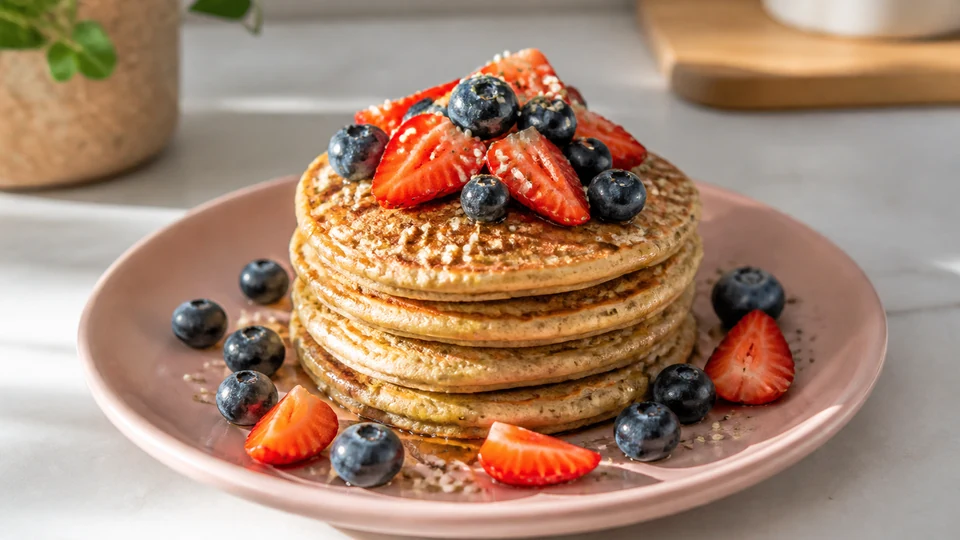
At Pancakes World, vegan GF protein pancakes work best when protein is added without asking it to replace the entire flour system. Use a gluten-free flour blend or suitable oat flour for starch and structure, choose an explicitly vegan protein source, add plant milk gradually, and include a binder plus measured leavening. Protein powder is optional: soy flour, chickpea flour, nut or seed butter, and suitable soy foods can contribute protein too. Check every packaged ingredient for both vegan and gluten-free suitability. Cook a small pancake first because higher-protein batter often thickens differently and can brown before a thick center has set.
| Guide sections |
|---|
| Direct answer for vegan gf protein pancakes |
| What the reader needs to know |
| Practical options and examples |
| Step-by-step checklist |
For broader context, continue with Healthy Pancake Guides.
Direct answer for vegan gf protein pancakes
Build the batter by roles. A general gluten-free blend supplies the dependable pancake base; a moderate portion of vegan protein powder or a protein-rich flour changes the nutritional and cooking profile; flax, chia, or a binder already present in the blend helps replace egg structure; plant milk controls flow; oil supports tenderness; and baking powder provides timely lift. Start with a recipe designed for the specific protein ingredient rather than substituting scoop for cup. Rest the batter, then aim for a thick but spoonable consistency. Use a modest scoop over controlled heat and verify the center is cooked before stacking or serving.
“Protein pancake” is not a single regulated recipe identity. It can describe a conventional pancake with a little more protein than the cook's usual version, or a product marketed with a protein claim. When comparing packaged powders or mixes in the United States, use the Nutrition Facts or Supplement Facts label and the serving size actually used. The Food and Drug Administration explains how to read Nutrition Facts and distinguishes dietary supplements from conventional foods through their labels.
This article does not prescribe a protein target or promise fitness, weight, or medical outcomes. Needs differ, and anyone seeking individualized nutrition advice should use an appropriately qualified professional. The practical goal is a coherent vegan pancake formula that is also gluten-free and that lets the cook understand where the protein comes from.
What the reader needs to know
“Vegan” and “gluten-free” require separate checks
A pea, rice, soy, or blended plant protein may sound compatible, yet flavorings, processing aids, and other ingredients differ by product. Likewise, a product can be vegan without being labeled gluten-free. Read the ingredient list, allergen information, gluten-free claim where relevant, and the manufacturer's current statements. Do not infer suitability from a front-panel flavor name or a green package.
The FDA's gluten-free labeling guidance explains the federal conditions for a voluntary gluten-free claim. It does not mean every naturally gluten-free ingredient is protected from cross-contact in every setting. Oats deserve specific attention: use oats represented as gluten-free when the whole plate must meet that requirement, and follow the diner's own dietary advice.
Vegan checking is broader than removing egg and milk from the bowl. Protein powders may include milk-derived whey or casein. Some flavored products contain dairy ingredients. Pancake mixes may instruct the consumer to add milk or eggs even if the dry mix itself has no obvious animal ingredient. Cooking spray, chocolate chips, yogurt toppings, and shared griddles belong to the same plate-level review.
Protein ingredients change batter behavior
Protein powder is not general-purpose flour. A scoop can bring concentrated protein, flavorings, sweeteners, gums, salt, and emulsifiers. Different plant proteins absorb water and set differently. Pea protein may give a noticeably earthy flavor and firm texture. Rice protein can feel dry or gritty in an overloaded formula. Soy protein can set firmly. Blends may moderate those traits, but the exact product remains material.
Replacing all flour with powder removes much of the starch that helps a pancake spread, set, and remain tender. The result may be rubbery, crumbly, chalky, or stubbornly wet in the middle. Keep a stable gluten-free carbohydrate base unless following a formula expressly developed without flour. The separate protein-powder pancakes with no flour route addresses that stricter constraint; its design problem should not be imported casually here.
Whole-food ingredients also affect the system. Chickpea flour provides body and a legume flavor but can taste raw if the center is undercooked. Soy flour browns readily and can become dense at high percentages. Nut and seed butters add fat as well as protein, so they influence spread and tenderness. Mashed beans or tofu bring water, solids, and flavor. None is a one-dimensional “protein boost.”
Labels support comparisons, not invented totals
For a packaged powder, record grams used and servings represented by that amount according to the current label. Do the same for flour, plant milk, nut butter, or other packaged ingredients if an estimate is needed. Add only values from the relevant labels or a recognized nutrient database, keep units consistent, then divide by the actual number of portions served. Do not copy a powder's per-scoop value and call it the protein per pancake when the batch makes several pancakes or uses a different scoop mass.
The serving size on Nutrition Facts is a reference amount for label comparison, not a personalized instruction for how much someone should eat. Recipe yield is also variable: eight small pancakes and four large pancakes can come from the same bowl. Report per batch, per defined serving, or per measured pancake only when the calculation and yield are transparent.
If the page is not publishing a fully verified nutrition calculation, descriptive language is safer than a fabricated number. “Made with pea protein and soy milk” is auditable. “High protein” may be a regulated nutrient-content claim in commercial labeling contexts and should not be used casually. This guide therefore focuses on formulation and label reading rather than assigning a universal nutrition result.
Egg replacement and gluten replacement are not identical
An egg can bind, emulsify, add water, contribute protein, and set during heating. Wheat gluten can provide elasticity and gas retention. One spoonful of flax does not reproduce every function of both. A gluten-free flour blend may use starches and hydrocolloids for structure; a vegan batter may add hydrated ground flax or chia for cohesion. The amount must fit the existing blend.
Check whether the flour or protein product already contains xanthan gum or other thickeners. Excess gums plus flax plus a thickening protein blend can produce a batter that appears manageable yet cooks gummy. Begin with the recipe's intended binder. Adjust only after the rest and first-pancake evidence.
Leavening remains important. Protein powder does not create dependable lift merely because it is nutritionally concentrated. Baking powder should be fresh and measured. Baking soda should appear only with an appropriate acid balance in the selected recipe. Too much chemical leavener can leave an unpleasant taste and weaken the structure rather than rescuing it.
Practical options and examples
Approach one: blended-flour protein pancakes
This is the most adaptable direction. Use a recognized gluten-free pancake or all-purpose blend as the majority flour component, then replace a limited, recipe-supported portion with an unflavored or compatible vegan protein powder. Add unsweetened plant milk gradually because the powder's absorption may differ from the flour it replaces.
Advantages include a familiar pancake shape and clearer troubleshooting. If the center is dry, the powder share may be high, the batter may be under-hydrated, or the pancake may be overcooked. If it spreads too little, add plant milk in measured increments after the rest. If it breaks, examine binder and turn timing. Each symptom has fewer plausible causes than in a flourless formula.
Choose this approach for a conventional stack with an explicit protein ingredient, not for the maximum possible powder load. A scoop is a manufacturer's utensil, not a universal unit; weigh the powder when repeatability matters.
Approach two: certified gluten-free oat base
Suitable oat flour can make a soft, hearty base and is easy to combine with a modest amount of protein powder. Verify the gluten-free status appropriate to the diner. Oat batter thickens during rest, so delay final liquid corrections. A blender formula made from rolled oats, plant milk, binder, and protein ingredient can work, but particle size and blender capacity affect texture.
Use a source-developed formula rather than assuming a cup of rolled oats equals a cup of flour by function. Let blended batter stand, then stir and inspect it. If it falls from the scoop in a heavy lump, add a little liquid. If it runs like a beverage, allow hydration time before adding more dry material.
Approach three: legume-supported batter
Chickpea or soy flour can replace a measured portion of the gluten-free base. This creates a different flavor and tends toward firmer structure. Savory versions can make that character an advantage: omit sweet flavorings, use herbs or scallion, and serve with vegetables or a suitable spread. Cook the center thoroughly and avoid an oversized pancake.
Do not equate legume flour with protein isolate. The flour contains other components and behaves as flour, while isolates are more concentrated and often more disruptive to tenderness. The current product label or a recognized database is needed for any numeric comparison.
Approach four: protein through toppings and sides
The batter does not have to carry the entire meal objective. A stable vegan gluten-free pancake can be served with suitable peanut, almond, sunflower seed, or other butter, soy yogurt, seeds, or another compatible side. This preserves the base texture and allows diners to adjust the plate.
Check sweetened toppings and portion assumptions before presenting a nutrition total. A topping can change energy, sugar, fat, sodium, and allergen considerations as well as protein. The transparent description names both the pancake and accompaniment rather than assigning a vague “healthy” label.
Choosing the right approach
Choose by constraint, not by trend.
- If texture and broad acceptance matter most, keep a balanced gluten-free blend as the primary dry ingredient.
- If an oat flavor is welcome and oats are suitable, use a gluten-free oat-based formula developed for that texture.
- If savory pancakes are acceptable, a measured legume-flour portion can make sense.
- If the batter already works well, move some of the protein source to toppings or sides instead of destabilizing it.
- If flour must be excluded entirely, use the dedicated flourless method rather than stripping flour from this framework.
Also consider flavor. Vanilla or chocolate protein powders bring sweetener and aroma that can clash with savory toppings. Unflavored powder offers more control but may expose earthy notes. Cinnamon, vanilla, cocoa, fruit, or citrus can complement some products, but each addition affects dry matter, acidity, or water. Cocoa in particular absorbs liquid and is not a neutral spoonful.
The comparison with gluten vegan pancakes clarifies wording before ingredients are purchased. A related Japanese pancake method has different structural priorities, while a Chipotle breakfast decision concerns restaurant ordering. Those pages should not be combined into a hybrid recipe merely because they share a breakfast context.
Common mistakes
Replacing flour scoop-for-scoop with protein powder. Concentrated powder lacks the same starch and hydration behavior. Use a formula designed for the substitution.
Using whey in a vegan recipe. Whey is milk-derived. Confirm that the product itself is vegan.
Assuming plant protein is gluten-free. Verify the relevant product label and manufacturing information.
Ignoring sweeteners and gums. Flavored powder can make the batter sweeter, thicker, or quicker to brown than expected.
Adding every binder. Flax, chia, xanthan, and powder thickeners can compound. More structure is not always better texture.
Correcting before the batter rests. Gluten-free flour, oats, and protein powder may hydrate over several minutes. An early flour addition can create paste.
Cooking large, thick rounds. The outside firms while the center remains wet. Begin with a modest diameter and controlled scoop.
Turning on bubbles alone. The edge, underside release, surface set, and pancake strength all matter.
Pressing the pancake. This removes gas and does not solve an undercooked center. Lower heat or reduce size.
Inventing nutrition per pancake. Batch ingredients, label serving sizes, yield, and actual portions must align.
Calling the result suitable for everyone. Allergies, celiac disease, dietary preferences, and individual protein needs require specific attention beyond a generic recipe.
Step-by-step checklist
Ingredient gate
- Select a gluten-free flour base appropriate to the diner.
- Choose a protein ingredient explicitly compatible with vegan requirements.
- Review gluten-free labeling and cross-contact information where relevant.
- Check the powder or flour for sweeteners, gums, salt, flavors, and serving size.
- Confirm whether the flour blend already contains a binder.
- Select unsweetened plant milk and compatible cooking fat.
- Check toppings separately rather than assuming the base controls the whole plate.
Formula gate
- Use a recipe developed for the chosen category of protein ingredient.
- Weigh powder rather than relying on an inconsistent scoop.
- Keep sufficient gluten-free flour or starch for the intended structure.
- Hydrate flax or chia as directed.
- Measure leavening and salt accurately.
- Reserve some plant milk for after-rest correction.
- Record the planned batch yield and serving definition if calculating nutrition.
Mixing gate
- Whisk dry ingredients until protein powder and leavener are evenly dispersed.
- Combine wet ingredients separately so the binder is not clumped.
- Fold wet and dry only until no dry pockets remain.
- Rest the batter for the formula's stated time.
- Stir gently and assess whether it drops slowly from a spoon.
- Add liquid or flour blend in small measured increments only if necessary.
Cooking gate
- Preheat the pan over controlled heat.
- Use a light, even film of suitable fat if needed.
- Cook one modest test pancake.
- Watch spread, underside color, edge setting, and center firmness.
- Reduce heat if the powder's sweetener or solids brown too quickly.
- Turn only when the pancake releases and can support itself.
- Cook the second side without pressing.
- Open the first test pancake if necessary to inspect the center before serving the batch.
Documentation gate
- Record product names and current label values used for any calculation.
- Define how many pancakes and servings the batch actually produced.
- State whether a number is measured, label-derived, database-derived, or estimated.
- Avoid performance or health promises.
- Recheck labels when a product is replaced because formulas can change.
Variations or substitutions when relevant
Powder choices
Pea, soy, rice, and blended vegan proteins have different flavors and water demands. A direct gram-for-gram swap may still require a liquid correction. Start from a formula for the chosen type. Hemp protein can add a green-brown hue and distinctive flavor. Pumpkin seed protein can be similarly assertive. Color change is not itself a doneness indicator.
Without commercial protein powder
Replace a measured part of the blend with chickpea or soy flour, or include nut or seed butter in a recipe designed for the added fat. Silken tofu can contribute solids and moisture in a blender batter. None of these substitutions supports a precise protein claim without calculation, and none should displace all starch automatically.
Flavor paths
For a lightly sweet stack, use vanilla, cinnamon, fruit, or a compatible flavored powder while accounting for sweetness. For chocolate, add cocoa only with a planned liquid adjustment. For savory pancakes, choose unflavored protein, omit sweetener, and add herbs, scallion, or spices. Keep mix-ins small enough that the pancake remains turnable.
Texture corrections
Dry and crumbly suggests examining powder percentage, liquid, fat, and overcooking. Gummy suggests checking excess binder, a wet center, or too much liquid. Rubbery suggests too much concentrated protein or gum. Fragile suggests binder, starch balance, or premature turning. Diagnose first; do not add the same remedy to every fault.
Meal-building alternatives
Serve a simpler pancake with a measured nut or seed butter, soy yogurt, seeds, or a compatible savory side. This distributes flavor and texture across the plate. Accidentally vegan pancake mix can help evaluate a dry mix, and vegan instant pancake mix addresses convenience. Neither automatically meets the gluten-free or protein requirement; the current label decides.
A worked label-reading method without a fabricated recipe claim
Suppose a cook has chosen a flour blend, a plant protein powder, plant milk, and nut or seed butter. The first task is not to announce a protein number; it is to establish comparable records. Photograph or transcribe the relevant panel for each exact product, including serving size in grams or milliliters and protein per labeled serving. Record the actual mass or volume entering the bowl. If a product reports values for a prepared serving, verify whether that preparation includes ingredients not used in this batch.
Convert each item separately. If the powder label gives protein for a stated gram serving, divide the protein value by that serving mass and multiply by the grams actually weighed. Apply the same arithmetic to flour and other ingredients only when their current labels provide the value. Do not substitute a web retailer's stale product description when the package in hand differs. Do not use a household “scoop” unless its actual filled mass was weighed; powder density and scoop packing vary.
Next, decide the denominator. Count the finished pancakes, but also define a serving. A batch producing ten small pancakes does not necessarily produce ten intended servings. If it serves two people, divide the batch value by two and state five small pancakes per serving. If sizes vary markedly, weighing the cooked batch or using controlled scoop masses is more transparent than pretending each round is identical.
Keep uncertainty visible. A value assembled from rounded labels is an estimate. Batter left in the bowl, pancakes damaged during cooking, and toppings added at the table can change what is actually eaten. A public nutrition panel requires more rigor than informal meal planning and may carry legal obligations. This editorial guide does not generate such a panel; it explains why an unsupported per-pancake number should be omitted.
The same method prevents a common comparison error. Powder A may show more protein “per serving” simply because its listed serving is larger. Compare equivalent masses when assessing composition, then return to culinary behavior: the powder with a higher concentration is not automatically the powder that produces a better pancake. Taste, sweetener, gum content, allergens, gluten-free representation, price, and water absorption remain separate decisions.
Calibration log for a new protein ingredient
When a new powder enters the kitchen, make a small batch from a dependable base formula. Record the brand and flavor only for repeatability, not endorsement. Note powder mass, flour-blend mass, binder, plant milk, oil, batter rest, scoop mass, pan type, and approximate heat setting. The point is to preserve the conditions needed to interpret the result.
After the rest, describe flow with an observable action. Does batter pour in a continuous ribbon, fall in a heavy mound, or cling to the spoon? Avoid vague judgments such as “looked healthy.” Cook one pancake and time only as a local observation, not as a universal instruction. Record how far it spreads, whether the edge cracks, how quickly the underside colors, whether the spatula can lift the center, and whether the interior is set.
Make one correction. A heavy mound can receive a small weighed plant-milk addition. An uncontrolled pool can receive a small amount of the same flour blend after an additional rest. Rapid surface darkening calls for lower heat before adding more liquid. A fragile turn calls for more first-side setting time before adding binder. This order matters because several symptoms have both formula and technique causes.
If the test is dry but structurally sound, evaluate powder percentage, liquid, fat, scoop size, and cook time. Reduce only one source of dryness in the next trial. If the result is gummy, inspect the combined thickeners on all labels, the binder amount, center temperature, and pancake thickness. Adding more powder to absorb water may create an even firmer exterior while leaving the internal system unbalanced.
Once a version is acceptable, repeat it before treating the notes as a house formula. Ingredient substitutions, different pan heat, and an unmeasured scoop can conceal whether the formula itself is repeatable. Repetition here means home process control; it is not permission to publish claims about formal product testing.
Comparing powder-led and food-led plates
A powder-led batter concentrates the protein ingredient inside every pancake. It can be convenient and makes batch arithmetic straightforward when the label is current, but it raises texture and flavor challenges. A food-led plate keeps the batter closer to an ordinary gluten-free vegan formula and supplies more of the protein source through tofu scramble, soy yogurt, nut or seed butter, beans in a savory meal, or another compatible accompaniment.
Neither architecture is universally superior. The batter-led version may suit portable pancakes or a diner who wants a consistent composition across the stack. The plate-led version may suit households with different preferences because toppings and sides remain adjustable. Allergens may decide the issue: nut butter is inappropriate where nuts must be avoided, while soy and pea also require individual consideration.
For children, athletes, older adults, or people managing medical conditions, this page does not set a target or serving. The formulation remains culinary. A qualified professional can connect the meal to individual needs; the cook can still improve transparency by naming ingredients, retaining labels, and avoiding exaggerated claims.
Managing sweetness, salt, and browning
Flavored powders can contain sweeteners and salt before any recipe sugar or salt is added. Taste and label review should occur at the formula-planning stage, not through raw-batter tasting. Reduce optional recipe sweetener when the source formula allows, but do not remove structurally relevant liquid syrup without accounting for hydration. Unsweetened powder offers control yet may have a more obvious earthy or bitter edge.
Dark color is not proof of a cooked center. Sweeteners, protein solids, plant-milk sugars, and a hot pan can accelerate surface browning. Lower heat and smaller rounds give heat more time to reach the middle. Conversely, an extremely low pan may dry the pancake before it colors. Calibrate the cooking surface with the same scoop mass intended for the batch.
Salt makes flavor clearer but must be considered across powder, flour blend, baking powder, and toppings. A savory powder or salted nut butter may already contribute substantially. Read labels and keep the recipe amount deliberate. The goal is not to optimize a nutrient profile through guesswork; it is to prevent hidden product characteristics from surprising the batter.
The responsible result is a named formula with visible ingredients and a reproducible method. Pancake World uses “protein” here to identify the formulation problem, not to promise a body-composition result or declare one powder superior.
Explore related Pancakes World guidance on American Pancakes, American Breakfast: Pancakes, Diner Plates and Brunch, and Maple Syrup.
Sources and editorial references
- How to Understand and Use the Nutrition Facts Label —
https://www.fda.gov/food/nutrition-facts-label/how-understand-and-use-nutrition-facts-label - Dietary Supplements —
https://www.fda.gov/food/dietary-supplements - Gluten and Food Labeling —
https://www.fda.gov/food/nutrition-education-resources-materials/gluten-and-food-labeling - Easy Vegan Pancakes —
https://www.kingarthurbaking.com/recipes/easy-vegan-pancakes-recipe - Gluten-Free Pancakes or Waffles —
https://www.kingarthurbaking.com/recipes/gluten-free-pancakes-or-waffles-recipe - MyPlate Protein Foods Group —
https://www.myplate.gov/eat-healthy/protein-foods