Saint patrick's day brunch ideas
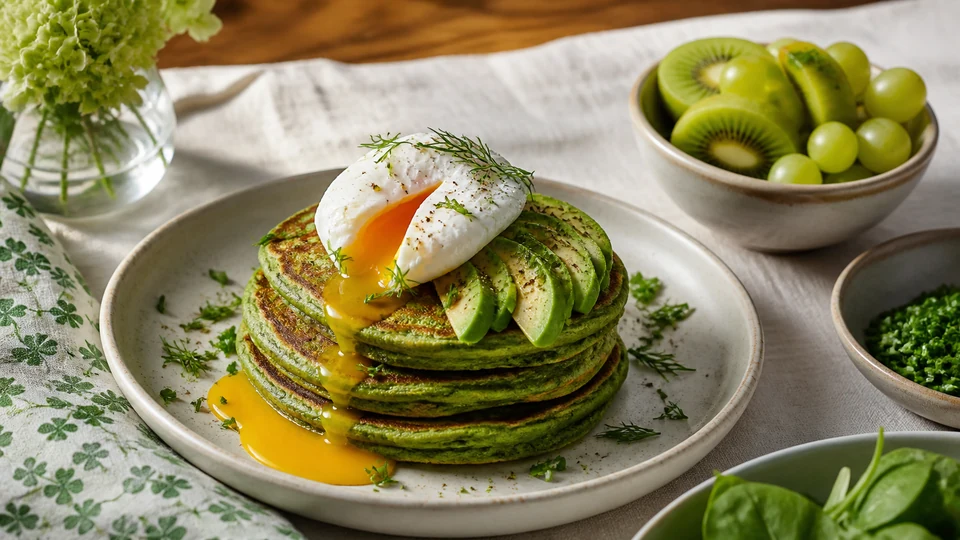
At Pancakes World, a useful Saint Patrick’s Day brunch needs one dependable hot centerpiece, two make-ahead sides, and only a few green details. Build the meal around an egg bake, corned-beef-and-potato hash, savory pancakes, or another complete recipe; then add bread, fruit, and a clearly labeled drink station. Green herbs, spinach, grapes, or kiwi can carry the color without dyeing every dish. Keep raw meat and eggs separate, verify the applicable safe cooking temperature, refrigerate prepared food promptly, and schedule only one pan-dependent item for the final minutes before guests sit down.
The wider brunch collection helps with other occasions, while Pancake World connects this plan to the full editorial library.
| Guide sections |
|---|
| A seated holiday brunch, not a green snack table |
| Choose the centerpiece by kitchen capacity |
| Supporting dishes that do not compete for heat |
| Three coherent menu paths |
For broader context, continue with American Breakfast: Pancakes, Diner Plates and Brunch.
A seated holiday brunch, not a green snack table
This plan is for a meal with a defined serving time and places at the table. Its identity comes from a composed menu, a restrained green palette, and ingredients commonly associated with the occasion—not from turning every food green. It is distinct from the casual St Patty’s Day drop-in plan, which favors handheld portions, frequent refills, and staggered arrivals.
Start by choosing one centerpiece. A complete egg-bake recipe, a carefully managed corned-beef hash, or a savory pancake formula can each fill that role. Do not combine the quantities and timings from unrelated recipes. Pick one source whose yield, pan size, and method fit the guest count, then let simpler sides support it.
A practical six-part table is:
- one hot centerpiece;
- one bread or pancake element;
- one fruit dish;
- one vegetable or salad element;
- one small sweet, if wanted;
- coffee, tea, water, and one cold drink.
That is a planning framework rather than a tested Pancake World recipe. Every cooked dish still needs its own complete formula.
Choose the centerpiece by kitchen capacity
The best centerpiece for this table is the one the kitchen can finish safely and calmly. Write down the oven space, burner count, refrigerator space, serving time, and number of cooks before choosing.
Egg bake with herbs
An egg bake provides a single-pan center that can be cut at the table. Choose a complete recipe that states its pan size, yield, and doneness method. Spinach, chives, parsley, or scallions can supply green color, but each addition changes moisture. Use only the additions allowed by the selected formula, or select a recipe written for those ingredients.
Egg dishes should reach 160°F according to FoodSafety.gov. Measure the center rather than judging only the browned edges. A deep or overloaded dish can look set around the perimeter while remaining underdone in the middle.
Corned-beef-and-potato hash
Hash suits the theme and can use cooked corned beef, but the ingredient’s status matters. USDA FSIS distinguishes uncooked corned beef from ready-to-eat corned beef and gives product-specific handling guidance. Read the package and follow the method appropriate to the actual product; the word “corned” does not mean it is already cooked.
For a hash made from safely cooked corned beef, cook potatoes through before trying to crisp a crowded pan. Divide the batch if necessary. Add cooked meat according to the complete recipe so it heats without drying. Do not place cooked potatoes or garnishes on a board that held raw meat.
Savory pancake plate
Savory pancakes can echo the site’s central subject while carrying herbs or vegetables. They are a demanding choice for a seated group because each batch uses the same pan shortly before service. Select them only if another cook can manage drinks and sides, or if the source gives a verified make-ahead and reheating path.
Keep batter from raw eggs and ready-to-eat toppings separate. Follow the selected recipe for batter rest, pan temperature, and yield. Color alone is not a food-safety test.
Supporting dishes that do not compete for heat
The side dishes should reduce pressure on the centerpiece rather than create a second cooking queue.
Soda-bread toast board
Use a complete soda-bread recipe or a purchased loaf with a retained ingredient label. Slice before guests arrive and toast only what the oven can hold without displacing the main. Butter, cheese, smoked fish, and spreads require separate utensils and clear allergen labels.
Cabbage and potato side
Cabbage and potatoes can appear in a skillet or warm salad, but a second hot pan may duplicate the work of hash. If the main already includes potatoes, use a crisp cabbage-and-herb salad from a complete recipe instead. If the main is an egg bake, a potato side can occupy the stovetop while the oven remains dedicated.
Green fruit bowl
Grapes, kiwi, green apple, and pear provide color without an artificial theme. Wash produce under running water before cutting. Cut fruit is perishable; keep backup portions refrigerated and place out a smaller bowl near service.
Apple-oat cups or another small sweet
A baked oat cup, muffin, or scone can be completed earlier when its source permits. Choose one sweet item, not several near-identical bakes. Retain package labels for oats, flour, dairy, eggs, nuts, seeds, and any decorative topping.
Three coherent menu paths
These are combinations, not invented formulas. Choose a complete recipe for every cooked item.
Path 1: classic seated table
- Corned-beef-and-potato hash as the hot center
- Herb toast or soda bread
- Cabbage salad
- Green fruit bowl
- Apple-oat cups
- Coffee, tea, water, and a citrus drink
This path needs stovetop attention at the end. Complete fruit, salad, labels, and place settings before the hash begins.
Path 2: oven-centered brunch
- Spinach-and-herb egg bake
- Toast board
- Roasted potatoes from a separate complete recipe
- Fruit
- Scones or muffins
- Hot and cold drinks
Check whether the potatoes and egg bake require incompatible oven temperatures. If they do, cook one earlier only when its source provides a safe holding or reheating method.
Path 3: savory pancake meal
- Savory herb pancakes
- Smoked salmon or a bean spread
- Cucumber and cabbage salad
- Fruit
- One make-ahead baked sweet
- Tea, coffee, and water
This is the most labor-intensive path. Limit toppings, set the table early, and avoid another made-to-order dish.
A preparation timeline
Two days before
Confirm the guest count, allergies, serving time, seating, and equipment. Select complete recipes and check that their combined yields match the group. Buy ingredients and retain packaging. If corned beef is included, identify whether it is uncooked, cooked, or ready to eat and plan from USDA and package directions.
The day before
Complete only tasks the selected sources allow: bake bread or muffins, mix a dressing, wash whole produce, set out serving dishes, and prepare labels. If an egg bake is designed for overnight assembly, refrigerate it promptly in the stated vessel. Do not improvise overnight storage for a recipe that does not provide it.
Ninety minutes before service
Clear the sink and work surfaces. Set separate boards and utensils for raw animal foods and ready-to-eat ingredients. Chill the fruit dish and cold drinks. Preheat only according to the chosen recipe. Start the component with the longest verified cooking time.
Thirty minutes before service
Verify the hot centerpiece with the appropriate control. Finish toast or pancakes only if they are the assigned final task. Move a small amount of cut fruit or chilled salad to the table. Start coffee and heat water for tea.
At the table
Serve the main in its proper vessel with a clean utensil. Keep backup chilled food in the refrigerator. Record the time perishable dishes leave temperature control so the host can make a clear refrigeration or discard decision later.
Food safety for eggs and corned beef
FDA advises using clean, uncracked eggs, refrigerating them, and cooking egg dishes thoroughly. FoodSafety.gov lists 160°F for egg dishes. Use a clean food thermometer in the center and check more than one place in a large pan.
Corned beef requires closer reading because products differ. USDA FSIS guidance covers storage and cooking for uncooked corned beef and emphasizes checking its internal temperature. Follow the package and the official method for the product in hand. A spice packet, pink color, or firm exterior does not identify doneness.
Keep raw meat juices away from bread, salad, fruit, herbs, and cooked food. Wash hands after raw handling. Use a clean plate for cooked meat and a clean knife for final service.
FoodSafety.gov’s cold-storage chart provides category-specific limits. Match the actual food to the correct category rather than applying one number to the entire menu. Refrigerate perishable food promptly, use shallow containers when appropriate, label the date, and reheat leftovers to 165°F.
Buffet and table service without a bottleneck
Even a seated brunch benefits from a controlled serving order. Put plates first, then the main, bread, vegetables, fruit, and condiments. Drinks belong on a separate surface so a coffee queue does not block food.
For chilled foods, begin with a small bowl and replenish from the refrigerator using a clean replacement vessel. Do not pour a fresh batch over a platter that has been sitting out. Cover backup food and keep a dedicated utensil with each item.
Place butter, milk, mustard, mayonnaise-based sauces, and fish on individual dishes rather than one crowded board. This improves labeling and limits cross-contact. If a guest needs a verified alternative, prepare it first with clean tools, cover it, and keep it apart from shared crumbs.
How to use green without making the menu repetitive
Assign green to three places: one cooked item, one fresh item, and one visual detail. For example, use chives in the egg bake, kiwi in the fruit bowl, and green napkins. Or use spinach pancakes, grapes, and a herb garnish.
Avoid adding spinach, herbs, or food coloring to every recipe. Repeated ingredients flatten contrast and may alter moisture or structure. Garnishes should be edible and compatible with the dish. Do not place decorative items where guests may mistake them for food.
Troubleshooting
The menu needs too many pans
Keep the centerpiece and replace a second cooked side with fruit, salad, or purchased bread. The theme does not require several potato dishes.
The egg bake is brown at the edges but wet in the center
Continue according to the recipe and verify the center reaches 160°F. Do not increase serving portions or pan depth without adjusting through a complete formula.
The hash is steaming rather than browning
The pan may be crowded or the potatoes too wet. Divide the batch and follow the source’s order. Do not raise heat until the outside burns while the center remains cold.
The green fruit is browning
Cut apples and pears closer to service or use the acid treatment specified by a complete recipe. Keep cut fruit chilled. Do not use color alone to judge safety.
Guests arrive late
Keep backup cold food refrigerated and use a verified hot-holding method for hot dishes. If safe holding is unavailable, serve the first group and cook a smaller later batch rather than leaving the whole meal in an unverified warm zone.
Frequently asked questions
Does Saint Patrick’s Day brunch need corned beef?
No. It can be built around eggs, savory pancakes, beans, vegetables, or another source-faithful centerpiece. Corned beef is one optional route, not a requirement.
Can the meal be made the night before?
Parts can, when their recipes include make-ahead and storage instructions. Bread, labels, table setup, and some chilled components often move earlier. Do not assume a cooked egg or meat dish can be held overnight without a documented cooling and reheating path.
How many dishes are enough for six to eight people?
Plan by yield rather than dish count. One properly sized main, bread, fruit, a vegetable side, and an optional sweet usually create a complete table. Confirm servings in each source recipe.
Is green food coloring necessary?
No. Herbs, spinach, grapes, kiwi, apples, table linens, or flowers can provide color. Natural color is an editorial choice, not a health claim.
Is this a tested Pancake World menu?
No. It is an evidence-bounded planning guide. Use complete recipes for quantities, timings, yields, and equipment until a project-owned test record exists.
Final host checklist
- One complete centerpiece recipe has been selected.
- Its pan, yield, timing, and safe endpoint fit the kitchen.
- The table has no more than one last-minute pan task.
- Corned beef status and package directions are known.
- Egg dishes will be checked at the center.
- Raw and ready-to-eat tools are separated.
- Perishable backup dishes remain refrigerated.
- Every shared item has a clean utensil and label.
- Exactly three green accents carry the visual theme.
- The drink station will not block food service.
- Leftovers have a category-specific storage plan.
The most convincing Saint Patrick’s Day brunch is a coherent meal served safely and on time. A deliberate centerpiece, a small number of contrasting sides, and measured green details create more identity than an oversized list of themed dishes.
Explore related Pancakes World guidance on American Pancakes, Maple Syrup, and Maple Syrup Pancakes.
Sources and editorial references
- USDA FSIS, “Corned Beef and Food Safety” —
https://www.fsis.usda.gov/food-safety/safe-food-handling-and-preparation/meat/corned-beef - FoodSafety.gov, “Safe Minimum Internal Temperatures” —
https://www.foodsafety.gov/food-safety-charts/safe-minimum-internal-temperatures - FoodSafety.gov, “Cold Food Storage Chart” —
https://www.foodsafety.gov/food-safety-charts/cold-food-storage-charts - U.S. Food and Drug Administration, “What You Need to Know About Egg Safety” —
https://www.fda.gov/consumers/consumer-updates/what-you-need-know-about-egg-safety - Food Network Kitchen, “Brunch Recipes” —
https://www.foodnetwork.com/recipes/photos/brunch-recipes