Pancake art batter
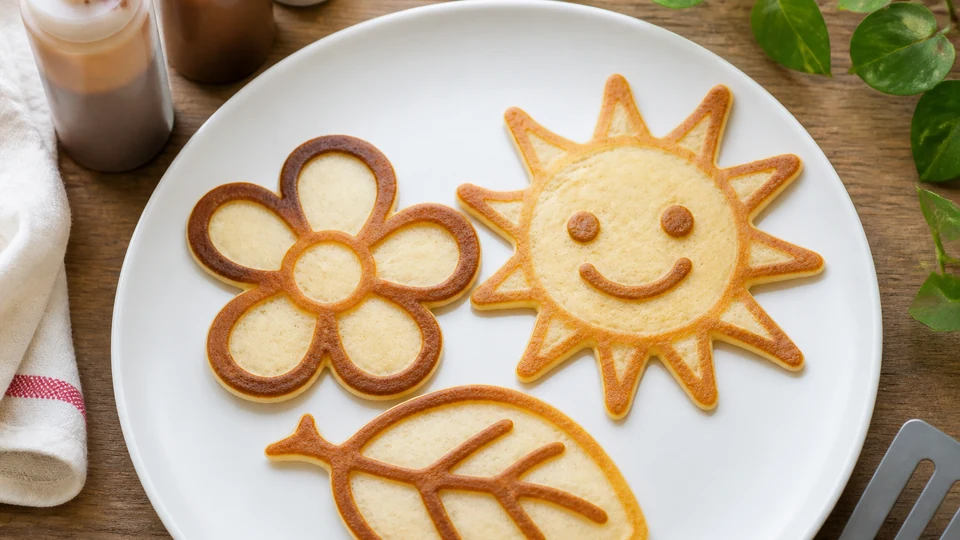
At Pancakes World, pancake art batter needs smooth flow, repeatable colour portions, and enough set to preserve drawn lines. Start with a complete pancake formula, strain only if that formula can tolerate it, divide small portions for colour, and practise a simple outline before filling it. Change only one variable—flow, tip opening, pan heat, or drawing order—between trials. See the editorial platform for the wider editorial collection.
Use Pancake Science; Buttermilk pancakes without baking soda; Rice flour pancakes without baking powder; Pancake flour mix to move from this exact question to the relevant hub and neighbouring Stage 012 guides without relying on a generic parent label.
| Guide sections |
|---|
| Direct answer and scope |
| Formats that fit the intent |
| Build a controlled workflow |
| Current-batch troubleshooting |
For broader context, continue with Pancake Ingredients and Substitutions.
Direct answer and scope
This is a technique guide, not a tested Pancake World recipe. Food colouring, bottle choice and batter thickness must remain within the selected formula and product directions. Start by naming the dish or technique, the guest and ingredient boundaries, the available equipment, and the point at which the result will be judged. That prevents an attractive idea list from becoming an unsupported recipe, nutrition promise, cultural generalisation, or project-test claim.
Formats that fit the intent
A single-colour line test
Draw parallel lines first; their breaks and spreading reveal whether flow or tip control needs attention.
Outline-then-fill shapes
Lay the detail first, allow it to begin setting, then add the background without flooding the border.
Simple mirrored faces
Remember that the pan-side image is reversed when served, so place readable direction only after practice.
Two-colour geometric panels
Use separate labelled bottles and prevent their tips from touching raw batter or the pan.
Lettering practice on parchment planning
Sketch the reversed order away from food, then reproduce only a short word on the pan.
A plain control pancake
Keep one uncoloured portion as the reference for spread, bubbles, turning and cooked texture.
Build a controlled workflow
- Choose one complete batter formula.
- Mix until the formula's lumps and rest guidance are satisfied.
- Divide and label small colour portions.
- Run a line-flow test on the working pan.
- Draw details before broad fill areas.
- Cook fully and clean bottles according to their material guidance.
The sequence should leave one baseline that can be described in plain language. Note flow, spread, surface moisture, edge set, centre texture, holding condition, or service behaviour as relevant to the chosen format. Avoid adding invented times, yields or temperatures when the complete source does not establish them.
Current-batch troubleshooting
Lines break before reaching the pan
Inspect tip blockage and batter lumps before adding liquid.
Details merge into a puddle
Reduce line size or let the first detail begin to set.
The design tears on turning
Simplify the shape and wait for stronger edge connection.
Colours brown unevenly
Compare exposure time and drawing order rather than claiming a universal heat.
The bottle surges
Use a smaller portion and steadier pressure instead of squeezing harder.
Prevent the same problem next time
- Record bottle tip size and batter rest.
- Keep a plain control portion.
- Practise one motif before adding colours.
- Change flow, heat or drawing order one at a time.
Prevention is useful only when the record is specific enough to repeat. Keep product names and ingredient forms, label checks, pan or vessel size, portion method, sequence, and observable result together. A later batch can then change one plausible cause while preserving the rest.
Before colouring the full bowl, reserve a small plain portion and draw three lines with the intended bottle. Compare whether each line starts cleanly, continues without gaps, and holds its width on the pan. Those observations identify a flow or tip problem without wasting colours or changing the complete batter formula.
Safety and evidence boundary
Do not taste raw flour batter or dough. Check current packaged-food labels for allergens and use separate tools where cross-contact matters. Egg dishes, meat components and leftovers need their own applicable temperature, cooling, refrigeration and reheating controls. The authoritative references below support those boundaries; they do not convert this article into medical advice, a tested formula, a guaranteed outcome, or a universal cultural definition.
Frequently asked questions
Can ordinary pancake batter be used?
A complete formula may work, but its flow and set must be assessed rather than assumed.
Should batter be very thin?
Not universally. It must pass through the chosen tip while still holding the intended line.
Can raw batter be tasted to check sweetness?
No. Raw flour and egg mixtures should not be tasted.
Why does the design look backwards?
The pan-side image becomes the presentation side, so directional designs need mirrored planning.
Explore related Pancakes World guidance on American Pancakes, American Breakfast: Pancakes, Diner Plates and Brunch, and Maple Syrup.
Sources and editorial references
- U.S. Food and Drug Administration — Food Allergies —
https://www.fda.gov/food/nutrition-food-labeling-and-critical-foods/food-allergies - FoodSafety.gov — Safe Minimum Internal Temperatures —
https://www.foodsafety.gov/food-safety-charts/safe-minimum-internal-temperatures - USDA FSIS — Leftovers and Food Safety —
https://www.fsis.usda.gov/food-safety/safe-food-handling-and-preparation/food-safety-basics/leftovers-and-food-safety - U.S. Food and Drug Administration — Handling Flour Safely —
https://www.fda.gov/food/buy-store-serve-safe-food/handling-flour-safely-what-you-need-know