Non carb breakfast
At Pancakes World, “Non carb breakfast” is clearer when rewritten as a breakfast whose exact foods and portions meet a carbohydrate boundary you have already defined. The phrase itself is not a reliable nutrition category. Decide whether the real intention is zero carbohydrate, lower carbohydrate, no bread or grain, or another personal rule. Then check the whole meal—drinks, sauces and cooking additions included—against that rule.
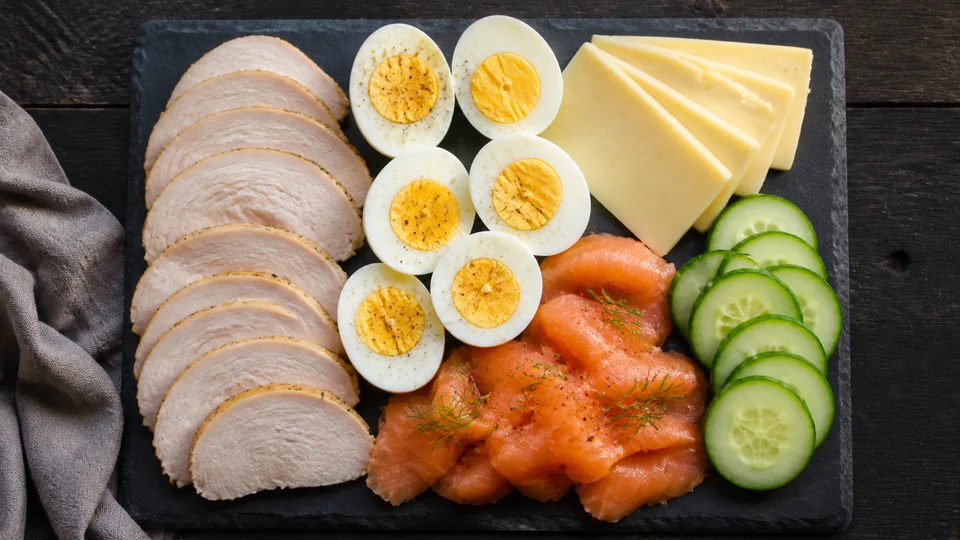
This guide helps readers translate an ambiguous search into a usable breakfast decision. It does not prescribe carbohydrate restriction, provide a medical target or promise weight, glucose, ketosis or performance outcomes. Pancake World is the single verified contextual body link.
| Guide sections |
|---|
| First correct the language |
| Use the complete plate as the unit |
| Egg breakfasts with transparent additions |
| Meat or poultry at breakfast |
For broader context, continue with American Breakfast: Pancakes, Diner Plates and Brunch.
First correct the language
“Non carb” is often used casually for a plate with eggs, meat or cheese and no toast. That description can hide several different questions. A grain-free meal can still contain carbohydrate from vegetables, dairy, sauces or prepared products. A meal called low carb may fit a personal threshold without being zero. A product with a zero value on a listed serving still has to be used on that same serving basis.
Write one sentence that states the actual goal. For example: “I am comparing total carbohydrate for the complete serving from current labels and authoritative composition records.” If the goal came from a clinician or dietitian, retain their exact instruction rather than simplifying it into an internet phrase.
The corrected sentence becomes the test for every component. It also tells you when this page is the wrong tool. A request about diabetes medication, pregnancy, an eating disorder, pediatric nutrition or another clinical issue needs individualized professional care, not a longer breakfast list.
Use the complete plate as the unit
Begin with the food that anchors the meal, but do not stop there. Record the cooking fat, dairy addition, vegetable, seasoning, condiment and drink. If a packaged wrap or meat alternative is used, take values from its current label and the intended amount. If an ingredient is unpackaged, choose the closest appropriate USDA FoodData Central record.
The serving on a Nutrition Facts panel may not match the serving on the plate. Convert or calculate from the real quantity. A tablespoon poured without measuring, a “splash” in coffee and a handful of cheese make a precise total impossible to reconstruct. Visibility is more useful than a complicated meal name.
Restaurant plates and catered breakfasts may remain unknown. A menu description rarely lists pan sprays, seasoning blends, pre-mixed eggs or marinades. Ask focused questions, but do not turn incomplete answers into exact numbers.
Egg breakfasts with transparent additions
Eggs can be cooked in many formats, and the format affects what must be recorded. A fried egg includes its pan fat. Scrambled eggs may include dairy or a liquid egg product. An omelet includes every filling and sauce. Hard-cooked eggs used later need a known safe storage path.
For a simple plate, choose one egg method, one clearly identified side and an optional condiment in a separate cup. Keeping additions outside the pan makes portions and substitutions easier to review. It also allows a shared household to serve toast or fruit to other people without changing the intended plate.
Use a complete cooking source for exact instructions. This page has no test record and supplies no universal time, temperature or doneness cue. Follow current food-safety guidance and the selected formula.
Meat or poultry at breakfast
A plain cut, cured slice, deli product and breakfast sausage are different foods. Cures, sugar, starch, glaze, seasoning and coating can change the carbohydrate information. Read the precise product rather than assigning one value to all bacon, sausage or ham.
At home, include marinades and cooking additions. At a restaurant, ask whether meat is glazed, breaded or prepared with a sauce. “Unbreaded” answers only one question and does not establish the rest of the recipe.
Pair the meat with eggs, a verified vegetable or another component that fits the written boundary. A non-carb label is not a reason to make the entire breakfast a very large meat portion. Portion, overall diet and personal suitability are outside the authority of a generic list.
Fish and seafood routes
Fish can be a morning food when the eater enjoys it and the product is handled safely. Canned, smoked, cured, fresh and leftover fish each need their own label or recipe review. A flavoured canned product may include sauce; a fish spread is a composite recipe.
For a cold plate, verify that the product is ready to eat and keep it under appropriate temperature control. For a hot breakfast, use a complete cooking method. Add eggs, a permitted vegetable or a separately checked condiment only when those items serve a clear purpose.
Do not use the presence of fish to imply heart, brain or fitness outcomes. Composition records can support nutrient research; they do not prove an individual result.
Dairy and cheese are product-specific
Cheese is often placed on non-carb lists as if every type were identical. Plain, processed, spreadable, shredded and flavoured products can have different formulations and serving information. Compare the exact package and amount.
Milk, cream, yogurt and cultured dairy are separate decisions. A small addition still belongs in the calculation. Plant-based alternatives are not automatic equivalents and may contain starches, sweeteners or other carbohydrate-containing ingredients.
If a dairy product is used for convenience, keep its label. If dairy is excluded for allergy, intolerance, vegan preference or another reason, apply that boundary separately. “Non carb” does not answer an allergen or ethical question.
Tofu and formulated alternatives
Plain tofu, marinated tofu and a plant-based breakfast sausage differ. Review ingredients, serving, sauces and preparation. A vegan claim does not establish carbohydrate content, while a carbohydrate value does not establish vegan or allergen status.
Use tofu as a savoury anchor with a complete preparation method. Pair it with a permitted vegetable or condiment after checking those ingredients. Avoid presenting it as nutritionally identical to eggs or meat; the page makes no equivalence claim.
Highly formulated substitutes can be useful to an individual, but they are not transparent from their category name. Keep the package available and recheck after a formulation change.
Vegetables in a lower-carbohydrate interpretation
If the real intention is low rather than zero carbohydrate, vegetables may fit within the person's defined boundary. Choose exact types and amounts, then use their composition values. Do not label them “free” or ignore them because the portion looks small.
Vegetables improve a breakfast culinarily by adding freshness, colour or contrast. Mushrooms and greens can accompany eggs; cucumber or radish can sit on a cold plate; peppers may work in a tofu dish. Those are menu observations, not health promises.
Manage water and workflow. Cook watery vegetables before adding them to eggs, drain cold items and keep dressed leaves separate from foods that should remain crisp. Follow safe handling guidance.
Drinks can change the answer
Coffee and tea are frequently described without their additions. Record milk, cream, plant beverage, sweetener, syrup and powder. A café recipe may be proprietary or variable, so a simple plain drink is easier when the carbohydrate boundary is exact.
Shakes and smoothies require a complete ingredient list and real amounts. Leaving out fruit does not make a shake non-carb. Powders, nut butter, dairy bases and flavourings still need review.
Water or an unsweetened drink can be the simplest companion. This is not hydration or medical advice.
Eight breakfast examples, each with a condition
Plain eggs with a measured cooking addition
This works only when the egg product, pan addition and seasoning are known. Any cheese, sauce or drink addition must be counted separately.
Egg and labelled meat plate
Use the current meat package, intended serving and a reliable egg method. Unknown restaurant sausage or glaze makes an exact total unknown.
Fish and egg breakfast
Confirm ready-to-eat status or cook the fish properly. Record brine, oil, sauce and seasoning. Maintain safe temperatures.
Tofu and mushroom skillet
Use the exact tofu product and cooking additions. Include mushrooms in a low-carbohydrate calculation rather than erasing them with the meal name.
Cheese and cooked-egg box
Pack safely stored eggs and a measured labelled cheese. Keep cold for the entire trip. Add a condiment only with its own data.
Leftover protein plate
Reconstruct the original recipe and serving. Unknown sauce or storage history is a stop condition, not a rounding opportunity.
Restaurant fallback
Choose the simplest adequately described plate, request sauces separately and accept unknown where details are missing. Do not certify a venue.
Low-carbohydrate vegetable plate
Use this only when the corrected goal permits it. Calculate the exact vegetables, eggs or tofu, dressing and beverage.
No grain is not the same as no carbohydrate
Removing toast, oats, potatoes, pancakes or fruit can reduce obvious carbohydrate sources, but it does not establish the final number. Dairy, vegetables, cured products, condiments and beverages remain. Name the meal grain-free only when that is the actual verified claim.
This distinction prevents needless restriction. Someone seeking a breakfast without bread may be satisfied by eggs with vegetables, a yogurt-style bowl or leftovers without needing a zero-carbohydrate rule. Answer the real intent rather than escalating the language.
It also improves search accuracy. Recipes and labels can be compared against a clear criterion; an undefined “non-carb” category cannot.
Shopping and substitution
Plan two or three breakfast formats, then buy exact products for them. Read labels before purchase. Keep seasonings and sauces on the list because they often create the missing information later.
When a product is unavailable, review the replacement from the beginning. Do not assume another flavour or brand shares the value. If the meal requires precision and no documented replacement exists, switch to a simpler format.
Avoid collecting specialty products solely because the front says low carb or keto. This page does not evaluate brands, prices, availability or product quality.
Read the label as a breakfast builder
Start with the serving size, then compare it with the amount that will actually be eaten. A package can list a small serving even when the breakfast uses two or three times that amount. Multiply all relevant figures consistently; do not enlarge the carbohydrate figure while leaving the serving, energy or other context unchanged. If a package contains several servings, the front image is not a portion instruction.
Next, identify whether the number applies to the product as sold or after preparation. A dry mix, a prepared patty and a cooked serving may have different reference amounts. Added milk, sauce or cooking ingredients do not disappear because the principal item has a label. Write them beside the principal item and calculate the combined plate.
For unpackaged food, use a composition record that matches the ingredient and its state as closely as possible. Raw and cooked weights are not casually interchangeable because water gain or loss changes the weight of a serving. If the database entry is ambiguous, choose a clearer food rather than producing false precision. A plain egg breakfast is easier to explain than an unidentified café omelette containing an unknown filling and cooking fat.
Marketing terms require separate attention. “No added sugar” does not mean carbohydrate-free. “Keto” is not a universal numerical guarantee. A product name containing “protein” tells you nothing reliable about the complete carbohydrate amount. The nutrition panel, ingredient list, serving and the user's defined limit have to agree.
Handle restaurant and hotel breakfasts honestly
Away from home, the safest factual answer is often that an exact number is unavailable. Ask for a plain preparation and clarify the obvious additions: whether eggs contain milk, whether meat is glazed, whether butter or oil is used, and whether sauce arrives on the plate. Staff may be able to answer ingredient or allergen questions, but they should not be pressed to invent a nutrient calculation.
A hotel buffet can still support a lower-carbohydrate choice. Select identifiable items one at a time, such as plain cooked eggs, an uncoated protein and an unsweetened drink, while recognizing that shared utensils and kitchen practices may matter for allergies or medically necessary restrictions. Skip mysterious casseroles, dressings and mixed dishes when their composition cannot be established. That is uncertainty management, not proof that the remaining plate is zero carbohydrate.
At a café, customization can make the answer clearer. Order sauce on the side, decline an unknown garnish and request an unflavoured drink. If the establishment publishes current nutrition information, use the record for the exact item and options ordered. If it does not, describe the meal qualitatively and leave the number open.
Travel adds a second constraint: availability. Keep one backup that matches the actual rule and can be verified locally, such as a sealed labelled item. Do not prescribe a specific brand across countries because formulations and labels can change. The durable skill is reading the local package, not memorizing a product list.
Separate a strict zero claim from a practical low-carbohydrate plate
The strictest interpretation narrows breakfast quickly because seasonings, dairy products, processed meats and plant foods can all contribute some carbohydrate or create label-specific uncertainty. A practical lower-carbohydrate interpretation may allow carefully counted vegetables, cultured dairy, nuts or seeds. These two plates should not share the same headline claim.
Write the boundary in one sentence before planning: for example, “I am selecting foods whose complete labelled serving fits my defined carbohydrate allowance.” That wording is more defensible than calling an attractive plate “carb free.” It also makes substitutions possible. A food either fits the written allowance in its intended amount or it does not.
The boundary should cover condiments and drinks. Mustard, mayonnaise, hot sauce, flavoured coffee additions and electrolyte products vary by formula. Some will fit a particular limit; others will not. Checking only the eggs or meat creates an incomplete answer. Water, plain tea or plain coffee may make the drink decision simpler, but preparation details still matter.
This distinction also prevents vegetables from becoming a semantic argument. Under a strict zero claim, they generally complicate the claim. Under a defined lower-carbohydrate plan, a measured portion may be included and counted. The right answer depends on the boundary, not on whether a food is culturally associated with breakfast.
Make a seven-minute fallback
For a rushed home breakfast, choose one plainly identified central food, one optional labelled accompaniment and a drink. Cook eggs in a known amount of fat, reheat a safely stored leftover protein, or open an appropriate labelled item. Put sauce on the side until its serving has been checked. This stripped-back format reduces hidden ingredients without pretending that speed establishes nutritional quality.
Keep the fallback ingredients in consistent places. The purpose is not meal-prep theatre; it is avoiding an improvised pastry, sweetened drink or unverified takeaway when the morning becomes crowded. Replace used shelf-stable items and date refrigerated leftovers. If the only available option cannot meet the strict rule, acknowledge the mismatch instead of relabelling it.
A fallback also needs an exit. It should not become a monotonous permanent menu by accident. Review the wider eating pattern, variety and individual context with appropriate professional support when restriction is sustained. Breakfast terminology should clarify a choice, not override health needs.
Food safety remains independent
Eggs, meat, fish, tofu and dairy can be perishable. Carbohydrate content does not change their handling requirements. Use complete cooking sources, current storage guidance and appropriate temperature control.
Label prepared portions and keep their identity. If a leftover container cannot be dated or reconstructed, discard the numerical claim and make a safe decision based on official guidance. Do not use smell alone to prove safety.
For packed breakfasts, include commute and delayed eating in the cold-chain plan. A decorative lunchbox is not a validated holding method.
When to seek individual advice
If carbohydrate restriction is being used for diabetes, epilepsy, pregnancy, medication management, athletic goals or another health context, use an appropriately qualified professional. The definition, portion and monitoring needs can be individual.
Seek help when the rule is causing distress, social isolation, inadequate variety or repeated uncertainty. Adding more internet exclusions is not a solution. A professional can help translate the real goal into a workable plan.
This article can support accurate questions: What is being counted? Which serving? Which product? What remains unknown? It cannot supply a diagnosis or therapeutic answer.
Frequently asked questions
Is non-carb an official food category?
This guide treats it as imprecise search language. Rewrite it as zero, low, grain-free or another defined criterion.
Can vegetables be included?
They may fit a defined lower-carbohydrate plan, but their exact type and amount should be counted. They do not fit an unqualified zero claim by default.
Are eggs enough for breakfast?
That is an individual meal and adequacy question. This page only explains how to account for the complete egg preparation.
Are keto-labelled foods non-carb?
Not automatically. Read the current full label and compare it with the actual boundary.
Does this article offer medical advice?
No. It explicitly avoids therapeutic targets and outcomes.
Prepare a two-component breakfast safely
The strictest practical plate may use one plainly identified central food and one checked accompaniment. Cooked eggs with a measured fat, or an uncoated cooked protein with an unsweetened drink, are easier to account for than a mixed skillet. Exact suitability still depends on the defined rule and preparation.
Keep seasonings simple and visible. Pepper, spice blends, sauces and cured products can introduce label-specific carbohydrate or uncertainty. If the claim must be strict and the product cannot be checked, omit it rather than guessing.
Simple does not mean universally adequate. The meal's nutritional suitability and the reason for restriction require individual guidance outside this article.
Distinguish naturally occurring traces from label rounding
A nutrition panel may display zero at the labelled serving under applicable rounding rules while the food is not chemically devoid of carbohydrate. Increasing the serving can also change the practical total. Do not convert “0 g” on one line into “contains none under all conditions.”
Read serving size, ingredient list and preparation directions together. A cooking spray, processed meat or cheese can show a rounded value at a small serving while the actual breakfast uses more. This guide does not calculate below-label values without product evidence.
When the boundary is medically important, ask a qualified professional how label rounding should be handled. A generic article should not invent a precision the manufacturer does not provide.
Batch-cook the central item, not the entire claim
A household may cook eggs, meat, fish or another suitable component in advance only through a complete safe method. Cool, portion, label and store it according to the food. In the morning, add only products checked for that serving.
Do not label a batch “zero carb” when sauce, seasoning, glaze or later additions can change it. Label the actual food: “plain cooked chicken, date,” for example. The breakfast claim is evaluated at assembly.
Freeze only when the food and method support it. Reheating must address the centre of the portion, not merely warm the plate edge.
Navigate family breakfast respectfully
Cook the plain central component before adding a shared sauce or carbohydrate-containing side. Serve bread, fruit, vegetables or potatoes separately for others. This can reduce work without putting the whole family on a restrictive rule.
Keep distinct utensils where medically necessary, but remember that separation on the table does not solve all cross-contact. Ask about individual needs and use appropriate controls.
Do not describe other family members' food as bad carbs or treat the strict plate as more disciplined. The terminology here is an accounting boundary, not a moral ranking.
Recognize the social limit of exactness
At a friend's home, restaurant or conference, exact ingredient and serving evidence may not exist. Ask specific questions, choose plain identifiable food and avoid a numerical claim. It is acceptable to say “this appears lower carbohydrate, but the exact amount is unknown.”
Carry an appropriate sealed backup when the restriction is important and the setting permits it. Read the current label. Avoid asking a host to guarantee zero when their kitchen cannot provide that evidence.
If the rule makes ordinary eating consistently impossible, seek individualized support. More rigid online lists will not resolve a medical or nutritional planning problem.
Compare non-carb language with grain-free and sugar-free
Grain-free excludes a category of ingredients but may include fruit, dairy, vegetables or sweeteners containing carbohydrate. Sugar-free can describe a regulated label claim or casual recipe language and does not necessarily mean zero total carbohydrate. No-added-sugar addresses additions, not all carbohydrate.
These terms therefore cannot substitute for one another. A grain-free muffin, sugar-free yogurt or no-added-sugar drink still needs its complete label and serving reviewed against the chosen boundary.
Write the precise criterion on the shopping list. This prevents a front-of-pack phrase from silently changing the breakfast plan.
Build a question list for professional guidance
Ask what carbohydrate definition and threshold should be used, whether label rounding matters, how breakfast fits the whole diet and which symptoms or monitoring require attention. Bring the exact products and portion records rather than a vague list of “safe foods.”
Clarify whether vegetables, cultured dairy, seasonings or medicines and supplements need separate accounting. Do not change prescribed treatment in response to an editorial breakfast guide.
The answers can turn an impossible “non-carb” request into a precise, sustainable criterion. This page helps formulate those questions; it cannot supply the individualized decision.
Create an exit from repetitive plain plates
Vary cooking method and seasoning only within the evidence boundary. Eggs may be boiled, scrambled or baked through complete methods; plain proteins may be served warm or cold under appropriate handling; a lower-carbohydrate interpretation may permit measured vegetables.
If strictness removes all variation and causes distress or poor intake, seek qualified help. The solution is not to add unverified processed products under a zero-looking label.
Explore related Pancakes World guidance on American Pancakes, Maple Syrup, and Maple Syrup Pancakes.
Sources and editorial references
- USDA FoodData Central, ingredient identity and composition records:
https://fdc.nal.usda.gov/ - U.S. Food and Drug Administration, using the Nutrition Facts label:
https://www.fda.gov/food/nutrition-facts-label/how-understand-and-use-nutrition-facts-label - FoodSafety.gov, food-safety charts:
https://www.foodsafety.gov/food-safety-charts