No cook low carb breakfast
At Pancakes World, a no-cook low-carb breakfast starts with two separate decisions. “No cook” means the food can be eaten without cooking in your kitchen; it does not mean that refrigeration, washing, draining or safe transport can be ignored. “Low carb” needs a defined limit and serving basis. Once those boundaries are written down, build a plate from an exact ready-to-eat protein or dairy/plant alternative, vegetables or another permitted produce component, a measured fat-rich addition if wanted, and a condiment whose label has been checked.
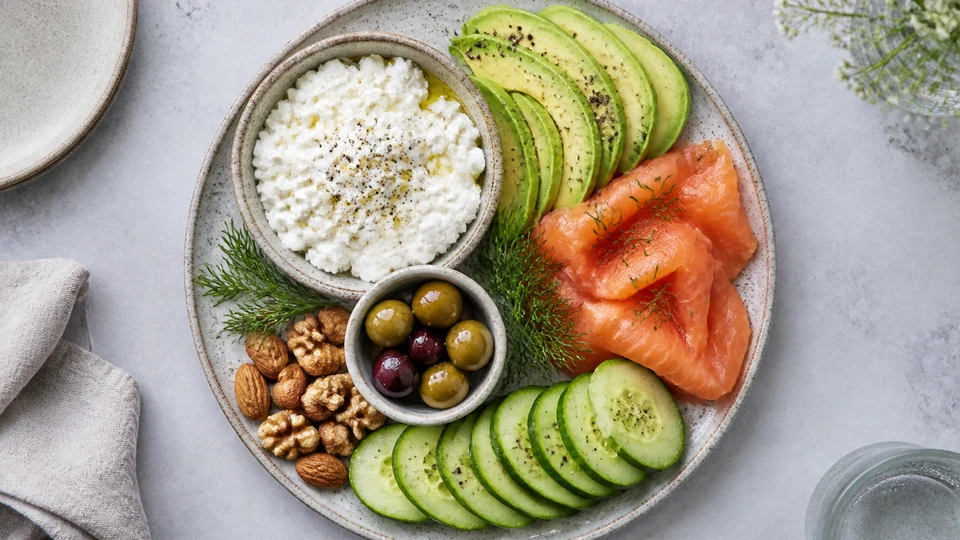
This is a label-reading and breakfast-assembly guide, not a therapeutic diet or a universal carbohydrate target. It does not promise weight loss, glucose control, ketosis or another health outcome. Pancake World is the only contextual destination asserted as published in this package.
| Guide sections |
|---|
| Define “low carb” before choosing breakfast |
| What genuinely counts as no-cook |
| A dairy or plant-based bowl |
| Eggs without morning cooking |
For broader context, continue with American Breakfast: Pancakes, Diner Plates and Brunch.
Define “low carb” before choosing breakfast
Low carb is not useful as a private rule unless the person following it knows what is being counted. Write the intended carbohydrate boundary, whether it applies to the complete meal or each component, and whether the calculation uses total carbohydrate from the Nutrition Facts label or another instruction supplied by an appropriate professional. Do not copy a number from an unrelated menu and assume it fits a medical condition, training plan or personal energy need.
Serving size matters. A package may show values for a portion smaller or larger than the amount you intend to eat. Compare products on the same basis, then calculate the amount actually placed in the bowl or box. Condiments, drinks, flavoured dairy products, plant beverages, sweeteners and toppings belong in the same count. Auditing only the eggs, cheese or meat at the centre of the meal can miss much of what was added around it.
For unpackaged ingredients, USDA FoodData Central can support composition research. Use the entry that matches the ingredient and form as closely as possible, record the amount, and keep uncertainty visible. A generic database value does not certify a restaurant plate or a branded product with a different recipe. When exactness is important and adequate information is unavailable, choose a better-documented food rather than writing “probably low carb.”
What genuinely counts as no-cook
A food is no-cook for this guide when it is ready to eat as purchased or was previously cooked, cooled and stored through a known safe process. Those categories are not interchangeable. A hard-cooked egg sold as ready to eat may be assembled directly; a raw egg cannot. A refrigerated leftover may avoid new cooking, but only when its identity, preparation date and storage history are known. An unopened package still needs its handling directions followed.
Washing and cutting vegetables, draining a product, measuring a serving and assembling a bowl are preparation even though they add no heat. Include those tasks in the morning estimate. A “two-minute breakfast” that requires ten minutes of knife work is not truly quick. If speed matters, prepare permitted vegetables under a supported storage plan or buy a ready-to-eat form whose label and condition can be checked.
Cold food remains temperature-sensitive. A breakfast packed for work must stay within appropriate temperature control for the entire journey and any delay before eating. An insulated container is a tool, not proof that every food stayed safe indefinitely. Consult current FoodSafety.gov guidance for the selected items and discard food when its storage history cannot be established.
A dairy or plant-based bowl
Plain yogurt, cottage cheese or a suitable plant-based product can provide the centre of a no-cook bowl. The category name does not establish carbohydrate content. Flavoured varieties, thickeners, fruit preparations and sweeteners vary, while plant-based alternatives may differ greatly from one another. Read the current label for the exact tub and serving. If allergens or vegan status matter, inspect the complete ingredient and allergen information rather than relying on where the product sits in the store.
Keep additions measurable. Nuts, seeds, coconut, nut or seed butter, berries and spices can all change the bowl, but none should be treated as invisible. Portion each chosen addition before stirring. This makes the carbohydrate calculation traceable and prevents the bowl from growing through several “small” handfuls. It also makes substitutions easier to review when the usual product is unavailable.
Texture improves when every addition has a job. Use one crunchy element rather than several competing ones. Add watery fruit or thawed ingredients close to eating, or carry them separately, so the base does not become thin during transport. Cinnamon, unsweetened cocoa or citrus zest may change aroma without turning the bowl into a dessert formula, but the exact packaged ingredient still needs checking where the personal plan demands it.
For a savoury version, combine a verified plain base with cucumber, herbs, pepper or another permitted vegetable. Drain wet vegetables before packing and keep oil or dressing in a small separate container. Do not describe the result as probiotic, anti-inflammatory or metabolically superior without route-specific evidence. It is simply a cold breakfast format that can be evaluated against the written carbohydrate boundary.
Eggs without morning cooking
Previously cooked eggs can be practical only when the cooking and storage path is known. Commercial ready-to-eat eggs should be handled according to their package. Home-cooked eggs require an appropriate cooling and refrigeration plan; this page does not invent one. If the date or temperature history is uncertain, choose another breakfast.
Build an egg plate with crisp vegetables, a labelled cheese if included, and a measured condiment. Mustard, mayonnaise, hot sauce, relish and seasoning blends can contain ingredients that matter to the count or dietary boundary. Check the actual product. Place the condiment in a cup rather than spreading it over everything before transport; the vegetables stay crisper and the amount remains visible.
Egg salad is a composite food, not “just eggs.” Its complete ingredient list and preparation history determine whether it fits. Use a documented formula and calculate the intended serving from its real components. Keep it cold and do not rely on smell or appearance as a safety test. For a portable breakfast, pack it in a secure container and carry lettuce cups, vegetable sticks or another permitted base separately.
Someone avoiding eggs can use a genuinely ready-to-eat tofu or another documented alternative, but the substitution needs its own label and handling review. Tofu varies by firmness, seasoning and packaging. Drain it when required, keep sauce controlled and do not assume that a plant-based replacement has the same carbohydrate value or allergen profile as eggs.
Cheese, vegetables and a cold breakfast box
A breakfast box is useful because every portion remains visible. Choose one substantial component, two vegetables with different textures, and one accent such as olives, nuts, seeds or a dip. More compartments do not automatically make the meal better. A small, coherent box is easier to pack, count and eat than a collection of unrelated snacks.
Cheese products differ in ingredients, serving sizes and carbohydrate declarations. Compare the intended amount, not only the number printed for the listed serving. Processed slices, spreads and flavoured cheeses may not match a plain cheese. If dairy is excluded, verify the complete alternative product; “plant-based” does not guarantee a particular macro profile or freedom from allergens.
Good vegetable candidates are those the eater actually enjoys cold and can prepare safely: cucumber, peppers, radishes, celery, tomatoes, leafy cups or leftover cooked vegetables with a known storage history. Watery tomato can be carried whole or separated. Leafy vegetables should be clean and dry before they line a container. A dip belongs in its own sealed cup so the intended portion and ingredients remain clear.
Add nuts or seeds only when they suit the person's allergies and carbohydrate plan. Measure them rather than filling empty space automatically. Their small physical volume can make an unmeasured portion difficult to reconstruct later. Keep the original package information when a precise calculation matters.
Avocado as a cold breakfast anchor
Avocado can supply a creamy centre to a cold plate, lettuce wrap or vegetable bowl. It is not automatically a complete breakfast and this article assigns it no health outcome. Pair it with another verified component if the eater needs a more substantial meal, then calculate the exact foods and portions rather than treating “avocado breakfast” as a nutrient value.
Cut avocado close to eating when appearance and texture matter. For travel, pack it in a protected container and keep wet seasonings separate until assembly. Acidic juice may alter flavour and surface appearance, but this page makes no tested holding-time promise. If advance preparation is essential, use a complete source that documents the method.
For an avocado lettuce wrap, dry the leaves, keep filling portions small enough to fold, and carry sauce separately. For a bowl, combine avocado with crisp vegetables and a verified ready-to-eat component. Avoid adding several creamy foods at once; the bowl benefits from contrast. Salt, spice mixtures and bottled sauces still need product-level review.
Fish, meat and ready-to-eat products
Cold fish or meat can appear at breakfast only when it is genuinely ready to eat or was cooked and stored through a known safe process. The words smoked, cured or sliced do not by themselves establish handling, allergen or carbohydrate details. Read the package and follow its directions. A product requiring further cooking is not converted into a no-cook option by serving it cold.
Use these foods as defined portions, not as a reason to ignore the rest of the plate. Pair a verified item with vegetables, an egg, cheese or another permitted component according to preference. Review glazes, marinades, cures and sauces: the underlying category may be low in carbohydrate while a prepared version differs.
For roll-ups, place a dry vegetable or a measured spread inside a slice and keep the build small enough to hold together. For a breakfast box, protect ready-to-eat items from leaking vegetables and use separate utensils when cross-contact matters. This is a convenience format, not an endorsement of a brand or a claim that processed products are preferable.
Restaurant leftovers require more caution than an unopened labelled product because the full recipe and storage history may be unclear. If exact carbohydrate information or safe handling cannot be established, leave the item out of a strict plan.
Nut and seed breakfasts
Nuts, seeds and their butters are easy to serve without cooking, but “easy” should not mean unmeasured. Use a portion that fits the written plan and retain the relevant label. Sweetened, flavoured or combined spreads can differ from a plain product. Seed butters may be useful for some peanut-free households, yet they still require their own allergen and ingredient check.
A nut or seed cup is usually more usable beside another component than as a large bowl on its own. Pair it with a verified yogurt-style product, vegetables, eggs or another suitable food. For a spread-and-vegetable plate, keep the spread in a cup and choose sturdy dippers. For a spooned topping, measure before adding it to avoid losing track of the portion.
Avoid describing nuts or seeds as a guaranteed protein solution, blood-sugar tool or weight-loss food. Composition can be researched, but an outcome depends on the whole diet and individual context. This guide stays with assembly and label comparison.
Drinks and the overlooked carbohydrate count
Coffee and tea can collect carbohydrate through milk, plant beverage, sweetener, flavoured syrup, creamer or powdered mix. Record every addition. A café drink with an unknown recipe cannot be treated as equivalent to plain coffee. If exactness matters, order a simple drink with clear components or prepare it from labelled products.
Smoothies are often called no-cook, but they can concentrate several ingredients and are difficult to estimate after blending. Use a complete, measured formula if a smoothie fits the plan. Do not add fruit, yogurt, nut butter and milk by eye and then infer a carbohydrate value from the cup's appearance. Blenders also add cleanup, noise and equipment time, so a smoothie may not meet the practical meaning of easy.
Water, sparkling water or an unsweetened drink can be the simplest companion. This is a service suggestion, not a hydration prescription.
Five portable combinations to evaluate
Savoury yogurt box
Pack a verified plain yogurt-style product, drained cucumber, herbs and a measured seed portion. Keep oil or dressing separate. This works when the eater likes a cool savoury breakfast and the container can remain refrigerated. It does not work when the product's carbohydrate value, allergen status or cold chain is unknown.
Egg and crisp-vegetable plate
Use safely stored cooked eggs, peppers or cucumber, a labelled cheese if wanted, and a condiment cup. The box is easy to audit because each item is visible. Avoid pre-dressing the vegetables or allowing the condiment to leak across the container.
Avocado lettuce wraps
Carry dry lettuce leaves, avocado, a verified protein component and seasoning separately, then assemble shortly before eating. The format protects texture better than packing filled leaves for a long wait. No storage duration is claimed here.
Tofu cucumber bowl
Choose a tofu product intended for the planned use, drain it as directed, and combine it with cucumber, herbs and a measured dressing. Review the sauce and tofu labels independently. Keep the bowl cold.
Cheese, olive and vegetable box
Portion the exact cheese, olives and two vegetables. Add nuts or seeds only if they fit and are safely identified. This box is compact, but its nutrition values still come from the selected products and amounts, not from the name of the format.
A quick label audit
Before assembling, confirm the listed serving size and the amount you will actually eat. Read total carbohydrate on the Nutrition Facts label, then inspect the ingredient and allergen information. Repeat the check for dressings, sauces and beverages. If the package changed, use the new information rather than an old note or online image.
For a household with different needs, label each container and do not swap lids or utensils casually. A meal fitting one person's low-carb rule may not fit another person's allergy, vegan preference or medical plan. Keep those boundaries separate.
Troubleshoot the finished breakfast
If the meal is technically within the written carbohydrate boundary but unsatisfying to eat, diagnose the format rather than adding random extras. A bowl may need crunch; a vegetable box may need a more substantial verified centre; a lettuce wrap may be too wet to hold; a dense nut portion may need a fresh, crisp companion. Change one feature and recalculate the exact addition.
If mornings repeatedly run late, count the real tasks: locating packages, reading labels, washing produce, cutting, draining, portioning, packing and cleaning. Move only safe, well-documented preparation earlier. Another solution is to reduce the number of compartments. One yogurt-style bowl with measured additions can be easier than five separate snack items, while one egg-and-vegetable box may be clearer than several roll-ups and dips.
If the carbohydrate total cannot be reconstructed, the problem is usually an unmeasured topping, an unknown restaurant or deli product, a drink addition, or a serving larger than the label basis. Do not “correct” the result by guessing. Record what is known, treat the meal as unverified for exact counting, and choose more transparent components next time.
Finally, separate appetite feedback from medical conclusions. A person may prefer a larger or smaller cold breakfast, a warmer meal later, or a different texture. That preference can guide the next assembly. It does not prove that a carbohydrate level is therapeutic or that the meal produced a physiological outcome.
Frequently asked questions
Is fruit allowed in a no-cook low-carb breakfast?
That depends on the written carbohydrate boundary, the exact fruit, amount and the rest of the meal. This article does not create a universal allowed list. Use an authoritative composition record and individual guidance where needed.
Are “keto” products automatically suitable?
No. Read the current complete label and compare it with the actual plan. Front-label wording is not a substitute for product-specific information, and this page does not evaluate brands.
Can leftovers count as no-cook?
Only when they are ready to eat cold or have a supported reheating route, and their identity and storage history are known. “No cooking this morning” does not erase earlier handling.
Is this a meal plan for diabetes?
No. Diabetes management is individualized and can involve medication, meal timing and clinical targets. Use an appropriate healthcare professional for personal advice.
Can I prepare the box the night before?
Only when every selected component has a supported storage path. Keep wet elements separate where quality matters and follow current official food-safety guidance.
Before leaving the kitchen, look at the meal as a whole. If every component is salty, rich or soft, the plate may be technically within the chosen boundary yet unappealing to finish. A crisp permitted vegetable, a different temperature or a separate unsweetened drink can improve contrast without turning breakfast into another recipe project.
Keep one clean utensil for each communal spread at a shared table. That small setup protects the product from crumbs and reduces accidental cross-contact. Anyone managing an allergy needs product-specific and kitchen-specific controls beyond the general low-carbohydrate plan described here.
Build a hotel-room breakfast without a kitchen
Start with products whose labels can be read and whose storage fits the room. A sealed cultured product or alternative, cheese, prepared eggs, fish, meat, tofu, nuts or seeds may be available in some places, but formulas, allergens and refrigeration needs vary. This page does not endorse products or assume international availability.
Add a fresh item that fits the person's defined carbohydrate boundary, such as a measured vegetable portion, only after counting it. Use plain water, tea or coffee with documented additions. Hotel condiments and flavoured creamers are still ingredients.
If the room lacks reliable refrigeration, buy only what can be consumed safely at that meal or select appropriate shelf-stable items. A minibar temperature should not be assumed suitable without evidence.
Make a desk breakfast with real cold control
Pack perishable food in an appropriate insulated carrier with a cold source and transfer it to a refrigerator promptly when available. Store crisp vegetables and wet components separately. Bring a plate or bowl rather than eating indefinitely from several packages.
The desk version might include a labelled cultured base with seeds, a cheese-and-vegetable plate, or another verified combination within the chosen limit. Calculate the actual portion. Pre-portioned convenience packs may simplify counting but are not automatically lower carbohydrate.
Clean the shared surface before eating and protect colleagues with allergies from open nuts or other problematic foods. Workplace rules and consideration matter alongside the meal plan.
Use seasonal produce without turning the plate into a salad bar
When a lower-carbohydrate plan includes vegetables, choose one or two that are fresh and easy to eat raw: cucumber, pepper, tomato, radish or leafy items may fit depending on the defined allowance. Measure the portion when precision matters.
Pair crisp produce with a substantial no-cook component and one dressing or spread. Four vegetables, three dips and several garnishes create a bulky prep session even without heat. Keep washing and cutting realistic.
Seasonal availability and composition differ. Use a suitable data source for the exact food and serving, not a generic “free vegetable” list.
Prepare the refrigerator shelf the night before
Group the next breakfast without opening or leaving food out. Put the base product, vegetable and condiment in one visible zone, with the serving container nearby. Write the planned portion on a note if needed.
This takes less time than assembling the entire plate and protects crispness. In the morning, wash or cut produce as appropriate, measure the cold components and return packages immediately.
Keep raw ingredients and ready-to-eat breakfast separated according to good kitchen practice. A dedicated shelf area is an organizational tool, not permission to ignore packaging or cross-contact.
Recognize when no-cook is no longer convenient
A meal with eight opened packages, chopped garnish and three sauces may require more cleanup than one pan. If assembly regularly becomes elaborate, reduce the options or choose a simple cooked breakfast on days when equipment is available.
No-cook also fails when the chosen cold food is unappealing in winter or difficult to transport. A thermos food container filled through a safe complete method may suit another day, although that is outside the no-cook format.
The objective is a breakfast that meets the person's explicit carbohydrate boundary and morning constraints. The label “no-cook” should not override appetite, safety or individual guidance.
Assemble a breakfast from a grocery stop
Begin in the refrigerated section only if the food can be kept cold until eating. Choose one plainly labelled central item, then one crisp produce component and a drink. Read the serving before putting multi-serve packages into the basket.
Avoid buying a collection of snack products that all serve the same role. Cheese, nuts, processed meat and dips can create four dense salty components without a coherent plate. Select one, then add contrast within the person's carbohydrate boundary.
At checkout, keep cold food together for prompt transport. Do not leave it in a warm vehicle while completing other errands. When immediate safe storage is unavailable, choose appropriate shelf-stable products or wait.
Handle opened packages through a short plan
Write how the remaining yogurt, cheese, tofu, vegetables or prepared protein will be used. A large package may supply tomorrow's breakfast or another meal, provided its storage directions support it. Portion from a clean package with clean utensils.
Do not eat directly from a shared container if it will return to the refrigerator. Prevent crumbs and saliva from entering spreads or cultured products. Date items when the original opening information will otherwise be lost.
The easiest no-cook routine uses products before opening new ones. Inventory is part of assembly, especially when several small cold foods can disappear at the back of a shelf.
Explore related Pancakes World guidance on American Pancakes, Maple Syrup, and Maple Syrup Pancakes.
Sources and editorial references
- USDA FoodData Central, ingredient composition records:
https://fdc.nal.usda.gov/ - U.S. Food and Drug Administration, using the Nutrition Facts label:
https://www.fda.gov/food/nutrition-facts-label/how-understand-and-use-nutrition-facts-label - FoodSafety.gov, food-safety charts:
https://www.foodsafety.gov/food-safety-charts