Most healthy breakfast
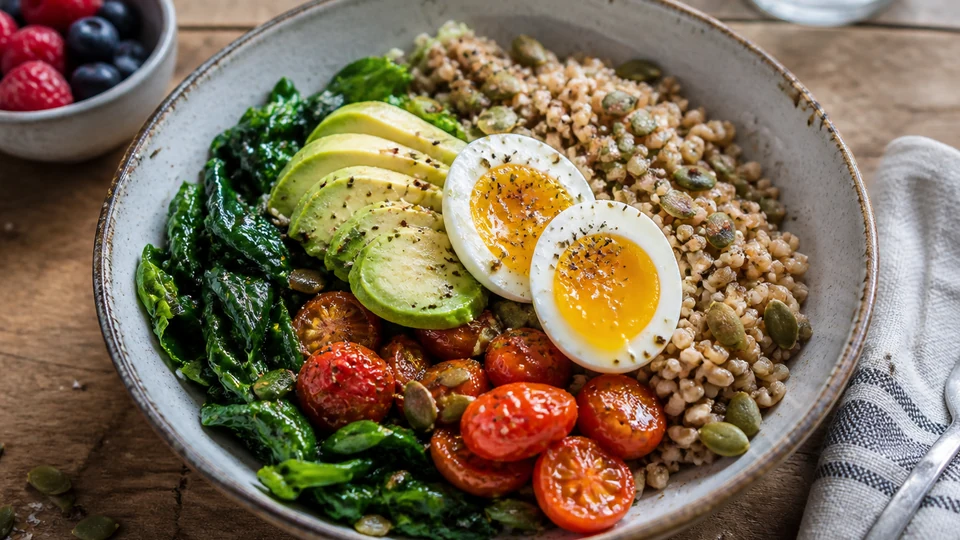
At Pancakes World, there is no single most healthy breakfast for everyone. A strong Canadian breakfast usually combines vegetables or fruit, a whole-grain food, and a protein food, with water as the default drink; the amount and exact foods depend on the eater. Oatmeal with berries, nuts, and plain yoghurt; eggs with vegetables and whole-grain toast; or tofu, vegetables, and a whole grain can all match that pattern. Use Canada’s Food Guide plate as a reference: roughly half vegetables and fruit, one quarter whole-grain foods, and one quarter protein foods. Compare packaged ingredients by equal serving size, then check fibre, sodium, sugars, and saturated fat instead of trusting a “healthy” claim on the front.
For broader context, continue with Healthy Pancake Guides.
Why one breakfast cannot win for everyone
The query asks for a superlative, but a responsible answer needs criteria. A bowl of oats may suit one person and conflict with another person’s allergy, appetite, medical plan, culture, or available time. An egg plate may be convenient for one household and unsuitable for someone who avoids eggs. A breakfast that works before a quiet office morning may be too small for a long shift or athletic training.
Canada’s Food Guide is designed for people in Canada aged two and older, but it does not prescribe one breakfast. Its plate is a reference tool for meals and snacks, including breakfast and mixed dishes. It also states that the pictured food amounts do not show how much a person must eat at one time.
Therefore, “most healthy” is best translated into a comparison question:
Which breakfast candidate gives this eater a practical mix of vegetables or fruit, whole grains, and protein foods, with few unnecessary sources of sodium, sugars, and saturated fat?
This page compares candidates using that question. It does not calculate an invented health score, perform nutrient analysis, or promise weight loss, stable blood sugar, energy, concentration, fullness, or disease prevention. Pancake World has no project-owned test record for the meals.
The six comparison criteria
Criterion 1: vegetables and fruit are substantial, not decorative
Canada’s Food Guide plate uses half the meal for vegetables and fruits. At breakfast, that could be berries filling half an oatmeal bowl, apple beside peanut-butter toast, vegetables in an omelette plus fruit, or a generous vegetable portion in a tofu skillet.
The proportion is a visual reference, not a command to weigh food. Fresh, frozen, canned, and dried forms can fit. When using packaged fruit or vegetables, compare added sodium and sugars.
Potato appears among vegetables and fruit on the current Canadian plate example, unlike some other national systems. That does not mean every fried potato breakfast automatically fills the produce half; cooking method and the rest of the plate still matter.
Criterion 2: the grain is actually whole grain
Whole-grain foods retain the bran, endosperm, and germ. Health Canada warns that “multigrain” and “organic” do not necessarily mean whole grain. In Canada, even 100% whole-wheat bread may have much of the germ removed; it can still provide fibre compared with white bread, but it is not necessarily whole grain.
Look for “whole grain” followed by the grain name among the first ingredients. Breakfast candidates can use rolled oats, whole-grain bread, barley, quinoa, brown rice, buckwheat, or other whole grains.
A meal does not need both oats and toast merely to score better. One coherent whole-grain component is enough for the comparison.
Criterion 3: a protein food is easy to identify
Protein foods in the guide include beans, lentils, tofu, nuts, seeds, eggs, yoghurt, fish, chicken, and meat. Health Canada encourages choosing plant-based protein foods more often, not excluding every animal food.
At breakfast, the anchor might be:
- plain yoghurt and nuts
- egg
- beans or lentils
- tofu
- peanut, almond, or seed butter
- fish
- leftover poultry or meat
A tiny seed garnish on a large sweet pastry is not equivalent to a deliberate protein component. Examine the complete serving.
Criterion 4: sodium, sugars, and saturated fat are controlled
Health Canada recommends choosing foods with little to no added sodium, sugars, or saturated fat. The Nutrition Facts table helps compare packaged cereal, bread, yoghurt, plant beverages, frozen sandwiches, nut butter, and meat products.
Begin with serving size. Then use percent Daily Value: 5% DV or less is a little, while 15% DV or more is a lot. Compare similar products in similar amounts.
This does not create a rule that every component must show 5% or less. A meal is a combination, and individual medical plans differ. The tool helps expose trade-offs.
Criterion 5: the drink supports rather than replaces the meal
Canada’s Food Guide makes water the drink of choice. Plain milk or a fortified unsweetened soy beverage may also contribute protein foods, but a sweet drink should not silently become the largest breakfast component.
Smoothies require a complete-ingredient audit. Fruit, vegetables, plain yoghurt, milk or fortified soy beverage, nut butter, and oats create a different drink from juice, syrup, and sweetened frozen dessert. A blender does not make every ingredient equivalent to whole produce.
Criterion 6: the meal is practical and culturally acceptable
Health Canada explicitly includes culture, enjoyment, mindful eating, cooking, and eating with others in healthy-eating guidance. A comparison that ignores culture and feasibility is incomplete.
Soup, rice and fish, beans and corn, flatbread and lentils, or leftovers may be breakfast. Conventional cereal is not required. The stronger candidate is one the eater can prepare, afford, store safely, and enjoy without pretending it is the only correct menu.
Candidate 1: oatmeal with berries, nuts, and plain yoghurt
What works
Rolled oats provide a whole-grain base. Berries supply fruit, while nuts and plain yoghurt supply protein foods. Water or milk can cook the oats.
The meal can visually approach the Food Guide plate by making fruit a generous part of the bowl rather than a spoonful on top.
What to check
Flavoured instant oats may contain sugars and sodium. Sweetened yoghurt changes the sugar profile. Granola can add more sugar and saturated fat than expected. Compare serving sizes and %DV rather than calling every oat product equivalent.
Best repair
Start with plain oats, add fresh or frozen fruit, then use plain yoghurt and unsalted nuts. Add cinnamon or vanilla for flavour. If the eater avoids dairy, compare fortified alternatives for protein and nutrients instead of assuming every plant yoghurt is equivalent.
Verdict
This is a strong, adaptable candidate, but not a universal winner. It may not suit oat allergy, dairy restrictions without adjustment, low appetite, or a prescribed carbohydrate plan.
Candidate 2: eggs, vegetables, and whole-grain toast
What works
Egg is a clear protein food. Tomatoes, mushrooms, peppers, spinach, and fruit can fill the produce side. Whole-grain toast supplies the grain component.
What to check
Butter, cheese, bacon, sausage, salty seasoning, and several slices of toast can shift the balance. The plate may be called “egg and vegetables” even when processed meat occupies most of it.
Best repair
Cook two vegetables, choose one whole-grain toast portion appropriate to the eater, and make processed meat optional rather than automatic. Add fruit if the vegetables are modest.
Safety
Health Canada says egg dishes should reach 74°C/165°F. Buy refrigerated, clean, uncracked Canada Grade A eggs, keep them cold, and wash tools and surfaces after raw egg.
Verdict
This candidate is easy to see and adjust. It is not best for someone who avoids eggs, and its quality depends heavily on sides and cooking fat.
Candidate 3: plain yoghurt, fruit, oats, and seeds
What works
Plain yoghurt supplies protein, oats supply whole grain, and fruit can fill half the bowl. Seeds add texture and another protein-food source.
What to check
Yoghurt labelled “vanilla,” “fruit,” or “dessert” may contain substantial sugars. A small cup can make the serving look lower in nutrients only because the amount is smaller. Compare the exact amount you eat.
Best repair
Use plain yoghurt, add fruit yourself, and measure oats or low-sugar muesli. Keep dry toppings separate until serving if packing the meal.
Verdict
This is a useful no-cook choice. It is not inherently better than porridge or eggs, and plant-based substitutions need label comparison.
Candidate 4: beans, vegetables, and a whole grain
What works
Beans are a plant protein food. They can pair with tomatoes, peppers, greens, and whole-grain toast, a whole-grain tortilla, brown rice, or quinoa. The format can be a bowl, skillet, or open toast.
What to check
Canned beans, sauce, cheese, and bread can combine into a high-sodium meal. Some baked beans contain added sugars. A refined-flour tortilla does not become whole grain because the filling is plant based.
Best repair
Choose no-salt-added or lower-sodium beans where available, drain or rinse according to the product and recipe, add vegetables, and verify the grain’s ingredient list.
Verdict
This is a strong plant-protein candidate and an egg-free option. It may require portion or fibre adjustments for an individual gastrointestinal or medical plan.
Candidate 5: tofu and vegetable skillet with a whole grain
What works
Tofu supplies plant protein, vegetables can occupy a large portion, and whole-grain toast or leftover brown rice completes the structure.
What to check
Prepared tofu, soy sauce, seasoning mixes, and bottled sauces can add sodium and sugars. A skillet with a few pepper pieces and a very large grain portion may not match the intended proportions.
Best repair
Use plain tofu, cook a generous mix of vegetables, select a lower-sodium seasoning approach, and add a whole-grain side sized to the eater.
Verdict
This is a coherent egg-free choice. It is not appropriate for soy allergy, and tofu is not claimed to be nutritionally identical to egg.
Candidate 6: fish, potato or grain, and vegetables
What works
Fish is a protein food, while vegetables and a whole grain can create a complete plate. Salmon with brown rice and greens, sardines with whole-grain toast and tomato, or leftover fish with quinoa and cucumber can work in the morning.
What to check
Smoked and canned fish may add sodium. Sauces and prepared potatoes can add saturated fat or salt. Fish advice differs for pregnancy and children, so current Health Canada species and frequency guidance may be needed.
Best repair
Choose plain cooked fish or compare canned products, add multiple vegetables, and use water or lemon and herbs rather than relying only on salty sauces.
Verdict
This is a useful savoury option and demonstrates that breakfast need not use conventional breakfast foods. It is not a universal recommendation for every species or person.
Candidate 7: whole-grain cereal, milk, and fruit
What works
This format is fast. A genuinely whole-grain cereal supplies the grain, milk or fortified soy beverage can supply protein, and fruit can make up a large part of the bowl or sit alongside it.
What to check
Front claims such as “multigrain,” “natural,” “source of energy,” or a serving illustration do not replace the Nutrition Facts table. Compare sugars, fibre, sodium, and serving size. Check that “whole grain” appears near the start of ingredients.
Best repair
Switch to a cereal with more fibre and less sugar or sodium, keep the actual serving visible, and add fruit rather than a sweetened drink.
Verdict
This can be a good practical candidate. It is not automatically inferior to cooked breakfast, nor is every cereal equivalent.
Candidate 8: smoothie
What works
A smoothie can combine vegetables, fruit, plain yoghurt or fortified soy beverage, nut butter, and oats. It is portable and may help when chewing or early appetite is difficult.
What to check
Liquid portions are easy to enlarge. Juice, flavoured yoghurt, syrup, protein powder, and sweetened plant beverage can stack sugars. A smoothie may have little whole grain or unclear protein.
Best repair
Use whole fruit and vegetables, an unsweetened protein component, and oats if a whole grain is wanted. Make a portion that fits the eater and drink it mindfully rather than treating a very large cup as automatically healthier.
Verdict
This is a format, not a guarantee. Ingredient structure matters. It should not be declared the “most healthy” merely because it is green.
Candidate 9: breakfast sandwich
What works
A whole-grain bun or English muffin, egg or tofu, and vegetables can supply all three plate categories in a portable form.
What to check
Processed meat, cheese, sauce, and bread can accumulate sodium and saturated fat. Restaurant or frozen versions may list a small serving or multiple components that are hard to compare.
Best repair
Use a whole-grain base, choose one protein, add tomato, spinach, mushrooms, or peppers, and compare packaged versions by serving size and %DV.
Verdict
Portability can make it the best practical candidate for one morning, but it does not outrank a bowl or plate by default.
Candidate 10: leftovers
What works
Leftover vegetables, whole grains, and protein can match the guide without special breakfast products. A chicken-and-vegetable brown-rice bowl or lentil-and-roasted-vegetable barley bowl can be assembled quickly.
What to check
Storage history is decisive. Health Canada says to discard cooked food left at room temperature for more than two hours, cool leftovers in shallow containers, and eat refrigerated leftovers within two to three days or freeze them.
Best repair
Label leftovers, assign them to a specific breakfast, add fresh vegetables or fruit if the proportion is low, and reheat safely.
Verdict
For a household with safe leftovers, this may be the most practical candidate. It is not safe merely because it looks and smells normal.
Comparison table: which candidate fits which problem?
| Need | Strong candidate | Main check |
|---|---|---|
| No cooking | Plain yoghurt bowl or cereal | Sugars, whole grain, protein |
| Egg-free | Beans or tofu skillet | Sodium, grain choice, allergens |
| Savoury | Eggs, fish plate, tofu, or leftovers | Vegetable proportion and cooking |
| Portable | Sandwich, jar, or smoothie | Cold holding and ingredient density |
| Plant protein | Beans, tofu, nuts, seeds | Sauce sodium and serving balance |
| Large produce share | Oat-fruit bowl, vegetable omelette, tofu skillet | Do not shrink protein or grain to a garnish |
| Use food already cooked | Leftover bowl | Two-hour rule and 2–3 day window |
| Packaged convenience | Cereal or frozen sandwich | Equal serving size and %DV |
Apply the Food Guide plate to mixed dishes
A bowl, burrito, sandwich, soup, or casserole does not display separate quarters. Deconstruct it mentally.
For oatmeal:
- fruit occupies about half the visual volume
- oats are the whole grain
- yoghurt, nuts, seeds, or milk provide protein foods
For a breakfast burrito:
- vegetables and fruit may include peppers, tomatoes, greens, salsa, or fruit on the side
- a whole-grain tortilla supplies the grain
- eggs, beans, tofu, chicken, or fish supply protein
For soup:
- vegetables fill much of the bowl
- barley, brown rice, or whole-grain bread supplies grain
- lentils, beans, chicken, fish, or tofu supplies protein
Do not turn the plate fractions into exact recipe mathematics. Health Canada calls the plate a reference tool and says the pictured size and amount are not a prescribed serving.
Canadian label audit
Step 1: serving size
All numbers in the Nutrition Facts table apply to the stated amount. If one cereal lists 30 g and another 55 g, compare an equal amount or use the serving that you actually eat.
Step 2: percent Daily Value
Health Canada’s guide is:
- 5% DV or less is a little
- 15% DV or more is a lot
For breakfast products, examine sodium, sugars, and saturated fat when seeking less, and fibre, iron, calcium, or potassium when relevant.
Step 3: ingredients
Ingredients appear by weight from most to least. Look for whole-grain ingredients near the start, identify sugar-based ingredients, and check allergens.
Step 4: front-of-package symbol
Some products carry a “high in” symbol for saturated fat, sugars, or sodium. Use it with the complete meal and Nutrition Facts table. Absence of the symbol does not certify the product as the healthiest breakfast.
Step 5: compare the meal, not only one box
Cereal plus sweetened yoghurt plus juice can stack sugars even if each product is assessed alone. Smoked fish plus cheese plus bread can stack sodium. Add the components mentally before deciding.
Three head-to-head decisions
Oatmeal versus eggs and toast
Neither wins automatically. Oatmeal naturally supplies whole grain and can carry fruit; it needs a clear protein component. Eggs naturally supply protein and can carry vegetables; they need a whole-grain component if following the plate structure. Choose by appetite, allergy, time, and toppings.
Yoghurt bowl versus smoothie
Both can use similar ingredients. The bowl preserves distinct textures and makes the amount visible; the smoothie is portable. A smoothie can become much larger or sweeter without notice. Compare actual ingredients and portion.
Beans on toast versus breakfast sandwich
Beans offer plant protein and the toast can be whole grain; canned sauce sodium and sugars need checking. A sandwich can include vegetables and egg or tofu, but processed meat, cheese, and sauce can accumulate sodium and saturated fat. The stronger version is the one with the better complete structure.
Individual-needs boundary
The comparison criteria are general. A clinician may recommend different carbohydrate distribution, sodium, potassium, fibre, texture, allergen avoidance, or meal timing. Children need age-appropriate portions; Health Canada notes that some people need more food and younger children may need a mini version.
Pregnancy, diabetes, kidney disease, gastrointestinal conditions, food allergy, sport, medication, and eating-disorder recovery all require more than a generic superlative. Use this article to generate questions, not override a care plan.
A 60-second choice when several breakfasts qualify
Two or three candidates can all fit the Food Guide plate. When that happens, a tie-breaker is more useful than inventing a ranking.
Check what the rest of the day is likely to miss
If lunch and dinner rarely include whole grains, choose porridge or a verified whole-grain bread. If produce is usually scarce, choose the oatmeal bowl with a large fruit portion or the vegetable-heavy skillet. If plant protein appears infrequently, choose beans, tofu, nuts, or seeds. This is day-level planning, not a claim that one meal corrects a nutrient deficiency.
Check the real time available
Five minutes favours plain yoghurt, fruit, oats, and seeds or a carefully selected cereal. Twenty minutes permits eggs and vegetables. Safe leftovers may be faster than both. A meal that cannot be completed on the actual morning is not the practical winner.
Check storage and transport
For a commute, choose a leakproof jar, cold sandwich, or breakfast box and use adequate cold holding. A smoothie without a suitable bottle is less practical than toast and fruit. A fish or egg meal without an ice pack should not win a portability comparison.
Check ingredient overlap and waste
Use berries already thawed, greens that need cooking, or labelled leftovers before opening unrelated food. Health Canada encourages planning and buying foods that will be eaten. Ingredient overlap can make a breakfast more repeatable without changing its food-group structure.
Check enjoyment and cultural fit
If two meals are nutritionally coherent, choose the one the eater enjoys and recognises. Congee with vegetables and protein, lentil soup with whole-grain bread, or last night’s grain bowl can outperform an unwanted bowl of cereal in practical terms. Healthy eating includes culture and enjoyment.
Check the medical plan last—and let it override the generic comparison
A prescribed sodium, carbohydrate, potassium, fibre, texture, or allergen plan can reverse a general choice. The online matrix does not outrank a clinician who knows the individual. When no special plan exists, use hunger, schedule, and the complete day rather than chasing a universal superlative.
The result may change from morning to morning. That is not inconsistency; it is the reason a single “most healthy breakfast” cannot be responsibly named.
Food-safety checkpoints
- Buy refrigerated, clean, uncracked Canada Grade A eggs.
- Keep eggs and other cold foods refrigerated.
- Cook egg dishes to at least 74°C/165°F.
- Keep packed egg meals cold with an ice pack.
- Discard perishable cooked food left out longer than two hours.
- Cool leftovers in shallow containers once steaming stops.
- Eat refrigerated leftovers within two to three days or freeze them under Health Canada’s general leftover guidance.
- Thaw frozen leftovers in the refrigerator or microwave and use promptly.
- Do not use smell, appearance, or taste as proof that food is safe.
Frequently asked questions
What is the number one healthiest breakfast?
There is no evidence-based universal number one for every person. Use Canada’s Food Guide structure: vegetables or fruit, a whole-grain food, and a protein food, with water as the default drink. Choose the version that fits the eater.
Is oatmeal healthier than eggs?
They fill different roles. Oats are a whole grain; eggs are a protein food. An oatmeal bowl benefits from fruit and protein, while an egg breakfast benefits from vegetables or fruit and a whole grain. Compare the complete meals.
Is yoghurt and fruit enough?
It supplies protein food and fruit. Adding oats or another whole grain can better match the guide. Portion and product sugars matter.
Is toast a healthy breakfast?
Toast can be the whole-grain portion when the bread is truly whole grain. Add a protein food and vegetables or fruit. Check Canadian ingredient wording rather than relying only on brown colour or “multigrain.”
Are smoothies healthy?
They can be, depending on ingredients and portion. Include whole fruit or vegetables, an unsweetened protein source, and perhaps oats. Avoid assuming that a large sweetened smoothie is superior to a solid meal.
Is bacon and eggs the healthiest high-protein breakfast?
No such ranking is established here. Eggs supply protein, but bacon adds sodium and saturated fat and the plate may lack produce and whole grains. Add vegetables and whole-grain food and make processed meat a deliberate choice.
What is the healthiest breakfast without eggs?
Try oatmeal with fruit, nuts, and plain yoghurt; beans and vegetables with whole-grain toast; tofu and vegetable skillet with brown rice; or fish with vegetables and a whole grain. The appropriate choice depends on dietary needs.
Can leftovers be the healthiest practical breakfast?
They can be a strong practical choice when the vegetables, whole grain, and protein proportions work and storage is safe. Refrigerate promptly, label, use within the recommended window, and reheat properly.
Does the healthiest breakfast guarantee weight loss?
No. This article does not promise weight change or another health outcome. Overall diet, portions, activity, sleep, health, and many other factors matter.
How much should I eat?
The Food Guide plate shows proportions, not a universal quantity. Appetite and needs vary. Follow individualized professional guidance when relevant.
Explore related Pancakes World guidance on American Pancakes, American Breakfast: Pancakes, Diner Plates and Brunch, and Maple Syrup.
Sources and editorial references
- Health Canada, Make Healthy Meals with Canada’s Food Guide Plate:
https://www.canada.ca/en/health-canada/services/food-guide/eating-support/cooking/make-healthy-meals-plate.html - Health Canada, Healthy Eating Recommendations:
https://www.canada.ca/en/health-canada/services/food-guide/explore/healthy-eating-recommendations.html - Health Canada, Nutrition Facts Table:
https://www.canada.ca/en/health-canada/services/food-nutrition/nutrition-labelling/nutrition-facts-tables.html - Health Canada, Whole Grains — Get the Facts:
https://www.canada.ca/en/health-canada/services/canada-food-guide/resources/healthy-eating-recommendations/eat-a-variety/whole-grain/get-facts.html - Health Canada, Healthy Eating at Home:
https://www.canada.ca/en/health-canada/services/food-guide/eating-support/healthy-eating-anywhere/home.html - Health Canada, Food Safety Tips for Leftovers:
https://www.canada.ca/en/health-canada/services/general-food-safety-tips/food-safety-tips-leftovers.html - Health Canada, Egg Safety:
https://www.canada.ca/en/health-canada/services/meat-poultry-fish-seafood-safety/eggs.html