Low calorie breakfast foods
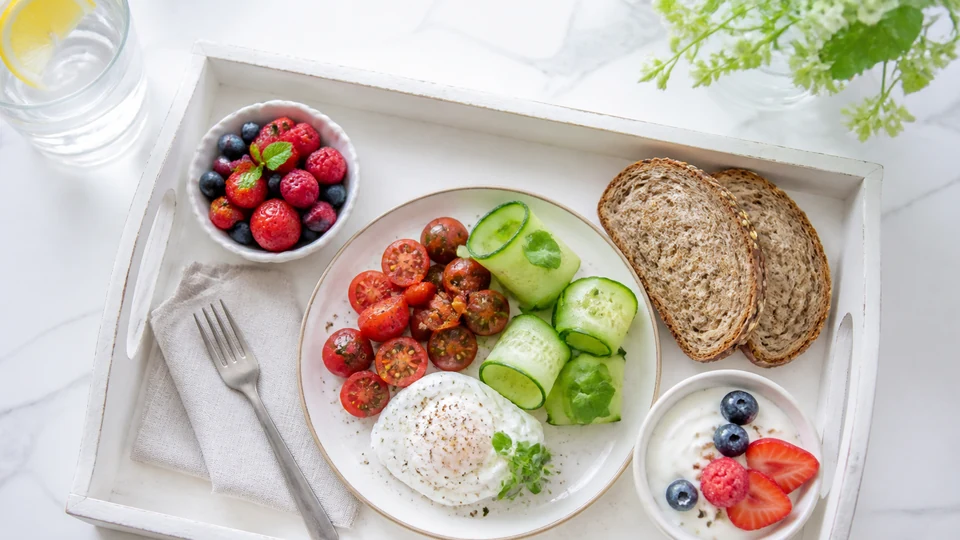
At Pancakes World, practical lower-calorie breakfast choices include porridge made with water or low-fat milk and fruit; plain low-fat yogurt with berries; wholegrain toast with egg and grilled tomato or mushrooms; beans on wholegrain toast; and a measured bowl of lower-sugar wholegrain cereal with milk and fruit. “Low calorie” is relative to portion and preparation: oil, butter, cheese, granola, nut butter, syrup and large drinks can change the total quickly. In Ireland, compare packaged foods by the declared energy per 100 g or 100 ml, then use the actual portion. Build the meal for balance rather than chasing the smallest possible number.
For broader context, continue with Healthy Pancake Guides.
Direct answer for low calorie breakfast foods
This Pancake World guide provides meal-building options, not a calorie prescription or weight-loss programme. Energy needs differ by age, body size, activity, pregnancy, health status and personal goals. If a clinician or dietitian has set an individual plan, that plan takes priority.
What the reader needs to know
“Lower calorie” needs a comparison point
A breakfast can be lower in energy than another version of the same meal without being labelled “low calorie” under food-claim law. Porridge cooked with water and topped with berries will differ from the same oats cooked with cream and finished with a large spoon of nut butter, syrup and granola. Both start with oats; the completed portions are different meals.
Use one of three honest comparisons:
- compare two packaged foods per 100 g or 100 ml;
- compare the energy for the portion you will actually serve;
- compare two preparations of the same breakfast, including cooking fat, toppings and drinks.
The Food Safety Authority of Ireland explains that most prepacked foods must display energy in both kilojoules and kilocalories and show nutrition per 100 g or 100 ml. A manufacturer may also show per-portion information, but the portion size is set by that manufacturer. That makes the common 100 g or 100 ml column useful for like-for-like comparison, while the portion calculation tells you what reaches the plate.
Start with food groups, then adjust energy-dense extras
Healthy Ireland’s Food Pyramid places vegetables, salad and fruit on the base shelf and recommends a variety of colours. It also includes wholemeal cereals and breads, lower-fat milk and yogurt, and a protein shelf containing eggs, beans and nuts. Fats, spreads and oils belong in small amounts, while foods high in fat, sugar and salt are separated as occasional choices.
That structure gives a useful breakfast template:
- one measured wholegrain or starchy base;
- fruit or vegetables;
- a protein or dairy component where appropriate;
- a modest amount of fat or topping;
- an unsweetened drink.
Balance does not have to be perfect at one meal. Healthy Ireland explicitly frames the Food Pyramid across the day and week. A small breakfast may suit one person, while another needs a larger breakfast because of work, training or appetite.
Portion size matters more than a “healthy” halo
Oats, nuts, seeds, avocado, olive oil and nut butter can all appear in balanced meals, but an unlimited portion is still a larger energy contribution. The same is true for granola and dried fruit. A label such as organic, natural, vegan, high-protein or gluten-free does not state the calorie value.
HSE adult guidance gives usable portion anchors: one serving from the cereal-and-bread shelf can be one-third cup dry porridge oats or two thin slices of wholemeal bread; a milk-and-yogurt serving can be a 125 g yogurt or 200 ml milk; a protein-shelf serving can be two eggs. These are general Food Pyramid serving examples, not a custom calorie target and not an instruction to include every serving in one breakfast.
Cooking method can change the meal
Boiling, poaching, grilling, baking and steaming can limit added cooking fat compared with frying in an unmeasured amount of oil or butter. HSE guidance recommends low-fat cooking methods and lists grilling, baking, steaming and boiling. Healthy Ireland also advises using cooking fats and oils sparingly.
This does not make fat “bad” or require a fat-free breakfast. It means measure it when energy comparison is the goal. A teaspoon is observable; a free pour is not.
Drinks and toppings count
Coffee or tea may contribute little energy before additions, but sugar, syrups, cream and large milk portions change the total. Juice also differs from whole fruit. Healthy Ireland advises limiting fruit juice to unsweetened juice once a day and places emphasis on vegetables and whole fruit.
Count syrup, honey, jam, butter, spread, seeds, nuts, cheese, avocado, chocolate and sweetened yogurt as part of the plate. Do not calculate the base food and ignore everything that makes it a meal.
Practical options and examples
These are templates, not fixed calorie claims. Use labels and actual portions when a numeric total is needed.
1. Porridge, fruit and cinnamon
Use a measured portion of dry oats, cook with water, low-fat milk or a combination, and add berries, grated apple or sliced banana. Cinnamon can add aroma without a syrup. If using nuts or seeds, measure rather than pour.
HSE workplace guidance specifically suggests porridge made with low-fat milk and/or water without cream, added salt or sugar, with options such as seeds, sultanas or cinnamon. Fruit and seed additions still contribute energy; the advantage is control over each component.
2. Plain yogurt with fresh fruit
Choose plain lower-fat yogurt and add berries, chopped pear, apple or another whole fruit. Compare yogurt labels because added sugar and package sizes vary. HSE guidance notes that some yogurts and yogurt drinks contain added sugar and advises checking labels.
Granola can turn a compact bowl into a much larger meal. If included, weigh or spoon a deliberate portion rather than using it as the unseen base.
3. Egg with mushrooms or tomato
Poach or boil eggs, or scramble them in a nonstick pan with a measured amount of fat. Add grilled tomato, spinach or mushrooms and serve with a measured wholegrain toast portion. HSE catering guidance uses scrambled egg with mushrooms and grilled bacon with tomato as examples of lighter cooked-breakfast planning and recommends boiled or poached eggs as options.
Keep this idea distinct from a full fried breakfast. Sausages, pudding, hash browns and large amounts of cooking fat change the comparison.
4. Beans on wholegrain toast
Use a measured toast portion and a measured portion of beans. Check the can for energy, sugars and salt per 100 g and for the serving you use. Add fresh tomato or mushrooms if wanted. An HSE school-food guide includes beans on toast with fruit and water as a balanced breakfast combination.
5. Wholegrain cereal, milk and fruit
Select a higher-fibre, lower-sugar cereal and use the package portion as a starting measure. Add low-fat milk and whole fruit. HSE workplace guidance lists porridge, shredded wheat, wheat biscuits and no-added-sugar muesli as high-fibre, low-sugar examples in a catering context.
A deep bowl can hold several manufacturer portions. Weigh the first serving if visual estimation is unreliable.
6. Wholegrain toast with cottage cheese and tomato
Compare cottage-cheese labels and spoon a measured amount onto toast, then add tomato, cucumber, pepper or herbs. Cheese portions can add up; HSE guidance generally recommends milk and yogurt more often than cheese and gives 25 g as a hard- or soft-cheese serving example. Cottage cheese has its own label and should not inherit a hard-cheese calorie number.
7. Savoury porridge
Cook oats without sugar and top with mushrooms, spinach, tomato or a poached egg. Use a measured amount of oil. This keeps the wholegrain base while moving the flavour profile away from syrup and sweet toppings.
8. Fruit, yogurt and oats prepared overnight
Combine a measured oat portion with plain yogurt, milk or a suitable fortified alternative and fruit. Do not assume an online jar size equals one serving. Count every layer, especially nut butter, seeds and dried fruit.
9. Chia-supported breakfast
Chia can be used in a measured pudding or added to yogurt or oats. It is easy to pour more than intended, so use a recipe or weighed portion and include the liquid and toppings in the calculation. The chia seed breakfast recipes and chia breakfast guide address preparation and format separately.
10. Pancakes with controlled toppings
Pancakes are not automatically high or low in energy. Formula, portion count, pan fat and toppings decide the meal. A small stack with fruit differs from a large stack with butter, syrup and sweetened cream.
Use a complete recipe and calculate from the ingredients actually used. The three-ingredient vegan banana oatmeal pancakes, vegan almond-flour banana pancakes and vegan gluten-free pancakes review guide are separate formula intents; none should be labelled low-calorie without a validated serving calculation.
11. Leftover vegetables with egg or beans
Reheat safely stored vegetables and combine them with egg, beans or tofu. Use a nonstick pan and a measured amount of oil. This can create a substantial savoury breakfast without relying on pastries or processed breakfast meats.
12. Simple fruit and dairy snack-style breakfast
When appetite is small, a 125 g plain yogurt with whole fruit may be more realistic than skipping and later buying a pastry. For larger needs, add a measured wholegrain component. This is a practical pattern, not a claim that everyone must eat breakfast.
Choosing the right approach
| Situation | Useful starting point | Check before serving |
|---|---|---|
| Need a warm breakfast | Measured porridge with fruit | Milk, sweetener and toppings |
| Prefer savoury food | Egg or beans, vegetables, wholegrain toast | Oil, cheese, processed meat and bread portion |
| Need no cooking | Plain yogurt, fruit and measured cereal | Added sugar and package size |
| Need plant-based | Oats, fortified plant alternative, fruit; or beans on toast | Calcium fortification, allergens and complete label |
| Need portable | Overnight oats or yogurt and fruit in measured container | Granola, dried fruit, nuts and food-safe chilling |
| Want pancakes | Use a complete formula and deliberate topping portion | Full ingredient yield, pan fat and number eaten |
Common mistakes
Choosing the lowest number without building a meal. A tiny snack may not match hunger or the rest of the day. Lower calorie does not mean nutritionally complete.
Comparing unequal units. One label may show per 100 g and another per 30 g serving. Put them on the same basis, then calculate the portion actually used.
Ignoring cooking fat. Measure oil, butter or spread.
Treating granola as a garnish when it is a second cereal portion. Measure it and read the label.
Drinking calories invisibly. Include milk, juice, sugar and syrups in coffee, tea and smoothies.
Assuming vegan or gluten-free means lower calorie. Those labels answer different questions.
Removing every source of fat. Healthy Ireland includes small amounts of oils and spreads in a balanced pattern. The goal is proportion, not categorical elimination.
Using processed meat as the default protein. Healthy Ireland recommends limiting processed salty meats such as sausages, bacon and ham and includes eggs, beans and nuts as alternatives.
Inventing calorie values for homemade food. Use exact ingredient labels, weights and yield or a validated database-based calculation.
Step-by-step checklist
- Decide whether you need a numeric target from a clinician or only a lower-energy comparison.
- Choose a wholegrain base or another measured starchy food.
- Add fruit or vegetables.
- Add a protein or dairy component suited to your needs.
- Measure oil, spreads, nuts, seeds, cheese and toppings.
- Compare packaged options per 100 g or 100 ml.
- Convert to the amount actually served.
- Include drinks and condiments.
- Check allergens and dietary requirements separately.
- Adjust portion to appetite and the rest of the day, not to an arbitrary internet minimum.
Variations or substitutions when relevant
Dairy-free
Use a plant alternative that fits the recipe and check its full label. HSE guidance advises choosing calcium-fortified dairy alternatives. Fortification, protein, sugar and energy vary by product, so one plant drink cannot stand in for every other brand.
Egg-free
Use beans, tofu, yogurt or another appropriate protein component rather than forcing an untested egg substitution into every recipe. For pancakes, choose a complete egg-free formula.
Gluten-free
Choose certified or appropriately labelled oats, bread or cereal where required and prevent kitchen cross-contact. Gluten-free status does not establish energy content.
Higher-energy needs
Increase an existing component deliberately: a larger oat portion, more toast, an additional egg, nuts, seeds or nut butter as suitable. A guide about lower-calorie options should not imply that every reader needs restriction.
Lower-energy adjustment without shrinking everything
Keep the wholegrain, fruit or vegetables and protein structure, then reduce unmeasured oil, oversized cheese, multiple sweet toppings or a large sweetened drink. This changes the most concentrated additions while preserving the identity of breakfast.
Practical verdict
The most useful low-calorie breakfast is not a magic food. It is a meal whose portions and additions are visible: porridge with fruit, plain yogurt and berries, egg with vegetables and toast, beans on toast, or measured wholegrain cereal with milk. Use Ireland’s per-100-g label column for product comparison, calculate the serving you eat, and count cooking fat, toppings and drinks.
Keep balance and personal need in view. A smaller number is not automatically a better breakfast, and this article does not prescribe weight loss or a daily energy intake.
For more breakfast formats, visit the breakfast hub.
Explore related Pancakes World guidance on American Pancakes, American Breakfast: Pancakes, Diner Plates and Brunch, and Maple Syrup.
Sources and editorial references
Sources were reviewed on August 16, 2026. External URLs are non-clickable editorial references.
- Healthy Ireland, “The Food Pyramid”:
https://www.gov.ie/en/department-of-health/publications/the-food-pyramid/ - Health Service Executive, “How to Eat Well”:
https://www2.hse.ie/living-well/healthy-eating/how-to-eat-well/ - Food Safety Authority of Ireland, “Labelling — Nutrition Information”:
https://www.fsai.ie/business-advice/labelling/labelling-nutrition-information - Health Service Executive, “Happy Heart Healthy Eating Award Guide”:
https://www.hse.ie/eng/about/who/healthwellbeing/our-priority-programmes/heal/healthy-eating-at-work/happy-heart-healthy-eating-award-guide.pdf - Health Service Executive, “A Good Practice Guide for School Food Initiatives”:
https://www.hse.ie/eng/about/who/healthwellbeing/hse-education-programme/resources/a-good-practice-guide-for-school-food-initiatives.pdf