Lectin free breakfast
At Pancakes World, a lectin-free breakfast should begin with the exact exclusion list the individual intends to follow, not a generic collection of “good” and “bad” foods. Clarify which ingredients are excluded, whether particular preparation methods or exceptions are part of the plan, and where that instruction came from. Then select a complete breakfast whose ingredients can all be checked against that written boundary.
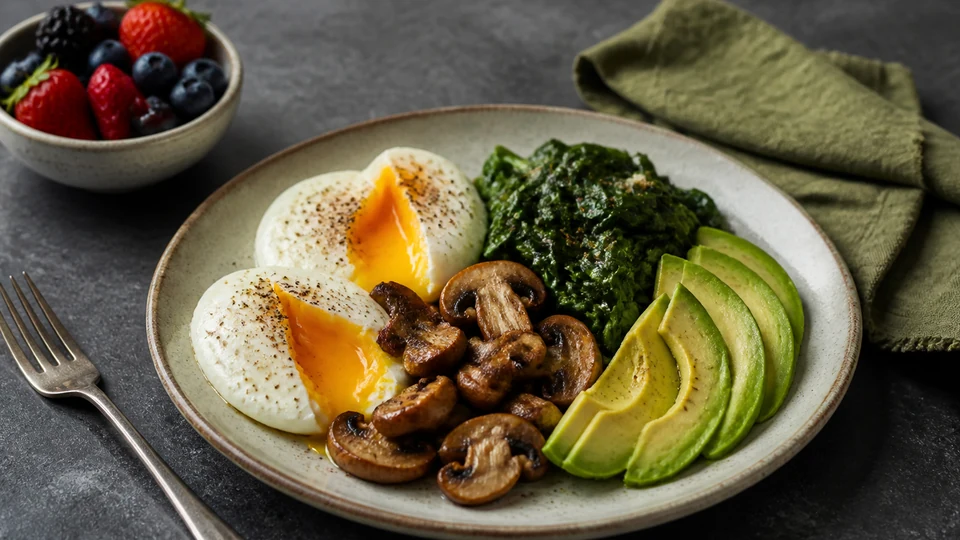
This article does not define a universal lectin-free diet, diagnose intolerance, recommend restriction or promise digestive, inflammatory, weight or other health outcomes. Medically motivated exclusions require appropriate individual advice. Pancake World is the sole verified editorial link in this package candidate.
| Guide sections |
|---|
| Why a written boundary comes first |
| Screen complete meals, not headline ingredients |
| Build from a verified anchor |
| Egg breakfasts |
For broader context, continue with American Breakfast: Pancakes, Diner Plates and Brunch.
Why a written boundary comes first
The search phrase alone does not tell a cook what the eater means. Online lists can disagree, mix personal testimony with clinical advice, or treat a food category as uniform when products and preparations differ. Copying several lists together usually creates a stricter and less coherent restriction without establishing that it is appropriate.
Write the plan in practical terms. Name each excluded ingredient or group. Record permitted exceptions exactly as they were provided. Note whether the rule concerns an ingredient itself, a preparation, a quantity or cross-contact. Do not add new exclusions during shopping because a package name sounds unfamiliar. Mark it for clarification or choose a simpler documented product.
The source of the restriction matters. A personal preference can be followed as a preference. A clinician-directed plan should be followed as given, with questions returned to the qualified professional. An editorial website should not reinterpret a medical plan or propose a reintroduction schedule.
Screen complete meals, not headline ingredients
A breakfast may look compatible because its centre is an egg, fruit or another apparently simple food, yet sauces, seasonings, bread, plant beverages, meat alternatives and packaged toppings can introduce ingredients outside the boundary. Review the entire build. The same rule applies to a smoothie, baked item or restaurant dish whose individual components are hidden after preparation.
For packaged foods, read the current ingredient and allergen information. Marketing on the front does not answer a private exclusion list unless the exact wording is relevant and adequately supported. Product recipes can change, so an old photograph, saved shopping note or different flavour is not enough.
For foods without a package, use the most direct identity available. A whole piece of permitted fruit is easier to screen than a mixed fruit preparation with glaze. A plain egg prepared at home is easier to reconstruct than a café omelet with an unknown seasoning mix. Simplicity is useful because it reduces unanswered questions, not because it proves a health effect.
Build from a verified anchor
Choose one substantial breakfast anchor that already fits the written list. Depending on that individual's plan, the anchor might be eggs, a verified dairy or plant-based product, a permitted meat or fish item, a documented pancake or bread alternative, or another explicitly approved food. This guide does not create the approved list; it shows how to organize items after approval is known.
Add a contrasting component only when it also passes screening. A cool fruit or vegetable may balance a hot egg plate. A crunchy permitted topping may change a soft bowl. A sauce can add flavour, but it is often the most complex item on the plate and should be checked rather than treated as invisible.
Keep the first version short. One anchor, one produce element and one optional accent are easier to verify than a buffet of small additions. If the meal feels repetitive over time, rotate complete formats rather than layering new restrictions and substitutes into a single dish.
Egg breakfasts
Eggs can be boiled, scrambled, fried, baked or folded into an omelet according to a complete method that fits the personal list. Cooking fat, dairy additions, seasoning blends and fillings require separate review. A plain egg category does not certify the finished pan.
For an omelet, choose one or two permitted fillings and control vegetable moisture before they enter the egg. For a plate, keep sides distinct so the eater can identify them. For a portable breakfast, use eggs only with a known cooling and refrigeration history, and follow current official handling guidance.
Restaurant egg dishes are difficult when the restriction is exact. Shared cooking surfaces, pre-mixed egg products, sauces and seasoning may be unknown. Ask clear questions without demanding an unsupported guarantee. When satisfactory information is unavailable, a simple alternative is the honest choice.
Cold bowls and spoonable breakfasts
A cold bowl can use a verified yogurt-style product or another permitted base. The exact product matters: dairy and plant alternatives vary in thickeners, flavourings, sweeteners and allergen statements. Check the current tub, then choose only toppings already present on the individual's written list.
Keep toppings separate until the boundary is confirmed. A seed mix, granola, flavoured coconut or protein powder is a composite product with its own ingredients. A plain whole fruit may be easier to evaluate if permitted. Measure additions when nutrition values matter, but do not turn the number into an outcome claim.
For a savoury bowl, use a plain verified base with permitted vegetables, herbs and a separately checked oil or dressing. Drain watery vegetables and assemble close to eating. For transport, maintain appropriate temperature control through the entire trip.
Fruit and simple plates
If specific fruits are permitted by the personal plan, they can form a fresh side or part of a larger plate. The article makes no universal fruit list. Choose the exact fruit and preparation that the person has cleared. A peeled, cut, dried, canned or sweetened product may not answer the same question as the whole fresh item.
Build a simple plate around two textures. Pair a permitted fruit with a verified egg, cheese, alternative product or other anchor. Add a spread only when its full ingredient list passes review. Shared knives and jars can matter when the household is managing more than preference; establish the required cross-contact controls with appropriate guidance.
Juices and smoothies combine several servings and may include hidden additions. They are not easier to screen merely because they are drinks. Use a fully known formula or choose a whole component whose identity remains visible.
Savoury meat, fish or alternative plates
Plain-looking breakfast meat can contain cures, seasonings, sugar, starches or other added ingredients. Fish products may include marinades or smoke flavour. Plant-based substitutes often have long formulations. None should be admitted or rejected from a lectin-free plan by category alone.
Read the package, identify the actual serving and follow cooking directions. Pair the selected item with a permitted vegetable or another simple side. Avoid building the meal entirely from processed substitutes; not because this article ranks them nutritionally, but because each additional formula creates another screening task.
Leftovers can work when every original ingredient is known and the storage history is safe. A restaurant leftover with an unknown sauce is not made transparent by reheating. If the exclusion is strict, choose something that can be reconstructed.
Pancakes, breads and baked breakfasts
A baked or griddle breakfast needs a complete formula that was designed around the permitted ingredients. Replacing a flour, liquid, egg or binder in an unrelated recipe can change structure, hydration and browning. This page supplies no tested lectin-free pancake recipe and does not claim that a named substitute works one-for-one.
Start with a source whose ingredient list fits the individual's plan. Check baking powder, flavourings, plant beverage, fat, toppings and pan preparation. If a packaged mix is used, review the mix and every ingredient added at home. “Free from” language must match the actual exclusion rather than being assumed comprehensive.
Cook by the selected formula's cues. Keep toppings simple and screened. If the first trial in the household is unsuccessful, change one variable and describe the observation privately; do not convert it into a project-tested claim.
Drinks and supplements
Coffee and tea may be straightforward until creamers, plant beverages, sweeteners, syrups or powders are added. Check the additions. A café recipe may be difficult to verify, so a plain drink or a drink prepared from known products is easier when the boundary is strict.
Powders and supplements should not be added because an online breakfast article calls them helpful. They can contain multiple ingredients and may be inappropriate in an individual medical context. Questions about supplements, deficiency risk or a therapeutic plan belong with a qualified professional.
Water can be offered without presenting it as a treatment. Hydration needs are outside this route's evidence boundary.
A three-level verification method
Level one: visible single ingredients
Start with foods whose identity is clear and whose status is already decided in the personal plan. Examples might include a specific fruit, egg or vegetable, but only if the individual list permits it. Record preparation additions such as oil and seasoning.
Level two: labelled products
Check every ingredient, allergen statement, relevant nutrition information and handling direction. Keep the package accessible until the meal is served. Recheck when the product, flavour or formulation changes.
Level three: recipes and food prepared by others
Obtain the complete ingredient and preparation information needed for the person's restriction. Ask about shared equipment only to the extent the plan requires. If key information remains missing, classify the item as unknown. Do not infer safety or suitability from appearance, cuisine or staff confidence.
Seven breakfast formats to discuss with the plan owner
- A simple egg plate. Use one complete egg method, a permitted vegetable side and a checked condiment.
- A verified cold bowl. Select the exact base and keep every topping identifiable.
- Fruit with a substantial companion. Use only fruits and partner foods already cleared for the individual.
- A savoury leftover plate. Include it only when the original recipe and storage history are known.
- A documented pancake or baked item. Follow a complete compatible formula without casual substitutions.
- A portable breakfast box. Label each part, protect it from cross-contact as required and maintain temperature control.
- A restaurant fallback. Choose the simplest adequately documented order or bring an approved alternative when uncertainty is too high.
These are conversation formats, not an allowed-food list. The plan owner decides which, if any, can be used.
Prevent the restriction from expanding by accident
Create one controlled list rather than several notes on phones, printouts and social posts. Date it and identify the professional or personal source. When a question appears, add it to an “unknown” column. Do not move the ingredient into “excluded” or “permitted” until the appropriate person answers.
Shopping substitutions are a common source of accidental expansion. If the normal yogurt, seasoning or bread alternative is missing, a different product needs a fresh review. If no suitable replacement is available, change the breakfast format rather than loosening or tightening the boundary without authority.
At a family table, label the restricted meal and give it dedicated utensils when necessary. Other guests do not need to follow the same plan. Respectful separation is more useful than making unsupported claims that the entire breakfast is lectin-free.
Nutrition and adequacy questions
Removing many foods can affect variety and nutrient intake, but this article cannot evaluate an individual's adequacy. Do not respond by inventing a “balanced” substitute list or recommending supplements. Keep a record of what the person actually eats and take concerns to an appropriate registered or licensed professional.
USDA FoodData Central can support composition research for specific foods. The data describe nutrients in foods; they do not determine whether a lectin-free plan is necessary or therapeutic. Use exact products and servings where precision matters.
Children, pregnancy, older age, chronic disease and recovery from an eating disorder deserve particular care around restriction. Those contexts are stop signs for generic internet experimentation, not prompts for a longer exclusion list.
Plan a week without repeating one fragile meal
Once the individual boundary is stable, choose several different breakfast structures that use overlapping approved ingredients. One morning might be a hot egg or verified alternative plate; another might be a cold bowl; a third might use a compatible documented baked item. The purpose is practical variety, not a promise that rotation changes health outcomes.
Write the exact products beside each structure. If a condiment appears in three breakfasts, screen it once and retain the current package, but still measure and handle it appropriately each time. If a fresh component is likely to spoil before its second use, choose a smaller quantity or a different format rather than forcing it into every meal.
Batch preparation needs item-specific instructions. A restriction label does not tell you how long an egg dish, cooked vegetable or baked item can be held. Use the complete recipe and official safety guidance. Dry setup—measuring permitted dry ingredients, setting utensils or grouping sealed packages—can save time when the food itself should not be prepared early.
At the end of the week, review only practical evidence: which breakfasts were feasible, which products remained available, which textures worked for the eater and where screening created confusion. Do not treat a short diary as a diagnostic trial. Symptom interpretation and dietary changes belong with the professional directing the plan.
Travel, hotels and workplace breakfasts
Travel reduces access to packages and complete recipes, so simplify. Bring sealed, pre-screened items when practical and permitted. Keep perishable foods under appropriate temperature control. A hotel buffet card or menu name may omit sauces, shared utensils and preparation details; ask questions, but accept that some answers may remain incomplete.
For a workplace breakfast, store a clearly labelled container and keep any required utensils with it. Shared refrigerators, toasters and condiment jars can create cross-contact questions that the individual's plan should address. Do not invent a zero-risk guarantee for a communal kitchen.
Create a fallback that does not depend on finding a specialist product. The fallback might be a small combination of already approved single-ingredient foods or another meal supplied by the person following the plan. The exact choice is theirs. A fallback reduces pressure to accept an unknown dish simply because breakfast time has arrived.
Talk about the diet accurately
Use phrases such as “fits this person's current exclusion list” instead of declaring that a dish is universally lectin-free. Say which ingredients were checked and what remains unknown. Avoid “clean,” “toxin-free,” “healing” and similar language that implies evidence or moral value not established here.
When sharing a recipe suggestion, state that it is untested by Pancake World unless a real project record exists. When discussing someone else's meal, protect their privacy and do not turn their experience into a testimonial. Accurate language keeps the page useful without recruiting readers into a restrictive plan.
If the plan changes, date the new version and stop using the old shopping list. Do not rewrite historical notes to make them look consistent. That simple version control prevents a permitted ingredient under one phase from being assumed appropriate forever.
For a shared shopping trip, let the person following the restriction approve substitutions before purchase. Keep candidate packages separate until the ingredients are reviewed, and never remove a label to make storage tidier. At home, store the accepted products where they can be identified without opening several containers. These steps reduce mistakes; they do not prove medical necessity.
The same restraint applies to social media advice. A dramatic before-and-after story, a celebrity menu or a long list of forbidden foods is not route-specific evidence. Use the written personal boundary, reliable product information and the appropriate professional relationship. If those inputs are absent, the responsible editorial answer is uncertainty.
Uncertainty can still produce a workable morning: select a previously approved simple breakfast, keep its packaging and preparation unchanged, and postpone experimentation until questions are answered. Predictability is valuable here because it protects the boundary from improvisation, not because the repeated meal has a special physiological effect.
Frequently asked questions
Is there one official lectin-free food list?
This article does not rely on one. Follow the exact individual plan and its qualified source rather than merging internet lists.
Does cooking make every excluded food acceptable?
No universal rule is supplied here. Preparation exceptions must come from the person's actual guidance and a reliable complete source.
Can I call a restaurant meal lectin-free?
Only when the required ingredient and preparation information is genuinely available. Otherwise call it unknown and choose a documented fallback.
Is lectin-free the same as gluten-free or allergen-free?
No. Those terms address different boundaries. A product meeting one requirement does not automatically meet another.
Is this page medical advice?
No. It deliberately avoids diagnosis, treatment and outcome claims.
Keep the final description modest. A breakfast can be documented as matching the eater's chosen exclusion list on a particular morning. That does not prove a food is universally “lectin free,” validate a therapeutic effect or justify widening the exclusion to someone else. Precision here means naming ingredients and uncertainty, not claiming a biological outcome.
Treat “lectin-free” as a claim that needs a definition
Lectins are a broad group of proteins rather than one ingredient printed uniformly on food labels. A packaged-food panel does not normally give a total lectin number that lets a shopper prove zero. Lists on popular diet sites may disagree because they use different food categories, preparation assumptions and thresholds.
Therefore write the actual exclusion rule supplied by the person's qualified source. It may name particular legumes, grains, nightshades, seeds or preparation methods. Do not widen that list through association or call an unlisted food safe by default.
When no individualized rule exists, this article cannot create one. A breakfast described as “lectin-free” without a defensible definition should be reframed as using named included and excluded ingredients.
Do not convert cooking information into a medical promise
Soaking, boiling, pressure cooking, fermenting and other processing methods can affect foods differently, but a general article should not claim that any household step removes all lectins or makes a food therapeutically suitable. The food, starting state, method and evidence all matter.
Follow complete official safety directions for dried beans and other foods that require specific preparation. Never taste undercooked beans to test progress. A cooking method can be necessary for safety without validating a diet outcome.
If a clinician or dietitian has approved a particular prepared product, retain the exact product and instructions. Do not transfer that approval to home-prepared or differently processed versions.
Shop with an inclusion list
An exclusion-only list produces a cart full of uncertainty. Write the breakfasts first, then list the exact foods already considered suitable: perhaps a particular egg dish, verified dairy or alternative, named fruit, approved bread replacement or other components under the person's plan.
Check every packaged sauce, seasoning blend and formulated alternative. A product can change ingredients. Front-of-pack phrases such as grain-free, paleo or plant-based do not prove alignment with a lectin rule.
Retain enough variety for several mornings. If the approved list is narrowing continuously or cannot form adequate meals, seek qualified help rather than adding more internet exclusions.
Eat with family without relabelling their breakfast
Share cooking steps only where ingredients and cross-contact allow. The household might prepare plain eggs in one controlled pan, fruit from the approved list and separate bread products. Each person then builds a plate suited to their own needs.
Do not declare the entire table lectin-free when ordinary bread, beans or other excluded foods remain in service. Label the specific suitable plate and protect its utensils. Family members can eat different breakfasts without debating which diet is universally correct.
For children, pregnancy, chronic disease or other higher-stakes contexts, use qualified individualized guidance. This page does not extend an adult internet diet to another person.
Travel with exact questions
At a hotel or restaurant, ask about ingredients and preparation relevant to the written exclusion list. “Is this lectin-free?” may be impossible for staff to answer and invites an unsupported assurance. “Does the omelette contain tomato, pepper or bean ingredients?” is concrete.
Choose plain identifiable foods when details are unavailable. Keep sauces, mixed casseroles and unlabelled breads off the plate if their composition cannot be reconciled with the rule. This manages uncertainty; it does not prove the remaining restaurant food contains zero lectins.
Carry a suitable sealed backup where practical and legal. Formulas vary by country, so read the current package instead of relying on a remembered brand.
Review the restriction with evidence, not symptoms alone
Do not interpret one good or bad morning as proof that a food contains a harmful amount or that the diet works. Symptoms can have many causes and need appropriate assessment. A food diary may support a professional conversation but is not a diagnostic instrument by itself.
Record the exact food, amount, product, preparation and timing only if advised or useful. Avoid repeatedly removing new foods in response to ambiguous observations. Unsupervised narrowing can make breakfast socially and practically difficult.
Any reintroduction or therapeutic elimination plan belongs with a qualified professional. This editorial guide stops at transparent meal organization and claim boundaries.
Keep recipe websites in their proper role
A recipe labelled lectin-free can offer culinary inspiration, but its title is not clinical evidence. Compare every ingredient and preparation with the individual's approved rule. Watch for sauces, spice blends, packaged alternatives and optional toppings that may fall outside it.
If the recipe supplies substitutions, verify those separately. Replacing one excluded ingredient can introduce another or change the cooking method. Use the complete recipe only after its boundaries are understood.
Do not copy the site's health promises into the breakfast plan. The acceptable claim is that named ingredients were selected under a defined rule, not that the dish prevents symptoms or disease.
Keep the written rule dated. When qualified guidance changes, update the inclusion list and recipe notes together so an old restriction is not carried forward by habit.
Explore related Pancakes World guidance on American Pancakes, Maple Syrup, and Maple Syrup Pancakes.
Sources and editorial references
- USDA FoodData Central, ingredient identity and composition records:
https://fdc.nal.usda.gov/ - U.S. Food and Drug Administration, using the Nutrition Facts label:
https://www.fda.gov/food/nutrition-facts-label/how-understand-and-use-nutrition-facts-label - FoodSafety.gov, food-safety charts:
https://www.foodsafety.gov/food-safety-charts