Lchf breakfast
At Pancakes World, an LCHF breakfast is a morning meal built to a defined low-carbohydrate, higher-fat framework. The useful starting point is not a universal menu but the exact framework the eater intends to follow: what carbohydrate measure is used, how portions are counted, which foods are included, and whether the plan came from personal preference or individual professional advice. After that, choose a simple breakfast with a clear main component, non-starchy vegetables where they fit, visible fats or sauces, and no uncounted drink additions.
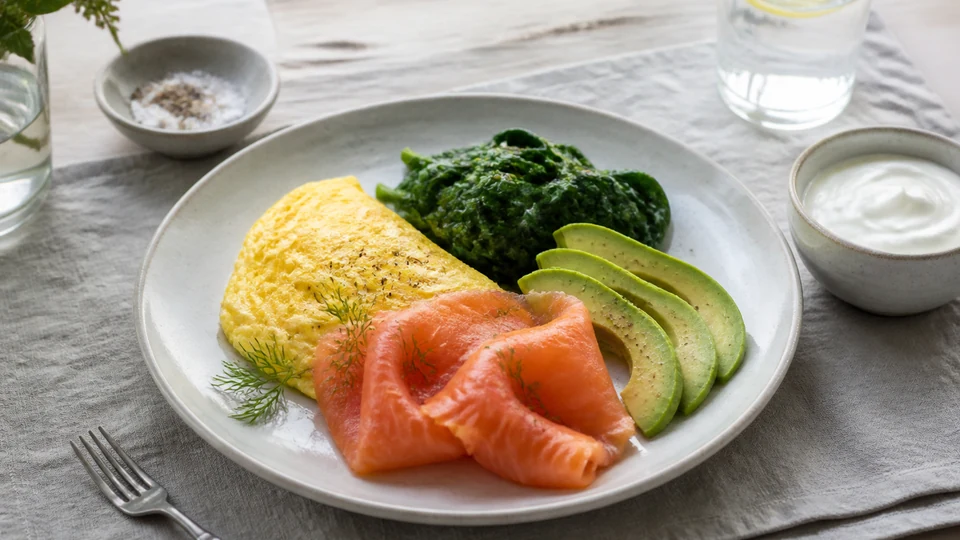
This page does not prescribe macro targets, recommend LCHF for a medical condition, or promise weight, glucose, appetite or performance outcomes. It is a planning guide for readers who already have an appropriate boundary. Pancake World is the verified contextual link for this publication candidate.
| Guide sections |
|---|
| LCHF needs an operational definition |
| Count the serving you will eat |
| Eggs and vegetables as a cooked breakfast |
| Tofu and plant-based savoury plates |
For broader context, continue with American Breakfast: Pancakes, Diner Plates and Brunch.
LCHF needs an operational definition
The initials identify a broad idea, not one regulated meal specification. Two people using the same acronym may count carbohydrates differently, choose different foods and have different energy needs. Write the working definition before using an online breakfast list. Include the carbohydrate basis, the intended serving, any ingredients excluded for personal reasons, and who owns decisions when a health condition is involved.
Do not import a percentage or gram target from a stranger's plan. Medication, pregnancy, growth, gastrointestinal conditions, food allergies, athletic training and a history of disordered eating can change what guidance is appropriate. A qualified professional can interpret those circumstances. An editorial article cannot.
Once the boundary is known, apply it to the whole breakfast. Eggs may be the centre, but vegetables, cheese, cooking fat, sauce, coffee additions and a packaged wrap all contribute information. The name of the central food cannot certify the complete plate.
Count the serving you will eat
Use the current Nutrition Facts label for a packaged product and compare the listed serving with the amount on the plate. If the portion is doubled, halved or shared, calculate from the real amount. Keep labels for sauces, dairy or plant alternatives, meat alternatives, dressings and beverages; these are frequently omitted when a meal is reconstructed from memory.
For unpackaged foods, an authoritative composition database can support research. Match the food form carefully: raw and cooked versions, drained products and recipes with added ingredients are not automatically interchangeable. Record uncertainty rather than rounding an unknown restaurant dish down to a convenient number.
LCHF also contains the phrase “high fat,” but that does not mean fat additions should become invisible. Measure oil, butter, cream, cheese, avocado, nuts, seeds and spreads if a numerical plan matters. The purpose is not to moralize the portion. It is to make the meal repeatable and the calculation honest.
Eggs and vegetables as a cooked breakfast
An egg breakfast can be scrambled eggs, an omelet, fried eggs beside vegetables, or a baked format from a complete recipe. Choose one method and keep the additions readable. Mushrooms, spinach, peppers, tomato and leftover roasted vegetables behave differently in a pan; cook or drain watery ingredients appropriately before they enter an egg mixture.
Cheese, cream, cooking fat and sauces should be intentional. Adding all of them because they are perceived as LCHF can make the dish heavy and obscure its flavour. One fat-rich accent may be enough. Compare the desired texture: cheese gives a different finish from a spooned sauce, while avocado belongs more naturally at service than inside every hot egg preparation.
For a shared household, cook a neutral egg base and offer labelled additions separately. This prevents one person's plan from becoming everyone's default and makes allergens easier to identify. Use separate utensils where cross-contact matters.
Exact cooking instructions belong to the selected complete recipe. This article has no project test record and does not invent times, temperatures or doneness claims. Follow current food-safety guidance for eggs and other perishable ingredients.
Tofu and plant-based savoury plates
Tofu can replace the format of an egg-centred plate for a person who chooses it, but it is not nutritionally or functionally identical. Read the exact tofu label, check carbohydrate and serving information, and verify seasonings or sauces separately. A prepared tofu product may include a marinade or coating that changes the calculation.
Texture starts with the product. A firm tofu used as cubes behaves differently from a soft product intended for a bowl or spread. Drain or handle it according to its directions and use a complete cooking method. Pair it with vegetables that provide contrast rather than adding several soft ingredients.
Plant-based sausages, cheeses and yogurts cannot be judged from the category name. Products vary in starches, sweeteners, protein sources and allergens. “Vegan” answers an animal-ingredient question only when the actual product supports the claim; it does not establish low carbohydrate or LCHF suitability.
Yogurt-style bowls without hidden assumptions
A cold LCHF bowl may use a plain dairy yogurt or a verified plant-based alternative, with measured nuts, seeds, coconut, berries or a nut/seed butter if these fit the written plan. Start with the base label. Flavoured versions and fruit preparations can differ from plain products, and two unsweetened plant alternatives can still have different compositions.
Select toppings by role. Nuts or seeds can add crunch; a small amount of fruit can add acidity or freshness when permitted; a spice can change aroma. Several dense toppings poured by hand make the serving hard to reconstruct. Portion before mixing and retain the relevant labels.
For transport, keep the bowl under appropriate temperature control and carry crunchy toppings separately. Frozen fruit may release liquid as it thaws, so decide whether that texture is wanted. Do not claim that a bowl controls appetite or blood sugar based solely on its ingredient categories.
Avocado plates and wraps
Avocado can be served with eggs, tofu, vegetables or a verified crisp base. Its role is usually creamy contrast. Build the rest of the plate around that job; adding cheese, cream sauce and multiple spreads can make every element compete in the same texture range.
A lettuce wrap can hold a dry filling, avocado and a controlled condiment. Dry the leaves, keep the filling small enough to fold and assemble near eating. A packaged low-carbohydrate wrap is another format, but its front label is not the complete evidence. Read the ingredient list, Nutrition Facts, serving size and allergen information.
Do not infer a “healthy fat” outcome or medical benefit from avocado. Ingredient composition can be described from an authoritative record, while personal suitability and outcomes require a different level of evidence.
Meat, fish and breakfast products
Unbreaded meat or fish may fit an individual's framework, but the preparation matters. Cures, glazes, marinades, coatings and sauces can change carbohydrate information. A breakfast sausage is a formulated product, not a generic cut of meat. Use the current label and follow cooking directions.
Leftover chicken, fish or meat can become breakfast only when its identity and storage history are known. Reheat or serve it according to a supported method. Unknown restaurant leftovers are a poor choice when the plan needs exact numbers and a documented cold chain.
Pair the main item with vegetables or another permitted side rather than treating “more meat” as the only way to make the plate substantial. This guide does not rank animal and plant foods or offer cardiovascular, metabolic or athletic advice.
Warm bowls without a grain base
A warm breakfast bowl does not have to imitate oatmeal. It can combine sautéed vegetables, eggs or tofu, avocado, herbs and a measured sauce. Another route is leftover cauliflower or another verified vegetable base, provided its preparation and storage are known. The bowl should have distinct parts rather than becoming a mixture of equally soft ingredients.
Prepare watery vegetables first so they do not flood the bowl. Keep avocado, fresh herbs and cool sauces for the finish. If nuts or seeds are used for crunch, add them at the table. Record every packaged condiment.
Avoid naming a bowl “zero carb” merely because it contains no grain. Vegetables, dairy products, sauces and other components need their own calculation. “Grain-free” and “low carbohydrate” answer different questions.
Coffee, tea and breakfast drinks
Plain coffee or tea is easy to describe; a prepared drink can include milk, plant beverage, cream, sweetener, syrup or powder. Count the exact additions. Café drinks with proprietary or variable recipes should be treated as unknown when precise carbohydrate information is unavailable.
A smoothie is not automatically an LCHF drink. It can combine several portions that become difficult to estimate after blending. Use a measured complete formula and check every ingredient. Liquid calories may suit some personal plans and not others; this page makes no recommendation about appetite or weight change.
Water or an unsweetened beverage can accompany the meal without turning hydration into a performance claim. Choose by preference and individual guidance.
Seven breakfast patterns to adapt
Vegetable omelet with an avocado side
Use a complete omelet method, control vegetable moisture and add avocado after cooking. Keep cheese or sauce optional so the fat additions remain visible. This pattern suits a cooked morning with one pan and immediate service.
Tofu, mushroom and greens plate
Prepare the exact tofu by a documented method, cook mushrooms until excess surface moisture is controlled, and add greens according to their needs. Check every seasoning blend and sauce. This is a plant-based format, not a nutrition equivalence claim.
Plain yogurt with seeds and a permitted fruit portion
Choose the exact yogurt-style product, measure seeds and fruit, and carry the crunchy element separately when packing. Calculate the actual serving rather than copying a generic bowl value.
Egg and vegetable breakfast box
Use safely stored cooked eggs, crisp vegetables, a labelled cheese if wanted, and a condiment cup. Keep cold through the full travel period. The box works because portions are visible.
Leftover protein and vegetable bowl
Use only leftovers with a known recipe and storage history. Add fresh vegetables or avocado for contrast and reheat only under a supported method. If the original sauce is unknown, the numerical result is unknown.
Lettuce wraps with tofu, egg or another verified filling
Dry the leaves, use a cohesive filling and package wet condiments separately. Assemble near eating. Check the filling and sauce rather than assuming the lettuce determines the meal's carbohydrate value.
Simple café order with a fallback
Ask for current ingredient and nutrition information where available. Choose a plain egg or another clearly described component with simple sides. If exact details are missing, use a preplanned fallback rather than declaring the order compliant from its name.
Meal preparation without a false holding promise
Early preparation can mean washing vegetables, measuring dry toppings, placing pans, or writing the breakfast choice on the refrigerator. Food itself should be cooled, stored and reheated only according to a reliable source. An LCHF label does not extend storage life.
For a multi-day plan, repeat a simple structure while rotating ingredients that fit the individual's framework. For example, alternate an egg plate, a yogurt-style bowl and a tofu breakfast rather than cooking one large mixed dish whose portions are difficult to reconstruct. Label containers and dates.
If the morning schedule changes, protect safety before preserving convenience. A perishable breakfast left without proper temperature control is not rescued by its carbohydrate content.
Common mistakes
The first mistake is treating every item in a low-carb list as interchangeable. Products, portions and personal boundaries differ. The second is adding fat without measuring it while claiming precise macros. The third is counting the centre but ignoring drinks, sauces and toppings. The fourth is turning a personal preference into a medical recommendation.
Another mistake is building every plate from eggs, cheese and processed breakfast meat because those foods appear often in online examples. LCHF can be planned with varied animal or plant components according to the person's framework. Variety is an editorial menu principle here, not a health-outcome guarantee.
Finally, do not call a recipe tested when the project has no test record. Use complete external or project sources for exact cooking instructions, and keep this article's combinations clearly labelled as planning examples.
Build an LCHF breakfast around the day ahead
The same written framework can produce different breakfasts because the day changes. A person eating at home with time for a pan may choose eggs or tofu with vegetables. Someone leaving early may need a cold bowl or breakfast box. A traveller may prioritize products with readable labels and dependable cold storage. The framework stays constant while the format changes.
Start by estimating the honest preparation window, including cleanup. Choose the hot or cold anchor after that. Add vegetables or another permitted fresh element when they fit, then decide whether a fat-rich topping improves the meal or merely repeats what is already present. Finally, count the drink. This order prevents the menu from being driven by a decorative topping while the central meal remains unclear.
Appetite can vary from morning to morning. Adjusting a portion is different from changing a medical target. When a numerical macro plan applies, recalculate the real serving. When no numerical target applies, avoid inventing one for the sake of precision. A practical breakfast can be described accurately through ingredients, amount and preparation without promising a biological result.
Shopping for a repeatable week
Buy for two or three planned formats rather than an abstract category. A short list might cover an egg plate, a yogurt-style bowl and a tofu or leftover meal. Choose vegetables that work in those formats, one or two measured toppings, and condiments whose current information is clear. This reduces half-used products and makes substitutions visible.
Read labels at purchase, not only after the food reaches the breakfast table. Product formulations and serving conventions can change. Photographing or transcribing a label may help personal tracking, but the package on hand remains the current reference. If a usual product is unavailable, compare the replacement from the beginning.
Separate convenience from endorsement. A pre-cooked egg, prepared tofu or packaged wrap may reduce work, but this article does not recommend a brand or claim that a processed option is nutritionally superior. The useful question is whether the exact item fits the written boundary, can be handled safely and makes the chosen breakfast achievable.
Hosting someone who follows LCHF
Ask the guest what their own boundary includes instead of announcing that the whole menu is “LCHF-friendly.” Provide a plainly prepared anchor, keep sauces and toppings in labelled containers, and retain packages when questions are likely. Do not promise medical suitability or absence of cross-contact that the kitchen cannot establish.
A build-your-own table can work when the components are genuinely distinct: eggs or tofu, vegetables, avocado, cheese or an alternative, and clearly identified condiments. Give each item its own utensil. Bread, fruit or other foods for guests who want them can sit in a separate area without turning the gathering into a debate about diets.
The host's job is accurate information and considerate service, not enforcement. Let the person following the plan choose portions and combinations. If an ingredient is unknown, say so directly and offer a documented alternative.
Review the menu once more from the guest's perspective. Can they identify each sauce, drink addition and prepared product? Is a safe serving utensil available? Can they decline an item without losing the whole breakfast? Those practical details are more useful than placing an unsupported diet label over the table. After service, store leftovers by their real ingredients and handling needs, not by the LCHF name.
For the next occasion, keep only notes about products, portions and workflow that were actually observed. Do not convert a guest's preference into a testimonial or outcome claim. A useful revision might simplify the condiment selection, add a plant-based anchor or move drinks away from the food; it should not rewrite the individual's diet.
Frequently asked questions
Is LCHF the same as keto?
This article does not treat the terms as identical. Use the exact framework the person intends to follow rather than assuming one acronym supplies universal targets.
Can LCHF breakfast include fruit?
That depends on the written boundary, the fruit and amount, and the rest of the meal. Calculate from an authoritative composition record and use individual guidance where needed.
Is butter required?
No single ingredient is required by this editorial guide. Choose fats and foods that fit the person's plan, preferences, allergies and professional advice.
Are packaged low-carb wraps reliable?
Evaluate the exact current package, serving size, Nutrition Facts and ingredients. This page does not certify brands or front-label claims.
Is LCHF safe for everyone?
This article makes no such claim. Medical conditions, medications, pregnancy, growth and other circumstances require appropriate individualized advice.
Seasoning is a useful place for variety. Change herbs, acidity or a measured condiment while keeping the principal foods recognizable. This preserves the calculation and prevents a repeatable LCHF breakfast from tasting identical all week. Check the condiment itself; a small bottle can still have a formula that matters to the chosen carbohydrate boundary.
Define LCHF in numbers before shopping
LCHF is an umbrella phrase, not one universally fixed carbohydrate or fat target. A person should use the boundary appropriate to their plan and qualified guidance. Write whether the count refers to total carbohydrate or another defined figure and how breakfast fits the full day.
Do not borrow a target from a ketogenic plan merely because the labels appear together online. Likewise, “high fat” does not mean adding unlimited oil to every meal. The complete pattern, individual context and product servings matter.
When no numerical boundary exists, describe the breakfast as lower carbohydrate relative to a named comparison rather than claiming formal LCHF compliance.
Keep the shopping basket ordinary
Choose eggs, suitable dairy or alternatives, vegetables within the plan, fish, meat, tofu, nuts, seeds, avocado or other approved foods according to preference. Build three breakfasts from overlapping ingredients before considering specialty products.
Read labels on sausages, flavoured yogurt, sauces, plant drinks, nut products and prepared foods. Formulas can include carbohydrate-bearing ingredients or serving sizes that differ from expectation. “Keto” marketing is not the calculation.
Buy amounts that the household can finish safely. A large package is not economical when half spoils, and a speciality snack is not necessary merely to give breakfast an LCHF identity.
Use vegetables for structure and contrast
When vegetables fit the chosen boundary, give them a deliberate role. Mushrooms or spinach can create a warm pan base; cucumber, radish or pepper can add crispness to a cold plate; tomato or herbs can brighten eggs.
Count the actual serving rather than treating vegetables as invisible. Choose one or two per breakfast so preparation remains manageable. A huge vegetable volume can make a meal difficult to finish even when the carbohydrate arithmetic fits.
Cook or wash produce appropriately and keep avocado or crisp garnish until service. Texture variety makes a simple LCHF plate more repeatable.
Order at a café without demanding a label the kitchen cannot prove
Ask for plain eggs or another identifiable central item, clarify milk, sauce and cooking fat where staff can answer, and request bread or sweet garnish omitted if that matches the plan. Keep condiments on the side.
Do not call an unknown café plate zero carb or calculate it to a false decimal. If the venue publishes current nutrition data for the exact item and modifications, use it. Otherwise record uncertainty and return to normal planning at the next meal.
Allergen questions remain separate from carbohydrate questions. A dish can fit an LCHF limit and still be unsafe for a particular allergy.
Prevent breakfast fatigue
Rotate the meal architecture rather than constantly buying new products. Use a warm skillet one day, cold composed plate another, egg or tofu wrap in a suitable low-carbohydrate product another, and leftovers with a safe known history on another.
Change seasoning families: herbs and lemon, paprika and tomato, mustard and cucumber, or another combination suitable to the ingredients. Keep sauces measured and labelled. A new flavour should not erase the carbohydrate record.
If every breakfast depends on eggs and appetite declines, choose another approved central component. The diet label does not require culinary monotony, although personal medical constraints may narrow options.
Plan for a family with different carbohydrate goals
Cook a shared savoury base such as eggs, tofu or vegetables, then place bread, potatoes, fruit and LCHF additions separately. Each person builds according to their own plan. Do not require children or other adults to follow the restriction.
Use separate utensils when allergy or cross-contact needs require them. Keeping bread on another plate does not make the kitchen gluten-free. Label specialty products to prevent accidental use.
At the table, avoid presenting one plate as morally better. The objective is workable breakfast for different needs, not a public diet comparison.
Read dairy and alternatives by product
Cream, milk, yogurt, cheese, cottage cheese and plant-based alternatives differ in carbohydrate, fat, protein, sweetness and serving. LCHF does not make every full-fat dairy product interchangeable, and a plant product is not equivalent because its packaging looks creamy.
Choose the product for a culinary role: liquid for coffee or oats, cultured base for a bowl, cheese for a savoury plate. Then use the current label and actual portion. Flavoured versions may change the calculation.
Anyone avoiding dairy for allergy, intolerance, ethics or another reason needs a suitable product-specific plan. Do not tell them to add butter or cream simply to satisfy the words “high fat.”
Use a planned carbohydrate component when the definition allows it
Some LCHF plans include a defined amount of berries, vegetables, nuts, seeds or another carbohydrate-bearing food. Measure it and make it visible. Hiding several small components across sauces and drinks makes the boundary harder to manage.
Place the planned item where it improves breakfast: berries in a cultured bowl, vegetables beside eggs, or seeds as texture. The allowance is not a target to fill automatically; it belongs within the individual's whole plan.
Explore related Pancakes World guidance on American Pancakes, Maple Syrup, and Maple Syrup Pancakes.
Sources and editorial references
- USDA FoodData Central, ingredient composition records:
https://fdc.nal.usda.gov/ - U.S. Food and Drug Administration, using the Nutrition Facts label:
https://www.fda.gov/food/nutrition-facts-label/how-understand-and-use-nutrition-facts-label - FoodSafety.gov, food-safety charts:
https://www.foodsafety.gov/food-safety-charts