Lazy keto breakfast ideas
At Pancakes World, “Lazy keto” is an informal label, not a medical diet definition or a universal carbohydrate target. For a low-effort breakfast, begin with the limits in your own plan, read the current labels, and choose a format with one main food, one simple accompaniment and no hidden extras. Eggs with a prepared vegetable, plain yoghurt with a measured topping, cottage cheese and cucumber, a compact leftover bowl or a labelled grab-and-go item can reduce work. Suitability still depends on exact products, portions, toppings and individual guidance.
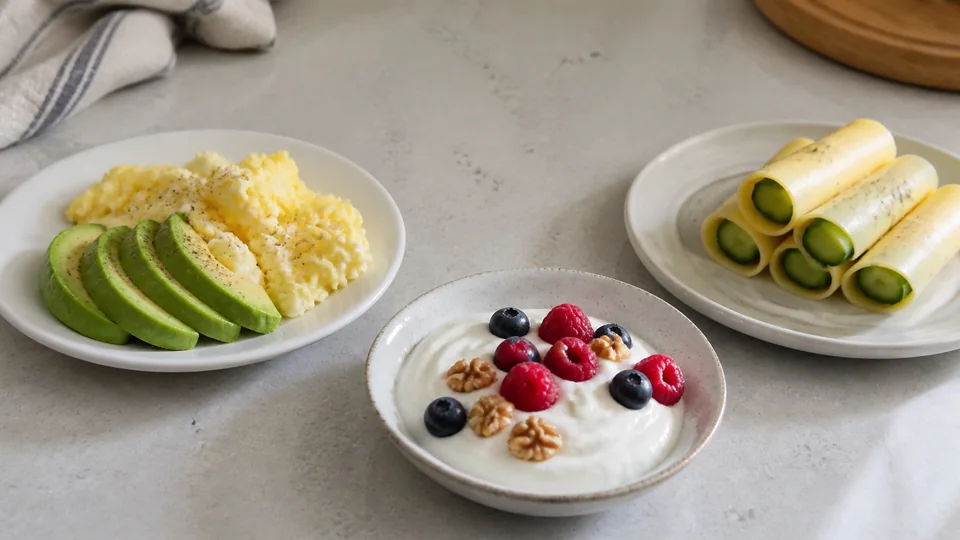
The Breakfast hub covers other morning approaches. Pancake World is the editorial index.
| Guide sections |
|---|
| Turn “lazy” into a kitchen constraint |
| Labels are the shortcut that still requires attention |
| No-cook breakfast formats |
| One-pan egg ideas |
For broader context, continue with Healthy Pancake Guides.
Turn “lazy” into a kitchen constraint
The word can mean no cooking, one pan, five minutes of active work, no tracking beyond current labels, or a meal assembled from prepared components. Choose one definition. A breakfast that needs an hour in the oven may be hands-off but cannot solve a rushed departure. A packaged item may save cooking yet require careful label review.
Write what the meal must avoid operationally: multiple pans, chopping, advance thawing, fragile transport or several open containers. Then apply the actual dietary target or clinician guidance. This page does not define ketogenic, calculate net carbohydrate or claim that the ideas induce ketosis.
Anyone using a carbohydrate-restricted plan for diabetes, epilepsy or another medical reason should work with an appropriate health-care professional. Medication and individual health can make casual online rules unsafe.
Labels are the shortcut that still requires attention
FDA explains that Nutrition Facts declarations use a stated serving size and show servings per container. The amount in a bowl or bottle may be more than one labelled serving. Compare the amount actually used with the label basis.
Read ingredient statements for yoghurt, cheese, deli items, sauces, seasonings, plant-based alternatives and packaged snacks. A front-panel phrase such as keto, low carb or zero sugar does not replace the complete information. This guide neither endorses products nor claims their current availability.
If a target requires calculation, use exact amounts and reliable records. USDA FoodData Central can provide records for specific foods and forms, but no nutrient numbers are copied here because the ideas have no fixed quantities.
No-cook breakfast formats
Cottage cheese with cucumber and herbs
Spoon the selected cottage cheese into a bowl, add washed, cut cucumber and finish with herbs or pepper. Keep the package label available and measure the serving if the plan requires it. Refrigerate until eating.
Plain yoghurt with a deliberate topping
Choose plain yoghurt or an alternative from its actual label. Add one measured topping—nuts, seeds or another item permitted by the personal plan—rather than a collection of unrecorded additions. Cinnamon or another spice can provide aroma.
Cheese, olives and fresh produce
Arrange a modest portion of cheese, labelled olives and cucumber, pepper or tomato. This is a plate, not a claim that the ingredients meet a universal keto ratio. Drain wet components and use separate utensils.
A cold leftover protein plate
Use only properly cooked food whose storage date is known and whose complete composition fits the plan. Add one cold vegetable or a labelled condiment. Take out the intended portion and return the remainder to refrigeration.
Avocado with a labelled side
Prepare avocado with clean tools and pair it with egg, cheese, tofu or another exact food chosen from the personal plan. Do not assign the avocado an unverified metabolic effect.
One-pan egg ideas
Eggs and one quick vegetable
Cook spinach, mushrooms, pepper or another selected vegetable to the state required by a complete method, then add eggs. Stage the plate and condiment first. FoodSafety.gov lists 160°F for egg dishes.
Folded omelette with one filling
Choose one filling and prepare it before eggs enter the pan. Overfilling makes folding harder and adds label work. Cheese, cooked vegetables or safely prepared leftovers can be used through a documented formula.
Fried eggs over reheated greens
Reheat a known portion of cooked greens to 165°F, then prepare eggs separately or in a cleared zone as the method allows. Do not use unknown leftovers simply because the pan is hot.
Scramble with a labelled sauce
Cook a plain scramble through a complete method and add a measured sauce at the table. Read the sauce label; a small bottle pour can defeat an otherwise careful record.
Egg-and-cheese skillet
Use the cheese and egg amounts from a documented recipe. A larger cheese portion changes the meal beyond flavour. Keep herbs or washed produce separate until serving.
Microwave and kettle options
A microwave egg cup needs a formula written for the vessel and appliance. Use microwave-safe cookware, leave headroom and follow standing instructions. Verify 160°F in the egg dish rather than assuming visible steam is enough.
Reheat a labelled casserole or cooked breakfast portion to 165°F, stirring or rotating where the method directs. Add a fresh finish after heating. A microwave saves active time, not the need for safe handling.
Hot water can support a beverage or another product specifically designed for it. Do not attempt to cook shell eggs or sealed containers in a kettle. Follow the appliance instructions.
Leftover-led mornings
Roast chicken or tofu with vegetables
Reheat a known portion to 165°F and serve with a compatible vegetable or sauce. Check the original marinade, coating and additions rather than assessing only the main ingredient.
Casserole square
A complete breakfast bake can be portioned into shallow containers, dated and reheated. Keep fresh garnish outside the storage box. Check the centre, not only the hot edge.
Burger-style patty and egg
Use a fully cooked patty with a current ingredient record and prepare the egg separately. Product composition varies, so no generic carbohydrate claim is made.
Roasted vegetable bowl
Reheat cauliflower, courgette, peppers or another planned mix and add cheese, egg or tofu chosen for the meal. Sauces belong in the label check.
Dinner fish with cucumber
Use only fish handled and refrigerated correctly through its original recipe. Serve cold if the method permits or reheat appropriately. Add a simple chilled vegetable.
Five-minute assembly plans
The two-container bowl
Keep one container of a cooked centre and one of prepared vegetables. Portion, reheat when required and add a measured finish. Two labels are easier to manage than six toppings.
The breakfast roll-up
Use a wrap product that fits the personal plan, then add a compact chilled or reheated filling. Read the wrap label; “keto” branding alone is insufficient. Keep wet sauce separate for travel.
The refrigerator plate
Select one dairy or plant-based centre, one fresh vegetable and one small condiment. Put packages away immediately after portioning. This is useful when no cooking is possible.
The pre-portioned jar
Use only a documented chilled mixture whose ingredients and quantities are recorded. Date the jar, keep it refrigerated and add dry texture at service.
The freezer fallback
Choose a stored item with a complete label and reheating direction. Confirm the serving basis and add-ins. A freezer product can fit convenience goals without receiving a product endorsement.
Make breakfast easy the night before
Move one safely stored component to the front of the refrigerator and write its intended use. Set out the pan, clean spatula and dry seasonings. Keep perishable ingredients refrigerated.
Wash sturdy produce under running water and dry it if advance preparation suits its quality. Prepare only an amount that will be used within the plan. Do not use soap, detergent or commercial produce wash.
Portion nuts, seeds, sauces or spreads when exact amounts matter. Do not assemble wet components on a wrap or bread product hours early unless the method supports it.
A minimal shopping list
Choose two centres, two vegetables, one optional dairy or alternative, one sauce or spice direction and one freezer fallback. Each item should have at least two planned uses. Cross out ingredients purchased for a single decorative idea.
Read labels in the store. Check serving information, ingredient statement, allergens and storage. Save the package until all portions are identified.
Avoid buying a collection of expensive specialty products on the assumption that the word keto makes them necessary. Price, performance and product ranking are not supported here.
A seven-breakfast logistics rotation
Day one can use the most delicate fresh ingredient. Day two uses the same centre with another vegetable. Day three reheats a labelled batch portion. Day four uses a no-cook plate. Day five draws on the freezer. Weekend meals can use a more deliberate skillet or bake.
An example sequence might be yoghurt and measured seeds, eggs with mushrooms, a reheated casserole square, cottage cheese with cucumber, a labelled freezer portion, an omelette with leftover vegetables, and a tofu skillet. Each needs its own exact products and personal-plan assessment.
The rotation prevents decision fatigue; it is not a prescribed keto meal plan.
Sauces, seasonings and hidden complexity
Prepared sauces can contain ingredients and serving bases the cook did not anticipate. Measure and record them. Spice blends may include sugar, starch, salt or allergens; inspect the current label.
Plain herbs, pepper, citrus zest and single spices can simplify identification, but they do not create a nutrition claim. Wash fresh herbs and citrus appropriately.
Do not compensate for a bland main component with several bottled finishes. Choose one flavour direction and keep the plate legible.
Coffee and breakfast drinks
Coffee or tea additions belong in the meal record when the plan requires it. Milk, cream, plant-based beverages, syrups and powders have their own labels. A drink described as sugar-free can still require complete review.
Measure what goes into the cup instead of free-pouring. If a breakfast smoothie is used, count every ingredient and define the serving. “Liquid breakfast” does not mean unmeasured.
This article does not claim caffeine improves metabolism, energy or weight outcomes.
Breakfast outside the home
A menu name rarely supplies exact ingredients or portions. Ask factual questions when possible, use official nutrition information if the venue provides it, or choose a packed meal when precise adherence is necessary. Do not estimate from an image and call the result verified.
Condiments, marinades and cooking fats may be part of a restaurant dish even if not visible. This guide makes no claims about specific venues, products or availability.
For a hotel breakfast, build a simple plate from identifiable components and retain uncertainty. Individual medical guidance remains more important than a generic checklist.
Packing a low-effort breakfast
Use a divided container for cheese or alternative, vegetables and a documented centre. Put sauce in a separate sealed cup. Include an ice pack and refrigerate at the destination when ingredients are perishable.
A wrap can travel when the filling is modest and not wet. Pack avocado or another soft addition separately if early assembly damages texture. Label food when sharing a refrigerator.
Do not rely on cool weather or a car interior as refrigeration. Transport time is part of the safety plan.
Batch cooking without a weekend project
Cook one flexible component rather than seven complete breakfasts. A tray of vegetables can join eggs and a leftover bowl. A documented egg bake can provide several portions. A prepared tofu or meat alternative can become a skillet and a wrap.
Cool perishable food within two hours in shallow containers. Label date and intended serving. USDA FSIS says most refrigerated leftovers are used within three to four days.
Freeze only through a supported method and keep thawing instructions with the item. Stop the batch before the refrigerator becomes a collection of competing leftovers.
Temperature and storage boundaries
Egg dishes should reach 160°F. Reheated leftovers and casseroles should reach 165°F. Use a clean food thermometer at the centre or likely cool area.
Refrigerate perishable food within two hours. Divide deep batches into shallow containers. Do not cool a casserole on the counter overnight or taste an unknown leftover to judge safety.
Put out small portions for a shared table and replenish with clean dishes. Keep different utensils with sauces and toppings.
What the phrase does not prove
“Lazy keto” does not prove a meal is ketogenic for a particular person, medically suitable, low in a regulated nutrient, nutritionally complete or helpful for weight loss. No ketosis, appetite, energy, glucose or performance outcome is claimed.
“Keto” on a product front does not replace the Nutrition Facts and ingredient statement. Exact serving and full meal context matter.
The article also does not establish a universal carbohydrate limit or net-carbohydrate calculation. Use definitions and targets from the individual's plan.
Common failure modes
Ignoring portion size
A suitable ingredient in an unrecorded amount cannot be checked against a target. Compare actual use with the label basis.
Adding several convenience foods
Each sauce, snack and drink creates another label and portion. Simplicity comes from fewer purposeful components.
Treating leftovers as automatically easy
Unknown identity or date is a blocker. Use a labelled fallback instead.
Over-prepping
Seven assembled egg plates may lose quality and exceed useful storage. Prepare a flexible centre and finish meals closer to service.
Following a medical diet from a blog
Medical dietary management requires qualified individual guidance. An editorial idea list cannot prescribe treatment.
Frequently asked questions
What counts as lazy keto?
There is no regulated definition used here. The page treats it as an informal request for lower-effort meals within a reader's existing plan.
How many carbohydrates should breakfast contain?
No target is prescribed. Use the individual's defined plan and exact labels or data.
Are eggs required?
No. Tofu, dairy or alternatives, leftovers and other documented foods can form breakfast if they fit the personal requirements.
Can I skip tracking packaged foods?
Not when precise targets matter. Read serving size, servings per container and the full label for the amount used.
Is meal prep always easier?
Only when portions will be stored safely and eaten. A smaller component batch may be easier than complete preassembled meals.
Why is this Article schema?
The page is a broad planning guide, not one tested recipe with ingredients, timing, method and yield.
Make a personal lazy-breakfast card
List the operational limit, personal dietary target source, two no-cook meals, two one-pan meals, one freezer fallback, required labels and storage plan. Beside each meal, write the starting component that must already exist.
Review the card after a week. Remove ideas that generated extra work and keep those whose ingredients, portions and storage were clear. A useful shortlist reduces friction without pretending an informal label is medical evidence.
Equipment-based fallback library
Refrigerator only
Keep two identifiable centres that can be portioned cold, one washed vegetable and one labelled finish. Cottage cheese or an alternative, a prepared tofu item, safely cooked leftovers or another food from the personal plan can work. Put only the serving on the plate, close packages and return them immediately. This avoids a counter crowded with perishable containers.
Toaster available
Select bread or another toaster product only after checking its exact label against the plan. Prepare the topping while it heats: egg salad from a documented recipe, avocado, cheese, tofu spread or beans may be options. Keep wet produce off the surface until eating. Clean crumb trays and shared toaster surfaces as required for actual allergen controls.
Single burner
Give the burner one job. It can cook eggs, heat tofu, rewarm a known leftover or sauté one vegetable. Do not start a second pan while the first still requires attention. Arrange the cold side first and wash raw-contact tools before plating.
Microwave only
Choose a product or prepared portion with clear microwave directions. Stir dense food, respect standing time and check the centre. Use a separate clean bowl if the package is not intended for heating. Finish with a refrigerated garnish after the hot step.
No equipment during travel
Pack a cold meal whose ingredients and portions are already documented. Use a rigid divided box, cold pack and an exact destination for refrigeration. Cheese or an alternative, cucumber, olives and a cooked centre can be separated. Do not depend on an uninsulated bag or leave the box in a parked vehicle.
Decision rules for busy shopping
Before placing a convenience food in the basket, answer four questions: does its complete preparation fit the personal plan, can the actual serving be measured, will the remainder be used, and can it be stored safely? A product that passes only the front-label impression is not a shortcut.
Compare two candidates on preparation and use, not on unsupported superiority. One may need three add-ins while another is ready to portion. One large package may create waste; a smaller one may better match the household. This page offers no price or product-performance conclusion.
Choose products that combine with foods already owned. A sauce used for one breakfast and one dinner can be more practical than several specialised bottles. Preserve instructions when transferring anything to another container.
A refrigerator map
Assign the top visible area to breakfast components scheduled for the next two days. Put raw ingredients below ready-to-eat foods according to safe storage practice and contain leaks. Keep labelled sauces and toppings together so the cook does not open unrelated jars.
Use a small bin for “planned breakfast,” not “eat eventually.” Each item needs a name and date. Review it each evening, return unused foods to their normal location and discard anything no longer suitable.
Do not store hot batches in deep containers. Divide them and cool promptly. A refrigerator map improves visibility but cannot compensate for time-and-temperature errors.
Different meanings of carbohydrate restriction
Some readers track total carbohydrate; others use a professionally defined method that treats label information differently. This article selects neither and does not provide a subtraction formula. Use the definition in the individual's plan and retain the source.
Do not copy a “net” number from an unofficial front panel into a medical record without verifying how the plan instructs it to be handled. Sugar-free also does not mean carbohydrate-free. Exact label interpretation matters.
Vegetables, dairy foods, alternatives, sauces and nuts can all contribute to the recorded meal. The breakfast cannot be assessed by removing bread and ignoring everything else.
Handling eggs in advance
Use a complete method for hard-cooked eggs or an egg bake, including cooling and refrigeration. Label the preparation date. Do not leave cooked eggs on the counter to create a convenient morning supply.
For a shared household, keep shells or packaging from contaminating ready-to-eat food and wash tools. An egg-based filling mixed with mayonnaise or another sauce has the handling requirements of the finished mixture.
At breakfast, remove only the intended portion. If reheating an egg casserole, reach 165°F as a leftover. If cooking a fresh egg dish, the relevant safe minimum is 160°F.
Building a vegetarian or vegan variation
The informal keto label does not determine whether a meal is vegan or vegetarian. Choose tofu, tempeh, beans, dairy alternatives or other foods only when their exact ingredients and amounts fit the separate boundaries. A substitute selected for ethics may change the meal's carbohydrate, protein and fat record.
Read sauces, seasoning packets and cooking fats. Check allergen requirements independently. Do not promise that a shared pan is free from animal ingredients or allergens without appropriate controls.
Use a complete recipe built for the substitute. Removing eggs from an egg bake leaves a structural problem that cannot be solved by the label on a replacement product alone.
Hospitality without creating two kitchens
For guests, offer identifiable components and let each person follow their own needs. A plain cooked centre, prepared vegetables, cheese or alternatives, labelled sauces and a simple carrier can remain separate. Do not announce the entire table as keto when only some combinations were assessed.
Ask guests to manage medical requirements with appropriate caution. Keep packages available and label ingredients truthfully. Avoid making guarantees about cross-contact that the home kitchen cannot support.
Serve a small initial quantity and replenish. This reduces time outside temperature control and keeps the table orderly.
When the plan stops being “lazy”
Specialist breads, powders, sweeteners and replacement products can create more shopping and calculation than a plain breakfast. If every idea needs a separate online order or multi-step recipe, return to eggs or another documented centre, one vegetable and one labelled accompaniment permitted by the individual plan.
A long ingredient list is not automatically unsuitable, but it conflicts with the operational goal when the cook cannot track or finish its components. Evaluate effort honestly: ordering, label reading, storage, cleanup and leftovers all count.
The most repeatable breakfast may look ordinary. Repetition is useful when the evidence and portions remain current; rotate flavour or produce only when the change is deliberate.
End-of-week reset
Inventory cooked portions, open dairy or alternatives, vegetables and sauces. Confirm dates and assign each safe food a destination. Freeze only under a supported method. Clean the breakfast bin and discard obsolete labels.
Choose next week's two centres based on what remains. Keep one shelf-stable or frozen fallback. Do not refill containers over an older batch, since identities and dates can become mixed.
Update the personal card if a product changed or an idea repeatedly required extra work. The reset should take less time than a new meal-prep project and leave the refrigerator easier to read.
Keep the language on that card factual. Write “two eggs with labelled sauce” rather than “fat-burning breakfast,” and “cottage cheese portion checked against current label” rather than “perfect keto bowl.” Accurate names help another household member follow the plan without inheriting unsupported promises. They also make substitutions visible: if the sauce or centre changes, the card must be checked again. Convenience comes from a stable, understandable procedure, not from treating a diet slogan as permanent evidence.
Recheck the card regularly. Confirm that its serving notes still match the current packages, and replace vague product nicknames with exact identities before another household member uses the list.
Explore related Pancakes World guidance on American Pancakes, American Breakfast: Pancakes, Diner Plates and Brunch, and Maple Syrup.
Sources and editorial references
- U.S. Food and Drug Administration —
https://www.fda.gov/food/nutrition-facts-label/how-understand-and-use-nutrition-facts-label - USDA FoodData Central —
https://fdc.nal.usda.gov/ - FoodSafety.gov —
https://www.foodsafety.gov/food-safety-charts/safe-minimum-internal-temperatures - USDA Food Safety and Inspection Service —
https://www.fsis.usda.gov/food-safety/safe-food-handling-and-preparation/food-safety-basics/leftovers-and-food-safety