Keto breakfast foods
At Pancakes World, useful keto breakfast foods include eggs, fish, poultry, unsweetened tofu, cheese, plain unsweetened dairy when it fits the plan, avocado, olives, nuts, seeds, and non-starchy vegetables such as leafy greens, mushrooms, peppers, cauliflower and zucchini. Build breakfast from one protein, at least one vegetable, a measured fat or garnish, and an optional low-carbohydrate base whose exact label you have checked. Read serving size and Total Carbohydrate on every packaged food; do not trust a front-label “net carb” number by itself. There is no universal carbohydrate target, and anyone using insulin, an SGLT2 inhibitor or a clinician-directed ketogenic therapy needs professional guidance before making major changes.
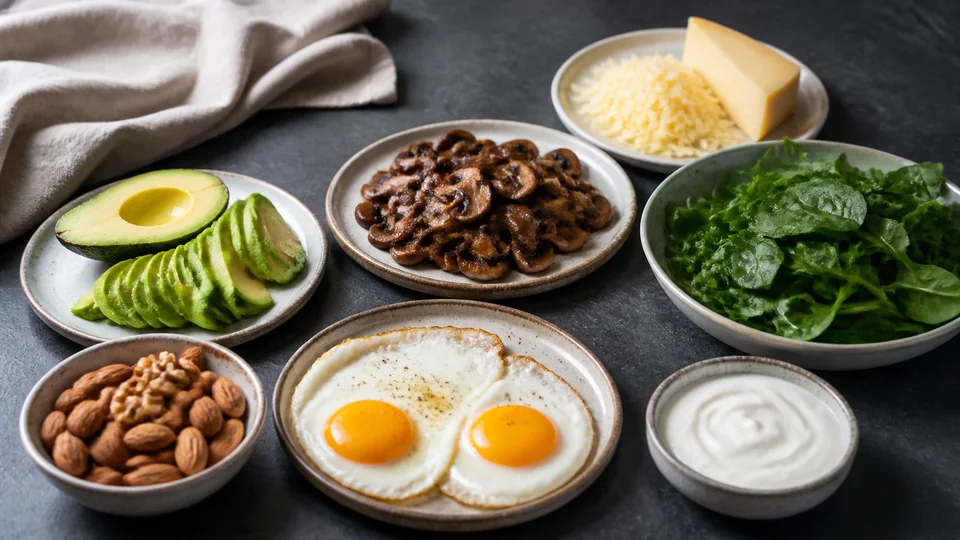
This article helps readers already using an appropriate very-low-carbohydrate pattern make practical breakfast decisions. It does not prescribe keto, promise ketosis or weight loss, or replace a clinician and registered dietitian. For other morning structures, use the breakfast hub; the wider Pancake World collection covers additional formats.
For broader context, continue with Healthy Pancake Guides.
Define the plan before choosing the food
“Keto” is used loosely on menus and packages. A breakfast can look low in bread or sugar while still exceeding the carbohydrate limit set for one person’s plan. Conversely, a food containing some carbohydrate may fit a clinician-approved pattern when its portion and the rest of the day are considered.
The American Diabetes Association’s professional nutrition resource distinguishes low-carbohydrate from very-low-carbohydrate patterns in its evidence review. It describes low carbohydrate as 26–45 percent of energy and very low carbohydrate as below 26 percent, often with a goal of 20–50 grams of non-fiber carbohydrate per day. Those are research-framework descriptions, not a target this page assigns to you.
Before planning breakfast, know:
- whether your plan tracks Total Carbohydrate or another clinician-defined measure;
- the daily and meal allocation set for you, if any;
- how medications, activity and meal timing interact;
- whether you need to monitor ketones or blood glucose;
- foods excluded for allergy, kidney, digestive, pregnancy or other medical reasons;
- the serving units you can measure consistently.
If those decisions have not been made, choose a generally varied breakfast and speak with a qualified professional rather than adopting a strict limit from a recipe headline.
Read the Nutrition Facts panel in a fixed sequence
The FDA tells consumers to start with servings per container and serving size because every nutrient number on the panel refers to that amount. A small-looking package may contain multiple servings. A tablespoon, slice and gram weight are not interchangeable unless the label makes the relationship clear.
Use this sequence:
- Serving size: identify the actual grams, pieces or volume.
- Servings consumed: multiply the panel when eating more than one serving.
- Total Carbohydrate: use the declared number required on the label.
- Dietary Fiber, Total Sugars, Added Sugars and sugar alcohols: read them as subcomponents or related declarations, not as replacements for Total Carbohydrate.
- Saturated fat and sodium: strict carbohydrate restriction does not make these fields irrelevant.
- Protein and micronutrients: consider the full food, not only one number.
- Ingredient list and allergens: verify composition, sweeteners, starches and cross-contact statements.
FDA’s food-labeling guide states that Total Carbohydrate includes dietary fiber. The standard Nutrition Facts panel does not present “net carbs” as a required nutrient line. Manufacturers and diet programs may use different calculations, particularly around fiber and sugar alcohols. If your clinician has given you a method, follow that method consistently. Otherwise, the transparent comparison is the labeled serving and Total Carbohydrate.
Never compare two products when their serving amounts differ without normalizing them. A bread advertising one gram per tiny slice is not directly comparable with a tortilla listing a much heavier serving.
A practical breakfast construction model
Build the plate from roles rather than a long list of “allowed” foods.
| Role | Examples to evaluate | Decision question |
|---|---|---|
| protein anchor | eggs, fish, chicken, turkey, tofu, plain dairy, cheese | is the portion defined and safely prepared? |
| non-starchy vegetable | greens, mushrooms, peppers, zucchini, cauliflower, cabbage | does the amount and preparation fit the plan? |
| measured fat or garnish | avocado, olives, nuts, seeds, olive oil, butter | is it adding flavor and texture or simply excess? |
| optional base | low-carbohydrate bread, tortilla, seed cracker or vegetable base | what does the exact label say for the amount eaten? |
| contrast | herbs, spices, hot sauce, lemon, pickled vegetables | are sugar, sodium and allergens checked? |
This model keeps breakfast varied. It also prevents the common pattern of replacing toast and cereal with a plate made only of bacon, butter and cheese. Keto describes carbohydrate restriction; it does not erase food variety, ingredient quality, fiber, saturated fat or sodium from consideration.
The listed foods are candidates, not automatic approvals. Milk, yogurt, nuts, vegetables, processed meat and sauces all contain or may contain carbohydrate in product-specific amounts. Read the label or reliable food data for the exact food and portion.
Eggs: flexible, but not nutritionally blank
Eggs work across omelets, scrambles, bakes, salads and portable cups. They also combine easily with vegetables and leftovers. Their presence does not make every finished dish low in carbohydrate: milk, sweet sauces, potato, bread, flour thickeners and packaged seasoning can change the total.
Choose the egg format by service need:
- scramble: fastest for one or two portions and easy to combine with cooked vegetables;
- omelet: keeps filling distinct but needs a restrained amount to fold cleanly;
- baked egg dish: useful for groups only when built from a complete tested recipe;
- hard-cooked egg: portable when cooled and refrigerated correctly;
- egg cup: portionable, but additions and liners still need labels.
FDA guidance says egg dishes should reach 160°F. Reheated cooked egg dishes should reach 165°F. Keep eggs refrigerated at 40°F or below and refrigerate cooked egg foods within two hours. Do not use a runny center as the default recommendation for children, older adults, pregnant people or anyone with a weakened immune system.
Add vegetables after managing their water. Cook mushrooms, spinach or zucchini enough that released liquid does not pool in the egg. Cool cooked vegetables before combining them in a make-ahead dish, and use a complete formula so vessel depth and bake time are known.
Fish, poultry, meat and tofu
USDA MyPlate identifies seafood, eggs, meats, poultry, nuts, seeds and soy products as protein-food options. The federal food-group list is not a keto plan; it simply confirms the breadth of the category. Carbohydrate and preparation still depend on the product.
Fish
Plain salmon, trout, sardines or tuna can support a savory breakfast. Check smoked, canned and flavored forms for sodium, added sugar, sauces and serving size. Keep refrigerated fish within package guidance and avoid treating smoking as a universal room-temperature preservation method.
Poultry and meat
Use safely cooked leftovers with a known date, or cook from a complete method. Sausage, bacon, deli meat and pre-seasoned patties vary in sugar, starch, sodium and allergens. “Meat” does not mean zero carbohydrate after processing.
Pair a modest portion with vegetables rather than adding several processed meats to the same plate. Reheat leftovers to 165°F, and do not use a slow cooker as a cold-leftover reheating device.
Tofu and soy foods
Plain tofu can be crumbled with vegetables or crisped in a skillet. Tempeh, flavored tofu and meat substitutes have different carbohydrate and sodium profiles. MyPlate includes tofu and tempeh among protein foods, but the exact label decides whether a product fits the chosen plan.
Press or drain tofu according to the package and recipe. Cook vegetables separately if their moisture prevents browning. Use spices whose blends have been checked for sugar and allergens.
Non-starchy vegetables belong at breakfast
USDA MyPlate divides vegetables into subgroups and lists options such as leafy greens, peppers, mushrooms, cauliflower, cabbage, cucumber, asparagus and zucchini alongside starchy choices such as potatoes, corn and peas. A keto plan usually distinguishes among them by carbohydrate amount, but exact portions matter.
Vegetables can fill four breakfast functions:
- volume in an omelet or scramble;
- a crisp base for eggs, fish or tofu;
- moisture and acidity in a fresh salsa;
- a warm side replacing a grain-based item.
Prepare them for texture. Roast cauliflower until dry at the edges, sauté mushrooms until released water evaporates, wilt greens briefly, or keep cucumber and cabbage cold. Combining three watery vegetables under eggs produces a diluted plate even when the carbohydrate count fits.
Frozen and canned vegetables can be practical. Read ingredients for sauces, starches and added sugars, then drain or thaw as the complete method requires. A frozen cauliflower product with a cheese sauce is not nutritionally identical to plain florets.
Do not call all vegetables “free.” Tomatoes, onions, peppers and other non-starchy choices still contribute carbohydrate. The exact plan determines the amount.
Dairy and cheese require label-level decisions
Cheese, plain Greek-style yogurt, cottage cheese, cream and milk are often discussed in keto menus, but they are not interchangeable. Lactose, added sugar, thickeners, flavorings and serving sizes differ. A sweetened yogurt can have a very different label from plain yogurt; a flavored coffee creamer can change an otherwise simple drink.
Use dairy by function:
- cheese for salt, flavor and structure in an egg dish;
- plain yogurt as a cold bowl base when its carbohydrate fits;
- cottage cheese as a protein component with seeds or vegetables;
- cream or milk as a measured ingredient, not an uncounted splash;
- butter for cooking or finishing, not as a substitute for every food group.
Check saturated fat and sodium in addition to carbohydrate. FDA’s label guidance explicitly supports using percent Daily Value to compare nutrients you may want more or less of. A very-low-carbohydrate goal does not make the rest of the panel disappear.
For lactose intolerance, milk allergy or another restriction, use the appropriate medically safe alternative and verify the exact package. “Dairy-free” and “low carb” answer different questions.
Nuts, seeds, avocado and olives
Nuts and seeds can add crunch, measured fat and some protein. Their small size makes portions easy to underestimate. Weigh or measure the amount used until your usual portion is reliable, and compare products with equivalent serving weights.
Choose plain or simply seasoned versions when you want composition to remain visible. Candied nuts, granola-style clusters, flavored nut butters and seed mixes may include sugar, starch or dried fruit. Nut and seed allergies require strict separation and label review.
Avocado can replace a spread or add a creamy element to a bowl. Olives provide a salty contrast. Neither should be treated as unlimited because it is associated with keto. Decide the role, measure the amount if the plan requires it, and balance sodium across the plate.
For make-ahead service, cut avocado close to eating and keep prepared food refrigerated. Browning is a quality change and does not provide a complete safety assessment.
Breakfasts without eggs
Keto breakfast does not have to mean eggs every day. Use one of these transparent templates:
Savory tofu skillet
Combine a defined portion of plain tofu with cooked mushrooms, peppers and greens, then finish with herbs or an exact labeled sauce. Use a complete method for temperature and timing.
Fish and vegetable plate
Serve a safely stored fish portion with cucumber, greens, avocado and a checked dressing. Retain fish packaging for sodium, ingredient and storage information.
Plain yogurt bowl
Select a yogurt whose serving and Total Carbohydrate fit the plan. Add a measured amount of seeds, nuts and a small portion of fruit only if individually allowed. Do not import a generic nutrition total after changing brands or toppings.
Leftover protein bowl
Reheat chicken, pork or beef to 165°F and serve over vegetables with a measured garnish. Keep fresh elements separate until the hot food is ready.
Cottage-cheese savory bowl
Pair an exact labeled portion with cucumber, herbs, pepper and seeds. Check sodium and milk allergen status.
These are assembly concepts, not tested recipes. The product labels and the person’s plan determine the final carbohydrate amount.
What about keto bread, tortillas, cereal and pancake mixes?
Packaged replacements can add convenience, but the category name is not enough. Start with serving size and Total Carbohydrate. Then read fiber, sugar alcohols, protein, saturated fat, sodium, ingredients and allergens.
Products may advertise “net carbs” using a calculation that differs from another manufacturer or diet program. FDA requires Total Carbohydrate and includes dietary fiber within it; it does not require a standardized net-carbohydrate nutrient line. Do not subtract every sugar alcohol automatically or assume a package’s front number matches a clinician’s method.
Check physical serving reality. If the panel defines one small tortilla but breakfast uses two, count two labeled servings. If a pancake mix lists dry mix but preparation adds milk, yogurt or another ingredient, the finished meal differs from the dry-mix panel.
Use only a complete tested recipe for pancake batter. Alternative flours, fibers, gums, eggs and leaveners behave differently; a list of “keto ingredients” is not a formula. Do not publish a nutrition estimate without the exact product data, quantities and yield.
Hidden-carbohydrate checkpoints
Look carefully at:
- sweetened coffee drinks and creamers;
- ketchup, barbecue sauce and bottled dressings;
- sausage, bacon and meat substitutes;
- flavored yogurt and cottage-cheese cups;
- nut and seed clusters;
- breading on meat, fish or vegetables;
- seasoning packets and gravy mixes;
- smoothies and juice;
- milk used in eggs or drinks;
- restaurant marinades, glazes and garnishes.
“No added sugar” does not mean no carbohydrate. “Gluten-free” does not mean keto. “High protein” does not establish the carbohydrate amount. Each statement addresses a different property.
When a restaurant cannot provide exact data, choose a simpler preparation whose ingredients are visible, request sauces separately and accept that the count remains an estimate. Do not claim precision that the evidence does not support.
Keep convenience from narrowing the food range
A workable breakfast pattern needs options for hurried days, packed meals and slower weekends. Convenience does not require a branded keto product. Hard-cooked eggs with cut vegetables, a plain yogurt portion with seeds, leftover chicken over greens, or tofu with reheated vegetables can all be assembled from ordinary foods when their exact amounts fit the plan.
Create a three-level pantry and refrigerator system:
- ready now: safely stored cooked eggs, plain dairy, canned fish, washed vegetables and pre-portioned nuts;
- ten-minute components: eggs for scrambling, tofu, mushrooms, greens and a labeled leftover portion;
- planned batch items: a complete egg-bake, muffin or pancake formula whose yield and product data have been calculated.
Rotate the protein anchor instead of buying several versions of low-carbohydrate bread. Keep an inventory with production dates so “meal prep” does not become a collection of unidentified containers. If a packaged convenience item is used, record its serving mass and the number of pieces actually eaten.
This system also makes substitutions visible. Replacing plain yogurt with flavored yogurt, fresh chicken with a glazed product, or raw nuts with a sweetened mix is a new nutrition calculation. Convenience is valuable when it reduces time while preserving accurate labels, variety and safe handling—not when it hides what changed.
Make-ahead planning and food safety
Batch cooking reduces morning decisions, but only if the food is cooled, labeled and reheated correctly.
Use this workflow:
- select a complete recipe and exact products;
- record servings and package data before discarding labels;
- cook eggs, meat and other components to required endpoints;
- divide hot food into shallow containers for prompt cooling;
- refrigerate within two hours, or one hour above 90°F;
- label with food name, production date and allergens;
- reheat leftovers to 165°F;
- add avocado, cold vegetables and crunchy toppings after reheating.
Do not batch a week of egg dishes based on a vague online storage promise. Follow the complete recipe and federal leftover guidance; freeze portions when the recipe supports freezing. Refrigerator temperature should be 40°F or below.
For packed breakfast, use insulated cold storage with adequate cold sources for perishable food. If reheating at work, spread the food evenly, cover, rotate or stir, allow standing time and check multiple places.
Eating out and ordering coffee
At a restaurant, ask specific questions rather than “Is this keto?”:
- Is sugar or starch added to the meat or sauce?
- Are the eggs mixed with milk or a prepared egg blend?
- Are vegetables cooked with a glaze?
- Can bread, potatoes and sauce be served separately?
- Is nutrition information available for the exact item?
A simple order might use eggs, a plain protein and non-starchy vegetables, but exact preparation still matters. Keep expectations realistic: cross-contact and proprietary recipes may prevent a definitive count.
Coffee and tea themselves can be simple, while syrups, sweetened milks, powdered mixes and large pours of dairy change the drink. Ask for additions on the side and record what you actually use. Do not assume a “sugar-free” flavored syrup has zero carbohydrate or no effect on an individual.
Medical boundaries that should not be buried
A consumer very-low-carbohydrate breakfast plan is not the same as medical ketogenic therapy for epilepsy. Johns Hopkins states that epilepsy patients should use ketogenic diet therapy with a knowledgeable team including a doctor and licensed dietitian who calculate and monitor the plan. Do not substitute an online food list for that protocol.
For diabetes, the American Diabetes Association notes that fasting or a very-low-carbohydrate eating plan can be a risk factor for elevated ketones, especially in contexts involving insufficient insulin, SGLT2 inhibitors, illness, dehydration or pregnancy. Major carbohydrate changes can alter medication and glucose-management needs.
Therefore:
- do not reduce or stop insulin or another medication based on this article;
- do not use ketosis as proof that a breakfast is safe;
- do not ignore nausea, vomiting, fatigue or other urgent symptoms;
- follow the ketone-testing and emergency plan provided by the diabetes care team;
- seek medical advice before strict restriction during pregnancy, childhood, kidney disease, an eating disorder or another condition requiring nutrition management.
The goal here is accurate food selection, not treatment.
Common mistakes
Counting a front-label claim instead of the serving eaten
Turn the package around. Multiply the Nutrition Facts values by the number of servings actually used.
Treating bacon, cheese and butter as a complete pattern
Add protein diversity and non-starchy vegetables. Review saturated fat, sodium and fiber rather than tracking one nutrient alone.
Calling every vegetable low carb
Starchy and non-starchy vegetables differ, and portions matter. Check the exact food data.
Ignoring milk, sauce and seasonings
Small additions accumulate. Measure them and read labels.
Assuming net carbs has one universal definition
FDA requires Total Carbohydrate and includes fiber within it. Follow a clinician-defined calculation when applicable; otherwise do not manufacture precision.
Using a generic nutrition total after substitutions
A different yogurt, tortilla, nut butter or serving changes the result. Recalculate from exact labels.
Starting strict keto while changing medication alone
Medication and carbohydrate changes can interact. Coordinate with the prescribing clinician.
A seven-day variety map without recipes
This map rotates food roles; it does not assign portions or carbohydrate totals.
| Day | Protein anchor | Vegetable direction | Optional finish |
|---|---|---|---|
| 1 | eggs | mushrooms and spinach | herbs and avocado |
| 2 | plain tofu | peppers and cabbage | sesame or checked sauce |
| 3 | salmon | cucumber and greens | olives and lemon |
| 4 | leftover chicken | cauliflower and zucchini | measured cheese |
| 5 | plain yogurt | no vegetable required; use plan-approved fruit if applicable | seeds and nuts |
| 6 | cottage cheese | cucumber and tomato if allowed | herbs and pepper |
| 7 | eggs or tempeh | leftover roasted non-starchy vegetables | hot sauce with label checked |
Choose exact portions from the individual plan and use complete preparation methods. A variety map prevents monotony without pretending that every row fits every person.
Frequently asked questions
What can I eat for a keto breakfast?
Start with eggs, fish, poultry, tofu, cheese or plain dairy; add non-starchy vegetables; then choose a measured garnish such as avocado, olives, nuts or seeds. Verify every product and portion against the plan.
Is oatmeal keto?
Do not decide from a category slogan. Oats are a carbohydrate-containing grain. Whether any portion fits depends on the exact plan, amount and rest of the meal. Use reliable data and professional guidance.
Are eggs zero carb?
Use the exact food data rather than an absolute statement. More importantly, the finished egg dish can gain carbohydrate from milk, vegetables, sauce, starch or bread.
What does net carbs mean?
It is a calculation used by some products and diet plans, not a required FDA nutrient line. FDA Total Carbohydrate includes dietary fiber. Follow the calculation specified by your clinician or program and keep it consistent.
Can I eat fruit?
Fruit contains carbohydrate in varying amounts. A small portion may fit some plans and not others. Check the exact fruit, amount and individual target rather than using a universal banned-food list.
Is keto safe for diabetes?
That is a medical decision. Very-low-carbohydrate eating can affect glucose, insulin and other medication needs, and the ADA identifies ketone risks in specific contexts. Consult the diabetes care team before a major change.
Is this the same diet used for epilepsy?
No. Clinical ketogenic therapy for epilepsy is calculated and monitored by a specialized medical team. This general breakfast guide cannot replace it.
How do I meal-prep keto breakfasts?
Use complete recipes, exact labels, shallow cooling, date and allergen labels, refrigeration at 40°F or below and 165°F reheating for leftovers. Add cold or crisp components after heating.
Final decision
The best keto breakfast is not the one with the loudest front-label claim. It is a meal that fits an individually appropriate plan, uses a defined portion, includes varied foods, and can be verified from labels or reliable data.
Start with protein and non-starchy vegetables, add a measured fat or garnish, and treat breads, tortillas, yogurt, sauces and drinks as label-dependent decisions. Keep Total Carbohydrate, serving size, saturated fat, sodium, ingredients and allergens visible. When a medical condition or medication is involved, the care team—not an online breakfast list—sets the boundary.
Before planning seven identical breakfasts, test the workflow across two mornings. On the first evening, record the exact product, serving size, Total Carbohydrate line, ingredient list and allergen statement for each packaged item. On the second morning, compare the planned portion with what was actually served and note any sauce, drink or garnish that changed the calculation. This small audit catches label and portion drift while choices are still easy to adjust.
Explore related Pancakes World guidance on American Pancakes, American Breakfast: Pancakes, Diner Plates and Brunch, and Maple Syrup.
Sources and editorial references
- U.S. Food and Drug Administration, “How to Understand and Use the Nutrition Facts Label”:
https://www.fda.gov/food/nutrition-facts-label/how-understand-and-use-nutrition-facts-label - U.S. Food and Drug Administration, “Food Labeling Guide”:
https://www.fda.gov/media/81606/download?attachment= - American Diabetes Association, “Diabetes Nutrition & Wellness”:
https://professional.diabetes.org/clinical-support/nutrition-wellness - American Diabetes Association, “Managing Ketones with Diabetes”:
https://diabetes.org/living-with-diabetes/managing-ketones - Johns Hopkins Medicine, “Ketogenic Diet Therapy for Epilepsy”:
https://www.hopkinsmedicine.org/neurology-neurosurgery/specialty-areas/epilepsy/diet-therapy - USDA MyPlate, “Protein Foods Group”:
https://www.myplate.gov/web/web/eat-healthy/protein-foods - USDA MyPlate, “Vegetable Group”:
https://www.myplate.gov/web/web/eat-healthy/vegetables - U.S. Food and Drug Administration, “What You Need to Know About Egg Safety”:
https://www.fda.gov/media/82227/download - USDA Food Safety and Inspection Service, “Leftovers and Food Safety”:
https://www.fsis.usda.gov/food-safety/safe-food-handling-and-preparation/food-safety-basics/leftovers-and-food-safety