Indian breakfast menu
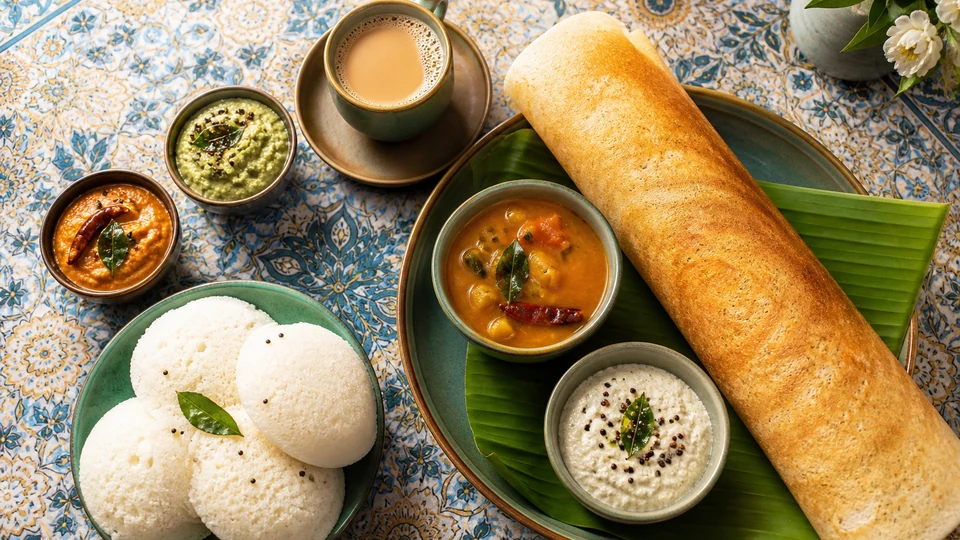
At Pancakes World, an Indian breakfast menu works best as a small, specific selection rather than a claim to represent an entire country. Choose one main dish—such as poha, idli with sambar and chutney, a dosa, paratha with an accompaniment, or an egg-and-flatbread plate—then add one fresh or cooling side and tea or coffee. Match the menu to the region or style you actually plan to cook, the time available, and guests’ dietary needs. For a home brunch, two mains are usually enough: one that can be prepared ahead and one cooked or finished close to serving.
For broader context, continue with World Pancakes: Dishes and Traditions.
Direct answer for an Indian breakfast menu
A practical menu can be assembled in three parts: a prepared staple, a bright accompaniment, and a drink. For example, serve vegetable poha with plain yoghurt and fruit; idli with sambar and coconut chutney; dosa with potato filling and chutney; or paratha with pickle and yoghurt. If eggs suit the guests, an egg dish with flatbread gives another route. These are examples, not a definitive national list.
India contains many regional cuisines, household traditions, religious practices, and ingredient preferences. Name the dish and its source rather than calling one plate “the authentic Indian breakfast.” Sanjeev Kapoor’s published recipes show concrete differences: idli uses a fermented rice-and-urad-dal batter and steaming, while Indori poha uses pressed rice with its own seasoning and garnishes. Those methods require different schedules.
What the reader needs to know
Plan by production method
The smartest menu is one whose tasks do not all compete for the same pan at the same minute. Idli batter involves soaking and fermentation before steaming. Poha is a comparatively short stovetop preparation once ingredients are ready. Dosa batter also requires advance work and each dosa is cooked to order. Paratha needs rolling and griddle time. Tea requires attention but little workspace.
Choose one “service bottleneck.” If dosa is the feature, keep the other items ready to spoon. If poha is the hot main, fruit and yoghurt can be portioned in advance. If idli is steamed shortly before service, make sambar and chutney earlier according to their recipes.
Use authoritative recipes for the actual dishes. This page does not collapse idli, poha, dosa, upma, paratha, and egg plates into one invented master method.
A compact menu matrix
| Main direction | Advance work | Last-minute work | Useful accompaniments |
|---|---|---|---|
| Poha | Chop and measure seasonings | Soften and season pressed rice | Lemon, coriander, yoghurt, fruit |
| Idli | Soak, grind, ferment; prepare sides | Steam and unmould | Sambar and recipe-specific chutney |
| Dosa | Prepare and ferment batter as required | Spread and cook each dosa | Potato filling, chutney, sambar |
| Paratha | Prepare filling and dough | Roll and griddle | Pickle, yoghurt, simple salad |
| Egg and flatbread | Prepare onion, tomato, herbs or curry base | Cook eggs and warm bread | Fresh tomato, herbs, lemon |
The accompaniments are suggestions, not guarantees of dietary status. Yoghurt is dairy; some chutneys contain nuts or sesame; flatbreads may contain wheat or dairy fat; prepared pickles vary in ingredients. Check each part.
Practical options and examples
Menu one: quick stovetop breakfast
- Vegetable poha from a credible regional recipe
- Plain yoghurt or a verified plant alternative
- Orange, mango, melon, or another available fruit
- Masala chai or plain tea
Sanjeev Kapoor’s Indori poha recipe documents pressed rice, seasoning, potato, onion, peas, lemon, herbs, and garnishes. Use its exact method if making that named version. Do not add every possible garnish and still claim a fixed regional identity.
Menu two: steamed centrepiece
- Idli
- Sambar
- Coconut chutney
- Fresh fruit
- Coffee or tea
The published Sanjeev Kapoor idli formula uses parboiled rice and split skinless black gram, with long soaking and fermentation before steaming. That means this is an overnight plan, not a spontaneous morning menu. Use separate trusted recipes for sambar and chutney and review allergens in each.
Menu three: cook-to-order brunch
- Dosa with one filling
- One chutney and sambar
- A ready fruit plate
- Drinks set up away from the pan
Cook the first dosa as a calibration piece, then serve in a steady sequence. Avoid offering several fillings unless another cook can manage them. A hot dosa loses texture while waiting, so seat guests before production starts.
Menu four: eggs and flatbread
- Spiced eggs or curried fried eggs
- Naan, roti, or another suitable bread
- Tomato, herbs, and lemon
- Plain yoghurt if desired
Australian Eggs publishes a curried fried-egg open naan using bread, egg, onion, curry paste, labneh, tomato, coriander, and lemon. That is a modern breakfast example, not proof of a universal traditional menu. Use it with its stated identity and check that packaged curry paste and bread meet guest requirements.
For an entirely different breakfast style, Greek yogurt breakfast offers a bowl-based route. Buttermilk hotcake and millet flour pancakes vegan solve individual pancake questions rather than defining an Indian menu.
Choosing the right approach
Choose by four limits: time, equipment, guest needs, and serving style. With thirty minutes and one pan, poha or an egg plate is more realistic than a fermented-batter spread. With overnight preparation and a steamer, idli is feasible. With a large griddle and guests seated nearby, dosa can be the event.
Keep the menu culturally specific enough to be honest. “South Indian-style idli breakfast” communicates more than a random national assortment. “Indori poha menu” should use a documented Indori method rather than any pressed-rice dish with an added garnish.
The breakfast hub provides broader planning routes. Pancake World treats this page as an international menu guide, not a venue listing or a statement that all Indian households eat the same breakfast.
Common mistakes
- Choosing three cook-to-order mains and leaving guests waiting.
- Starting a fermented batter on the morning it is needed.
- Calling every spiced egg or flatbread dish traditional without a reliable source.
- Assuming vegetarian means vegan; yoghurt, ghee, butter, paneer, or egg may be present.
- Assuming rice-based means gluten-free; sauces, asafoetida blends, bread, and cross-contact still need review.
- Serving every accompaniment in large quantities instead of making one or two well.
- Copying a recipe’s cultural description while changing its defining ingredients.
- Leaving cooked food at room temperature through a long event without an appropriate holding plan.
Step-by-step checklist
The day before
- Confirm guest allergies, vegan or vegetarian needs, and tolerance for heat.
- Select exact recipes and retain their ingredient lists.
- Start soaking or fermentation only according to those sources.
- Prepare chutney or sambar ahead only when the recipe gives suitable storage instructions.
- Buy fruit, yoghurt or alternatives, drinks, and garnishes.
- Label any dish with major allergens or animal-derived ingredients.
Before service
- Set out plates, bowls, spoons, and serving utensils.
- Prepare fruit and cold accompaniments; keep chilled foods refrigerated.
- Reheat make-ahead items thoroughly as the recipe directs.
- Finish chopping herbs and lemon.
- Position the drink station away from the main cooking zone.
- Test the steamer or griddle before guests arrive.
During service
- Put ready accompaniments on the table first.
- Cook or steam the centrepiece in a predictable batch.
- Keep separate utensils with dishes that differ in dairy, egg, gluten, or nut content.
- Refill in small quantities rather than exposing the whole supply.
- Name the dishes plainly and identify the source-inspired regional style.
Variations or substitutions when relevant
For a vegan menu, choose dishes whose full default recipes avoid dairy, egg, and animal-derived garnishes. Replace yoghurt only with a suitable alternative and do not use ghee or butter. For gluten-free needs, verify each packaged ingredient and preparation surface; do not assume a rice or lentil base resolves the entire plate.
For Australian kitchens, use locally available produce and clearly describe adaptations. Ingredient availability can justify a variation, but it does not justify an unsupported authenticity claim. Frozen peas, available citrus, or a different mild chilli can be practical when the source permits flexibility.
For children or heat-sensitive guests, keep chilli at the table and build flavor with the recipe’s aromatics. Do not remove every spice and retain a specific regional label without explanation.
For a small group, offer one main and two accompaniments. For a larger buffet, choose dishes that portion cleanly and designate one cook for the last-minute item. The related guides pancakes using buttermilk and vegan protein powder pancakes no flour may suit other breakfast themes, but they are not evidence for this menu.
A service timeline that avoids congestion
For an idli menu, count backward from breakfast. Begin the recipe’s soaking and fermentation stages at the times the source gives, not at a generic overnight hour. Prepare shelf-stable dry ingredients and serving dishes in advance. On the morning, bring sambar to its proper serving condition, arrange chutney and fruit, then heat the steamer. Steam in batches sized for the equipment and serve while the texture is fresh.
For poha, wash or moisten the pressed rice only as the selected formula instructs; products differ in thickness and can become mushy if treated identically. Measure the tempering ingredients before heating oil, because mustard seed, curry leaves, chilli, and spices can move quickly once the pan is hot. Hold lemon, coriander, sev, pomegranate, or other finishing elements until the documented version calls for them.
For dosa, prepare all accompaniments before the first pour. Keep a ladle, spreading tool, oil, spatula, and clean plate within reach. One cook should control the griddle, while another person can replenish chutney or drinks. If that staffing is unavailable, reduce the menu rather than allowing several hot dishes to decline together.
Estimate portions from the yields of the actual recipes. Do not apply one universal “pieces per guest” rule: idli size, dosa diameter, appetite, and the number of sides all differ. Make a small reserve where practical, but avoid multiplying unfamiliar fermented formulas far beyond the equipment capacity. A recipe that works in one bowl may need separate batches when scaled.
After service, cool and store leftovers according to their individual recipes and ordinary food-safety requirements. Keep chutney, yoghurt, cooked egg, and cooked grain dishes identified separately. A single buffet label such as “Indian breakfast leftovers” loses the information needed to handle each component correctly.
Photograph or write down the final menu only for planning the next occasion, not as evidence that it represents every regional tradition. Record which dish caused the service bottleneck and simplify that point next time.
Explore related Pancakes World guidance on American Pancakes, American Breakfast: Pancakes, Diner Plates and Brunch, and Maple Syrup.
Sources and editorial references
- Sanjeev Kapoor: Idli —
https://www.sanjeevkapoor.com/Recipe/Idli-.html— recognized culinary source for the rice-and-urad-dal preparation, fermentation, steaming, and traditional accompaniments in that recipe. - Sanjeev Kapoor: Indori Poha —
https://www.sanjeevkapoor.com/Recipe/Indori-Poha---SK-Khazana.html— recognized culinary source for one named pressed-rice breakfast variation and its seasonings. - Sanjeev Kapoor: Poha Idli —
https://www.sanjeevkapoor.com/Recipe/Poha-Idli-KhaanaKhazana.html— documented example showing that poha can also appear in a distinct fermented steamed preparation. - Australian Eggs: Curried Fried Egg Open Naan —
https://www.australianeggs.org.au/recipes-and-cooking/curried-fried-egg-open-naan— Australian culinary example of a modern Indian-inspired egg-and-flatbread breakfast.
Evidence checked 16 August 2026. Recipe pages and ingredient products may change; use the current source and current labels.