Healthy egg breakfast recipes
At Pancakes World, a practical egg breakfast pairs a thoroughly cooked egg dish with vegetables, fruit or whole grains and uses a portion appropriate to the diner. This page offers planning patterns rather than medical advice, calorie promises or a claim that one breakfast is universally healthy. Use the editorial platform to connect healthy egg breakfast recipes with the wider breakfast and pancake collection.
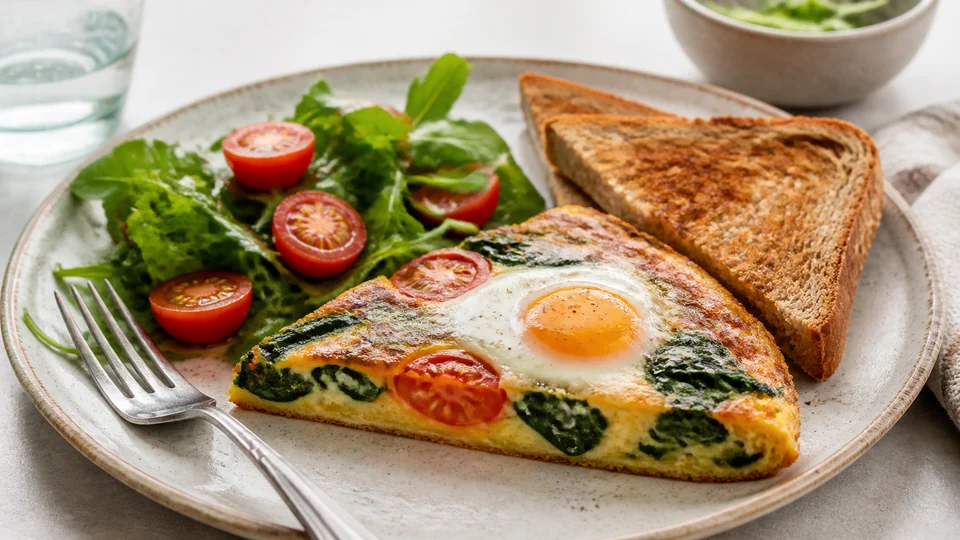
Nutrition needs vary, and “healthy” is not a substitute for an ingredient list. Egg safety, allergies, sodium, added ingredients and individual clinical advice remain separate decisions. The parent Pancake Science hub records the approved R10 context for healthy egg breakfast recipes.
| Guide sections |
|---|
| Choose the working format before shopping |
| A controlled preparation sequence |
| Practical diagnostics |
| Food-safety and factual boundary |
For broader context, continue with Healthy Pancake Guides.
Choose the working format before shopping
For healthy egg breakfast recipes, compare vegetable omelet with toast, baked eggs for a group and egg-and-grain bowl before buying ingredients. That comparison reveals the service format, occupied equipment and required finish time. Every cooked component still needs one complete source formula with its own quantities and endpoint cues.
Vegetable omelet with toast
Use a complete omelet method and keep the filling modest enough for the egg to set and fold. Cook watery vegetables before they enter the center, and pair the finished omelet with toast or fruit instead of hiding the portion under heavy toppings.
Baked eggs for a group
Individual ramekins or a documented casserole can reduce pan-side service. The source must specify vessel dimensions, oven setting and a cooked endpoint; visual browning at the edge does not establish that the center is ready.
Egg-and-grain bowl
Place a cooked egg over a prepared grain with vegetables and an acidic garnish. Keep each component traceable, especially when leftovers are used, and assemble only after every hot element has reached its required endpoint.
Breakfast wrap with controlled moisture
Cook the egg and vegetables before filling the wrap, then keep salsa or juicy tomatoes separate for transport. A smaller, well-sealed portion reheats and handles more predictably than an overfilled wrap.
Egg alongside pancakes
Treat the egg and pancake as two recipes with separate raw-food controls. Avoid moving the same utensil from raw batter or egg to cooked food, and time the batches so neither component sits waiting.
A controlled preparation sequence
The healthy egg breakfast recipes sequence below connects choose one complete egg recipe and check the ingredient labels for allergens and sodium-sensitive additions. with serve promptly with the planned plant and grain components; cool leftovers without leaving them on the table. A written order exposes equipment conflicts before heat begins, while separate work zones protect finished vegetable omelet with toast components from raw-food contact.
1. Choose one complete egg recipe
Choose one complete egg recipe and check the ingredient labels for allergens and sodium-sensitive additions.
2. Prepare vegetables and grains before
Prepare vegetables and grains before cracking eggs so raw-egg contact remains contained.
3. Cook to the endpoint given
Cook to the endpoint given by the source and authoritative egg-safety guidance.
4. Serve promptly with the planned
Serve promptly with the planned plant and grain components; cool leftovers without leaving them on the table.
Practical diagnostics
When healthy egg breakfast recipes misses its target, compare the observed result with vegetable omelet with toast and egg alongside pancakes controls first. Record one measurable variable—such as cut size, pan area, batch depth, ingredient identity, temperature, order or holding time—before changing the next attempt.
- Rubbery eggs often come from excessive heat or extended holding, not from a lack of cheese.
- A watery scramble can result from wet vegetables added too late or an overloaded pan.
- A browned casserole edge with a loose middle points to vessel depth or incomplete cooking.
- If the meal feels heavy, review portion and accompaniments instead of labelling the egg itself as the problem.
Food-safety and factual boundary
For healthy egg breakfast recipes, U.S. FDA, “What You Need to Know About Egg Safety” supports only its named domain, while FoodSafety.gov, “Safe Minimum Internal Temperatures” supplies a separate boundary. Neither source establishes a Pancake World test record, a medical outcome, or identical behaviour across every appliance and ingredient.
Quantities, timing, yield and storage for healthy egg breakfast recipes must come from the selected complete recipe. Keep its perishable components under appropriate temperature control; prevent cross-contact around baked eggs for a group; read current labels; and discard any batch with an uncertain time or temperature history.
Contextual routes for the next decision
- In Healthy egg breakfast recipes, compare Quick breakfast menu for vegetable omelet with toast decisions.
- In Healthy egg breakfast recipes, compare Veggie breakfast for egg-and-grain bowl sequencing.
- In Healthy egg breakfast recipes, compare Crockpot breakfast potatoes for egg alongside pancakes service choices.
Frequently asked questions
Are eggs automatically a complete breakfast?
No single ingredient supplies every menu goal; pairings and portion context matter.
Can runny eggs be used?
People at higher risk should follow current FDA guidance and choose thoroughly cooked eggs.
Is egg white always the healthier choice?
That is an individual nutrition decision; this guide does not prescribe a universal swap.
Explore related Pancakes World guidance on American Pancakes, American Breakfast: Pancakes, Diner Plates and Brunch, and Maple Syrup.
Sources and editorial references
- U.S. FDA, “What You Need to Know About Egg Safety” —
https://www.fda.gov/food/buy-store-serve-safe-food/what-you-need-know-about-egg-safety - FoodSafety.gov, “Safe Minimum Internal Temperatures” —
https://www.foodsafety.gov/food-safety-charts/safe-minimum-internal-temperatures - USDA MyPlate, “What Is MyPlate?” —
https://www.myplate.gov/eat-healthy/what-is-myplate