Greek yogurt breakfast
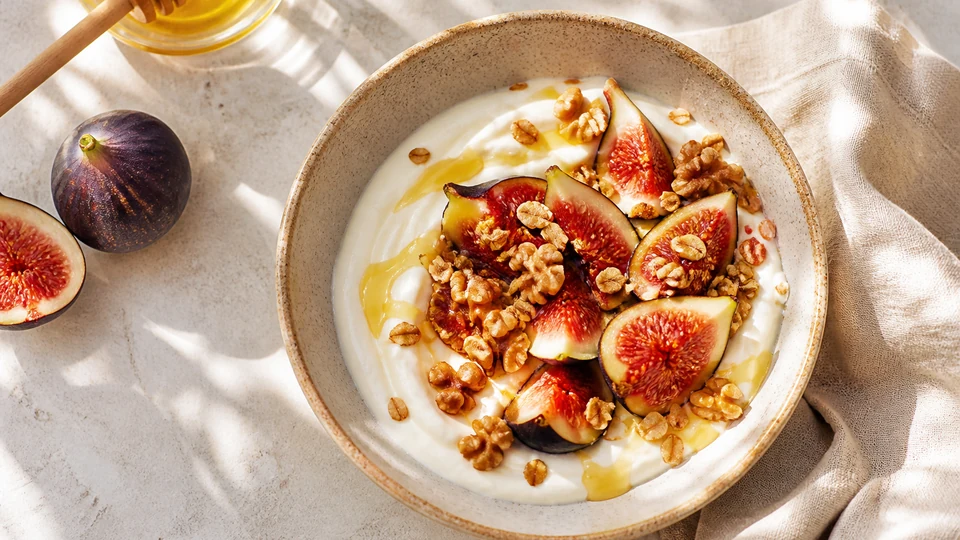
At Pancakes World, a Greek yogurt breakfast can be as simple as plain Greek-style yoghurt with fruit and oats, or it can become a fuller bowl with nuts, seeds, wholegrain cereal, or toast on the side. Start with a portion that suits the person, add one fruit, then add a starchy or crunchy element for texture. Choose plain yoghurt when you want to control sweetness, read the current nutrition and allergen label, and keep it refrigerated. “Greek”, “Greek-style”, fat percentage, added sugar, and portion size vary by product, so the tub—not a generic nutrition claim—should guide the choice.
For broader context, continue with American Breakfast: Pancakes, Diner Plates and Brunch.
Direct answer for a Greek yogurt breakfast
The easiest formula is yoghurt + fruit + grain or crunch + optional flavor. Examples include yoghurt with berries and porridge oats; apple, cinnamon, and chopped walnuts; banana and a measured spoon of seed butter; or stewed fruit with toasted oats. For a savoury bowl, use cucumber, tomato, herbs, olive oil, and toast.
This page gives menu combinations, not personalised diet treatment. NHS balanced-diet guidance recommends variety across food groups and includes dairy or alternatives, higher-fibre starchy foods, and fruit and vegetables. A single yoghurt bowl does not need to contain every food group, but adding fruit and oats is a practical way to make it more complete than yoghurt alone.
What the reader needs to know
The product name is not the whole label
Greek yoghurt and Greek-style yoghurt can differ in how they are made, origin claims, fat, sugar, protein, and ingredients. Food Standards Agency material uses “Greek Style Yoghurt” as an example in origin-labelling discussion, illustrating why a geographic-looking description should not be read as proof of where a processed food was produced. Check the actual origin statement if it matters.
Read serving information, ingredients, milk-allergen declaration, sugars, and storage directions. Flavoured yoghurt may contain added sugar or sweet mix-ins; plain yoghurt leaves the topping decision with the cook. Lower-fat is not automatically the right choice for every person, and full-fat is not automatically superior. Use preference, the overall meal, the label, and any professional advice that applies.
Greek yoghurt is a dairy food and is not vegan. Plant-based products labelled “Greek style” are alternatives with their own ingredient and allergen profiles. Do not use them interchangeably in a recipe without checking thickness and flavor.
Build texture deliberately
| Desired bowl | Base addition | Fruit or vegetable | Finish |
|---|---|---|---|
| Quick and fresh | Plain yoghurt | Berries or chopped apple | Oats or low-sugar cereal |
| Soft and warm | Yoghurt beside porridge | Stewed apple or thawed berries | Cinnamon |
| Portable | Thick yoghurt in a sealed pot | Firm fruit | Oats packed separately |
| Savoury | Plain unsweetened yoghurt | Cucumber and tomato | Herbs, olive oil, toast |
| Nut-free | Yoghurt and oats | Banana or pear | Pumpkin or sunflower seeds if suitable |
Add crisp elements at the last moment. Granola and cereal soften during storage; nuts and seeds lose their distinct texture in an overnight bowl. A separate container solves that problem better than adding more sweetener.
Practical options and examples
Five-minute bowl
Spoon plain Greek yoghurt into a bowl, add one available fruit, and finish with oats or a wholegrain cereal. The NHS Healthier Families porridge recipe combines oats, natural yoghurt, apple, and raspberries, providing an authoritative example of those components working together at breakfast. It is a porridge formula, not a Greek-yoghurt bowl recipe, so use its exact quantities only when following that page.
Warm-cold contrast
Cook porridge according to its recipe and add a spoonful of yoghurt after removing it from high heat, then top with fruit. This preserves the cool tang and avoids boiling the yoghurt. Alternatively, serve yoghurt beside warm stewed fruit. Check that frozen fruit is handled according to package directions.
Savoury bowl
Combine plain yoghurt with chopped cucumber, tomato, herbs, pepper, and a small drizzle of oil. Serve with wholegrain toast or another starchy side. This is a flexible breakfast idea, not a claim to reproduce a named regional dish.
Make-ahead jar
Layer yoghurt with oats and fruit only if a softer texture is wanted. For crunch, keep cereal or nuts separate until morning. Use a clean, covered container, refrigerate promptly, and follow the earliest use-by date among the ingredients.
For other breakfast structures, buttermilk hotcake focuses on a cooked batter, millet flour pancakes vegan removes dairy and egg through a different formula, and pancakes using buttermilk is not interchangeable with a yoghurt bowl.
Choosing the right approach
Choose by appetite and schedule. For a light, quick breakfast, use yoghurt, fruit, and a modest cereal topping. For a longer morning, add toast or a larger oat component. For transport, choose a thick product, a leak-resistant container, and a separate dry topping.
If reducing added sweetness is the goal, compare plain products and add fruit yourself. If dairy is unsuitable, choose a fortified plant alternative with an appropriate label rather than assuming every coconut or oat product matches dairy yoghurt nutritionally. Anyone with a medical nutrition plan should follow the advice given for that plan.
The breakfast hub contains broader menu ideas. Pancake World keeps this route focused on practical assembly and label decisions, not promises about weight, digestion, muscle gain, or disease outcomes.
Common mistakes
- Treating a large bowl as the manufacturer’s labelled serving without checking.
- Assuming vanilla or fruit yoghurt is unsweetened.
- Adding granola, honey, dried fruit, and sweet spread without noticing that every layer changes the meal.
- Calling a dairy yoghurt vegan or a plant alternative dairy-free without reading the label.
- Preparing several jars beyond the use-by date of the yoghurt or cut fruit.
- Leaving the bowl unrefrigerated during a commute or long meeting.
- Using “high protein” or other regulated wording without evidence from the actual label.
- Assuming Greek-style means produced in Greece.
- Giving generic diet advice to someone with a clinical requirement.
Step-by-step checklist
At the shop
- Read the full product name and origin information.
- Check serving size, ingredients, allergens, sugars, and storage statement.
- Choose plain or flavoured intentionally.
- Buy fruit in a quantity likely to be used.
- Select oats, cereal, nuts, or seeds according to dietary needs.
- Check plant alternatives separately if serving mixed preferences.
In the kitchen
- Keep yoghurt refrigerated until assembly.
- Wash fruit as appropriate and use a clean board and knife.
- Portion the yoghurt rather than eating from a shared tub when serving others.
- Add one fruit first, then decide whether a grain or crunch is needed.
- Keep wet and dry components separate for transport.
- Return the tub to the refrigerator promptly.
For make-ahead portions
- Use clean containers with secure lids.
- Write the preparation date if several jars look alike.
- Respect the product’s use-by date and storage instruction.
- Add cereal or nuts immediately before eating when crispness matters.
- Carry chilled food in an appropriate insulated setup when refrigeration is unavailable.
Variations or substitutions when relevant
For a dairy-free bowl, choose a plant-based Greek-style product and evaluate its own ingredients, fortification, allergens, and sweetness. Thickness can differ; watery products may soften granola faster. This substitution does not make every topping vegan, so check honey, chocolate, and packaged cereal too.
For gluten-free needs, use appropriately labelled oats or cereal according to the person’s requirements, review granola ingredients, and manage cross-contact. Plain yoghurt itself does not validate the complete bowl.
For a nut-free breakfast, use toasted oats, suitable cereal, or permitted seeds instead of nuts. Keep shared scoops out of mixed topping jars. For lower-cost planning, UCLH suggests plain yoghurt with frozen or canned fruit and identifies oats as a useful breakfast staple; choose canned fruit in juice if following that source’s approach.
For a savoury variation, omit sweet flavorings and use vegetables and herbs. For a warm version, pair with porridge rather than microwaving a cold tub blindly. The related routes vegan protein powder pancakes no flour and gluten-free vegan potato pancakes answer different dietary and cooking questions; they are not nutritional equivalents.
Four repeatable bowl patterns
The orchard bowl uses chopped apple or pear, oats, and cinnamon. Keep the peel when suitable for the eater and cut fruit shortly before serving for the freshest texture. If using stewed fruit, cool or serve it warm beside the yoghurt instead of heating the entire bowl.
The berry bowl uses fresh or appropriately handled frozen berries with plain yoghurt and cereal. Thawed berries release juice, which can be stirred through for color or kept to one side. Follow package preparation directions, especially when a frozen product instructs cooking before use.
The pantry bowl uses canned fruit in juice, drained as desired, plus oats or seeds. It is useful when fresh fruit is unavailable and supports the UCLH suggestion of combining plain yoghurt with frozen or canned fruit. Do not describe canned, frozen, and fresh products as texturally identical; choose according to the result wanted.
The savoury bowl starts with unsweetened yoghurt and adds cucumber, tomato, herbs, and a measured drizzle of oil. Toast or an oatcake can supply a separate crisp element. Check that seasoning blends contain no unexpected allergen and avoid salting watery vegetables long before service, which can create a thin pool at the base.
These patterns are assembly templates, not tested nutrient prescriptions. Portion and product choice determine the final label information. Rotate fruit and grains for variety rather than claiming that one combination is uniquely healthy. If a bowl is for someone with diabetes, kidney disease, swallowing difficulty, allergy, or another clinical need, use their professional guidance instead of adapting these general examples by guesswork.
For family service, put yoghurt into individual bowls and offer two labelled toppings rather than opening every jar in the cupboard. This controls mess and makes ingredient status easier to communicate. For one person, measure directly into the eating bowl, return packages to storage, and note which combinations are worth repeating.
Taste the plain combination before adding a sweetener. Ripe fruit, flavoured cereal, or a prepared compote may already provide the intended sweetness. If a sweetener is wanted, add a small measured amount to the individual bowl rather than changing the whole tub. That keeps the base useful for a savoury breakfast on another day and makes the choice visible.
Serve promptly.
Explore related Pancakes World guidance on American Pancakes, Maple Syrup, and Maple Syrup Pancakes.
Sources and editorial references
- NHS: Eating a balanced diet —
https://www.nhs.uk/live-well/eat-well/how-to-eat-a-balanced-diet/eating-a-balanced-diet/— UK food-group context, variety, dairy or alternatives, higher-fibre starches, and fruit and vegetables. - NHS Healthier Families: Porridge with fruit —
https://www.nhs.uk/healthier-families/recipes/three-bears-breakfast/— official breakfast example combining oats, natural yoghurt, apple, and raspberries. - Food Standards Agency: Informing consumers and food labelling —
https://www.food.gov.uk/our-work/chapter-4-informing-consumers-latest-developments-in-food-labelling-and-information— storage/date-label context and Greek-style yoghurt origin-labelling example. - University College London Hospitals: Eating Well for Less —
https://www.uclh.nhs.uk/patients-and-visitors/patient-information-pages/eating-well-less— practical breakfast and budget examples using oats, yoghurt, and fresh, frozen, or canned fruit.
Evidence checked 16 August 2026. Product formulations, labels, and official advice can change; check the current tub and source.