Gluten free vegan potato pancakes
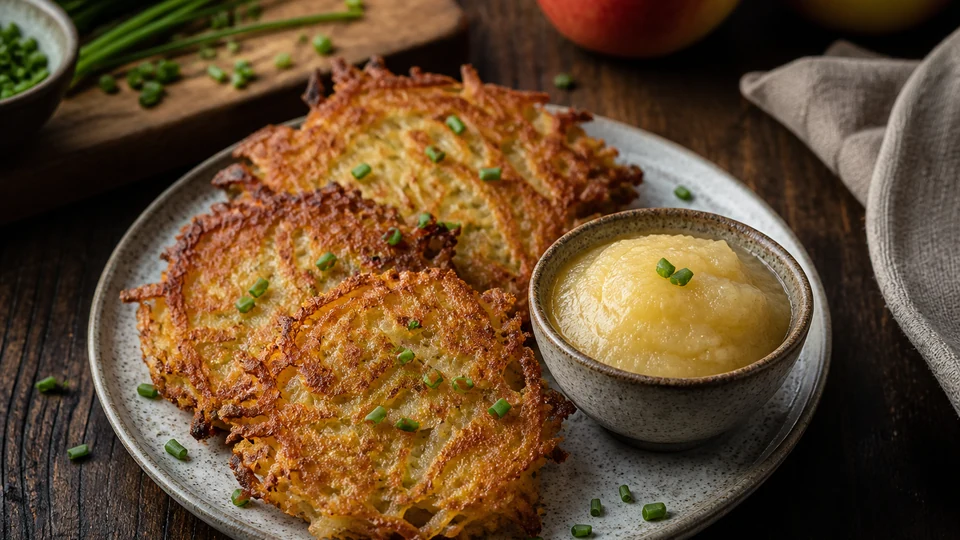
At Pancakes World, gluten-free vegan potato pancakes are savory patties made from grated or mashed potato without wheat flour, egg, or dairy. Use a recipe designed around one potato form, a measured gluten-free binder, onion or other seasoning, and enough oil for the stated pan method. For grated pancakes, remove the amount of moisture the recipe specifies; for mashed versions, cool and weigh the potato before combining. Form small, thin patties, cook until the first side has a stable browned crust, then turn once. Verify every packaged ingredient and the preparation surface when gluten-free status matters.
For broader context, continue with Healthy Pancake Guides.
Direct answer for gluten free vegan potato pancakes
The reliable method begins with a complete dual-purpose formula, not a conventional potato pancake followed by separate egg and flour swaps. Potato supplies the main body, but the mixture still needs a controlled binder. A tested recipe may use potato starch, cornstarch, chickpea flour, a gluten-free blend, ground flax, or another specified ingredient; these options are not interchangeable.
Decide whether the pancake should be crisp and shredded, soft and mash-based, or vegetable-heavy. That choice determines moisture handling and portion thickness. Squeeze or drain grated potato only as directed, keep mashed potato relatively dry, and cook a small test patty before shaping the whole batch. This page gives a selection and troubleshooting framework rather than an untested universal recipe.
What the reader needs to know
“Potato pancake” describes several structures
A shredded-potato pancake consists of strands held together just enough to form a thin patty. A mash-based pancake is smoother and often includes flour, egg, milk, or leavener. A mixed-vegetable patty can combine potato with zucchini, spinach, onion, or another vegetable. Each version releases and retains water differently.
The USDA MyPlate Spinach Potato Pancakes recipe, sourced from University of Maine Cooperative Extension, combines shredded potato and zucchini with spinach, whole-wheat flour, and egg. It supports practical evidence that shredded vegetables, a binder, modest portions, flattening, and two-sided griddle cooking form a coherent method. It is neither vegan nor gluten-free. Its flour and egg cannot simply be deleted.
Utah State University Extension’s boxty example combines raw grated and mashed potato with wheat flour, egg, and buttermilk. It documents another distinct potato-pancake architecture and reinforces the same boundary: conventional formulas obtain structure from ingredients excluded here. A vegan gluten-free recipe needs a new structural plan.
Potato form controls water management
Raw grated potato contains water that can collect in the bowl and dilute binder. Many shredded formulas instruct the cook to squeeze or drain it. The exact degree matters: removing too little can make patties spread and steam, while removing all moisture mechanically may make them difficult to bind. Follow the selected recipe’s cue rather than a generic instruction to squeeze “as dry as possible.”
Mashed potato varies with potato type, cooking method, and added ingredients. Leftover mash containing dairy butter or milk is not vegan. Mash made very loose for table service may need a different formula from dry, freshly cooked potato. Weigh the cooled mash and disclose what it contains.
Zucchini, spinach, carrot, sauerkraut, and onion introduce additional water. A vegetable-heavy cake should come from a recipe designed for that combination. Adding a handful of wet vegetables to a stable potato formula can destroy its ratio.
Gluten-free status is wider than the binder
FDA’s gluten-free rule covers packaged foods that voluntarily bear the claim and uses a threshold of less than 20 parts per million gluten, with conditions on ingredients derived from gluten-containing grains. For a home recipe, choose appropriately labelled starch, flour, spices, baking powder, plant products, and sauces when the eater requires that level of control.
Potato is not a gluten-containing grain, but the finished meal can include wheat flour, ordinary breadcrumbs, soy sauce containing wheat, seasoning blends, or cross-contact from a griddle. A bag of potato starch and a bag of “potato flour” are also different ingredients; use the one the recipe names.
Do not state that a shared domestic kitchen guarantees gluten-free safety. If a person has coeliac disease or another medical requirement, follow their established professional advice and preparation protocol.
Vegan status is wider than egg removal
Conventional potato pancakes may contain egg, dairy milk, buttermilk, butter, cheese, or a dairy-based topping. Packaged mash can contain milk. Cooking spray and margarine require label review. Sour cream and ordinary yoghurt are not vegan.
A vegan binder might use flax, chia, chickpea flour, starch, aquafaba, or another system. Each contributes its own water and flavor. Replacing one egg with several binders “for insurance” can create a gummy center. Use one recipe-specific system.
Build the formula deliberately
| Component | Function | Evidence to demand | Avoid |
|---|---|---|---|
| Potato | Main body and starch | Type, cooked/raw state, prepared weight | “Two potatoes” with no size or weight |
| Moisture control | Prevents dilution or dryness | Squeeze, drain, cool, or steam-loss cue | Treating grated and mashed potato alike |
| Gluten-free binder | Cohesion during turning | Named starch/flour and exact amount | Any gluten-free product by volume |
| Vegan binder strategy | Replaces egg’s assigned function | One complete method | Combining seed gel, gum, and starch randomly |
| Aromatics | Onion, garlic, herbs, or spice | Cut size and preparation stage | Large wet additions that break the patty |
| Cooking fat | Release and browning | Oil type and pan amount | Assuming a dry pan will release every formula |
| Portion | Determines center cooking | Weight, scoop, or diameter | Thick restaurant-size first patty |
This is a formula audit, not a ratio. A recipe that lists ingredients but omits potato weight, moisture handling, and turning cues leaves too much to guess.
Practical options and examples
Crisp grated-potato version
Choose a tested formula using grated potato and its named gluten-free vegan binder. Prepare onion in the exact cut specified. Work promptly after grating because potato releases liquid and changes color over time. If the method instructs squeezing, use a clean towel or suitable press and retain or discard liquid only as directed.
Form thin patties directly before cooking. A thick mound may brown outside while remaining firm or wet inside. Leave space between patties so they do not steam one another. Wait for a coherent browned base before turning.
Mash-based version
Use plain cooled mashed potato whose ingredients are known. A recipe may add gluten-free flour or starch, plant liquid, herbs, and leavener. Do not use hot mash if the method calls for cold; heat can change how the binder hydrates and make shaping difficult.
If using leftovers, weigh the available mash and scale the rest of the formula. Confirm it contains no dairy. A buttery restaurant leftover cannot be converted to vegan by choosing plant oil for the pan.
Vegetable-potato cake
The MyPlate spinach-potato example shows a conventional egg-and-wheat structure with zucchini and spinach. For a vegan gluten-free version, choose a separate tested recipe that accounts for those vegetables’ water. Do not copy the government recipe and substitute two central binders without evidence.
Use cooked, cooled, and drained greens when specified. Grated zucchini commonly needs measured moisture removal. Keep pieces small enough that the patty forms a continuous surface.
Oven or air-fryer methods
Use only a recipe developed for that appliance. Oven-baked patties need a surface treatment, thickness, turning schedule, and temperature suited to the formula. Moving a frying-pan recipe to an oven may produce a dry exterior or a soft base. Air-fryer capacity and airflow further change the result.
Choosing the right approach
Select by desired texture and available potato:
- Fresh raw potatoes and a crisp goal point toward a shredded formula.
- Plain leftover mash and a softer goal point toward a mash-based formula.
- Extra vegetables require a documented mixed-vegetable formula.
- Strict gluten-free service requires verified ingredients and appropriate preparation controls.
- Vegan service requires review of mash, binder, pan fat, and toppings.
For a first attempt, avoid stacking additional restrictions and substitutes beyond those in the recipe. Make the plain patty, learn moisture and pan behavior, then add a supported variation.
The vegan pancakes hub covers the broader category. Pancake World keeps this savory potato route separate from sweet breakfast batter and does not present an untested formula as a recipe.
Common mistakes
Using unspecified “potato.” Waxy, floury, raw, cooked, and leftover mash do not behave identically. Follow the source.
Measuring potato before the recipe’s preparation stage. Peeled, cooked, drained, mashed, and grated weights differ. Match the stated point.
Leaving grated mixture in pooled liquid. The later patties can be wetter than the first. Stir only when the method says and manage liquid consistently.
Removing egg and wheat independently. Those ingredients may supply complementary structure. Use a formula designed without both.
Adding several gums or seed binders. The center can become gummy while the outside looks crisp.
Making patties too thick. A browned crust can conceal an undercooked center.
Turning before a crust forms. A fragile patty needs a broad stable base.
Crowding the pan. Released steam and falling pan temperature reduce browning.
Using a dairy-containing leftover mash. The finished pancake is not vegan.
Serving ordinary sour cream and retaining the vegan label. Toppings are part of the plated dish.
Assuming potato proves gluten-free status. Binder, seasoning, sauce, and equipment remain relevant.
Step-by-step checklist
Choose and verify
- Decide grated, mashed, or mixed-vegetable style.
- Select one formula explicitly vegan and gluten-free.
- Identify potato type and required prepared weight.
- Identify starch or gluten-free flour precisely.
- Identify the vegan binder and its hydration step.
- Check oil, seasoning, and toppings.
- Review labels and preparation controls required by the eater.
- Reject a recipe with only vague potato counts and no moisture cue.
Prepare grated potato
- Wash and peel only as the formula directs.
- Weigh at the stated preparation stage.
- Grate to the named size.
- Prepare onion or vegetables consistently.
- Drain or squeeze by the source’s method.
- Keep the mixture together rather than letting later portions sit in liquid.
- Add binder and seasoning in the specified order.
- Cook promptly if the formula does not authorize a hold.
Prepare mashed potato
- Cook using the selected method.
- Drain thoroughly.
- Mash without dairy additions unless the formula names a vegan product.
- Cool to the required temperature.
- Weigh the prepared mash.
- Add dry binder and seasoning evenly.
- Form one test patty before shaping the batch.
Cook safely and consistently
- Preheat a clean, suitable pan over the source’s heat.
- Add the measured oil or a consistent thin layer.
- Portion small patties and flatten to even thickness.
- Leave space between them.
- Wait for a browned, stable underside.
- Slide a broad spatula beneath the entire patty.
- Turn once and cook the second side and center.
- Lower heat if color develops before the center sets.
- Remove burnt crumbs between batches.
Serve and store
- Drain or rack only as the recipe directs.
- Serve with toppings whose ingredients are verified.
- Keep vegan and non-vegan utensils separate.
- Do not leave a moist cooked dish through a long buffet without appropriate temperature control.
- Cool leftovers promptly and follow the source’s storage method.
- Label the batch when several dietary versions look alike.
Troubleshooting the first patty
Mixture will not hold when shaped
Confirm the potato weight, moisture-removal step, and binder quantity. Some shredded formulas are formed only when pressed in the pan rather than in the hand. Use the source’s shaping method. If an adjustment is provided, add the named binder in the smallest amount and record it. Do not add wheat breadcrumbs.
Patty spreads and leaks liquid
Review grated vegetable moisture and whether salt was added far ahead. Make a smaller patty and keep the pan hot enough to set the base. If liquid continues collecting, follow the recipe’s drainage instruction rather than adding repeated starch.
Outside browns while inside stays firm or wet
Reduce thickness and lower heat. A smaller patty allows the center to cook before the crust becomes too dark. Do not cover the pan unless the formula specifies it; trapped steam changes crispness.
Patty sticks
Check pan preheat, surface condition, oil, and whether the first side is ready. A correctly cooked crust often releases more easily than a pale one. Forcing the turn too early tears the patty.
Texture is gummy
Review extra gum, seed gel, or starch. Also check whether hot mash was combined with binder intended for cold potato. Return to the original formula; more binder is unlikely to fix gumminess.
Potato turns grey before cooking
Prepare the mixture in the sequence and timing provided by the source. Work in smaller batches when grating for a group. Do not add an arbitrary chemical treatment that the recipe does not use.
Flavor is bland
Check measured salt and aromatics after cooking a small test, not by tasting raw mixture. Adjust seasoning within the source’s allowance. A topping can add contrast, but it should not hide an underseasoned base or change verified dietary status unnoticed.
Variations or substitutions when relevant
Onion-free version
Choose a recipe designed without onion or omit it only when the publisher permits. Onion contributes flavor and moisture. Replacing it with another wet vegetable can change the patty.
Chickpea-flour binder
Chickpea flour adds flavor and its own hydration behavior. Use a formula developed around it and cook the center fully. Do not replace potato starch one for one.
Seed-binder version
Ground flax or chia needs a specified liquid and stand time. It may make the mixture darker or softer. If seed allergy is relevant, select a starch-based formula rather than improvising.
Sweet potato
Sweet potato has different moisture and flavor. Use a dedicated recipe. The cited Good Food sweet potato cake contains egg white and is not vegan, illustrating again that vegetable identity does not settle the binder question.
Lower-oil cooking
Select an oven or pan formula developed with the intended oil amount. Simply reducing oil can increase sticking and change browning. No universal low-oil claim is made here.
Toppings
Vegan applesauce, a plant-based yoghurt, herb sauce, or vegetable topping can work when labels fit. Ordinary sour cream, dairy yoghurt, egg, smoked fish, or cheese changes the vegan status. Gluten-free status also requires sauce and condiment review.
For adjacent planning, high-fiber breakfast and fiber-rich breakfast explain meal composition but do not validate a nutrient claim for these patties. Gluten-free vegan pumpkin pancakes uses puree in a different flour system. Related reading on gluten-free vegan sourdough pancakes and English breakfast recipe should not be treated as binder substitutions.
Scaling for a group
Scale from prepared potato weight, not from the number of potatoes. Grate or mash in manageable batches so moisture handling remains consistent. A very large salted grated mixture can release liquid while the first patties cook, causing later portions to differ.
Use two pans only if both can be controlled. Otherwise, one steady pan produces clearer timing. Keep raw mixture away from cooked patties and use a clean receiving plate. Replenish a serving tray in small amounts rather than piling hot patties under a tight cover.
Write an ingredient card for the base, binder, cooking fat, and toppings. When a non-vegan topping is offered, keep it separate and label it. If gluten cross-contact controls are needed, shared serving tongs can undo careful preparation.
An evidence record for future batches
Record potato variety or product, raw or cooked prepared weight, moisture-removal method, binder brand and weight, seasonings, oil, portion size, pan, and actual yield. Under observations, note spread, release, center texture, and whether liquid accumulated during the batch.
These records support a repeat performance in that kitchen. They do not establish that one binder is universally superior or that every gluten-free diner can use the preparation. Keep practical observation separate from regulatory and safety claims.
If an ingredient changes, start a new record. A different gluten-free blend or starch can alter absorption; a different frozen hash-brown product can contain added ingredients; a new plant yoghurt can change the topping allergens. Accurate naming is part of factual QA.
Raw, cooked, and packaged potato are not interchangeable
Raw grated potato
This format carries native moisture and starch into the bowl. Grating size controls surface area and final texture. Fine shreds can form a compact cake; coarse shreds create a more open surface but may be harder to bind. Use the size in the source. A food processor and a hand grater can produce different strands, so note the tool.
Salting raw shreds early can draw out water. Some recipes use that intentionally and then squeeze; others combine and cook promptly. Follow the sequence. If the bowl stands while several pan batches cook, liquid may separate. Divide the mixture when the source allows or stir only as instructed so the last patties do not become a different formula.
Boiled and mashed potato
Boiling introduces water, and incomplete draining leaves a loose mash. Let steam escape as the recipe directs before weighing. Do not add plant milk or oil out of habit unless those ingredients belong to the formula. A smooth mash can produce a uniform cake, while intentionally rough mash may add texture; neither is automatically correct.
Cold leftover mash can be practical, but document its ingredients. Garlic, herbs, plant butter, salt, and liquid already in the mash affect the new batter. If the original mash was prepared with dairy, it cannot become vegan in the skillet.
Baked potato flesh
Baked potato can be drier than boiled potato, depending on method. It should be used only in a formula that names it or supplies a prepared-weight and texture cue. Replacing boiled mash with baked flesh may require more liquid and is a recipe change, not merely a convenience.
Frozen shredded potato
Frozen or refrigerated hash-brown products may contain oil, salt, preservatives, dextrose, or other ingredients. Read the label and follow thawing or cooking directions. A product pretreated for browning does not behave exactly like freshly grated potato. Verify gluten-free and vegan status from the current package rather than the generic product name.
Understand binder names before measuring
Potato starch is a fine extracted starch. Potato flour is made differently and is not a direct synonym. A general gluten-free flour blend may contain rice flour, starches, gum, and other ingredients. Tapioca starch, cornstarch, and arrowroot have their own behavior. The recipe should specify exactly which one it uses.
Chickpea flour can provide more body and a distinct flavor, but it is a legume flour rather than a neutral starch. Buckwheat and oat flour introduce different grain identities. Ground flax adds seed solids and requires hydration. A commercial egg replacer can contain starch and gum already. Combining it with a gum-containing blend may duplicate the binder.
When a recipe says “starch,” check whether the method or author note defines it. Do not choose whichever packet is open. Record the brand and grams because spoon measurements of fine powders are easy to vary. Mix the binder evenly through potato so one patty is not gummy while another falls apart.
Plan the plate, not only the patty
| Service goal | Potato-pancake style | Topping direction | Main control |
|---|---|---|---|
| Crisp brunch side | Thin grated patties | Applesauce or herb sauce | Serve promptly; avoid tight cover |
| Soft breakfast cake | Mash-based rounds | Fruit relish or plant yoghurt | Verify mash and topping ingredients |
| Savory lunch | Vegetable-potato patties | Salad or drained cooked greens | Keep watery elements off the crust |
| Small appetizer | Bite-size rounds | One measured spoon of sauce | Maintain consistent size and separate utensils |
| Make-ahead component | Source-approved baked or reheatable version | Topping added after reheating | Follow exact cooling and storage method |
The table is a service framework, not a nutritional ranking. A larger topping can dominate allergen and dietary status. Applesauce should be checked for added ingredients when that matters. Plant yoghurt can contain soy, nuts, coconut, or sweetener. Herb sauces may contain bread, dairy, or nuts depending on the formula.
For a mixed table, keep vegan gluten-free patties on a dedicated plate with dedicated utensils. Do not place dairy sour cream directly beside them if spoons are likely to cross. If another potato cake contains wheat breadcrumbs or egg, label it visibly rather than relying on appearance.
Make-ahead decisions
Raw grated mixture is often a poor candidate for a long unsupervised hold because it can release liquid and change color. Follow the recipe if it authorizes refrigeration. Otherwise, prepare dry seasonings, wash potatoes, and arrange equipment ahead, then grate and combine closer to cooking.
Mashed potato can often be prepared earlier when the selected formula supports cooled mash. Store it covered and refrigerated, then weigh and combine at the stated temperature. Do not leave cooked potato at room temperature through a long prep window.
For finished patties, cool promptly on an appropriate surface. Stacking hot crisp patties traps steam. Reheat with the method the recipe provides; a microwave may warm a soft cake but will not reproduce pan crispness, while an oven method can dry a very thin patty. Do not claim one reheating method works for every architecture.
When scaling for a celebration, run the exact formula in advance with the intended pan and products. This is the cook’s planning trial. Keep the article’s evidence boundary clear: no unpublished branded comparison or universal success claim results from that household run.
Questions to resolve before publication or service
Is the potato measured raw or prepared? State the exact stage.
Is potato starch the same as potato flour here? No; use the named ingredient.
Does the formula contain oats? If so, review sourcing when gluten-free status is required.
Is the mash vegan? Confirm every ingredient added during the original preparation.
What replaces egg? Name the binder and do not imply potato alone performs every function.
How is crispness achieved? State portion thickness, pan method, and service timing without promising a universal texture.
Are toppings included in the dietary claim? Verify them separately or describe them as optional choices with their own labels.
Was a conventional source adapted? If so, do not present it as tested evidence. Prefer a dedicated dual-purpose formula.
Can the dish be frozen? Only claim that when the chosen source supplies storage guidance.
Is the recipe nutritionally high in a named nutrient? Do not infer it from potato or binder. The complete serving and applicable calculation are required.
Explore related Pancakes World guidance on American Pancakes, American Breakfast: Pancakes, Diner Plates and Brunch, and Maple Syrup.
Sources and editorial references
- U.S. Department of Agriculture MyPlate: Spinach Potato Pancakes —
https://myplate-prod.azureedge.us/recipes/spinach-potato-pancakes— government-hosted, extension-sourced example of shredded vegetables, binder, portioning, flattening, and griddle cooking; explicitly contains wheat and egg and is not used as a vegan gluten-free formula. - U.S. Food and Drug Administration: Gluten and Food Labeling —
https://www.fda.gov/food/nutrition-education-resources-materials/gluten-and-food-labeling— U.S. packaged-food gluten-free labeling conditions and threshold. - King Arthur Baking: For gluten-free baking, think beyond just flour —
https://www.kingarthurbaking.com/blog/2021/03/29/gluten-free-baking-ingredients— recognized culinary guidance to review all ingredients, not only the primary flour. - Good Food: Gluten-free courgette pancakes —
https://www.bbcgoodfood.com/recipes/gluten-free-courgette-pancakes— recognized culinary example of a recipe intentionally developed without gluten, egg, dairy, or soy; used for formula-boundary evidence, not as a potato recipe. - Utah State University Extension: Irish Potato Pancake (Boxty) —
https://extension.usu.edu/weber/files/March-Apri-2020.pdf— extension example of a raw-and-mashed potato formula; explicitly contains wheat, egg, and dairy and is not used as the requested recipe.
Evidence checked 16 August 2026. Packaged ingredients, official guidance, and recipe pages can change; verify current labels and sources.