French breakfast puffs
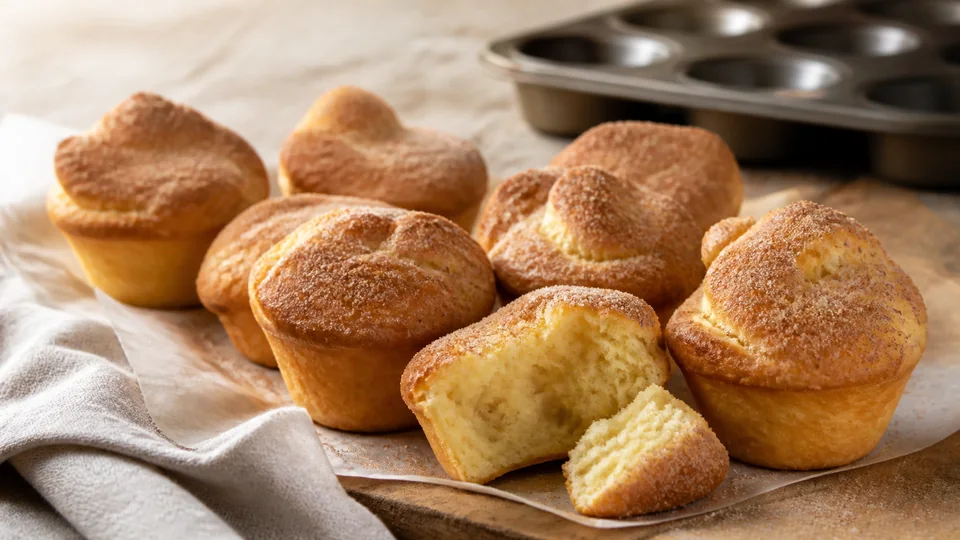
At Pancakes World, french breakfast puffs are commonly presented in American recipe collections as small muffin-like cakes coated after baking, often with melted butter and cinnamon sugar. The name should not be treated as proof that they are a traditional French breakfast food. Choose a complete recipe written for the exact tin and coating method, portion the batter consistently, let the baked puffs reach the specified handling stage, and coat them in an organised sequence. This guide explains the format without publishing an untested the editorial platform formula or nutrition calculation.
The Breakfast hub offers other morning bakes. Pancake World is the full editorial index.
| Guide sections |
|---|
| Understand the format before shopping |
| Select the pan before mixing |
| Read the ingredient roles without inventing substitutions |
| Prepare the coating station first |
For broader context, continue with World Pancakes: Dishes and Traditions.
Understand the format before shopping
The usual visual idea is a rounded, individual bake with a tender cake or muffin interior and a granular spiced coating. That description helps distinguish the target from choux pastry, popovers, puff pastry or a French-style croissant. Those products rise through different mechanisms and cannot share one batter.
Because the name itself does not establish origin, this page avoids a historical account. It also avoids calling the item authentic, classic in France or part of a universal French breakfast. Use the name as a search label and describe the actual bake on the serving card.
Find a source that states flour, leavening, fat, liquid, sweetener, egg if used, flavouring, pan size, yield, oven setting, bake cues and coating procedure. A recipe card missing the coating sequence leaves a major part of the format undefined.
Select the pan before mixing
Standard muffin wells, mini tins and oversized cups create different depths and exposed surfaces. Keep the size specified by the selected formula. Moving batter into smaller wells changes the number of pieces and the point at which the centre is done; larger wells increase depth.
Inspect the tin and choose the release method the recipe requires. Greased bare metal, baking spray, paper liners and silicone do not behave identically. A coating applied after baking may be easier when the sides are free of paper, but that is a recipe decision rather than a universal rule.
Set the oven rack, cooling rack, heat-safe tray and coating station before batter begins. The baked puffs may need handling during a narrow warm stage. Searching for bowls after unmoulding makes the coating inconsistent.
Read the ingredient roles without inventing substitutions
Flour creates the main structure. Leavening influences rise. Fat affects mixing, tenderness and release. Egg and liquid contribute to the batter system. Sweetener and spice shape flavour and browning. These general roles do not provide replacement ratios.
If the recipe calls for a particular flour, retain it or use only a documented alternative. A gluten-free blend, whole-grain flour and standard wheat flour differ. Likewise, solid fat, melted fat and oil cannot be substituted solely because each is a fat.
Packaged ingredients need current label review. Check baking powder, spice blends, butter or alternatives, flour blends and decorative sugar for ingredients and allergens relevant to diners. FDA explains that Nutrition Facts declarations use the stated serving size and servings per container; that information does not calculate the finished puff without the full formula and yield.
Prepare the coating station first
Use two shallow bowls or dishes if the selected method calls for a melted-fat dip followed by spiced sugar. Put them on a tray to catch drips and crumbs. Choose tools that let the cook turn a warm puff without squeezing it.
Measure the coating according to the complete recipe. A bowl that looks generous may leave a large unrecorded remainder, while too little can encourage repeated additions with lost ratios. Do not return coating that touched finished food to its original package.
If the method coats only tops, set up for dipping. If it covers the entire puff, leave room to roll. Those are different presentation choices and may use different amounts.
Mix the batter with an endpoint
Bring ingredients to the starting temperature required by the source. Prepare dry and wet components in their specified order. Scrape the mixing bowl so flour does not remain at the base, then stop at the method's texture cue.
Overmixing or undermixing can produce an uneven crumb, but this article does not prescribe a universal number of strokes. Follow the chosen formula. Add nutmeg, cinnamon or another flavour only in the stated amount; a coating already provides a strong second layer.
Once leavened batter is ready, portion it without an unnecessary delay. Use one scoop and work in a consistent pattern around the tin. Comparable well depth supports a coherent batch.
Fill the wells deliberately
The source's fill level matters. Batter that is divided among a different number of wells produces another depth, changes the crown and may overflow. Count portions as you go and redistribute before baking if one well is visibly out of line.
Wipe drips from the flat surface of the tin. Baked-on batter can interfere with release and create smoke. Do not handle the filled tin roughly or knock it to remove air unless the recipe explicitly directs that action.
Move the pan into the preheated oven promptly. Set a timer for the first documented check, not as a guarantee of completion.
Judge the bake from the selected recipe
Use the visual and tactile cues supplied by the source: colour, spring, a tester or another stated indicator. Check representative pieces when the pan or oven has uneven zones. Opening the door repeatedly can disturb baking, so plan the inspection.
The edge may colour before the centre. Do not increase the oven temperature to make a pale top brown faster. If the batch behaves unexpectedly, verify oven setting, pan size and portion depth.
Egg dishes have a 160°F safety target, but a muffin-like baked good is not automatically classified as an egg dish for a universal thermometer rule. Use the complete recipe's doneness and authoritative food-safety guidance appropriate to the product rather than inventing a temperature here.
Rest and unmould safely
Follow the formula's rest period. Removing a delicate puff immediately can tear it; waiting too long may allow steam or coating conditions to change. Place the hot tin on a stable rack away from children and counter edges.
Use an appropriate tool to loosen the sides only when directed. Protect hands from the pan. Turn out one piece first and assess whether it releases at the intended stage before forcing the entire batch.
Set unmoulded puffs on a rack or tray in a single layer. Stacking warm cakes traps steam and damages the surface that needs to accept coating.
Apply the coating as a production line
Work one puff at a time: fat step, brief drain if directed, spice-sugar step, then rack. Keep the “before” and “after” sides of the station separate so crumbs and melted coating do not spread across the counter.
Use gentle pressure. A warm tender cake can compress, while an overly cool surface may accept coating differently. If the recipe specifies brushing rather than dipping, retain that method.
Stir the dry coating occasionally if spice settles. Replace utensils that fall or become contaminated. Do not pour unused mixture back into a storage jar after contact with food or utensils from the coating line.
Choose a service moment
Warm service highlights a fresh coating and tender interior. Room-temperature service simplifies a group table. Make-ahead service depends on how the recipe says coating and crumb hold. Select the method whose schedule fits rather than assuming every puff improves overnight.
For a seated breakfast, place two or three puffs in a basket only when serving begins, and replenish. For a buffet, provide tongs and a label. For travel, wait until fully cool before packing so condensation does not turn the coating wet.
Pairings that do not bury the puff
Serve fresh fruit, plain yoghurt or a hot drink alongside rather than adding several wet sauces to the coated surface. A cooked fruit compote can be offered in a separate bowl. The puff already has a distinct exterior texture.
If a savory contrast is wanted, use a simple egg preparation or cheese on a separate plate. Do not describe the pairing as balanced in a medical or nutritional sense without an exact definition and evidence.
Wash fresh produce under running water following FDA guidance, not with soap or detergent. Keep cut fruit refrigerated until service.
Variation decisions
Coating only the crown
A top-only dip creates a different ratio of coating to cake than rolling the whole piece. Use a recipe designed for that presentation. Hold the puff by its lower sides, dip or brush the top and apply the dry mixture without crushing the crown.
Mini puffs
Mini wells produce more pieces with a greater proportion of surface. They require a formula or explicit adaptation that changes yield and baking checks. Do not divide a standard batch by sight and retain its original timer.
Added fruit
Fruit changes moisture and distribution. Use only a version written for the exact fresh, frozen or dried form. A jam-filled centre also needs a documented enclosure method so filling does not leak into the pan.
Alternative fat or beverage
A product swap can affect batter and coating. Choose an explicit source-supported alternative, then inspect the new label for ingredients and allergens. Vegan or dairy-free variation is not established by replacing one ingredient while ignoring the coating and pan preparation.
Different spice
Nutmeg in the crumb and cinnamon in the coating is one possible profile, not a definition. A cardamom or citrus version should come from a complete formula that states the amount. Strong additions are not equivalent by volume.
A timing plan for brunch
Work backward from service. Mark cooling or handling time, the coating window, oven check, baking start, portioning, mixing and ingredient preparation. Add oven preheat and equipment setup before the batter.
If another dish needs the oven, compare temperatures and door schedules before choosing it. A casserole that must be checked repeatedly may conflict with a small bake. Choose a cold side or stovetop item instead of forcing both.
Assign one person to coating when several cooks are present. Another can move cooled puffs to a serving tray and replenish fruit. Clear roles prevent half-coated pieces and contaminated utensils.
Make-ahead choices
The selected recipe should state whether the uncoated cake, finished puff or both can be prepared ahead. Coating can absorb moisture during storage, so a method may prefer coating near service. Do not claim a universal storage advantage.
Cool completely before closing a container unless the documented method says otherwise. Trapped steam changes the surface. Keep perishable ingredients and fillings under refrigeration.
USDA FSIS advises refrigerating perishable leftovers within two hours, using shallow containers and using most refrigerated leftovers within three to four days. A plain cake's requirements may differ based on its ingredients, so follow the recipe rather than applying one rule blindly.
Reheat leftovers and casseroles to 165°F where that category applies. A breakfast puff intended for room-temperature service needs its own source-specific storage and refresh instructions; this page does not invent a reheating temperature for every cake.
Packing and transport
Use a rigid, food-safe container with enough headroom to protect the coating. Arrange one layer or separate layers with suitable material after the puffs are cool. A sealed bag can rub off coating and trap condensation.
Keep wet accompaniments in separate leakproof containers. If the puffs contain a perishable filling or topping, use cold transport. Label the product and actual allergens.
At the destination, lift pieces with tongs rather than tipping them into a basket. Discard any coating left loose in the transport box rather than returning it to the serving supply.
Troubleshooting by stage
Batter is much thicker or thinner than expected
Check exact flour and liquid products, measurements and ingredient temperature. Confirm that no substitution was made. Do not correct the whole bowl with arbitrary liquid or flour; consult the selected formula.
Crowns rise unevenly
Compare well fill, pan position and oven heating. If the same side repeatedly rises faster, an oven check may be needed. Rotate only when the recipe permits opening at that stage.
Puffs tear on release
Review pan preparation and the required rest. Run the specified tool around the edge gently. A different liner or heavier coating of fat is a future recipe decision, not an automatic rescue.
Coating forms patches
The puffs may be too hot, too cool or unevenly brushed for the chosen method. Keep the line moving at a consistent stage and let excess melted coating drain if instructed.
Coating dissolves in storage
Confirm that the cakes were fully cooled before packing and that the method supports advance coating. Store in the environment specified by the source, and consider coating closer to service next time if that variation is documented.
Centres seem heavy
Check mixing, leavener age, portion depth and actual bake cues. Do not call the result underbaked based on density alone, but do not serve a wet raw centre. Select a more complete recipe if safe doneness is unclear.
Scaling without changing the pan logic
For more servings, repeat the documented batch or use a source-tested scale. Doubling batter in one bowl can change mixing effort and the time it waits. Filling two oven racks can alter airflow and bake consistency.
Count tins, rack space and coating capacity. A coating station sized for twelve pieces may become messy with four dozen. Prepare measured refills in clean containers rather than topping an older bowl with new mixture.
For a smaller group, choose a half-batch only when the source provides it or the ingredients divide accurately. Half an egg or small leavener quantities require careful handling; an improvised reduction may be less reliable than freezing a supported finished product.
Ingredient and allergen records
Keep the flour, leavener, spice, fat and coating packages until service. Write the actual products on the food label. A person asking whether the puffs contain dairy, egg, gluten or nuts needs an answer based on the formula and kitchen controls.
Cross-contact can occur in a tin, mixer, cooling rack, brush or coating bowl. A recipe labelled free from one ingredient does not certify the kitchen. Use procedures suitable to the diner's needs and avoid guarantees that cannot be supported.
USDA FoodData Central can provide records for exact foods and forms if a qualified calculation is undertaken. This article intentionally provides no calorie or macronutrient estimate because there is no fixed formula or portion.
Frequently asked questions
Are French breakfast puffs from France?
The available page evidence does not establish that claim. This guide treats the phrase as an American-style recipe name and avoids assigning a French tradition or origin.
Are they doughnuts?
They may share a spiced coating with some doughnuts, but the common format described here is baked in muffin wells. Use the exact recipe name and method rather than declaring the categories identical.
Can I coat them when cold?
Follow the selected recipe. Many methods coordinate warmth, melted fat and dry coating, but no universal temperature or wait is provided here.
Can I use mini muffin tins?
Only with a method that states the mini yield, fill and baking checks or offers that adaptation. Pan scale changes the bake.
Are they a healthy breakfast?
No such claim is made. Nutrition requires exact ingredients, amounts, yield and portion. Read package labels and use an evidence-based calculation when needed.
Why is Article schema used?
This page explains a format and production decisions. It lacks a project-owned test record with one ingredient list, method, yield and timing, so Recipe schema would be unsupported.
A batch record worth keeping
Write the source, pan size, yield, fill level, mixing endpoint, first check, release rest, coating method and service time. List actual package identities and allergens. Record remaining pieces and storage location.
After service, note only observable outcomes: crowns differed, coating became wet after packing, or mini portions were easier to serve. Those notes guide the next source selection without turning the page into a false tested-recipe claim.
Reset the kitchen after coating
Let the tin and coating tools cool before washing. Melted fat and sugar can make the floor and counter slippery, so wipe drips promptly and keep the work tray level. Discard coating that contacted food; do not store it with untouched sugar.
Check the cooling rack for crumbs before moving other food onto it. Wash brushes, bowls and tongs according to their materials, then dry them completely. If the tin has baked residue around the rims, soak or clean it using the manufacturer's method rather than scraping with a tool that damages the surface.
Count the finished puffs and compare the result with the stated yield. A missing portion may reflect uneven filling rather than mysterious shrinkage. Record the count on the batch sheet so service and storage labels use the actual number.
Finally, return ingredient packages to their required storage. Do not leave butter, alternatives or egg-containing batter residue on the counter during brunch. A tidy close makes the format practical to repeat and protects the evidence needed to answer later ingredient questions.
Explore related Pancakes World guidance on American Pancakes, American Breakfast: Pancakes, Diner Plates and Brunch, and Maple Syrup.
Sources and editorial references
- FoodSafety.gov —
https://www.foodsafety.gov/food-safety-charts/safe-minimum-internal-temperatures - USDA Food Safety and Inspection Service —
https://www.fsis.usda.gov/food-safety/safe-food-handling-and-preparation/food-safety-basics/leftovers-and-food-safety - U.S. Food and Drug Administration —
https://www.fda.gov/food/nutrition-facts-label/how-understand-and-use-nutrition-facts-label - USDA FoodData Central —
https://fdc.nal.usda.gov/