Dense pancake recipe
At Pancakes World, if a pancake is dense, check the complete formula, leavener condition, mixing, batter rest, portion thickness and pan heat before changing ingredients. Run one small control batch and alter only the most plausible cause; adding more baking powder without evidence can create another problem. Use the editorial platform to connect this exact task with the wider editorial collection.
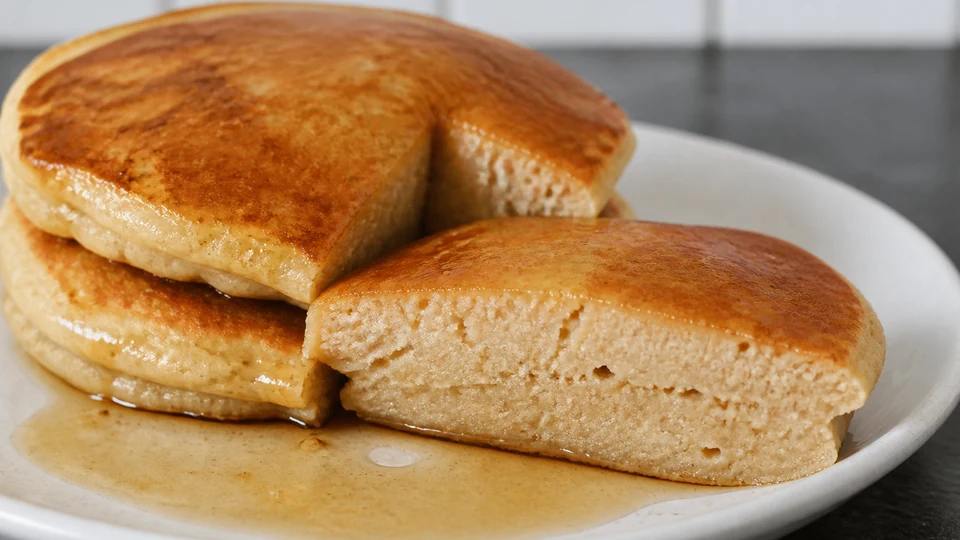
The approved parent route is Pancake Troubleshooting. Dense can describe low rise, a tight crumb, a wet compact centre or an intentionally substantial style, so the observed defect must be named first. Quantities, yield, timing, nutrition, storage, and dietary suitability must therefore come from the selected complete formula, current product labels, and the cited authority within its stated domain.
| Guide sections |
|---|
| Choose a format before changing ingredients |
| Build a controlled preparation sequence |
| Current-batch troubleshooting |
| Evidence and safety boundary |
For broader context, continue with Pancake Troubleshooting.
Choose a format before changing ingredients
Separate low rise from raw centre
Cut a cooled diagnostic pancake. A cooked but tight crumb points in a different direction from a glossy or paste-like centre that needed a thinner portion or different heat balance.
Verify leavener identity and age
Confirm whether the formula uses baking powder, baking soda with acid, or both. Check the product date and distribution before increasing the amount.
Review mixing and waiting
Repeated beating can change a wheat batter, while a long unplanned wait can alter hydration and gas retention. Record both instead of guessing.
Check portion and surface heat
A very thick portion may brown before heat reaches the centre. Use the source scoop and pan cue rather than relying on exterior colour alone.
Build a controlled preparation sequence
- Describe the cooled crumb and centre in plain language.
- Confirm measurements and ingredient identities against the formula.
- Check leavener, mixing count and elapsed rest.
- Cook one source-sized portion at a reproducible pan setting.
- Change one variable and compare after the same cooling interval.
Current-batch troubleshooting
Tight but fully cooked crumb
Test gentler mixing or the verified leavener in a controlled follow-up, not both.
Wet compact centre
Reduce portion thickness or adjust heat according to the complete formula.
Good first pancake, dense later batch
Record batter wait and repeated stirring between portions.
Little surface colour and low rise
Verify pan preheat and leavener before extending cook time.
Evidence and safety boundary
Flour is a raw ingredient, so do not taste uncooked batter. Keep the selected formula intact, use its cooked-centre cues, and treat a failed first pancake as diagnostic evidence rather than permission to keep adding flour, liquid, or leavener without measurement. The sources do not establish a Pancake World kitchen test, a universal result, or identical behaviour across brands and appliances. If ingredient identity, storage history, or an applicable endpoint is uncertain, resolve it before cooking or serving.
For the next trial, compare separate low rise from raw centre with verify leavener identity and age only if both remain inside the selected formula's boundaries. Record whether tight but fully cooked crumb or wet compact centre appeared, then change one plausible variable. That makes the follow-up specific to this route rather than a generic correction.
Next-batch prevention checklist
- Select one complete formula that actually covers dense pancake recipe.
- Keep separate low rise from raw centre separate from review mixing and waiting when their preparation schedules conflict.
- Observe tight but fully cooked crumb in the first small portion.
- Record good first pancake, dense later batch before changing the next batch.
- Change one plausible variable and preserve the control.
- Omit unsupported yield, nutrition, dietary-outcome, and project-test claims.
Contextual routes for the next decision
- Breakfast Hash for a neighbouring preparation or menu decision.
- Brunch For 2 Ideas for a neighbouring preparation or menu decision.
- Tasty Brunch Recipes for a neighbouring preparation or menu decision.
Frequently asked questions
Does dense always mean undercooked?
No. Inspect the cooled centre; a tight cooked crumb and a wet interior are different failures.
Should more baking powder be added?
Not until measurement, freshness, acidity and formula balance have been checked.
Can overmixing cause density?
It can be a relevant variable in wheat batter, but diagnose it with a controlled batch rather than treating it as the only cause.
Explore related Pancakes World guidance on American Pancakes, American Breakfast: Pancakes, Diner Plates and Brunch, and Maple Syrup.
Sources and editorial references
- U.S. FDA, Handling Flour Safely —
https://www.fda.gov/food/buy-store-serve-safe-food/handling-flour-safely-what-you-need-know - King Arthur Baking, Buttermilk Pancakes —
https://www.kingarthurbaking.com/recipes/buttermilk-pancakes-recipe - Colorado State University Extension, Ingredient Substitutions —
https://extension.colostate.edu/resource/ingredient-substitutions/