Dairy free brunch recipes
At Pancakes World, build a dairy-free brunch by choosing one substantial savory dish, one simple sweet or grain dish, fresh produce, and drinks, then verify every component contains no milk ingredient. Favor recipes that are naturally dairy-free; when adapting a recipe, replace milk, butter, cheese, yogurt, sour cream or cream according to the job it performs, not merely by name. Use a complete tested recipe for quantities and timing. If a guest has a milk allergy, read every current package label, include toppings and cooking sprays, prevent cross-contact, and ask the guest what level of control they require. Dairy-free alone does not mean vegan, egg-free, gluten-free, nut-free or soy-free.
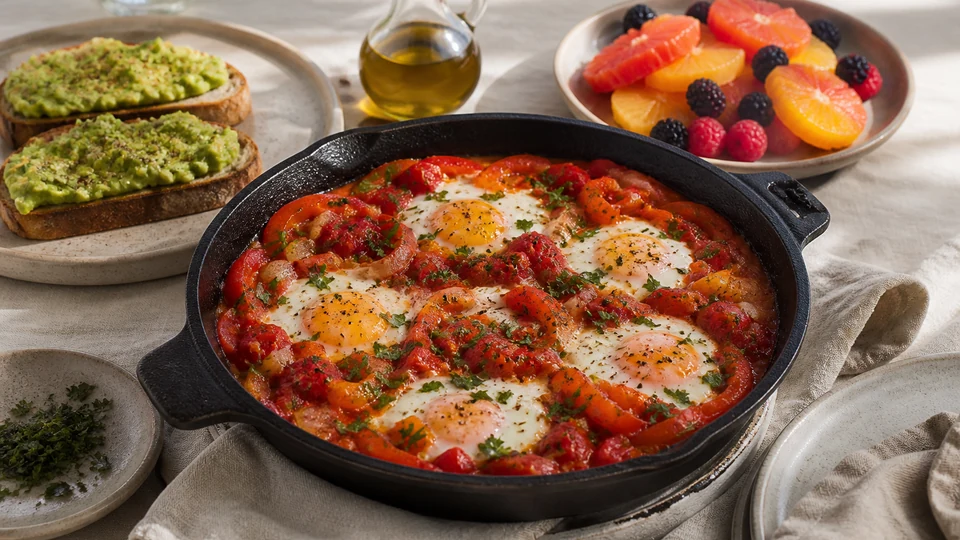
This guide is a planning and decision system rather than a set of project-tested formulas. The brunch hub covers the larger meal, and Pancake World opens the complete collection.
| Guide sections |
|---|
| Define dairy-free before choosing dishes |
| Start with naturally dairy-free candidates |
| Use a four-part menu architecture |
| Match each dairy ingredient to its function |
For broader context, continue with American Breakfast: Pancakes, Diner Plates and Brunch.
Define dairy-free before choosing dishes
The most useful first step happens before shopping. Ask whether dairy is being excluded as a preference, because of lactose intolerance, or because of a diagnosed milk allergy. Those situations can lead to different ingredient and cross-contact decisions. This page does not give medical advice; it treats a declared milk allergy as the stricter planning lane.
In US packaged-food labeling, milk is a major food allergen. A packaged food that contains a milk-derived ingredient must identify the food source in the ingredient list or a separate “Contains” statement under the applicable labeling rules. That makes the full current package—not a remembered ingredient list, a shelf tag or a recipe photo—the primary checkpoint.
Keep adjacent restrictions separate:
- Dairy-free is not automatically vegan. Eggs, meat, fish and honey can be present in a dairy-free menu.
- Dairy-free is not automatically egg-free. Frittatas, strata-style adaptations and many baked goods may still contain eggs.
- Dairy-free is not automatically gluten-free. Flour, bread, oats subject to the guest’s requirements, sauces and packaged seasonings need their own evaluation.
- Dairy-free is not automatically nut-free or soy-free. Almond, cashew and soy products are common substitutes, and those ingredient families matter independently.
- Lactose-free is not the same claim as milk-free. A product can address lactose while still being made from milk. For a milk-free menu, verify the ingredients rather than treating “lactose-free” as a substitute for “dairy-free.”
Write all guest requirements at the top of the menu sheet. A dish should only receive the labels that its ingredients, handling and serving setup support. One broad “free-from” badge can hide several different questions.
Start with naturally dairy-free candidates
Adaptation adds decisions. A naturally dairy-free recipe avoids the need to imitate cheese, butter or cream and usually makes the shopping audit shorter. “Naturally” describes the formula, not the kitchen: packaged ingredients and cross-contact still require review when allergy controls matter.
Useful candidate families include:
- egg-and-vegetable dishes whose complete recipe uses oil and no cheese, milk, cream or butter;
- roasted potato, sweet potato, bean or vegetable dishes seasoned without dairy-containing blends;
- rice, quinoa or other grain dishes made with water, broth verified for the required restrictions, or a suitable plant beverage specified by the recipe;
- fruit plates, fruit compotes and salads whose dressings and toppings contain no dairy;
- bean spreads, tomato-based relishes, salsas and vegetable dips built without yogurt or cheese;
- breads, muffins, pancakes or waffles from a complete formula already designed without dairy;
- salads with beans, grains, eggs, fish or meat as appropriate to the guest brief, using a verified dairy-free dressing;
- coffee, tea and cold drinks served with clearly identified options rather than a communal unmarked pitcher.
These are selection categories, not interchangeable formulas. A baked egg dish still needs its own ingredient amounts, pan size, oven setting, time and doneness instructions. A grain recipe needs its specified grain-to-liquid relationship. A pancake recipe needs its own batter method. Choose one complete source and follow it instead of combining the ingredient list from one recipe with the method from another.
Use a four-part menu architecture
A practical brunch does not need a dairy-free version of every familiar dish. It needs enough contrast and substance that the guest receives a coherent meal.
1. Anchor
The anchor supplies the main cooked focus. Select one of four lanes:
- a vegetable-and-egg bake designed without dairy;
- a potato-and-bean skillet or tray;
- a grain bowl with a savory topping system;
- a meat or fish dish, if it fits the group, with dairy-free seasoning and accompaniments.
When serving a mixed group, making the main anchor dairy-free can be simpler than preparing two near-identical casseroles. Optional cheese can remain a separately labeled topping away from the dairy-free service area. That is an editorial workflow preference, not a universal allergy-control guarantee.
2. Carbohydrate or sweet counterpoint
Choose one complete dairy-free pancake, waffle, muffin, toast, baked-oat or other grain recipe. The sweet item should not depend on an improvised one-for-one substitution on event morning. If the source formula was written for dairy ingredients, test the exact adaptation outside the event or choose a formula designed around the intended substitute.
3. Fresh element
Fruit, tomatoes, cucumbers, leafy greens, herbs or a crisp slaw can bring temperature and texture contrast without another dairy replacement. Keep dressings, chocolate, granola and other packaged additions within the same label audit as the cooked dishes.
4. Drinks and condiments
Coffee service is often where an otherwise careful plan becomes ambiguous. Keep each plant beverage in its original labeled container or a clearly identified dedicated vessel. Use separate spoons. Confirm syrups, whipped toppings, drink powders and cream-style additions individually. For a preference-only gathering, labels improve clarity; for a milk-allergy service, agree on the required cross-contact controls before deciding whether a shared beverage station is appropriate.
This architecture creates several valid menus without pretending that every component suits every diet. An egg dish can be dairy-free but not vegan. A nut-based sauce can be dairy-free but unsuitable for a tree-nut restriction. A wheat muffin can be dairy-free but not gluten-free.
Match each dairy ingredient to its function
Successful adaptation starts by asking what the dairy ingredient does in that particular recipe. Two foods called “milk substitutes” may behave differently because their protein, fat, sugar, acidity, stabilizers and flavor differ. The FDA also notes that the nutrient profiles of plant-based milk alternatives vary with the plant source, processing and added ingredients. Compare the current Nutrition Facts panel if nutrition is part of the guest’s decision; do not assume culinary similarity creates nutritional equivalence.
Milk: liquid is only one job
Milk may hydrate flour, loosen a batter, add solids that support browning, contribute protein, soften texture, or carry flavor. Select a replacement that the complete recipe recommends. For savory eggs or sauces, an unsweetened and unflavored product may avoid an unintended sweet or vanilla note. For baking, the source may depend on a particular acidity or solids level.
Check whether the chosen beverage separates under heat, contains added sugar, or has a strong flavor. Those observations guide recipe choice, but they do not justify inventing a universal conversion. If a published formula specifies soy beverage, for example, do not silently switch to coconut or rice beverage and promise the same structure.
Fortification is product-specific. FDA information explains that adding vitamin D to qualifying plant beverages or plant-based yogurt alternatives is optional. Read the label for the actual package instead of describing an entire plant category as fortified.
Butter: fat, water and browning
Butter is not simply “a fat.” In different formulas it can grease a pan, tenderize a crumb, create flaky layers, help aerate batter when creamed, contribute water and milk solids, or finish a hot dish. Oil can work in a recipe built for liquid fat, while a dairy-free solid fat may suit a formula that depends on a solid state. Neither is a universal one-for-one solution.
For a savory tray or skillet, a source recipe written for oil removes much uncertainty. For biscuits, pastry or a creamed cake, use a tested dairy-free formula that specifies the form and temperature of its fat. Do not promise identical browning or texture after an untested swap.
Cheese: flavor is not the only issue
Cheese can add salt, fat, moisture, melt, stretch, browning and structural binding. Decide whether the dish needs those functions at all. A vegetable egg bake may be satisfying when the recipe builds flavor with roasted vegetables, herbs, aromatics and an appropriate seasoning plan; it does not automatically need an imitation cheese.
If a recipe depends on melted cheese to bind or cover a surface, use a complete formula developed around its dairy-free alternative. Product behavior varies, so a brand-independent claim that every alternative melts or browns the same way would be unsupported. For a garnish, a crisp topping, herbs, toasted seeds where guest restrictions permit, or a sharp relish may provide contrast without trying to reproduce cheese.
Yogurt and sour cream: acid, moisture and body
These ingredients may supply tang, acidity for leavening, moisture, fat or a thick cold finish. A cultured plant-based alternative might address some of those jobs, but the formula and label decide. In a batter, acid may participate in the leavening system. In a topping, viscosity and flavor may matter more. Do not use the same substitution rule for both.
For cold service, keep the alternative refrigerated and give it a dedicated utensil. For a sauce, verify that the complete recipe expects heating if you plan to warm it; some products can change texture when heated.
Cream: richness and concentration
Cream contributes concentrated fat and body. A thin plant beverage will not automatically reproduce it. Choose a soup, sauce or bake specifically developed for the intended plant cream, a purée-based sauce, or another dairy-free thickening system. The safest editorial decision for a one-time brunch is often to change the dish rather than force a replacement into an incompatible formula.
Build the menu by decisions, not by substitutes
Use this sequence for every candidate recipe.
Step 1: State the exact restriction set
Record dairy-free preference or milk-allergy lane, then list any separate egg, gluten, soy, peanut, tree-nut, sesame, fish or meat requirements. Do not infer one from another.
Step 2: Pick a complete formula
The recipe needs ingredient quantities, equipment, pan or cooker size, preparation order, temperature, time range and doneness cues. On this page, no quantities or yields are supplied because Pancake World does not have a route-specific test record for these formulas.
Step 3: Mark every dairy dependency
Highlight milk, butter, cream, cheese, yogurt, sour cream, whey, casein and packaged components that may contain milk. Also mark the cooking spray, bread, chocolate, margarine-style spread, broth, seasoning blend, sausage, sauce and garnish rather than auditing only the obvious ingredient names.
Step 4: Prefer the shortest reliable change
If a recipe has five critical dairy dependencies, compare it with a naturally dairy-free candidate before sourcing five replacements. A robust menu can use one adapted showpiece and several naturally compliant sides.
Step 5: Verify the current product
Read the ingredient list and allergen declaration on the package being used. Recipes, store listings, past purchases and front-of-pack claims can become outdated or omit the manufacturing context a guest needs. FDA’s work on dark chocolate provides a concrete warning: some products carrying dairy-free language were found to contain milk. That evidence is about the sampled chocolate categories, not a prevalence estimate for all foods; its planning lesson is to avoid treating a front claim as the entire allergy review.
When a milk-allergic guest needs greater certainty and the label does not answer the process question, the FDA advises that contacting the manufacturer may be appropriate for a product such as dairy-free-labeled chocolate. If adequate information is unavailable, choose a different verified component rather than guessing.
Step 6: Preserve the chain during preparation
Set aside verified ingredients before opening dairy products. Clean the preparation area and equipment according to the controls agreed for the guest. Use dedicated or thoroughly controlled utensils, pans and storage containers as required. Do not dip a utensil used for butter, cream cheese or dairy milk into the dairy-free dish.
Step 7: Label the finished dishes
Use specific language: “made without milk ingredients; contains egg and wheat,” for example, only when that statement accurately reflects the ingredients and handling. Avoid an undefined “allergy friendly” label. Keep the ingredient list available so a guest can make an informed decision.
Three workable brunch patterns
The following patterns are menu blueprints, not tested recipes. Select complete formulas for each cooked component.
Mostly make-ahead table
Choose a baked grain or other source-tested make-ahead carbohydrate, a vegetable-and-bean salad, cut fruit, a cold spread, and one reheated savory anchor. This pattern shifts work away from the final minutes. The safety plan must still cover prompt cooling, refrigerated storage and proper reheating.
Keep crisp toppings separate until service. Store dressings and cold spreads under refrigeration. Reheat cooked food according to federal guidance rather than relying on the serving vessel to make cold food safe.
Hot-from-the-oven centerpiece
Choose one dairy-free egg dish or casserole from a complete recipe, then surround it with room-temperature or cold sides. This keeps oven scheduling legible. Verify the center of an egg dish with a food thermometer; FoodSafety.gov lists 160°F (71°C) for egg dishes such as frittata and quiche. A casserole category may require 165°F (74°C), depending on its composition. Follow the applicable federal category and the complete recipe, using the stricter relevant endpoint when categories overlap.
Cook-to-order pancake or waffle station
Use one complete dairy-free batter formula already designed for the selected beverage and fat. Premeasure dry ingredients and prepare verified toppings in advance, but follow the formula’s rules for mixing and holding batter. A separate station can improve flow, yet shared griddles, brushes, ladles and topping utensils must fit the agreed cross-contact plan.
Fruit, a savory potato or bean side, and drinks make the station a complete brunch rather than an endless queue for one item. State which toppings contain nuts, soy, egg, wheat or other major allergens instead of presenting the whole station as universally suitable.
A calm preparation timeline
Two or three days before
Confirm the guest brief and select the complete recipes. Build a single shopping list with the required package sizes from those sources. Identify any ingredient whose label or manufacturer information needs verification. If uncertainty remains for an allergy-sensitive component, replace it while there is still time.
Map equipment and cold-storage space. A menu that requires two oven temperatures at once or more refrigerator space than available is not ready. Decide which dish owns the oven, which is served cold, and which can be safely reheated.
The day before
Shop and recheck the actual packages. Take a clear record of ingredient labels if that helps preserve the audit through service, but use the packages themselves for the final check. Prepare only the elements whose complete recipes permit advance preparation.
Cool cooked food promptly in appropriate shallow containers where applicable and refrigerate it. FoodSafety.gov advises keeping the refrigerator at 40°F (4°C) or below and chilling perishables within two hours. Do not leave a deep hot casserole on the counter to cool for an open-ended period.
Before guests arrive
Clear the workspace and stage dairy-free ingredients and utensils. Keep cold food refrigerated until it is needed. Preheat cooking equipment according to the selected recipes. Place dairy-containing optional toppings in a distinct area with their own utensils, if they are being offered at all.
Make simple dish labels. Include the separate allergens that are present. Keep backup serving utensils away from the shared table so a dropped or mixed utensil can be replaced.
During service
Bring food out in manageable amounts rather than exposing every portion at once. Monitor the cooked dishes according to their safety needs. Replenish from controlled storage using clean utensils and do not pour new food over a questionable remainder.
Watch the condiment station. A spoon moved from dairy yogurt into a dairy-free topping can undo the ingredient audit. If the service format cannot preserve the controls a milk-allergic guest requires, use individually plated portions from the controlled kitchen instead.
After brunch
Refrigerate perishable leftovers promptly. Mark the preparation date and dish identity. The FoodSafety.gov cold-storage chart lists baked egg casseroles at three to four days refrigerated and quiche with filling at three to five days at 40°F (4°C) or below. Mixed dishes should use the most conservative applicable window, and a recipe or ingredient may require a shorter one.
Reheat leftovers to 165°F (74°C), as listed by FoodSafety.gov, and check with a thermometer. Freezer durations in the federal chart describe quality, while continuous freezing at 0°F (-18°C) or below addresses storage; texture after freezing remains recipe-specific. Do not promise that a plant-based sauce or egg dish will freeze well without formula-specific evidence.
Common planning failures and better decisions
Replacing every dairy ingredient with the same product
A beverage cannot automatically perform the jobs of butter, cream and cheese. Return to the function map and the complete formula. If too many functions change, choose a different recipe.
Treating “non-dairy” or “dairy-free” language as the full allergy check
Use the current ingredient list and allergen information, evaluate the guest’s cross-contact needs, and seek manufacturer information when necessary. A front label is one piece of evidence, not a kitchen guarantee.
Calling the menu vegan
Eggs or animal-derived savory ingredients may remain. Label dairy-free dishes as dairy-free and separately state what they contain. If the event requires vegan food, apply a distinct vegan specification to every ingredient and method.
Assuming all plant beverages are nutritionally equal
FDA guidance says their nutrient content can vary according to plant source, processing and added ingredients. Compare the actual labels for protein, calcium, vitamin D, potassium, added sugars and any other guest priority. This guide makes no nutrition claim for an untested menu.
Inventing a baking conversion during service
Changing liquid, fat, acid and solids can alter batter behavior. Use a recipe developed for its dairy-free ingredients or test the exact adaptation before it becomes event food. Do not interpret an editorial substitution idea as a tested Pancake World recipe.
Forgetting minor components
Cooking spray, bread, margarine-style spread, granola, chocolate, coffee whitener, seasoning packets, broth, processed meat and garnish all belong in the audit. The smallest packaged component can be the only milk source in an otherwise dairy-free dish.
Sharing utensils without a service plan
Ingredient compliance and service control are different gates. Separate serving tools, clear labels and thoughtful station placement reduce confusion, but the required approach depends on the guest and setting. Do not claim a home kitchen is free from cross-contact unless that has genuinely been established.
Frequently asked questions
What can I serve at brunch without dairy?
Start with a complete oil-based egg-and-vegetable dish, a potato or bean anchor, fruit, a grain dish, and clearly labeled drinks. Add a pancake, waffle, muffin or baked-grain recipe specifically designed without dairy if a sweet component is useful. Verify every packaged component.
Are eggs dairy?
No. Eggs and milk are different foods and separate major allergens under US labeling law. Eggs can appear in dairy-free dishes, which is why dairy-free does not mean egg-free or vegan.
Is lactose-free milk suitable for a dairy-free brunch?
Do not assume so. A lactose-free product can still be milk-derived. For a dairy-free or milk-allergy menu, review the ingredients and allergen declaration against the guest’s requirement.
Which plant milk is best for brunch baking?
There is no universal winner. Use the product specified by a complete dairy-free recipe. Protein, fat, sugar, flavor, acidity and added ingredients vary, so two products can produce different results. If nutrition matters, compare the current Nutrition Facts panels rather than assuming equivalence.
Can I convert any pancake recipe by changing the milk?
Not reliably. Milk may affect hydration, browning, tenderness and flavor, while butter or yogurt may create additional dependencies. Use a tested dairy-free formula or test the exact full adaptation before the event. This page does not supply or validate a universal conversion.
Is a dairy-free brunch safe for someone with a milk allergy?
That conclusion cannot come from the menu name alone. The ingredients, current labels, manufacturer information when needed, kitchen handling, equipment and service setup must meet the individual guest’s requirements. Ask the guest rather than making a medical or safety assumption.
Can dairy-free egg casseroles be made ahead?
Only when the complete recipe supports the make-ahead step. Keep perishable ingredients refrigerated, cook the dish to the applicable endpoint, cool and refrigerate leftovers promptly, and reheat leftovers to 165°F (74°C). Do not invent an overnight holding method for a formula that does not provide one.
How long do dairy-free brunch leftovers keep?
“Dairy-free” does not create one storage time. Use the federal cold-storage category for the dish and the shortest limit required by any component. FoodSafety.gov lists baked egg casseroles at three to four refrigerated days and filled quiche at three to five days at 40°F (4°C) or below. A complete recipe may set a shorter limit.
Should dairy-free cheese be included?
Only if it improves the selected complete recipe and fits all guest restrictions. It is optional, not the definition of a complete dairy-free meal. Product ingredients and cooking behavior vary, so verify the label and avoid a universal melt or nutrition claim.
Final decision checklist
Before accepting the menu, confirm:
- the exact restriction set is written down;
- every cooked component comes from one complete recipe;
- naturally dairy-free options were considered before complex adaptations;
- each replacement matches the ingredient’s culinary function;
- every current package, topping and cooking aid has been checked;
- dairy-free has not been confused with vegan or another restriction;
- the milk-allergy lane includes guest-agreed cross-contact controls;
- plant beverages are not described as nutritionally interchangeable;
- oven, refrigerator and serving capacity fit the menu;
- cooked foods have thermometer-based endpoints where applicable;
- make-ahead, cooling, storage and reheating steps follow the formula and federal guidance;
- labels tell guests what is present, not only what is absent;
- no project test, yield, nutrition result or universal substitution has been invented.
Explore related Pancakes World guidance on American Pancakes, Maple Syrup, and Maple Syrup Pancakes.
Sources and editorial references
- U.S. Food and Drug Administration, “Food Allergies”:
https://www.fda.gov/food/nutrition-food-labeling-and-critical-foods/food-allergies - U.S. Food and Drug Administration, “Allergic to Milk? Some Dark Chocolate Labeled as Dairy-Free May Still Contain Milk”:
https://www.fda.gov/consumers/consumer-updates/allergic-milk-some-dark-chocolate-labeled-dairy-free-may-still-contain-milk - U.S. Food and Drug Administration, “Dairy-Free Chocolate Products and Milk Allergens”:
https://www.fda.gov/food/sampling-protect-food-supply/dairy-free-chocolate-products-and-milk-allergens - U.S. Food and Drug Administration, “Milk and Plant-Based Milk Alternatives: Know the Nutrient Difference”:
https://www.fda.gov/consumers/consumer-updates/milk-and-plant-based-milk-alternatives-know-nutrient-difference - U.S. Food and Drug Administration, “Vitamin D for Milk and Milk Alternatives”:
https://www.fda.gov/food/food-additives-petitions/vitamin-d-milk-and-milk-alternatives - FoodSafety.gov, “Cook to a Safe Minimum Internal Temperature”:
https://www.foodsafety.gov/food-safety-charts/safe-minimum-internal-temperatures - FoodSafety.gov, “Cold Food Storage Chart”:
https://www.foodsafety.gov/food-safety-charts/cold-food-storage-charts - FoodSafety.gov, “People at Risk of Food Poisoning”:
https://www.foodsafety.gov/people-at-risk - USDA Agricultural Research Service, “FoodData Central”:
https://fdc.nal.usda.gov/