Clean breakfast ideas
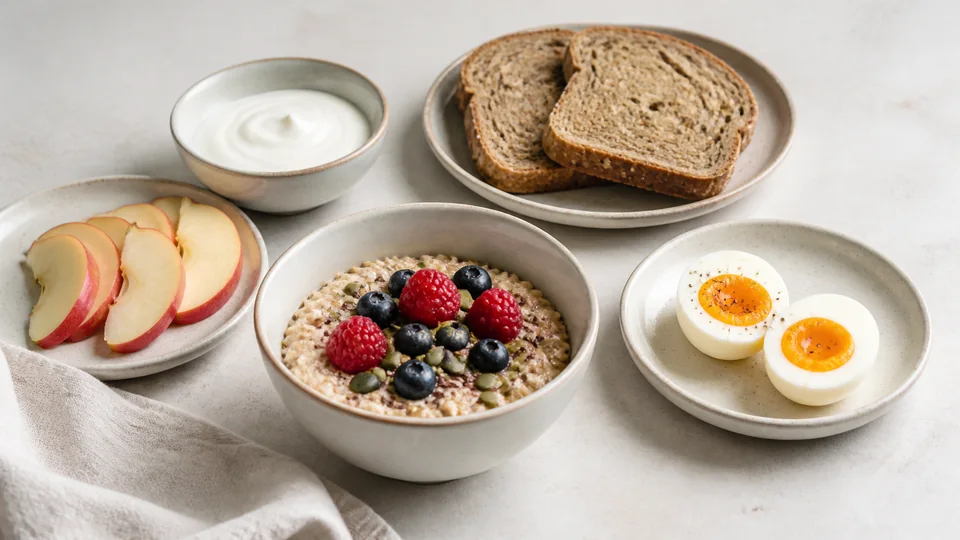
At Pancakes World, “Clean breakfast” has no single regulated meaning, so turn the phrase into a personal, observable checklist before choosing food. You might prioritise recognisable ingredients, a short shopping list, produce you enjoy, less packaging, or the ability to see exactly what is in the bowl. Build breakfast from a base, a contrasting component and a finish, then read labels for any packaged items. These ideas organise real meals without labelling foods or people as clean, dirty, virtuous or unhealthy, and without promising a medical result.
More morning collections are available in the Breakfast hub. Pancake World is the editorial home.
| Guide sections |
|---|
| Replace the label with a decision |
| A component model that does not prescribe a diet |
| Ten breakfast directions built from visible choices |
| How to read a packaged-food label for your own criteria |
For broader context, continue with American Breakfast: Pancakes, Diner Plates and Brunch.
Replace the label with a decision
The word “clean” sounds precise but rarely tells a cook what to buy. Two people using it may mean completely different things. One wants a short ingredient statement on packaged food. Another wants to cook mostly from individual ingredients. A third wants breakfast that can be packed in a reusable container. None of those preferences automatically establishes a nutrition profile, and none makes another food morally wrong.
Write one sentence that can be checked in the kitchen. Examples include “I want a five-component breakfast assembled at home,” “I want fruit or vegetables visible on the plate,” “I want to compare packaged choices by their actual labels,” or “I want a breakfast I can prepare without sweetening it further.” The sentence should describe an action or selection rule, not a health outcome.
Then decide what would make the plan fail. A breakfast with ten optional garnishes may violate a simplicity goal even if every ingredient is familiar. A homemade jar may not suit a person who has no safe way to refrigerate it. A minimally packaged plan may be unrealistic when only single portions fit the week. Clear constraints make the search useful.
A component model that does not prescribe a diet
Use three roles to develop ideas: something that carries the meal, something that changes the texture or temperature, and something that gives a clear finish. These are culinary roles, not nutritional categories. The carrier might be oats, toast, rice, yoghurt, eggs, a tortilla or leftover vegetables. Contrast might come from crisp produce, a creamy spread, toasted seeds or a warm topping. The finish could be herbs, fruit, spice, citrus or a small spoonful of sauce.
Not every breakfast needs three separate ingredients. A baked oat square can contain its contrast, while an egg and vegetable scramble may need only toast beside it. The model exists to prevent a vague pile of “good” ingredients. It should produce a meal you can describe, shop for and repeat.
Before adding anything, ask what job it performs. If berries already provide fresh acidity and colour, another fruit may add shopping work without changing the eating experience. If yoghurt supplies the creamy contrast, a second creamy topping could blur the bowl. Removing duplication often makes breakfast clearer without making a claim about what anyone should eat.
Ten breakfast directions built from visible choices
Warm oats with one fruit and one crisp finish
Choose the oat type and liquid from a complete package direction or recipe. Add one prepared fruit rather than an unplanned fruit assortment. Finish with a crisp ingredient you already use, such as seeds or chopped nuts, if appropriate for the diners. Keep syrups, spreads and dried fruit optional at the table so their use is deliberate.
For advance preparation, cool cooked oats promptly in shallow containers and refrigerate. Add crisp components after reheating. The result is easier to understand when the fruit and finish remain visible instead of being buried beneath many additions.
Overnight oats with a written jar formula
An overnight jar benefits from a repeatable note: base, liquid, flavouring, fruit, finish. Use the quantities and refrigeration instructions from a documented formula, since different oat forms and additions absorb liquid differently. Date the jar and leave space for stirring.
If the goal is label awareness, keep the packages for milk, plant-based beverage, yoghurt or other packaged ingredients until you have checked their ingredient statements and handling directions. A homemade assembly does not erase the properties of what went into it.
Plain yoghurt bowl arranged in sections
Place yoghurt in the bowl, add prepared fruit to one side, and keep a dry topping separate until eating. The sectioned arrangement is practical: you can see the components, decide how much to combine in each spoonful, and keep crisp food from softening prematurely.
Choose yoghurt by the actual label and the needs of the diner, not by front-of-package imagery. Serving size and servings per container are distinct pieces of label information. This article does not compare brands or assign a health rank.
Toast with a spread and prepared produce
Toast is a simple carrier when the topping plan is restrained. Use one spread and one produce component: bean spread with tomato, ricotta with pear, nut or seed butter with sliced fruit, or avocado with herbs are editorial possibilities rather than tested formulas. Check allergen requirements and ingredient labels for the specific products used.
Wash produce under running water before cutting. Avoid soap, detergent or commercial produce wash, following FDA advice. Drain or dry wet toppings so the toast remains manageable.
Eggs with a deliberate vegetable choice
Instead of emptying every vegetable drawer into a pan, pick one quick-cooking item and one aromatic or herb. Prepare and measure them before the eggs start. If a vegetable needs longer cooking, finish that step first and add eggs only when the pan is ready for them.
Egg dishes should reach 160°F according to FoodSafety.gov. This temperature is a safety boundary, not a statement about flavour. Use a complete method for quantities and pan size rather than inferring universal timing from appearance.
A breakfast grain bowl from planned leftovers
Cooked rice or another grain can become a breakfast carrier when it was cooled and stored safely. Reheat the portion to 165°F, then add a separately prepared egg, vegetables, herbs or sauce as the chosen formula directs. Do not use a forgotten container whose date and handling are unknown.
A labelled leftover is not an inferior ingredient. It can serve a waste-reduction preference and shorten morning preparation. The important distinctions are what it is, when it was refrigerated, and how it will be reheated.
Fruit and cottage cheese on a plate
A divided plate offers a different experience from blending everything. Select one fruit, cut it into pieces suited to the utensil, and spoon cottage cheese beside it. Add an optional dry finish only if it changes texture. Keep the cheese chilled until serving.
This idea does not imply a nutrient target. Product composition and serving sizes vary, and no values are copied here. Anyone calculating nutrients should use the exact food and form rather than a generic dish name.
A tortilla roll with a compact filling
Use a tortilla as a wrapper for a filling that is cooked, cooled or held as required. Scrambled egg with a prepared vegetable, beans with a fresh garnish, or a documented spread with crisp produce can work. Keep the filling modest enough to roll and avoid excess liquid.
If packing the roll, use a suitable cold pack for perishable fillings and keep the storage duration within safe guidance. “Portable” describes shape, not permission to leave food unrefrigerated.
A simple pancake plate with visible additions
Choose a complete pancake recipe or a labelled mix and follow its method. Serve fruit beside the pancakes or fold one documented addition into the batter rather than layering many sweet finishes by default. A measured topping can remain available for people who want it.
Pancakes made from scratch are not automatically more suitable than a mix, and a mix is not defined by its front panel. If label simplicity is your personal criterion, compare ingredient statements and preparation requirements for the exact options available.
A savoury leftover-vegetable breakfast
Roasted vegetables stored safely can be reheated as the centre of a morning plate. Pair them with toast, a documented egg preparation, beans or a grain according to what needs using. Add fresh herbs after heating rather than cooking them into disappearance.
Separate “use soon” planning from safety. A vegetable may be undesirable in texture before it is unsafe, while unsafe handling cannot be fixed by reheating indefinitely. Date containers, assess them within established storage guidance and discard food when its history is uncertain.
How to read a packaged-food label for your own criteria
The Nutrition Facts label presents a serving size and the number of servings per container. Compare the amount you actually plan to use with that stated serving rather than assuming the whole package is one serving. Nutrient declarations belong to that labelled serving basis unless the label provides additional columns.
The ingredient statement serves a different purpose. If your personal definition focuses on recognising ingredients or avoiding a particular allergen, read that statement and the relevant allergen information every time you buy. Formulas can differ across products and can change. A familiar package colour is not evidence that the contents meet your requirement.
Marketing phrases on the front do not replace the regulated panel. Turn the package around. Compare like forms and serving contexts, and decide which difference matters to your stated goal. Avoid building a score from unrelated features just to declare a winner.
For foods without a package, USDA FoodData Central provides records for many foods and forms. Select the record that matches the ingredient—raw versus cooked, drained versus undrained, or a specific preparation—before using any value. This guide intentionally publishes no nutrition totals because it has no single quantified recipe.
Four personal definitions and what they change
“I want fewer decisions in the morning”
Choose two breakfast patterns for the week and alternate them. One might be a cold bowl assembled from three named components; the other could be toast with one prepared topping. Put the pattern on the shopping list. Variety can happen through fruit or herbs without redesigning the meal each day.
Batch only the part that holds well. Wash sturdy produce, cook a grain, portion a dry topping or prepare a spread from a documented method. Leave texture-sensitive assembly for the morning. This definition values cognitive simplicity rather than claiming purity.
“I want to cook from mostly individual ingredients”
Start with an ingredient inventory, then pick methods that match it. Oats, eggs, fruit, vegetables, beans and bread can become many breakfasts without disguising what they are. Still, “individual ingredient” is not a safety exemption: raw and cooked foods need appropriate storage and handling.
Packaged staples may remain useful. Oil, spices, frozen produce, bread and canned beans can make the plan practical. Decide which level of preparation matters to you instead of rejecting a food solely because it has packaging.
“I want to understand packaged choices”
Select one category to compare at a time. Put two yoghurts, breads or cereals side by side and read serving size, servings per container and ingredient statements. Consider how you actually use the product. A theoretical serving comparison is less useful if your normal amount or preparation differs.
Keep the choice until there is a reason to revisit it. Repeating a suitable staple prevents label analysis from consuming every shopping trip. Recheck when the package changes or a diner's requirement changes.
“I want less breakfast packaging”
Identify where packaging accumulates rather than assuming every bulk purchase helps. A large container is useful only if the food will be stored and eaten safely. Choose reusable jars or boxes for home portions, buy sizes that match actual consumption, and preserve cooking or label instructions when transferring food.
Waste goals include uneaten food. A smaller package that prevents spoilage may fit the household better than an ambitious bulk plan. This is a practical tradeoff, not a universal ranking.
A seven-day idea map without a rigid meal plan
Use the week as a sequence of preparation states. Day one can use the freshest delicate produce. Day two can repeat the same base with a different texture. Day three can use a cooked component deliberately prepared earlier. Day four can be a shelf-stable fallback. Day five can consume labelled leftovers. Weekend days can include a method requiring more active work.
For example, begin with yoghurt, berries and a dry topping. Follow with warm oats and sliced fruit. Use a refrigerated grain in a reheated savoury bowl on the next morning. Keep toast and a packaged spread for the busiest day. Turn safely stored roasted vegetables into an egg plate near the end of their planned window. Choose pancakes on one weekend day and a tortilla breakfast on the other.
This is a logistics pattern, not a prescription. Swap ingredients for availability, preference and actual dietary requirements. Its value lies in assigning fragile food earlier and prepared components to a known later use.
Shopping with an edit pass
Write the breakfast ideas first, then consolidate ingredients. Circle components that appear twice and question those used only once. A bunch of herbs that finishes three meals may be more practical than three separate garnishes. One fruit used in a bowl and on toast may reduce forgotten leftovers.
Next, mark each item as fresh, frozen, refrigerated, dry or already owned. This reveals storage pressure. If the refrigerator is crowded, choose a shelf-stable fallback rather than buying another perishable “aspirational” breakfast.
Finally, review packages for the criteria you set. Do not add a product merely because its front says natural, wholesome or clean. Do not remove a useful food because it is convenient. The point is to make the decision visible.
Preparation that preserves choice
Prepare neutral components when the week may change. Plain cooked oats can accept a sweet or savoury finish. Washed, cut vegetables can join eggs, toast or a grain bowl when stored appropriately. A labelled bean spread can top bread or fill a tortilla.
Avoid pre-mixing every garnish. Separate containers preserve texture and allow diners to decline an ingredient. This is especially important when managing allergens, although separation alone does not control cross-contact. Use clean utensils, surfaces and storage practices appropriate to the actual restriction.
Keep a “finish first” box for safely stored ingredients that need attention. Place it where it is visible and date its contents. Each evening, decide whether one item belongs in the next breakfast. Visibility prevents a planning system from becoming another hidden drawer.
Produce handling without unnecessary products
FDA guidance recommends washing produce under running water and does not recommend soap, detergent or commercial produce wash. Remove damaged areas as appropriate and use clean hands, boards and utensils. Keep ready-to-eat produce away from raw animal foods and their equipment.
Timing matters for quality. Wash berries close enough to use that they are not stored wet unnecessarily. Sturdy vegetables can be prepared according to the week's plan, dried and placed in clean containers. A salad spinner or clean towel is a tool for moisture management, not a safety guarantee.
Frozen fruit and vegetables can fit a visible-ingredient breakfast. Follow package directions and use a container that prevents partial thawing during repeated handling. A frozen ingredient is not lesser because it was processed for storage; judge whether it fits the specific meal and preference.
Leftovers: name, date and destination
USDA FSIS advises refrigerating perishable leftovers within two hours, using shallow containers for cooling, and using most refrigerated leftovers within three to four days. Reheated leftovers should reach 165°F. Apply those boundaries to breakfast components such as cooked grains, roasted vegetables, egg dishes and casseroles.
Label a container with what it contains and when it was refrigerated. Add the intended destination if that helps: “rice—Tuesday breakfast bowl” is more actionable than “leftovers.” A destination is not permission to exceed the storage window, but it reduces guesswork.
Do not place new food over old food in the same container because they look similar. The dates and handling histories differ. Finish, freeze where appropriate under a documented method, or discard the older portion before refilling.
When reheating, stir foods that heat unevenly and check the relevant internal temperature. Steam at the surface does not prove the centre is hot. Reheat only the portion intended for that meal rather than cycling the whole container through temperature changes.
Make the plate look intentional
Visual order can help a simple breakfast feel complete. Use a bowl that fits the amount, leave some space between contrasting components, and choose one visible finish. On a plate, group a hot component, toast or tortilla, and produce so each remains identifiable.
Colour is a presentation tool, not a nutrition guarantee. A pale breakfast can still be carefully chosen, and a multicoloured bowl does not establish a health result. Use colour to distinguish components and make the meal appealing to the people eating it.
Texture deserves equal attention. Pair soft oats with a dry finish added at service, toast with a spread that will not immediately soak it, or yoghurt with fruit cut to a comfortable size. These are observable eating decisions rather than wellness claims.
Common traps in “clean” breakfast content
Moral language
Calling a meal guilt-free, sinful, virtuous or a detox attaches judgement or an unsupported outcome to food. Describe what is actually present and how it is prepared. “Oats with pear and toasted seeds” is more informative than “pure morning fuel.”
Unstated serving assumptions
A photograph may show a portion unlike the one on a package label. Do not copy a nutrient number without matching the amount, food record and form. This page avoids numbers because it offers adaptable ideas rather than tested quantified recipes.
Too many specialist purchases
A plan that requires powders, niche sweeteners and several new toppings can conflict with a simplicity goal. Start with foods already used in the household. Add one new component only when it has a clear role and a realistic use after breakfast.
Treating homemade as automatically superior
Home preparation offers control over the chosen method, but it does not guarantee a particular nutrient profile or safe handling. Packaged food offers a label and instructions but is not automatically unsuitable. Compare the real options against the stated preference.
Copying an influencer's rule without context
A rule designed for another budget, schedule, kitchen or dietary need may create waste. Translate inspiration into your own observable criterion. If the result cannot be checked at the shop or breakfast table, rewrite it.
Questions to answer before repeating an idea
Did the breakfast fit the available morning time? Were ingredients still in good condition when used? Did the planned contrast survive storage? Was there an unopened component bought for only one meal? Could the same result use a staple already present? Did everyone know which items contained relevant allergens?
These questions evaluate logistics and eating quality. They do not score the eater. Record one change for the next round, such as keeping the topping separate or preparing half as much fruit, and leave the rest of the pattern stable.
Frequently asked questions
Is “clean” an FDA nutrition category?
This article does not treat it as one. It uses the word only as shorthand for a reader-defined shopping or preparation preference. Regulated label information should be read from the actual package.
Are these weight-loss breakfasts?
No. No weight, medical or performance outcome is promised. Anyone needing an individual nutrition plan should work with an appropriately qualified professional.
Can packaged food be included?
Yes, if it fits your stated criteria and practical needs. Read serving information, ingredient statements, allergens and handling instructions instead of judging from package design.
Must every breakfast contain produce?
No universal requirement is asserted here. Produce can add flavour, texture and colour when you want it. Choose and handle it according to the meal and the people eating.
How many ideas should I prepare at once?
Prepare only what will be stored safely and eaten within the plan. Batch neutral components when useful, and keep moisture-sensitive finishes separate. More preparation is not automatically better.
Why is Article schema used?
The page provides a planning framework and editorial combinations, not one project-tested formula with fixed ingredients, yield, timings and instructions. Recipe schema would therefore be unsupported.
A compact breakfast brief to keep
Before the next shop, write five lines: my definition, two repeatable breakfast patterns, one fallback, ingredients already owned, and perishable items to use first. Underline the packaged foods whose labels need checking. Add storage containers to the plan only if they are actually available.
At the end of the week, cross out what was not useful and retain what worked. A personal breakfast system becomes clearer through a few honest observations, not through increasingly strict food labels. The practical aim is a morning meal whose contents, preparation and handling you can understand.
When the plan meets a difficult morning
A practical definition should survive disruption. Keep one breakfast that needs no chopping, one that uses the freezer, and one that can be assembled from shelf-stable ingredients plus a refrigerated staple. Write these fallbacks beside the regular ideas so they are choices rather than signs that the plan failed. A rushed morning does not require moral judgement about food.
If the expected fruit is overripe, decide whether it suits a documented cooked preparation or should be discarded; do not hide deterioration in a blended drink. If the planned yoghurt has been used, move its dry topping to oats rather than buying an emergency collection of replacements. If there is no time to cook eggs, save them for a meal when they can be handled and cooked safely.
Travel also changes the plan. Select food by the refrigeration and utensils actually available at the destination. A cold bowl that works at home may be unsuitable in a bag for several hours, while dry toast components can travel separately and be assembled later. Packaged portions may sometimes prevent waste or provide needed handling information. That tradeoff can still fit an honest personal criterion.
Review fallbacks after they are used. Did the ingredients remain identifiable? Was the meal possible with the equipment on hand? Did it create avoidable waste? The answers improve the system without turning an ordinary convenience choice into a dietary claim.
Explore related Pancakes World guidance on American Pancakes, Maple Syrup, and Maple Syrup Pancakes.
Sources and editorial references
- U.S. Food and Drug Administration —
https://www.fda.gov/food/nutrition-facts-label/how-understand-and-use-nutrition-facts-label - USDA FoodData Central —
https://fdc.nal.usda.gov/ - U.S. Food and Drug Administration —
https://www.fda.gov/food/buy-store-serve-safe-food/selecting-and-serving-produce-safely - USDA Food Safety and Inspection Service —
https://www.fsis.usda.gov/food-safety/safe-food-handling-and-preparation/food-safety-basics/leftovers-and-food-safety