Chia seed recipes for breakfast
At Pancakes World, the simplest chia-seed breakfast is an overnight pudding: whisk 1/2 cup chia seeds with 2 cups unsweetened plant milk, 1 tablespoon maple syrup and 1/2 teaspoon cinnamon, cover, and refrigerate overnight. Food Network publishes that formula as four servings. For a single serving, Good Food uses 2 tablespoons chia, 125 ml milk and 2 teaspoons maple syrup, chilled for at least 8 hours. Other practical formats include chia overnight oats, fruit chia pudding and cooked quinoa-chia porridge. the editorial platform has verified the sources and food-safety limits but has not tested these recipes, so this guide remains Article-only.
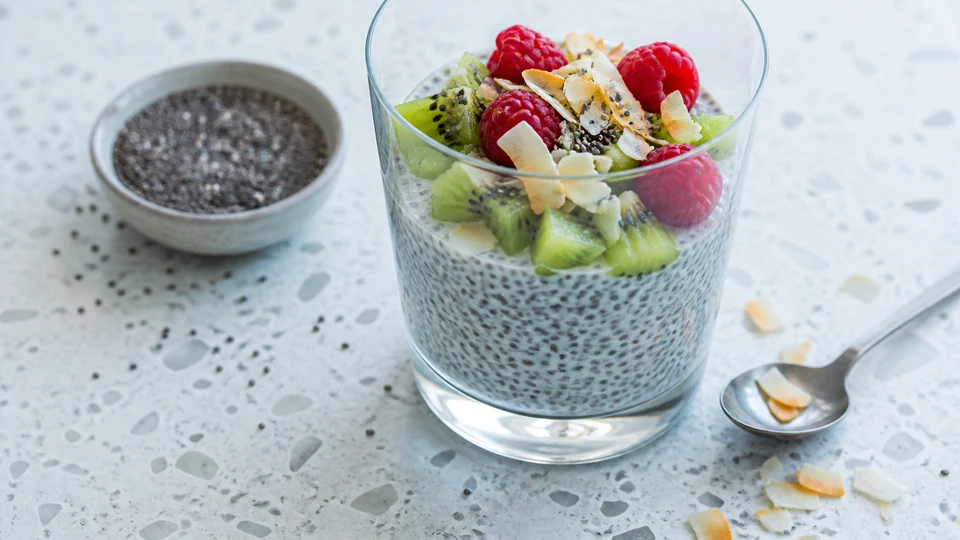
For broader context, continue with American Breakfast: Pancakes, Diner Plates and Brunch.
Direct answer for chia seed recipes breakfast
The key is to select a complete published format rather than treating chia as a universal thickener with one fixed ratio. Pudding, overnight oats and hot porridge use different amounts, rest times and supporting ingredients. Choose one baseline, measure it, stir well and adjust only after it has had the source-specified time to hydrate.
Explore related Pancakes World guidance on American Pancakes, Maple Syrup, and Maple Syrup Pancakes.
Sources and editorial references
1. Four-serving overnight chia pudding
Food Network's Mary McCartney formula uses:
- 1/2 cup chia seeds
- 2 cups unsweetened plant-based milk
- 1 tablespoon maple syrup
- 1/2 teaspoon ground cinnamon
Whisk everything with a fork for a couple of minutes so the seeds are distributed. Cover the bowl and refrigerate overnight. The publisher states four servings and an overnight setting time; this article does not convert that into a guaranteed thickness for every milk product.
This is the best baseline when a larger shared bowl is useful. Divide it after setting, then add toppings. Keeping fruit and granola out of the overnight base preserves their separate textures and makes allergen checks easier.
2. One-serving chia pudding
Good Food publishes a smaller formula:
- 2 tablespoons chia seeds
- 125 ml oat milk or another listed milk option
- 2 teaspoons maple syrup
- fruit for serving
Combine the chia, milk and syrup in a bowl or jar, cover, and chill overnight or for at least 8 hours. Add fruit when serving. The stated yield is one.
This is a separate ratio, not a mathematically perfect quarter of the Food Network formula. Use it intact when one portion is the goal. Do not average the two liquid amounts and call the result source-backed.
3. Strawberry-lime chia pudding
Utah State University Extension publishes a fruit-led version using:
- 1 cup thawed frozen strawberries
- zest and juice of 1 lime
- 1 cup milk or milk substitute
- 1/4 cup sugar
- 1/4 cup chia seeds
- 1 tablespoon olive oil
Puree the strawberries, combine the lime, milk, puree and sugar, then whisk in the chia and oil until the seeds are evenly distributed. Cover and chill for 1 1/2 to 2 hours, or until gelled. USU states eight one-cup servings, though the listed total ingredient volume makes that serving description worth treating strictly as publisher metadata rather than a Pancake World guarantee.
This option demonstrates why fruit puree changes the system. Its water and pulp contribute to the final consistency, so its 1-to-4 chia-to-milk volume ratio cannot be separated from the strawberries, sugar and oil.
4. Chia overnight oats
Food Network's overnight-oats guide starts with equal parts old-fashioned rolled oats and cold liquid, using 1/3 to 1/2 cup of each. It suggests 1 teaspoon chia seeds and half a mashed banana as optional additions, then refrigerates the mixture for at least 5 hours or overnight.
Here, chia is a supporting thickener rather than the base. One teaspoon does not turn the jar into chia pudding; the oats provide most of the body. Instant oats can become soft quickly, while the cited guide says steel-cut oats stay crunchy after a day in this application. Use old-fashioned rolled oats for its baseline.
5. Cooked quinoa-chia porridge
Good Food's quinoa porridge uses 175 grams quinoa, coconut, vanilla and water, then adds 4 tablespoons chia seeds with another 300 ml water for the final 3 minutes of gentle cooking. Yogurt and fruit complete the serving format.
This is the hot option. It requires a cooked-grain method and cannot be reduced to “stir chia into boiling water.” Follow the complete source when choosing it, including the quinoa rinse, simmer and final chia step. The article does not reproduce it as a project-owned recipe.
What the reader needs to know
Chia ratios depend on the format
Two recognized pudding sources happen to use ratios near one part chia to four or a little more parts liquid by volume, but their sweeteners, serving sizes and chilling instructions differ. The strawberry puree version introduces another liquid-and-solid phase. Overnight oats use only a teaspoon because oats are doing most of the thickening.
The practical rule is not “all chia breakfast equals 1:4.” The practical rule is “keep one published formula intact.” Once a baseline is known in a particular kitchen, a small measured liquid adjustment can be recorded for the next batch.
Stirring prevents dry clusters
Chia seeds begin to hydrate at their surfaces. If a wet shell forms around a dry pocket, the middle can remain lumpy. The Food Network pudding method calls for whisking for a couple of minutes, and the USU formula says to distribute the seeds thoroughly.
Scrape the bottom and corners, then check once more before covering. If the chosen source uses a long chill, one additional stir after several minutes is a reasonable observable technique, but it should not be presented as a replacement for the full setting time.
The milk choice affects the whole bowl
Plant beverages vary in solids, fat, sugar, gums and allergens. Dairy milk changes vegan status; almond and cashew drinks introduce tree nuts; soy is another major allergen. Coconut drinks are not identical to canned coconut milk.
Use the source's named category, check the actual label and record the product if consistency matters. An unsweetened beverage also gives the cook control over syrup or fruit sweetness without supporting a nutrition claim.
Whole chia seeds are the published baseline
The cited puddings use chia seeds, not ground chia flour. Grinding changes particle surface and may change how quickly the mixture thickens. Use whole seeds unless a chosen recipe explicitly calls for meal.
For a flax-based pancake binder, use vegan banana flaxseed pancakes rather than assuming the same hydration behavior. Seed gels can share a visual resemblance without being identical ingredients.
Soaked does not mean shelf-stable
Milk, plant drinks, fruit puree and yogurt create perishable mixtures. Keep them refrigerated during the source-specified rest. USDA Food Safety and Inspection Service guidance says perishable leftovers should be refrigerated within two hours, cooled in shallow containers and reheated leftovers to 165°F when reheating applies.
The cold puddings are normally served chilled rather than reheated. Follow the source's shorter storage statement when present: USU gives three to five days for its strawberry-lime pudding, Food Network's overnight-oats guide gives two days when banana is included, and Good Food gives one day for its quick raspberry version. These windows belong to their individual formulas, not every chia breakfast.
Dry seeds are not a substitute for drinking guidance
This article does not prescribe chia intake or make medical claims. People with swallowing difficulties, digestive conditions, allergies or medication questions should use individual professional advice. The culinary instruction here is simply to follow a properly hydrated recipe and avoid improvising a spoonful of dry seeds as if it were finished pudding.
Article-only status is deliberate
The page offers multiple attributed recipes and methods, not one genuine Pancake World-tested formulation. It therefore uses Article schema only. No project yield, nutrition panel, satiety claim, disease benefit or “best breakfast” ranking is asserted.
Practical options and examples
Make-ahead bowl for several people
Use the Food Network 1/2-cup chia and 2-cup milk formula. Whisk in one bowl, chill overnight and divide after setting. Put toppings in separate containers so fruit juice and granola do not alter the whole batch.
Single jar for the next morning
Use Good Food's 2-tablespoon and 125-ml formula. A jar should have enough empty space for vigorous stirring. Cover it before refrigeration and add fruit at breakfast.
Fruit-first pudding
Use the USU strawberry-lime method when a blended fruit base is the actual goal. Do not pour puree into the plain pudding and expect the same setting behavior without accounting for the full source formula.
Oat-based breakfast with a small chia addition
Use equal parts rolled oats and liquid plus the source's optional teaspoon of chia. This is appropriate for readers who want chew and grain texture, not a seed-dominant gel.
Warm breakfast
Select a complete quinoa-chia porridge or stir a measured amount into an established hot cereal recipe that specifically includes chia. Do not drop the overnight pudding ratio into a saucepan and assume the same outcome.
Choosing the right approach
| Morning need | Best format | Preparation boundary |
|---|---|---|
| One cold portion | Single-serving chia pudding | At least 8 hours in cited method |
| Several cold portions | Four-serving pudding | Whisk thoroughly and chill overnight |
| Fruit-led flavour | Strawberry-lime pudding | Puree is part of the structure |
| Grain texture | Overnight oats with 1 teaspoon chia | Chia is supporting, not dominant |
| Warm bowl | Quinoa-chia porridge | Follow full cooked-grain method |
| Pancake breakfast | Use a developed seed-aware batter | Do not pour pudding onto the griddle |
Common mistakes
Guessing the ratio
Measure chia and liquid. A small volume error becomes obvious after hydration. Use one source baseline rather than a visual pour.
Failing to distribute the seeds
Whisk across the bottom and edges. A quick surface stir can leave a dense raft or dry cluster.
Judging immediately
The one-serving source requires at least 8 hours, and the four-serving source chills overnight. Do not call the mixture failed after ten minutes.
Adding toppings before setting
Watery fruit, yogurt and granola can change hydration or texture. Keep the baseline simple and add toppings at serving unless the source builds them into the gel.
Treating every plant milk alike
Different products can yield different thickness and sweetness. Record the exact carton before changing the chia amount.
Using dry chia as a topping without considering the eater
This guide is about hydrated breakfast recipes. It does not advise swallowing dry spoonfuls or make medical suitability claims.
Calling the recipe automatically vegan or allergen-free
Dairy milk, yogurt, honey, almond milk, soy milk and nut toppings each affect the dietary and allergen profile. Check every component.
Inventing nutrition from the seed amount
A breakfast's nutrition depends on the full formula and actual serving. This page does not copy publisher nutrition estimates or promise weight, glucose or heart outcomes.
Keeping every version for the same number of days
Fruit, banana, yogurt and milk choice change the preparation. Use the source-specific window and normal refrigeration safety, not a universal chia-pudding shelf life.
Step-by-step checklist
Before mixing
- Choose pudding, overnight oats or cooked porridge.
- Select one complete source formula.
- Check chia freshness and package integrity.
- Verify milk, yogurt, sweetener and topping labels.
- Identify allergens for everyone eating.
- Clean the bowl, whisk and storage container.
- Make space in the refrigerator before mixing a cold recipe.
While mixing
- Measure chia and liquid separately.
- Whisk across the bottom and corners.
- Break visible seed clusters.
- Keep fruit puree only in a formula designed for it.
- Cover the container.
- Refrigerate for the full source time.
Before serving
- Check that the mixture is evenly hydrated.
- Stir and assess the texture.
- Add toppings after setting when the source does so.
- Use a clean serving spoon.
- Return unused portions to refrigeration promptly.
- Record the actual milk and rest time for repeatability.
Troubleshooting by symptom
Thin after the full rest
Confirm that the chia was measured, not estimated, and that the correct liquid amount was used. Stir from the bottom. If it remains thin, the milk or added fruit may differ from the baseline. For the next batch, reduce liquid by a small recorded amount rather than adding an unmeasured handful of seeds to every portion.
Too stiff after chilling
Stir in the same milk a tablespoon at a time until spoonable. Record the added volume. Do not describe that private correction as a universal ratio.
Lumpy or dry pockets
The seeds were not evenly distributed before the outer gel formed. Whisk more thoroughly at the beginning and scrape the container edges. A wide bowl can be easier than a narrow jar.
Tastes flat
Check whether salt, spice, sweetener or fruit belongs in the chosen source. Adjust the served portion with cinnamon, vanilla or fruit rather than changing the entire storage batch at once.
Fruit releases water
Add cut fruit at serving, or choose the puree-based USU formula that accounts for fruit in the mixture. Frozen berries can shed liquid as they thaw.
Overnight oats remain crunchy
Verify old-fashioned rolled oats and at least five hours of refrigeration in the cited method. Steel-cut oats are not the source baseline for that jar.
Variations or substitutions when relevant
Cocoa
Good Food's chocolate pudding uses 60 grams chia with 400 ml almond or hazelnut milk, cacao, maple syrup and vanilla, chilled at least four hours. That is a separate complete recipe; do not add cacao to the plain formula without expecting it to affect thickness.
Raspberry puree
Good Food also publishes a quick raspberry ripple format using 50 grams chia and 200 ml coconut drink split between two bowls, with a fruit puree and a five-minute stirring period. Its short method and one-day storage note belong to that specific formula.
Yogurt
Yogurt thickens the base and can introduce dairy. Choose a recipe designed for yogurt rather than replacing all milk by volume. Verify vegan status and allergens when using a plant yogurt.
Banana
Mash banana into overnight oats only when following a compatible formula. Its moisture and sweetness change plain pudding. For a pancake alternative using grain structure, see vegan whole-wheat banana pancakes.
Savoury breakfast
Chia pudding does not need to carry every breakfast intent. A reader wanting a hot, salty plate may prefer savory vegan buckwheat pancakes or vegan brown-rice-flour pancakes rather than forcing sweet pudding into a savoury role.
For a broader comparison of seed bowls, oats and toppings, continue to the chia breakfast guide.
Frequently asked questions
What is a reliable chia pudding starting ratio?
Two cited recipes use 1/2 cup chia to 2 cups milk and 2 tablespoons chia to 125 ml milk. Follow either complete formula with its own rest time rather than treating one ratio as universal.
How long does it need?
The plain Food Network and Good Food recipes chill overnight, with Good Food specifying at least 8 hours. The fruit puree USU formula uses 1 1/2 to 2 hours. Time depends on the complete recipe.
Can I make it with water?
None of the primary plain-pudding formulas here uses water as the sole liquid. Water would change flavor and solids; use a recipe developed for it rather than assuming equivalence.
Can I put chia in overnight oats?
Yes. The cited Food Network guide uses 1 teaspoon chia with equal parts rolled oats and liquid, then chills for at least 5 hours.
Is chia breakfast automatically gluten-free?
No. Check oats, milk, flavorings, granola, shared equipment and every other ingredient. The seed alone does not certify the bowl.
Why is there no Recipe schema?
This guide compares attributed source methods and has no genuine project kitchen test. Article-only status avoids presenting borrowed formulas as Pancake World recipe development.
Practical verdict
For the most straightforward chia-seed breakfast, choose either the four-serving 1/2-cup chia plus 2-cup milk pudding or the single-serving 2-tablespoon chia plus 125-ml milk pudding. Whisk thoroughly, cover, refrigerate for the stated time and add toppings after setting.
When the desired breakfast is oats, fruit puree or hot porridge, use a complete formula designed for that format. Measure, label allergens, keep perishable mixtures cold and record only the adjustments actually made in your kitchen.
Explore the wider breakfast collection when the morning goal is not seed-based.
These culinary and food-safety references were checked on August 16, 2026. URLs are shown once as plain, non-clickable text.
- Food Network, “Simple Chia Seed Pudding”:
https://www.foodnetwork.com/recipes/simple-chia-seed-pudding-9842893 - Good Food, “Chia Pudding”:
https://www.bbcgoodfood.com/recipes/chia-pudding - Utah State University Extension, “Strawberry Lime Chia Pudding”:
https://extension.usu.edu/nutrition/recipes/chia-pudding - Food Network, “As You Like It: Overnight Oats for Breakfast”:
https://www.foodnetwork.com/healthyeats/recipes/2015/05/as-you-like-it-overnight-oats-for-breakfast - Good Food, “Quinoa Porridge”:
https://www.bbcgoodfood.com/recipes/coconut-quinoa-chia-porridge - Good Food, “Chocolate Chia Pudding”:
https://www.bbcgoodfood.com/recipes/chocolate-chia-pudding - Good Food, “Raspberry Ripple Chia Pudding”:
https://www.bbcgoodfood.com/recipes/raspberry-ripple-chia-pudding - USDA Food Safety and Inspection Service, “Leftovers and Food Safety”:
https://www.fsis.usda.gov/food-safety/safe-food-handling-and-preparation/food-safety-basics/leftovers-and-food-safety