Buttermilk pancake house
At Pancakes World, if “buttermilk pancake house” means pancake-house-style buttermilk pancakes, aim for a tender, evenly browned, moderately thick pancake made from one complete, internally balanced formula. Buttermilk, flour, egg or replacement, fat, leavener, pan heat and batter handling work together. Changing one part without revisiting the others can alter spread, lift, flavour and browning.
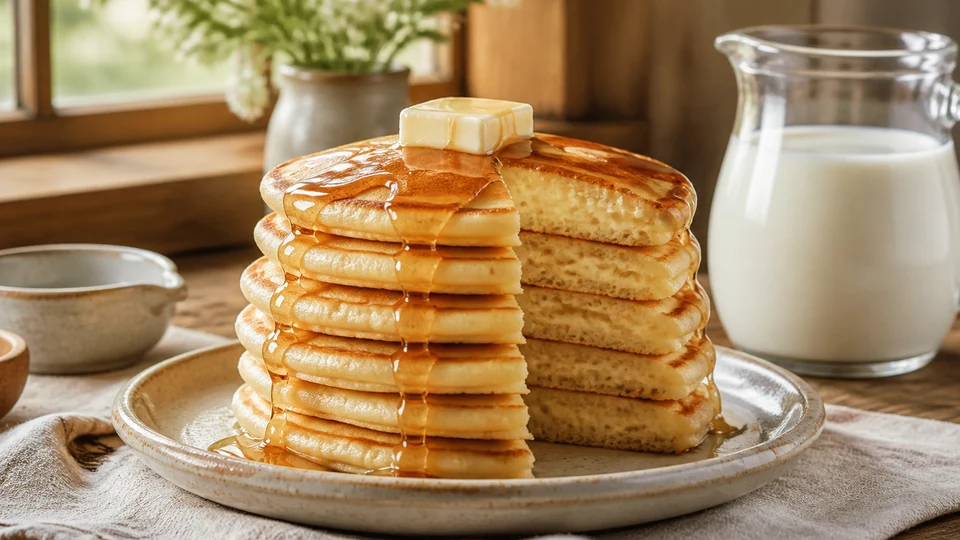
This is not a restaurant directory, review, endorsement or reproduction of a proprietary house recipe. Pancake World has no route-specific test record for new quantities, yield, heat setting or timing, so the page uses Article schema and explains decisions rather than publishing an untested recipe. Pancake World is the visible link to the main editorial collection.
| Guide sections |
|---|
| Define the “pancake house” result |
| Understand what buttermilk contributes |
| Keep the dry mixture balanced |
| Mix for hydration without polishing the batter |
For broader context, continue with American Breakfast: Pancakes, Diner Plates and Brunch.
Define the “pancake house” result
The phrase usually suggests a consistent stack rather than one exact formula: round pancakes with an even interior, a browned surface, enough thickness to feel substantial and a texture that accepts butter or syrup without becoming pasty. A home cook can pursue those observable qualities without claiming to copy a named restaurant.
Write the desired result before choosing a recipe. Do you want a tall, soft stack, a thinner diner pancake with broad browned edges, or a smaller pancake that holds toppings? A formula optimized for one may not deliver the others. Diameter and thickness also affect service: large pancakes occupy the griddle and plate, while smaller ones are easier to cook in parallel.
Consistency matters more than theatrical height. A pancake that looks tall but contains wet streaks or a gummy centre is not the target. Neither is a dark exterior hiding an undercooked middle. The useful standard is repeatable colour and doneness across the batch.
Understand what buttermilk contributes
Buttermilk is an acidic cultured dairy ingredient, but products and regional naming differ. Use the type specified by the complete formula. Its acidity can participate in leavening reactions, while its water, milk solids and viscosity affect batter behaviour. It cannot be swapped casually for the same volume of every other liquid while expecting an unchanged result.
Cultured buttermilk sold in a carton may be thicker than milk. A homemade milk-and-acid mixture can supply acidity in some formulas, yet it does not duplicate cultured buttermilk in every property. Yogurt thinned with liquid introduces another combination of solids and viscosity. These may be workable recipe adaptations, but they require validation in the full formula.
Read the label for allergens and product identity. A plant-based product described as buttermilk-style may behave differently and is not automatically nutritionally or functionally equivalent. This article does not endorse a brand or invent a universal substitute ratio.
Keep the dry mixture balanced
Flour provides the principal structure in a conventional buttermilk pancake. The type, measuring method and storage can change how much enters the bowl. Weighing is the clearest route when the recipe supplies weights. If using cups, follow that recipe's method rather than compacting flour into the measure.
Leaveners must match the acidic and liquid environment. Baking soda and baking powder are not interchangeable names for one ingredient. A complete formula may use one or both. Increasing them independently can produce excessive expansion, off flavours or a structure that rises and then fails. Follow a tested reference.
Salt and sugar also affect the eating experience and surface colour. Sweetness can come from the batter or table toppings; adding both without intent may overwhelm the buttermilk character. Mix dry ingredients thoroughly before liquid enters so small components are distributed through the batch.
Mix for hydration without polishing the batter
Combine wet ingredients separately when the formula directs it, then add wet to dry in a bowl large enough for gentle folding. Scrape from the bottom and stop when no large pockets of dry flour remain. A few small lumps may be preferable to prolonged mixing, but the exact acceptable texture depends on the formula and flour.
The goal is not a glossy, elastic batter. Extensive agitation can develop structure that changes tenderness, while incomplete mixing can leave raw flour pockets. Use a broad spatula or whisk with restrained strokes. Scrape the sides once so the batter is reasonably uniform.
If the batter looks unexpectedly thin or stiff, first verify measurements and ingredient identity. Do not immediately add handfuls of flour or splashes of liquid. An unrecorded correction makes the rest of the batch impossible to interpret. When correction is necessary, measure it and note the effect.
Treat resting time as part of the chosen formula
Some pancake formulas include a short rest so flour hydrates and bubbles develop; others are designed to cook promptly after mixing. Follow the source instead of imposing a universal interval. A very long wait can change leavening performance and batter thickness.
During a documented rest, prepare the griddle, plates and toppings. Do not beat the batter again merely because it has thickened slightly. A gentle fold may be appropriate if the complete recipe says so. Avoid leaving a perishable batter at unsafe temperatures while organizing the table.
For multiple batches, mix them separately rather than holding one enormous bowl for a prolonged service. Smaller batches are easier to portion consistently and reduce the temptation to thin old batter with an undocumented amount of liquid.
Preheat the cooking surface evenly
A pancake house result depends heavily on the griddle. Preheat long enough for the surface to stabilize, using the appliance or recipe guidance rather than a universal number from this page. A pan that is still heating produces pale first pancakes and darker later ones even when the batter is unchanged.
Test the working area cautiously with a small amount of batter from the real batch. Observe spread, browning and release. If the exterior colours before the centre can set, the surface may be too hot for that thickness. If the pancake remains pale and dry while cooking slowly, heat or fat distribution may need review.
An electric griddle offers a broad area, while a skillet may retain heat differently between pancakes. Neither is automatically superior. Learn where the hot zones are and avoid crowding. Pancakes placed too close become difficult to turn and can cool the surface unevenly.
Use cooking fat with restraint and consistency
Some cooks want an even, matte diner-style surface; others like a crisp, lacy edge. The amount and type of fat on the pan influence that appearance. A very thin, consistent film can encourage even contact, whereas visible pools create mottled frying patterns.
Use the fat directed by the formula or cooking method and account for allergens. Wipe or redistribute between batches when residue darkens. Butter contains milk solids that can brown; another cooking fat behaves differently. This is a style choice, not evidence that one surface is authentic.
Record what you did if repeatability matters: pan, approximate working setting, and whether the surface was greased before every batch. “Medium heat” varies between appliances and is not a transferable test record.
Portion with one tool
Choose a ladle, scoop or measuring cup and use it throughout the batch. Fill it the same way, deposit batter from a consistent height and allow the batter to spread naturally. Pressing the uncooked batter with the scoop can make irregular thickness.
Leave enough space for the turner to approach. If the first pancake spreads beyond the intended diameter, revise the portion for the next one or use the recipe's expected vessel. Do not add flour solely to create a rounder photograph.
Uniform portions make timing observations more meaningful and help divide the yield. They also produce a stack that sits level. Record the actual number made only after the batch; do not claim a yield borrowed from a different formula.
Turn by observable signs, not a slogan
The upper surface, edge and underside together indicate readiness to turn. Bubbles may appear, edges may lose their wet shine, and the underside should have enough structure to lift cleanly. These cues vary with batter thickness and temperature, so no single bubble count is universal.
Slide a thin, broad turner fully underneath and use one decisive motion. Repeated nudging can tear the edge. After turning, do not press the pancake flat; pressure expels steam and changes thickness. Cook the second side until the centre is done under the method supplied by the full recipe.
The second side often looks different because the batter surface has already set. Do not chase identical faces by overcooking. Present the more evenly browned side upward if appearance matters.
Hold a short stack without making it soggy
Pancakes release steam after leaving the griddle. A tall stack held tightly under a lid can trap that moisture and soften every surface. For immediate family service, move finished pancakes to warm plates and call people to the table. For a brief batch hold, use the method and temperature limits supplied by a suitable food-safety and recipe source.
If the kitchen must produce several rounds, place pancakes in a single loose layer or a shallow arrangement that protects warmth without sealing in excessive steam. The exact setup depends on equipment. Do not hold them longer merely to create a higher stack for a photograph.
Warm plates, room-temperature serving dishes and toppings ready before cooking reduce delay. Keep cold dairy toppings refrigerated until the table is prepared. Put syrup or sauces in vessels that pour cleanly so diners do not soak the entire stack by accident.
Design the plate like a pancake house
A restaurant-style plate needs visual order more than quantity. Centre a modest stack, place butter or another chosen topping where it can be identified, and serve syrup separately. Fruit, eggs or a savoury side can occupy their own space instead of being piled over the pancakes.
Use a plate wide enough that the fork can cut without pushing food over the rim. For children or tasting menus, smaller pancakes create a proportionate stack. For a shared table, offer two or three topping categories rather than a crowded bar: one syrup, one fruit component and one creamy or crunchy addition may be enough.
Label allergens and keep serving utensils separate. A common syrup jug can acquire crumbs when a used utensil touches it. Guests with a medically necessary restriction need preparation controls beyond a neatly arranged table.
Diagnose the first pancake before changing everything
If the first pancake spreads very thin, check the portion, ingredient measurements and whether the batter was meant to rest. If it is thick but remains wet in the middle, examine diameter, surface heat and batter depth. If it colours in patches, inspect grease distribution and hot zones.
A tough result can arise from handling, formula or cooking conditions. Do not assume one cause and add more buttermilk blindly. A bitter or soapy note may point to a leavener imbalance, which cannot be repaired reliably by a random sweet topping. A pale surface may reflect temperature, contact or formula; extra cooking time alone can dry the interior.
Change only one controlled factor on the next small pancake. Reduce the portion, adjust the griddle setting slightly, or alter the greasing pattern. Keep the batter formula constant during this observation. If the batter itself was measured incorrectly, start again rather than claiming the repaired batch validates a recipe.
Write the result in kitchen terms: “smaller scoop cooked through before the surface darkened,” or “wiping excess butter produced more even colour.” These are observations from that household batch, not universal tested instructions for the page.
Consider common substitutions as new formula questions
Replacing buttermilk affects acidity, water and solids. Replacing wheat flour affects hydration and structure. Replacing egg changes binding, richness and aeration. Replacing fat changes flavour and griddle behaviour. Several substitutions at once create a new recipe, not a flexible version of an old one.
Choose a complete recipe designed for the required dietary pattern whenever possible. That is safer and more predictable than stacking generic swaps. A gluten-free flour blend may contain binders and absorb differently. Plant drinks vary in protein, sugar and acidity. Egg replacers are designed for different culinary roles.
Read labels for allergens, serving instructions and product changes. “Dairy-free” does not answer a gluten or nut question. “Vegan” does not establish suitability for every allergy. Cross-contact depends on both the product and the kitchen.
When a substitute batch succeeds at home, describe it as a household adaptation unless documented testing supports publication. Do not infer nutrition totals from the original formula; recalculate the actual ingredients and yield.
Scale service by griddle capacity
Count how many intended pancakes fit with turning space. That number, not the bowl size, determines the production rhythm. If four fit comfortably and a table needs many more, plan several rounds and keep the menu's other hot items minimal.
For a crowd, assign one person to portion and turn while another plates and replenishes toppings. Switching tools and roles mid-batch can change pancake size. Mix additional batter only when needed, following the same complete formula and measuring method.
Do not multiply leavener casually in a very large bowl or leave an acidic batter waiting through a long service. Separate full batches are easier to control. Record each batch identity if an allergen-aware alternative is also being cooked, and use dedicated equipment where required.
A self-serve griddle is usually a poor guest-flow solution because uncooked batter, heat, children and shared utensils converge. Cook in the kitchen and bring out small finished stacks. The visible buffet can still feel abundant through regular replenishment.
Make toppings support rather than hide the pancake
A well-made buttermilk pancake should remain identifiable beneath its topping. Offer syrup on the side and use fruit in a preparation suited to the event. A heavy sauce can conceal uneven cooking but does not correct it. Whipped toppings and flavoured spreads add separate ingredient and storage considerations.
For contrast, combine one soft topping with one crisp component, or one sweet component with a plain cultured side. Avoid six similar syrups. Guests benefit more from clear labels and clean utensils than from an enormous selection.
If nutritional calculation matters, record every topping by actual serving. The pancake total depends on the complete batter, cooking fat, yield and portion; the table additions must then be added. This page provides no invented calorie figure for a “pancake house stack.”
Cool, store and reheat deliberately
Cool leftovers and refrigerate or freeze them according to authoritative guidance for the ingredients and preparation. Separate pancakes with suitable material before freezing so individual portions can be removed. Label the date, batch identity and quantity.
Reheating method changes texture. A toaster may restore a drier exterior for some pancakes; a covered microwave creates a softer result; an oven can handle a larger number. Use appliance-safe methods and heat the food appropriately. This page does not give an untested universal time.
Store toppings independently. Fruit sauce, dairy topping, butter and syrup do not share one storage rule. Discard items that have exceeded safe service conditions rather than combining them into a “leftover pancake bake” with an unknown history.
Know when the search is about an actual venue
“Buttermilk Pancake House” may also be used as a business name. This page does not identify a particular restaurant, location, menu, opening time, price, rating or ownership. Those facts change and require a verified first-party venue source at the time of use.
If the intent is to visit a restaurant, confirm the exact city and official business channel. Ask the venue directly about current hours, reservations, accessibility and allergens. Do not rely on this recipe-and-idea article for travel decisions.
If the intent is to recreate a commercial pancake, understand that the house formula may be proprietary. A general buttermilk pancake guide can help define texture and workflow, but it cannot authenticate a copy. Call the result pancake-house-style rather than using a business name as an endorsement.
A focused practice session
Choose one complete trusted formula and make the normal batch without substitutions. Set out one scoop, one turner and one pan. Record the ingredient identities, measuring method and actual yield. Cook a small first pancake, observe spread and colour, then make one heat or portion adjustment if necessary.
During the batch, note whether batter thickens, whether the pan develops residue and whether later pancakes brown faster. Keep finished pancakes in the planned short hold. Serve them with a restrained topping setup and ask for concrete texture feedback: centre done, edge too dry, surface too dark, stack easy to cut.
That practice does not create a project-owned test record for publication. It gives the home cook a better understanding of one selected recipe and appliance. For an editorial Recipe schema release, the project would need its own documented formula, method, yield and validation.
Questions about pancake-house-style buttermilk pancakes
Does buttermilk automatically make pancakes fluffy?
No single ingredient guarantees the result. Buttermilk works within a formula that includes flour, leavener, egg or replacement, fat, mixing and heat. Use a balanced recipe designed for the specific buttermilk product.
Why is the first pancake different?
The cooking surface may still be stabilizing, and the initial grease pattern may differ from later batches. Use the first small pancake to observe the real pan, then make one careful adjustment instead of treating it as inevitable waste.
Should every lump be whisked out?
Follow the selected formula. Vigorous mixing to make a glossy batter can change texture, while large dry pockets are also undesirable. Fold until the recipe's intended state is reached.
Can milk replace buttermilk?
Not as an unquestioned one-for-one change. Acidity, viscosity and solids differ. Choose a recipe designed for milk or a tested substitution supplied by a reliable source.
How can several people receive hot pancakes together?
Use a broad griddle, modest pancake size, warm plates and a short controlled hold. Prepare all cold sides before cooking and avoid a second made-to-order hot dish. For a very large group, cook in planned batches and replenish.
Is this a restaurant review or clone recipe?
No. It makes no venue claims and reproduces no proprietary formula. It explains how to choose and execute a complete buttermilk pancake recipe toward a recognizable pancake-house-style result.
Set up the batter station before opening the buttermilk
Clear enough counter space for the dry bowl, wet bowl, scale or measures, finished batter and a place for used tools. Read the complete formula from beginning to end. Bring out every ingredient and verify that it is the specified form: flour type, leavener, cultured product, egg size if stated, and cooking fat.
Measure dry ingredients while the counter is still clean, then close their containers. Measure wet ingredients in a separate area so a spill does not ruin the flour bag or leavener. Use a small bowl for each ingredient only when it prevents an error; a counter crowded with ten dishes creates its own confusion.
Check expiry and storage information on the leavener and buttermilk. This article cannot establish whether an old product remains effective or safe by appearance. Replace doubtful ingredients before the batch rather than trying to compensate with a larger amount.
Place the ladle and turner beside the griddle only after batter is mixed. Keep the raw-batter bowl away from finished plates and toppings. Wash hands and clean surfaces according to appropriate kitchen practice, especially after handling raw egg.
Compare tools by the mark they leave
A whisk distributes small dry components quickly but can encourage excessive beating after liquid is added. A flexible spatula folds and scrapes the bowl but may leave flour pockets if used carelessly. One sensible workflow is to whisk the dry mixture, combine wet ingredients separately, then fold the two with a spatula according to the recipe.
A rigid metal turner can damage a coated pan, while a very thick silicone turner may struggle to slide beneath a delicate edge. Use a tool suitable for the cooking surface and broad enough to support the pancake. The handle should keep hands away from heat without making the turn unwieldy.
A trigger scoop portions neatly but may hold batter in its mechanism. A ladle is easier to rinse and works well when filled consistently. A measuring cup makes the amount explicit but can drip between the bowl and pan. Choose one tool based on control and cleanup, then keep it for the batch.
Preserve the quiet details that make a stack repeatable
Between rounds, remove burnt crumbs and observe whether the surface needs another thin film of fat. Stirring the bowl aggressively before every scoop changes the batter; leaving it entirely untouched can allow some formulas to settle. Follow the source method and use only minimal handling required for consistency.
Place every finished pancake in the same orientation if you are building a stack. Do not hide a torn or undercooked pancake in the middle. A misshapen but properly cooked pancake can be served separately, used for a cook's tasting portion or cooled for later according to safe guidance.
Keep notes out of the splash zone. Record pan identity, scoop, actual yield and the one adjustment that mattered. Avoid vague praise such as “perfect” or “restaurant quality.” “Even brown face, centre fully set, edges remained flexible” is a description another cook can evaluate.
At the table, serve the first finished stack before beginning a long photography session. Steam, butter and syrup change the surface quickly. If media is required, make a separate documented presentation portion within the production plan rather than delaying everyone's breakfast.
This guide can support editorial comparison, a home practice session and a service plan. It cannot support Recipe schema, an exact ingredient panel, nutrition calculation, proprietary-name claim or venue recommendation without additional evidence. Any future recipe release needs the project's own measured formula, repeat trials, yield, method, safety review and editorial acceptance.
Until then, the accurate reader action is to select one complete reliable buttermilk pancake recipe, preserve its internal balance, control the griddle workflow and describe the result as pancake-house-style. That is practical value without pretending the house formula has been recovered.
Explore related Pancakes World guidance on American Pancakes, Maple Syrup, and Maple Syrup Pancakes.
Sources and editorial references
- USDA FoodData Central, ingredient identity and composition records:
https://fdc.nal.usda.gov/ - U.S. Food and Drug Administration, using the Nutrition Facts label:
https://www.fda.gov/food/nutrition-facts-label/how-understand-and-use-nutrition-facts-label - FoodSafety.gov, food storage and handling charts:
https://www.foodsafety.gov/food-safety-charts