Brunch with babs chocolate chip cookies
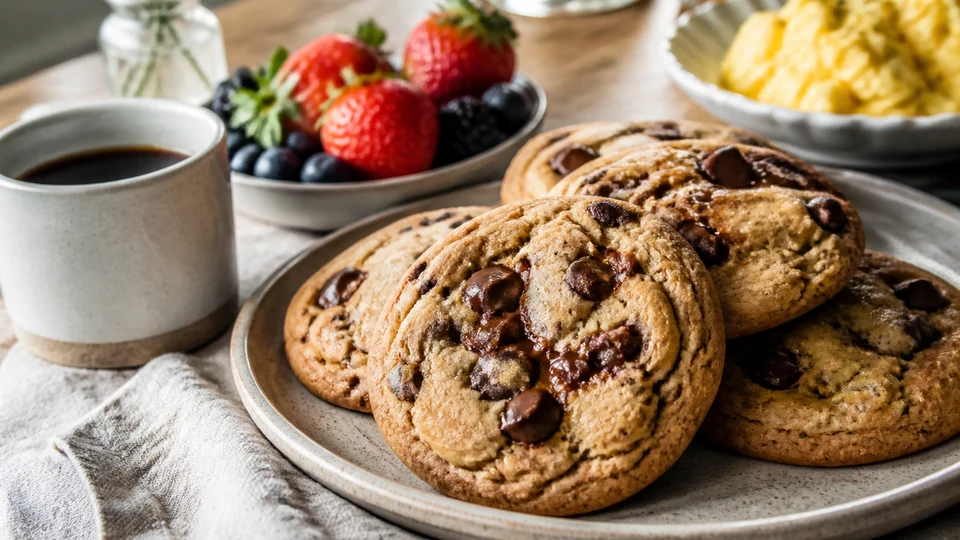
A search for Brunch with Babs chocolate chip cookies is best treated as a navigational request for that creator's current recipe. Pancake World should not reproduce or imply ownership of it. Open the official source, verify its ingredients and method, then use this checklist to assess dough temperature, portion consistency, spacing, visible edge set, cooling, and storage without changing several variables at once. See Pancake World for the wider editorial collection.
After verifying the current official Brunch with Babs cookie recipe, use Pancake World's Brunch hub to plan the rest of the meal. American brunch ideas helps frame the menu, Brunch spread at home covers table balance, and Brunch tray bake offers a separate make-ahead format. These routes supplement the named creator's method; they do not reproduce, replace, or imply ownership of it.
Direct answer and scope
The creator name identifies an external source. This article adds independent process diagnostics, does not quote proprietary prose, and makes no claim that Pancake World tested the named recipe. Start by naming the dish or technique, the guest and ingredient boundaries, the available equipment, and the point at which the result will be judged. That prevents an attractive idea list from becoming an unsupported recipe, nutrition promise, cultural generalisation, or project-test claim.
Formats that fit the intent
Confirm the exact official recipe
Match the current title and ingredient list on the creator's own site before shopping.
Read the whole method before mixing
Locate any chilling, pan preparation, portion and cooling instructions instead of extracting only the ingredient list.
Label ingredient forms
Flour type, butter state, sugar type and chocolate format can affect the system and are not silent substitutions.
Portion one control tray
Keep scoop, spacing and pan consistent so spread can be compared.
Use visible baking cues
Follow the source's endpoint and record edge, centre and underside observations without inventing a universal time.
Cool before judging texture
Compare cookies at the same cooling point and store only after the source permits.
Build a controlled workflow
- Open the current official source.
- Verify ingredient forms and allergens.
- Follow its mixing and rest order.
- Bake a controlled first tray.
- Record spread and set before adjusting.
- Change one variable only on a later tray.
For Brunch with babs chocolate chip cookies, apply this boundary to the page's exact ingredients and method. The sequence should leave one baseline that can be described in plain language. Note flow, spread, surface moisture, edge set, centre texture, holding condition, or service behaviour as relevant to the chosen format. Avoid adding invented times, yields or temperatures when the complete source does not establish them.
Current-batch troubleshooting
Cookies spread into each other
Review dough temperature, portion and spacing before adding flour.
Centres seem loose
Return to the source endpoint and compare after equal cooling.
Cookies stay thick and dry
Verify measurement and mixing rather than forcing extra bake time.
Chocolate distribution is uneven
Check inclusion size and final folding consistency.
The second tray differs
Record pan temperature and waiting time between trays.
Prevent the same problem next time
- Save the source title and access date.
- Keep one tray as the baseline.
- Use one scoop and one pan position.
- Do not convert observations into a copied or rewritten recipe.
For Brunch with babs chocolate chip cookies, apply this boundary to the page's exact ingredients and method. Prevention is useful only when the record is specific enough to repeat. Keep product names and ingredient forms, label checks, pan or vessel size, portion method, sequence, and observable result together. A later batch can then change one plausible cause while preserving the rest.
For the control tray, record the official recipe access date, dough condition at portioning, scoop identity, spacing, pan material, and rack position. Those details are independent observations, not a rewritten recipe. They make a second tray comparable while leaving the creator's current quantities and method on the official source.
Safety and evidence boundary
For Brunch with babs chocolate chip cookies, apply this boundary to the page's exact ingredients and method. Do not taste raw flour batter or dough. Check current packaged-food labels for allergens and use separate tools where cross-contact matters. Egg dishes, meat components and leftovers need their own applicable temperature, cooling, refrigeration and reheating controls. The authoritative references below support those boundaries; they do not convert this article into medical advice, a tested formula, a guaranteed outcome, or a universal cultural definition.
Frequently asked questions
Is this the Brunch with Babs recipe?
No. The official creator source controls that recipe; this page is an independent evaluation checklist.
Can the ingredient quantities be copied here?
This article intentionally does not reproduce the external recipe.
Why did my cookies spread?
Compare dough temperature, portion, spacing and pan state one variable at a time.
Can raw dough be tasted?
No. Raw flour and egg mixtures should not be tasted.
Treat the search as navigational
For Brunch with babs chocolate chip cookies, this decision starts with a concrete method: locate the creator's current official recipe and distinguish it from reposts, summaries, and altered copies. Write the relevant product, quantity, equipment, and serving target beside the recipe before beginning. That record keeps the method tied to this batch instead of turning one observation into a universal rule. It also exposes any unsupported substitution early, when the cook can return to the complete formula rather than improvising after heat or mixing has already changed the ingredients.
The main avoidable error at this point is presenting an independent diagnostic guide as the named creator's formula. Change only one variable when the first test reveals a problem, and keep a reference portion whenever practical. Compare the two samples at the same temperature and stage of cooling. This controlled comparison matters for Brunch with babs chocolate chip cookies because several different causes can create a similar surface appearance while requiring opposite corrections in the next batch.
Use an observable endpoint instead of confidence alone: the reader should know where the recipe ends and Pancake World's process commentary begins. Record that cue in plain language along with the pan, portion, and elapsed sequence; exact minutes are secondary because equipment and ingredient temperature vary. If the cue is absent, stop and identify the most plausible upstream cause before continuing the full batch. The result is a specific, repeatable adjustment rather than a chain of compensating changes that hides the original fault.
Transcribe only working notes
For Brunch with babs chocolate chip cookies, this decision starts with a concrete method: write personal ingredient weights, pan setup, and timing reminders without copying distinctive explanatory prose. Write the relevant product, quantity, equipment, and serving target beside the recipe before beginning. That record keeps the method tied to this batch instead of turning one observation into a universal rule. It also exposes any unsupported substitution early, when the cook can return to the complete formula rather than improvising after heat or mixing has already changed the ingredients.
The main avoidable error at this point is reproducing the creator's full instructions. Change only one variable when the first test reveals a problem, and keep a reference portion whenever practical. Compare the two samples at the same temperature and stage of cooling. This controlled comparison matters for Brunch with babs chocolate chip cookies because several different causes can create a similar surface appearance while requiring opposite corrections in the next batch.
Use an observable endpoint instead of confidence alone: the kitchen note should be sufficient for execution while respecting source ownership. Record that cue in plain language along with the pan, portion, and elapsed sequence; exact minutes are secondary because equipment and ingredient temperature vary. If the cue is absent, stop and identify the most plausible upstream cause before continuing the full batch. The result is a specific, repeatable adjustment rather than a chain of compensating changes that hides the original fault.
Check ingredient temperature
For Brunch with babs chocolate chip cookies, this decision starts with a concrete method: observe whether the official method calls for softened, melted, chilled, or room-temperature components. Write the relevant product, quantity, equipment, and serving target beside the recipe before beginning. That record keeps the method tied to this batch instead of turning one observation into a universal rule. It also exposes any unsupported substitution early, when the cook can return to the complete formula rather than improvising after heat or mixing has already changed the ingredients.
The main avoidable error at this point is substituting a convenient butter state without expecting spread to change. Change only one variable when the first test reveals a problem, and keep a reference portion whenever practical. Compare the two samples at the same temperature and stage of cooling. This controlled comparison matters for Brunch with babs chocolate chip cookies because several different causes can create a similar surface appearance while requiring opposite corrections in the next batch.
Use an observable endpoint instead of confidence alone: the mixed dough should match the source's described consistency before portioning. Record that cue in plain language along with the pan, portion, and elapsed sequence; exact minutes are secondary because equipment and ingredient temperature vary. If the cue is absent, stop and identify the most plausible upstream cause before continuing the full batch. The result is a specific, repeatable adjustment rather than a chain of compensating changes that hides the original fault.
Stop mixing at the right stage
For Brunch with babs chocolate chip cookies, this decision starts with a concrete method: combine the fat and sugar as directed, incorporate egg evenly, and add dry ingredients only to the stated endpoint. Write the relevant product, quantity, equipment, and serving target beside the recipe before beginning. That record keeps the method tied to this batch instead of turning one observation into a universal rule. It also exposes any unsupported substitution early, when the cook can return to the complete formula rather than improvising after heat or mixing has already changed the ingredients.
The main avoidable error at this point is continuing until every trace of flour disappears under vigorous beating. Change only one variable when the first test reveals a problem, and keep a reference portion whenever practical. Compare the two samples at the same temperature and stage of cooling. This controlled comparison matters for Brunch with babs chocolate chip cookies because several different causes can create a similar surface appearance while requiring opposite corrections in the next batch.
Use an observable endpoint instead of confidence alone: the dough should be cohesive with chips distributed, not greasy, whipped beyond the method, or flour-streaked. Record that cue in plain language along with the pan, portion, and elapsed sequence; exact minutes are secondary because equipment and ingredient temperature vary. If the cue is absent, stop and identify the most plausible upstream cause before continuing the full batch. The result is a specific, repeatable adjustment rather than a chain of compensating changes that hides the original fault.
Standardize cookie portions
For Brunch with babs chocolate chip cookies, this decision starts with a concrete method: weigh or scoop consistent mounds and keep their shape comparable across the tray. Write the relevant product, quantity, equipment, and serving target beside the recipe before beginning. That record keeps the method tied to this batch instead of turning one observation into a universal rule. It also exposes any unsupported substitution early, when the cook can return to the complete formula rather than improvising after heat or mixing has already changed the ingredients.
The main avoidable error at this point is placing large and small portions together and judging them by one timer. Change only one variable when the first test reveals a problem, and keep a reference portion whenever practical. Compare the two samples at the same temperature and stage of cooling. This controlled comparison matters for Brunch with babs chocolate chip cookies because several different causes can create a similar surface appearance while requiring opposite corrections in the next batch.
Use an observable endpoint instead of confidence alone: cookies in the same row should spread and set at roughly the same rate. Record that cue in plain language along with the pan, portion, and elapsed sequence; exact minutes are secondary because equipment and ingredient temperature vary. If the cue is absent, stop and identify the most plausible upstream cause before continuing the full batch. The result is a specific, repeatable adjustment rather than a chain of compensating changes that hides the original fault.
Give every portion enough space
For Brunch with babs chocolate chip cookies, this decision starts with a concrete method: use the tray size and spacing from the official source and bake in separate rounds if necessary. Write the relevant product, quantity, equipment, and serving target beside the recipe before beginning. That record keeps the method tied to this batch instead of turning one observation into a universal rule. It also exposes any unsupported substitution early, when the cook can return to the complete formula rather than improvising after heat or mixing has already changed the ingredients.
The main avoidable error at this point is crowding an extra row onto a hot sheet. Change only one variable when the first test reveals a problem, and keep a reference portion whenever practical. Compare the two samples at the same temperature and stage of cooling. This controlled comparison matters for Brunch with babs chocolate chip cookies because several different causes can create a similar surface appearance while requiring opposite corrections in the next batch.
Use an observable endpoint instead of confidence alone: air should circulate and neighbouring cookies should not merge before their edges set. Record that cue in plain language along with the pan, portion, and elapsed sequence; exact minutes are secondary because equipment and ingredient temperature vary. If the cue is absent, stop and identify the most plausible upstream cause before continuing the full batch. The result is a specific, repeatable adjustment rather than a chain of compensating changes that hides the original fault.
Read set before colour alone
For Brunch with babs chocolate chip cookies, this decision starts with a concrete method: look for the source's edge, centre, and surface cues while accounting for the tray and oven. Write the relevant product, quantity, equipment, and serving target beside the recipe before beginning. That record keeps the method tied to this batch instead of turning one observation into a universal rule. It also exposes any unsupported substitution early, when the cook can return to the complete formula rather than improvising after heat or mixing has already changed the ingredients.
The main avoidable error at this point is waiting for a soft-style cookie to look fully dry in the oven. Change only one variable when the first test reveals a problem, and keep a reference portion whenever practical. Compare the two samples at the same temperature and stage of cooling. This controlled comparison matters for Brunch with babs chocolate chip cookies because several different causes can create a similar surface appearance while requiring opposite corrections in the next batch.
Use an observable endpoint instead of confidence alone: the cookie should finish setting during the documented pan-cooling interval without retaining a raw centre. Record that cue in plain language along with the pan, portion, and elapsed sequence; exact minutes are secondary because equipment and ingredient temperature vary. If the cue is absent, stop and identify the most plausible upstream cause before continuing the full batch. The result is a specific, repeatable adjustment rather than a chain of compensating changes that hides the original fault.
Cool and store for the intended texture
For Brunch with babs chocolate chip cookies, this decision starts with a concrete method: leave cookies on the tray only as directed, move them carefully to a rack, and seal them once fully cool. Write the relevant product, quantity, equipment, and serving target beside the recipe before beginning. That record keeps the method tied to this batch instead of turning one observation into a universal rule. It also exposes any unsupported substitution early, when the cook can return to the complete formula rather than improvising after heat or mixing has already changed the ingredients.
The main avoidable error at this point is stacking warm cookies in an airtight container. Change only one variable when the first test reveals a problem, and keep a reference portion whenever practical. Compare the two samples at the same temperature and stage of cooling. This controlled comparison matters for Brunch with babs chocolate chip cookies because several different causes can create a similar surface appearance while requiring opposite corrections in the next batch.
Use an observable endpoint instead of confidence alone: the next-day texture should reflect the recipe rather than condensation created during storage. Record that cue in plain language along with the pan, portion, and elapsed sequence; exact minutes are secondary because equipment and ingredient temperature vary. If the cue is absent, stop and identify the most plausible upstream cause before continuing the full batch. The result is a specific, repeatable adjustment rather than a chain of compensating changes that hides the original fault.
Conclusion
- Apple breakfast recipes
- Pancake art batter
- Russian breakfast
Sources
- U.S. Food and Drug Administration — Food Allergies —
https:// www.fda.gov/ food/ nutrition- food- labeling- and- critical- foods/ food- allergies - FoodSafety.gov — Safe Minimum Internal Temperatures —
https:// www.foodsafety.gov/ food- safety- charts/ safe- minimum- internal- temperatures - USDA FSIS — Leftovers and Food Safety —
https:// www.fsis.usda.gov/ food- safety/ safe- food- handling- and- preparation/ food- safety- basics/ leftovers- and- food- safety - U.S. Food and Drug Administration — Handling Flour Safely —
https:// www.fda.gov/ food/ buy- store- serve- safe- food/ handling- flour- safely- what- you- need- know - Brunch with Babs — official website —
https:// www.brunchwithbabs.com/