Brunch spread at home
At Pancakes World, a brunch spread at home is easiest when every item has one job: a hot anchor, a fresh counterpoint, bread or pancakes, one savoury side, and one sweet finish. Build the equipment and holding plan before expanding the menu, then put out smaller replenished portions instead of loading the entire meal onto the table at once. See the editorial platform for the wider editorial collection.
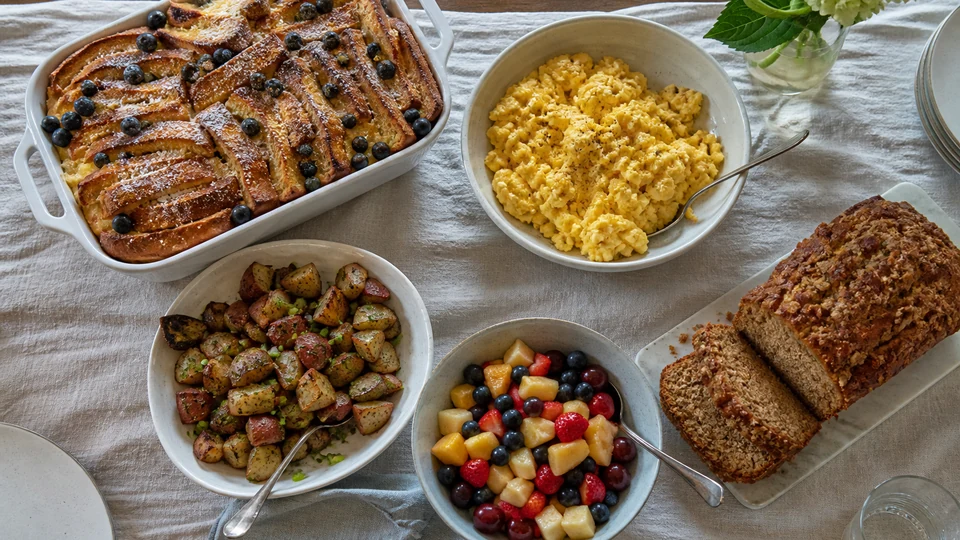
Use Brunch; Baked egg dish for brunch; Afternoon brunch ideas; American brunch ideas to move from this exact question to the relevant hub and neighbouring Stage 012 guides without relying on a generic parent label.
| Guide sections |
|---|
| Direct answer and scope |
| Formats that fit the intent |
| Build a controlled workflow |
| Current-batch troubleshooting |
For broader context, continue with American Breakfast: Pancakes, Diner Plates and Brunch.
Direct answer and scope
The spread is a service system, not a demand for abundance. Guest count, allergies, kitchen capacity and eating time control the practical size. Start by naming the dish or technique, the guest and ingredient boundaries, the available equipment, and the point at which the result will be judged. That prevents an attractive idea list from becoming an unsupported recipe, nutrition promise, cultural generalisation, or project-test claim.
Formats that fit the intent
A baked egg or bean anchor
Choose a complete method and reserve its dish, oven window and serving utensil.
Pancakes or waffles
Use one formula and cook predictable rounds rather than promising one huge stack will hold perfectly.
A dry bread board
Keep toast, bagels or rolls away from wet fruit and chilled spreads until serving.
A fresh platter
Wash and dry produce, cut only what needs cutting, and replenish from refrigeration.
A savoury vegetable side
Control moisture before it reaches eggs, pastry or bread.
One dessert-scale item
Portion a single treat cleanly so it does not compete with every other component.
Build a controlled workflow
- Count seats, plates and dietary boundaries.
- Assign each dish to an oven, pan or cold zone.
- Prepare labels and dedicated utensils.
- Finish stable cold components first.
- Cook the anchor and short-order item in sequence.
- Clear perishables and record leftovers.
The sequence should leave one baseline that can be described in plain language. Note flow, spread, surface moisture, edge set, centre texture, holding condition, or service behaviour as relevant to the chosen format. Avoid adding invented times, yields or temperatures when the complete source does not establish them.
Current-batch troubleshooting
The counter is overcrowded
Remove decorative duplicates and keep refill containers off the serving surface.
Hot food cools before seating
Seat guests before the final cooking round.
Bread absorbs moisture
Separate wet toppings and fruit.
Two dishes compete for the oven
Replace one with a cold or stovetop format.
The spread has no vegetarian main
Add a complete bean, tofu or egg dish rather than extra garnish.
Prevent the same problem next time
- Draw an equipment map.
- Set a maximum number of last-minute dishes.
- Prepare one label per open package or sauce.
- Choose the order in which platters will be replenished.
Prevention is useful only when the record is specific enough to repeat. Keep product names and ingredient forms, label checks, pan or vessel size, portion method, sequence, and observable result together. A later batch can then change one plausible cause while preserving the rest.
Mark the serving surface into hot, cold, dry, and allergen-controlled zones before platters arrive. This reveals whether the planned spread actually fits and keeps refill containers away from guest traffic. If one dish has no safe or practical position, simplify the menu before cooking instead of improvising a crowded table.
Safety and evidence boundary
Do not taste raw flour batter or dough. Check current packaged-food labels for allergens and use separate tools where cross-contact matters. Egg dishes, meat components and leftovers need their own applicable temperature, cooling, refrigeration and reheating controls. The authoritative references below support those boundaries; they do not convert this article into medical advice, a tested formula, a guaranteed outcome, or a universal cultural definition.
Frequently asked questions
How many dishes should a home brunch have?
Use kitchen capacity and guest needs rather than a universal number.
What can sit out?
Do not use an open-ended rule; follow storage guidance for each perishable item.
Can pancakes be made early?
They can be served in controlled batches; long holding changes texture.
How do I reduce cleanup?
Limit cooking vessels and give each dish one defined platter and utensil.
Explore related Pancakes World guidance on American Pancakes, Maple Syrup, and Maple Syrup Pancakes.
Sources and editorial references
- U.S. Food and Drug Administration — Food Allergies —
https://www.fda.gov/food/nutrition-food-labeling-and-critical-foods/food-allergies - FoodSafety.gov — Safe Minimum Internal Temperatures —
https://www.foodsafety.gov/food-safety-charts/safe-minimum-internal-temperatures - USDA FSIS — Leftovers and Food Safety —
https://www.fsis.usda.gov/food-safety/safe-food-handling-and-preparation/food-safety-basics/leftovers-and-food-safety - U.S. Food and Drug Administration — Handling Flour Safely —
https://www.fda.gov/food/buy-store-serve-safe-food/handling-flour-safely-what-you-need-know