Breakfast muffins recipe
At Pancakes World, a dependable breakfast muffins recipe is a complete formula designed for the flour, liquid, fat, sweetener, egg or replacement, leavener and add-ins it names. Measure that formula as written, prepare wet and dry groups in the stated order, combine only to the recipe's mixing cue, divide the batter evenly and use its own doneness guidance. Choose one documented variation instead of adding several moist or heavy ingredients by instinct.
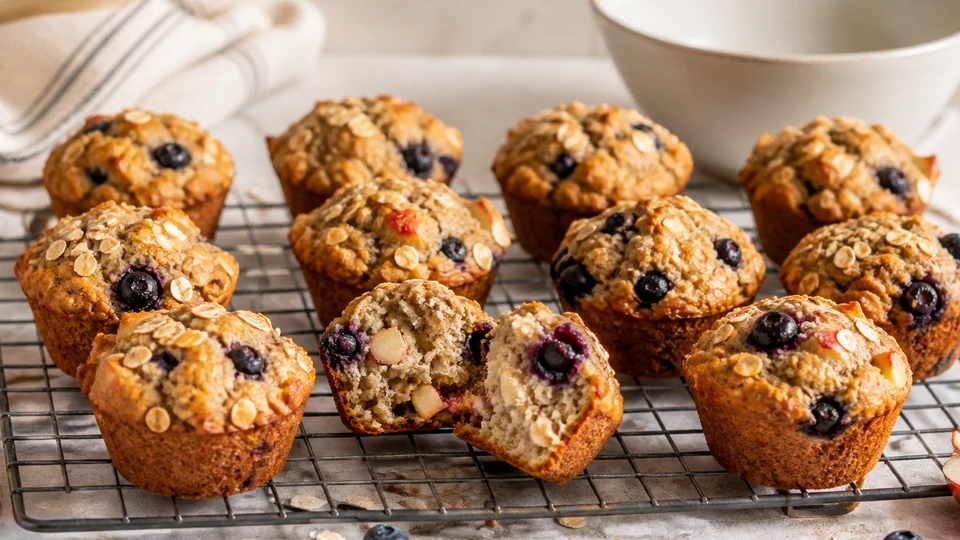
Pancake World has no project-owned test record for a new muffin formula on this route, so this page does not invent quantities, oven settings, yield or timing. It teaches selection and execution. Pancake World is the verified editorial link included in the body.
| Guide sections |
|---|
| Start with the kind of muffin you actually need |
| Understand the ingredient system |
| Measure before the batter exists |
| Mix wet and dry groups deliberately |
For broader context, continue with American Breakfast: Pancakes, Diner Plates and Brunch.
Start with the kind of muffin you actually need
“Breakfast muffin” can describe a plain lightly sweet muffin, a fruit muffin, a bran or oat style, a savoury egg-free baked muffin, or a portable batch intended for freezing. These are not one interchangeable recipe. Decide what role the muffin has before choosing the source.
For a weekday grab-and-go breakfast, prioritize a formula with a documented storage path and a texture that remains pleasant after cooling. For a shared brunch, a tender muffin served the same day may be the better choice. For a lunchbox, consider mess, allergens and whether the muffin needs refrigeration. For a savoury meal, choose a formula developed around its cheese, vegetables or herbs rather than removing sugar from a sweet recipe and hoping the structure survives.
The title of a recipe is not enough. Read the full ingredient list, method, pan size, stated yield, timing and variation notes. Confirm that the equipment and morning schedule can support it. A twelve-cup tin is useful only when the recipe was designed for that cavity size and the kitchen actually has one.
Understand the ingredient system
Flour provides the main structure, but different flours absorb liquid and form structure differently. Use the flour specified. Whole-grain, gluten-free, oat, nut and alternative flours are not casual volume-for-volume replacements. If a variation is needed, select a recipe or documented substitution developed for it.
Liquid hydrates the flour and helps the batter move. Milk, buttermilk, plant beverage, juice and yogurt are not automatically equivalent. They can differ in acidity, solids, sweetness, fat and flavour. An egg or replacement can affect structure, moisture and binding. Fat influences tenderness and release. Sweetener can affect more than sweetness, while salt and flavourings shape the finished profile.
Leavening must match the rest of the formula. Baking soda and baking powder should not be switched by name similarity. Follow the complete recipe and check that the product is the one requested. This guide deliberately avoids writing a universal leavener ratio because no one ratio fits every muffin.
Add-ins are structural ingredients too. Fresh fruit, frozen fruit, dried fruit, grated vegetables, nuts, seeds, chocolate, cheese and cooked meat all bring different weight, moisture and distribution. Use the quantity and preparation described by the selected variation.
Measure before the batter exists
Read the method from beginning to end, then set out the pan, liners if used, bowls and portioning tool. Prepare add-ins exactly as directed: chop to the requested size, drain or blot when required, cool cooked ingredients, and keep frozen items in the condition specified by the recipe.
Use the measurement system provided. A kitchen scale can make flour and divided batter more repeatable when weights are supplied. If the recipe uses volume, spoon or handle ingredients according to its directions rather than compacting flour into the cup. Level measures and keep baking soda, baking powder and salt distinct.
Pre-measure small ingredients into clearly separate containers. Once liquid reaches the flour, searching for cinnamon or chopping fruit can extend mixing and resting in an uncontrolled way. Mise en place is not decorative; it protects the sequence.
Check packaged ingredients at this stage. Baking mixes, plant beverages, chocolate, cheese, meat products and flavourings can change formulation. Review current allergens and dietary status where those details matter. “Breakfast” does not imply allergen-free, high-protein or nutritionally complete.
Explore related Pancakes World guidance on American Pancakes, Maple Syrup, and Maple Syrup Pancakes.
Sources and editorial references
Pan material, cavity dimensions and liners can influence how a muffin bakes and releases. Use the pan size named by the formula. A mini-muffin tray, standard tin and jumbo pan cannot share timing by simple intuition. If only a different pan is available, find a documented conversion or select another recipe.
Prepare the cavities exactly as directed. A liner, greased surface and ungreased surface are different conditions. Greasing over a liner without instruction can change handling without solving a real problem. Check that the tin sits level and fits the intended oven rack.
Preheat according to the complete recipe and allow the oven to reach a stable condition before the batter is ready. This page does not supply a generic temperature. Domestic ovens vary, but an unverified adjustment can create a different bake. If the source includes a high-start/low-finish method or another staged setting, follow it as a coordinated instruction.
Mix wet and dry groups deliberately
Many muffin methods place flour, leavener, salt and dry spices in one bowl and liquids in another. Follow the actual recipe. Distribute leavener through the dry ingredients so one muffin does not receive a concentrated pocket.
Combine the wet ingredients until the method's intended consistency is reached. A melted fat may need to cool before meeting an egg; a yogurt mixture may look thicker than milk. Do not “correct” an unfamiliar but recipe-consistent appearance by adding liquid.
When wet meets dry, use the tool and motion specified. Scrape from the bottom and include dry pockets, but stop at the source's cue. Muffin batter often does not need cosmetic smoothness. Continuing only to remove every small lump can overwork the mixture. Conversely, stopping with a layer of dry flour at the bottom leaves ingredients unincorporated.
Fold add-ins with the fewest additional strokes that distribute them acceptably. Do not beat berries, grated vegetables or cheese into the batter unless the formula explicitly says to. If the batter must rest, use the documented rest. Leavening and flour systems respond differently, so an arbitrary waiting period is not safe editorial advice.
Manage fruit without soggy surprises
Berry muffins need a variation that states the berry type and condition. Fresh and frozen berries can release moisture differently. Follow instructions about thawing, draining, coating or folding. Adding a larger amount because the fruit looks attractive can create wet pockets and make portioning uneven.
Banana is not merely a flavour garnish; mashed banana contributes substantial moisture and solids. Use a banana muffin formula rather than adding banana to a plain batter. The same principle applies to applesauce, pumpkin, grated apple and other purées.
Chopped apple or pear needs consistent pieces so one muffin does not receive a large wet centre while another receives none. Citrus zest can add aroma without much bulk, while juice changes liquid and acidity. Dried fruit is concentrated and can draw or release moisture depending on treatment. Use a documented path.
Fruit choice does not turn a muffin into a health outcome. If nutrition values are needed, calculate from the exact recipe, products, yield and actual serving.
Handle vegetables and savoury add-ins
Carrot, courgette/zucchini, squash and other vegetables can carry water. Grate size, draining and quantity belong to the formula. A handful added by sight may change the batter more than expected. Cooked vegetables should be cooled as required before they enter a mixture.
Cheese adds flavour, salt, fat and solids. Use the type and amount requested. A strongly flavoured cheese may need less volume for the same sensory impact, but that is a menu preference, not a universal substitution rule. Check packaged grated cheese if ingredients or allergens matter.
Cooked meat or meat alternatives must be prepared and handled safely before use. Do not rely on the muffin bake to correct an incompletely cooked filling unless a tested recipe explicitly governs the process. Cool prepared fillings through an appropriate route and follow official safety guidance.
Herbs, spices and pepper can create a breakfast profile without adding bulky fillings. Still, seasoning blends require label checks. Savoury muffins benefit from a clear main flavour rather than every leftover ingredient in the refrigerator.
Portion the batter consistently
Stir the batter only as much as needed before portioning; repeatedly remixing while filling the tin changes the treatment of later muffins. Use one scoop, spoon measure or scale approach for the whole batch. Scrape the bowl carefully so the final cavity does not receive a different concentration of add-ins.
Fill to the level described by the formula. “Almost full” in one recipe may not match another batter's expansion. If the stated yield and pan do not align in your kitchen, document the discrepancy rather than forcing excess batter into already filled cavities.
Distribute large add-ins visibly. A simple count or quick scan can prevent all berries or cheese pieces from settling into a few cups. Toppings should also be portioned; a heavy streusel or seed cap can affect the surface and make muffins vary.
Once portioned, move the tin according to the method. Do not leave a leavened batter waiting while the oven is used for an unrelated dish unless the formula supports that delay.
Judge the bake from the recipe's cues
Use the stated time as a checkpoint, not permission to ignore visual and tactile cues supplied by the source. The formula may describe colour, spring, a tester or another sign. Check efficiently so the oven does not remain open longer than needed.
Rotate the pan only if the recipe or known oven behaviour requires it, and do so carefully. Repeatedly opening, turning and poking every muffin adds variability. If some cavities brown faster, note the pan position for a future batch rather than making several changes at once.
A dark top does not always reveal the centre, especially in a batter with fruit or sweet topping. A wet fruit streak on a tester is different from raw batter, which is another reason the source's complete cues matter. This article supplies no invented internal temperature.
Remove the tin and follow the cooling instructions. Leaving muffins in a hot pan indefinitely can affect crust and moisture; removing a fragile muffin immediately can damage it. The correct interval belongs to the tested source.
Cool before wrapping
Steam needs a path to escape during cooling. Wrapping warm muffins can trap moisture and soften the surface. Place them as directed with enough space for air circulation and protect them from contamination.
Taste evaluation should wait until the crumb has had the cooling period expected by the recipe. A hot muffin can seem gummy or fragile even when the formula is sound. Record the cooled result: height, crumb, moisture distribution, add-in placement and ease of release.
If storage is planned, use the recipe's documented room-temperature, refrigerated or freezer guidance and current food-safety information. Savoury muffins containing perishable fillings may have different requirements from a plain sweet muffin. The word muffin does not supply one storage rule.
Label frozen batches with identity and date. Wrap in the manner supported by the source and use its thawing or reheating path. Do not promise a freezer duration or “as fresh as baked” result without evidence.
Diagnose common muffin problems
Dry or crumbly muffins
Check flour measurement, missing liquid or fat, excessive baking, an incorrect pan and unapproved flour substitutions. Do not solve dryness automatically by adding more liquid to the next full batch. Identify one likely cause and test a controlled change in the household.
Gummy or wet centres
Review add-in quantity and preparation, actual doneness cues, batter distribution and cooling. A large fruit pocket can look different from underbaked batter. Use the complete recipe to decide.
Tunnels or a tough crumb
Examine mixing duration, tool and flour type. If the batter was beaten until smooth despite a fold-only method, the process changed. Keep the next attempt closer to the source before changing ingredients.
Flat tops
Check leavener identity and age, oven preheat, fill level, prolonged batter waiting and undocumented substitutions. Avoid doubling leavener as a guess; excess can create new flavour and structure problems.
Add-ins sink or clump
Use the specified size and preparation, distribute during folding, and portion promptly. A batter not designed for a heavy inclusion may need a different complete recipe.
Breakfast service ideas
A muffin can be the baked part of breakfast without carrying the whole menu. Serve it with fruit, yogurt or an alternative, eggs, a savoury side or a drink according to preference and dietary needs. These are meal pairings, not nutrition prescriptions.
For a brunch, offer two clearly different muffin flavours rather than many slight variations. Label allergens and savoury fillings. Keep butter, spreads and preserves in separate dishes with dedicated utensils.
For a family weekday, freeze a source-supported batch and pair each muffin with an easy fresh component. For a meeting, consider crumbs, refrigeration and whether guests can identify the flavour without opening every wrapper.
Plan a mixed batch without improvising the batter
If the household wants two flavours, the safest editorial route is two complete documented variations or one source that explicitly permits the batter to be divided. Do not assume that a plain batter can accept berries in half and cheese in the other half. The two additions affect moisture, salt, weight and baking behaviour differently.
When a source supports a split batch, divide before adding the flavour components and keep the bowls clearly identified. Portion with separate or cleaned tools so a nut, dairy or savoury filling does not drift into the other variation. Mark liners or use separate rows only when that visual system will still be obvious after baking.
For guests with allergies or strict dietary needs, a shared batter may not provide the required separation. Use an appropriate independently verified formula and preparation area instead. Never promise allergen-free status from appearance or from removing one topping.
Create a reliable morning timeline
Work backward from serving. Cooling is part of the schedule, not empty time after baking. Add ingredient preparation, pan filling, the expected bake checkpoint, release from the tin and the source-supported cooling interval. Then include dishwashing and packing. A muffin recipe that appears fast can still be the wrong weekday choice if it monopolizes the only bowl and counter.
For a same-day brunch, prepare the dry and wet mise en place only as far ahead as the formula safely permits, then mix close to baking. For a freezer plan, bake on a less pressured day and use the documented cooling, wrapping and reheating instructions. For an early departure, set out non-perishable tools and labels the night before rather than leaving mixed batter waiting without evidence.
Assign one person to the oven checkpoint. If another breakfast dish also needs the oven, choose which formula owns the temperature and rack position; do not average two incompatible instructions. A room-temperature side or stovetop item can reduce the conflict.
Evaluate one household trial responsibly
After the muffins cool, record concrete observations: whether the stated yield matched the pan, whether portions were even, whether add-ins clustered, and whether the crumb matched the source description. Note deviations from the formula. Those notes can improve the next household batch.
Do not publish the observation as controlled testing, declare the recipe fail-proof or infer that a substitution works universally. Different products, pans and ovens can produce different results. A genuine Pancake World recipe release would require a project-owned test record with exact ingredients, method, yield and timings.
Frequently asked questions
Can I use frozen berries?
Only when the selected recipe documents them or provides an appropriate variation. Follow its thawing and folding directions.
Can I replace eggs?
Choose a formula developed with the intended replacement. Egg substitutions are not universally equivalent.
Why should batter stay slightly lumpy?
Follow the source's mixing cue. Cosmetic smoothness can require more mixing than a muffin method intends, but no single cue applies to every batter.
Can breakfast muffins be made the night before?
Use the exact recipe's cooling and storage plan. Perishable fillings can change the required handling.
Is Recipe schema appropriate for this page?
No. There is no genuine project-owned test record with exact ingredients, yield, timings and instructions, so this candidate uses Article fallback.
A household batch can also be split by purpose. Bake some muffins in standard cups for breakfast at home and use smaller cups for lunchbox portions, but do not assume they share a baking time. Observe each pan separately and record which cup size, fill level and oven position produced the preferred crumb. That note is far more reusable than describing every future muffin as effortless.
Write the successful pan position beside the formula as well. A dark pan on a lower rack may behave differently from a pale pan in the centre, so “same oven temperature” is not the whole record. Preserve the practical conditions that made the crumb and browning acceptable.
- USDA FoodData Central, ingredient identity and composition records:
https://fdc.nal.usda.gov/ - U.S. Food and Drug Administration, using the Nutrition Facts label:
https://www.fda.gov/food/nutrition-facts-label/how-understand-and-use-nutrition-facts-label - FoodSafety.gov, food-safety charts:
https://www.foodsafety.gov/food-safety-charts