Breakfast ideas for a family gathering
At Pancakes World, for a family gathering, choose a breakfast that lets people arrive at slightly different times: one make-ahead or baked anchor, a fresh component, bread or pancakes, drinks, and one clearly identified alternative for known needs. Plan the table around conversation, safe holding and easy self-service rather than an oversized restaurant-style menu.
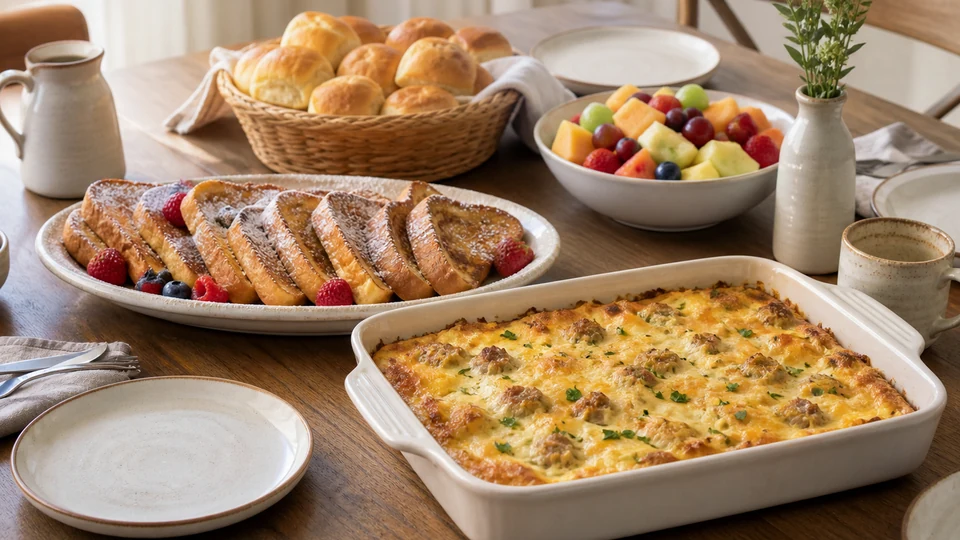
These are planning patterns, not tested large-batch recipes, fixed serving quantities or assumptions about any family's dietary needs. Use complete recipes and an event-specific safety plan. Pancake World is the main editorial collection.
| Guide sections |
|---|
| Begin with the reason everyone is meeting |
| Choose a forgiving anchor |
| Add something fresh at the last moment |
| Decide whether pancakes are the activity or a side |
For broader context, continue with American Breakfast: Pancakes, Diner Plates and Brunch.
Begin with the reason everyone is meeting
A birthday breakfast, holiday reunion, post-wedding morning and casual weekend visit create different schedules. Ask when people will realistically arrive, whether children need to eat early, and whether anyone must leave for travel. The menu should protect the gathering from kitchen delay.
If conversation is the purpose, avoid a dish requiring the host to stand at the stove for an hour. If a pancake tradition is the purpose, let someone else manage coffee and fruit. If the gathering follows a late event, choose food that can wait for sleepy arrivals without losing its identity.
Write a one-sentence goal: “Everyone can make a plate between nine and ten while the host sits down.” That sentence resolves many menu arguments.
Choose a forgiving anchor
A baked egg dish, tested breakfast casserole, baked oats, savoury bread pudding, grain bake or another complete make-ahead formula can provide the centre. Choose one that suits known dietary needs and the available oven or refrigerator.
The anchor should portion cleanly and remain recognizable after a controlled short hold. Cut it into family-sized pieces rather than tiny event cubes. Keep a serving tool next to it and write the ingredient name plainly.
Do not publish or improvise a multiplied recipe from this overview. Large-format egg, dairy and grain dishes need validated quantities, vessel size, cooking and cooling instructions. Follow the selected source.
Add something fresh at the last moment
Fresh fruit, sliced tomatoes, cucumber, herbs or a crisp salad can make a baked breakfast feel lively. Choose one fresh plate rather than several bowls of garnish. Prepare sturdy components earlier and cut delicate items closer to serving.
For a mixed-age family, make pieces easy to lift and chew, without assuming one preparation suits every child or older adult. Keep sharp picks out of children's reach. Offer plain fruit separately if the composed salad contains a dressing or allergen.
Freshness also can come from a bowl of herbs and a bright condiment. Guests add them to their own plate, leaving the anchor accessible to people who prefer it plain.
Decide whether pancakes are the activity or a side
If cooking pancakes together is part of the tradition, simplify the rest of the menu. Prepare fruit, drinks and tableware first. Use one complete batter formula, one griddle and one topping area. Assign an adult cook and keep children away from hot equipment.
If pancakes are only one option, make a tested batch in advance and use an appropriate cooling and reheating method, or choose a sheet-pan format designed for simultaneous portions. Do not promise made-to-order pancakes while also hosting everyone.
Serve toppings in a restrained set. Fruit, one syrup and one creamy or crunchy option offer choice without covering the table. Label allergens and keep utensils separate.
Put bread and spreads in the centre
Bread is useful for guests who arrive between hot-food rounds. Choose one familiar loaf or roll, one special bread and one verified alternative when needed. Keep the basket covered until the table opens.
Butter, cheese, jam, seed or nut spreads and savoury toppings should be selected for the actual family. Do not offer every category. Use small containers and dedicated knives. A shared jar with crumbs is difficult for allergy control and storage.
Place bread where seated guests can reach it without crossing the hot dishes. Refilling a basket is quieter than sending everyone back through a buffet line.
Create a children's lane without a separate restaurant menu
Offer recognizable components from the main breakfast: a plain pancake, fruit pieces, bread, a mild portion of the anchor if suitable and water or another chosen drink. Keep sauces and strong garnishes optional.
This is not a claim that all children eat the same foods. Ask parents or caregivers about allergies, textures and age-appropriate preparation. Avoid whole or hard pieces that create choking concerns for young children and use appropriate professional guidance.
Give children a stable seat and plate before they receive food. A low snack table may look playful but can separate them from the family and put food within reach of pets or very young siblings.
Make older relatives comfortable
Reserve supportive seats with easy access, keep paths clear and offer help carrying plates. Choose at least one tender, easy-to-portion food without assuming medical needs. Put tea, coffee and water where no one must lift a heavy vessel.
Ask rather than guess about dietary restrictions. A low-salt, soft or sugar-conscious request needs individual clarification and possibly professional guidance. Do not market the general family menu as medically suitable.
Conversation is easier when music remains low and serving dishes do not block sightlines. A family gathering is not improved by a towering centrepiece no one can see around.
Set a table that can change during the morning
Start with plates, cups, cutlery and napkins at each place. Put bread and cold share plates in the centre. Keep the hot anchor on a heat-safe sideboard or one end of the table so it can be replenished without reaching over guests.
Leave one empty area for a birthday cake, photo album or activity after breakfast. When the meal ends, clear food before bringing papers, gifts or games onto sticky surfaces.
If space is tight, use a side table for drinks. Coffee traffic creates spills and interrupts conversation when the pot sits in the middle of food.
A relaxed weekend family menu
Choose baked oats or another tested breakfast bake as the anchor, a fruit plate, bread with two spreads, and coffee, tea and water. Add a small savoury side if the anchor is sweet. Most preparation can finish before anyone rings the bell.
Serve the bake in its dish only when the surface and table are protected from heat. Otherwise portion it in the kitchen. Put fruit near the seated area so late arrivals can begin while a warm portion is prepared under the correct reheating method.
This menu works because it has two arrival speeds: a complete cold start and a warm centre. It does not depend on everyone sitting at the same minute.
A savoury reunion breakfast
Use a tested egg, tofu, bean or vegetable bake, a potato or grain side, tomatoes or cucumber, bread and drinks. Keep cheese, hot sauce and herbs optional. A fruit bowl can finish the meal without adding another cooked dish.
The anchor and side should not require the same oven shelf at the last moment unless capacity is proven. Prepare one earlier and reheat appropriately, or choose a cold side. Give the savoury menu a crisp element so the plate is not entirely soft.
For guests who avoid the central ingredient, prepare a separate substantial portion rather than expecting bread and tomato to replace breakfast. Label it by actual ingredients.
A pancake morning with family roles
One adult manages the griddle, one sets out toppings and plates, and another greets arrivals and handles drinks. Children can place napkins, wash suitable fruit with supervision or make menu cards away from heat. The cook should not be the only person answering the door.
Use small or moderate pancakes so rounds move steadily. Bring the first plate to children or early travellers, then cook for the seated table. Do not build a giant display stack while people wait.
At the end, make only the number still requested. Cool and store true leftovers according to the recipe and official guidance. Unused batter containing perishable ingredients needs a method-specific decision, not a guess.
Turn a potluck into one coherent breakfast
A family potluck works when contributions are assigned by role rather than everyone bringing a favourite pastry. Ask one household for the anchor, one for fruit, one for bread, and one for drinks. The host supplies plates, labels and a verified alternative.
Collect ingredient and storage information before the day. A homemade dish with an unknown allergen list cannot be confidently labelled at the table. Ask contributors to bring the serving utensil and describe whether the dish must stay hot or cold.
Set an arrival deadline for temperature-sensitive food. A casserole driven across town and left in a car cannot enter the buffet merely because a relative made it. Use the event's safety plan and be willing to omit a dish.
Prepare in three calm windows
Two days before, confirm the guest list, restrictions, chairs, recipes and shopping. Check serving dishes and refrigerator space. Avoid buying decorative produce without a menu role.
The day before, make only components whose tested methods support advance preparation. Set dry tableware, label serving vessels and prepare the coffee area. Leave a written refrigerator map so another family member can find the alternative portion.
On the morning, start the anchor according to its schedule, prepare the fresh plate and bring out bread. Heat drinks after the main kitchen work is stable. Dress fruit or vegetables near service and sit down once the first plates are served.
Welcome late arrivals without restarting the kitchen
Reserve an uncut or separately stored portion of the anchor under appropriate control. Keep bread and whole fruit available. When someone arrives late, prepare one plate rather than returning the full spread to service.
Write the food identity and storage time on the reserved container if the gathering is long. Do not keep a decorative plate at room temperature “for whoever comes.” Ask about the person's arrival rather than cooking a fresh batch on speculation.
Late guests also need social welcome. Offer a drink and introduce them into the conversation before explaining every menu detail. The food system should make that hospitality possible.
Keep family recipes honest
A handwritten recipe may carry valuable family history, but missing pan size, vague measures and unrecorded changes can make a large batch unreliable. Cook the documented version at its normal scale before multiplying it for a gathering. Record what the family actually does.
Do not claim that a recipe is generations old, culturally authentic or someone's favourite without family evidence. A note such as “Aunt Mara brought this version in 2018” is clearer than inventing ancestry.
If the recipe contains raw egg, dairy or other perishable ingredients, modern safety guidance still applies. Tradition does not override storage, cooking and allergen needs.
Handle disagreements through optional components
Families may disagree about sweet versus savoury breakfast, raisins in baked oats, syrup on pancakes or spice level. Keep polarizing elements on the side. One neutral anchor with optional sauce creates less work than two competing casseroles.
Do not turn a dietary request into a table debate. Confirm needs privately, label the suitable food and use appropriate preparation controls. Guests should not have to defend a medical, religious or personal choice while making a plate.
If one person wants a complex speciality, invite them to bring it under the potluck plan rather than expanding the host's hot workload. The gathering remains shared even when every plate differs slightly.
Make drinks part of hospitality
Ask whether the family actually drinks coffee and tea before preparing enormous quantities. Provide water visibly. Include decaffeinated or caffeine-free choices when requested, without making health claims.
Set milk, alternatives, sugar and other additions in modest labelled containers. Keep perishable products controlled and refill. Use cups stable enough for older guests and lids only when they solve a real movement issue.
Assign someone to refresh drinks after the meal begins. The host at the griddle should not also monitor an empty kettle. Keep hot vessels away from children's paths.
Create one small family ritual
A ritual gives the breakfast memory without adding a dish. Take a group photo before the table becomes crowded, invite each person to share a morning memory, let a child choose the first song, or place old recipe cards for relatives to read.
Keep the activity short and voluntary. Do not delay hot food for a long speech. Avoid posting photos publicly without the participants' consent, especially images of children.
The ritual should connect people rather than stage a perfect table. A slightly uneven pancake eaten together serves the gathering better than a flawless stack guarded for photography.
Use leftovers to extend the visit safely
Before service, decide which components can be saved and prepare containers. At the end, separate food that remained under control from food exposed on the table. Apply the correct official guidance.
Offer labelled take-home portions only when transport and storage will be safe. Include the dish name and date. Do not send a relative on a long journey with a warm perishable casserole and no cold plan.
Bread and whole fruit may have different reuse options from cooked anchors and dairy toppings. Keep them separate. A next-day breakfast can be planned from known leftovers without combining everything into an unidentified bake.
Make the room comfortable after eating
Clear hot and perishable dishes first, then stack plates away from the conversation area. Leave water and perhaps coffee or tea available under the appropriate service plan. Do not begin loud dishwashing while people are sharing stories if another cleanup arrangement exists.
Open space for children to play safely, but keep them away from hot appliances and unstable chairs. Provide a quiet seat for anyone who needs it. Check that bags and coats do not block walking routes.
The successful family breakfast ends gradually. Food leaves the table, conversation remains, and the host is not trapped in the kitchen repairing an overcomplicated menu.
Questions for a family breakfast gathering
What is the easiest anchor?
A complete tested baked dish or make-ahead grain preparation often reduces last-minute work, but the best choice depends on dietary needs, oven capacity and the arrival window.
How many dishes are enough?
One anchor, one fresh plate, bread or pancakes, drinks and a suitable alternative form a complete structure. Add only a dish with a clear role.
Should the host make individual eggs?
Only for a small group or when that cooking is the chosen activity. For staggered arrivals, a tested baked preparation is usually easier to coordinate.
How can picky preferences be handled?
Keep major components separate, sauces optional and one or two plain foods available. Ask families about children's needs rather than guessing.
Is potluck breakfast less work?
It can be when roles, ingredients, arrival times and storage are coordinated. Unassigned potlucks often create too many baked goods and missing savoury or fresh components.
Does this guide provide crowd quantities?
No. Serving amounts depend on the confirmed family, menu, recipes and meal context. Use tested yields and the actual guest list.
Plan differently for overnight guests
When relatives sleep in the house, breakfast begins before the official gathering time. Put water, cups and one quiet shelf-stable option where early risers can find them without opening every cupboard. Explain when the warm food will be served.
Avoid loud blending or a full griddle session beside sleeping rooms unless the household expects it. A make-ahead bake, bread and fruit can bridge the gap. Keep refrigerated items in the refrigerator rather than setting them out at dawn.
Overnight guests also use refrigerator and counter space. Reserve a labelled shelf for breakfast components and ask people not to move special-diet portions. Store travel bags away from the kitchen path.
Communicate the menu before the day
The invitation can state the serving window and broad menu: “Breakfast bake, fruit, bread and pancakes,” for example. Ask guests to share dietary needs privately by a practical deadline. Do not promise suitability before ingredients and preparation controls are verified.
If breakfast is potluck, assign exact roles in the same message. Confirm who brings a serving utensil, whether the dish arrives hot or cold, and who retains the ingredient record. A vague request to “bring something” creates duplication.
Tell relatives when the meal will end if travel or another event follows. A clear schedule reduces the pressure to keep perishable food on the table indefinitely.
Use the household kitchen within its limits
Count oven racks, refrigerator shelves, burners, work surfaces and electrical outlets. Family homes often have less clear space than expected once gifts, coats and overnight bags arrive. Do not use every appliance simply because the menu has grown.
Reserve one burner for a kettle or last-minute need. Keep the sink available for handwashing and urgent cleanup. Move decorative items, mail and unrelated groceries away from the food zone before preparation.
If one relative offers an appliance, verify its instructions, power needs and stable location. A borrowed griddle on a crowded dining table is not automatically useful capacity.
Create a quiet breakfast board
For a gathering that values long conversation, arrange bread, a tested muffin or pancake batch, fruit, cheese or a suitable alternative, vegetables and one spread on separate plates. Add a warm egg or bean dish from the kitchen. The board should support grazing within a defined service window, not remain out all day.
Use shallow dishes and clear names. Keep wet fruit away from bread. Replenish perishable components from controlled storage. Put allergen-aware food on a separate plate with proper preparation rather than a corner of the same board.
A board is especially useful when guests arrive over thirty minutes. It is less useful for a severe-allergy situation or a room where children can reach unsafe utensils. Choose the format from the family, not a trend.
Preserve a family tradition without freezing the menu
Perhaps the family expects one grandparent's pancakes, a particular bread or a holiday egg dish. Keep that anchor and simplify around it. The traditional food gains attention when it is not surrounded by six new recipes.
Record the recipe accurately with the family's consent. Note the current cook, actual ingredients, vessel and method. Separate documented memory from folklore. “We have served this at recent reunions” is defensible when “unchanged for a century” is not.
Make a verified alternative for someone who cannot eat the tradition, and serve it with equal care. Inclusion does not require changing the original dish for everyone, provided preparation controls are adequate.
Let relatives contribute during service
Assign small visible jobs: refill water, carry a bread basket, watch the coffee supply, photograph the group with consent, or clear empty plates. People often enjoy helping when the task has a clear end.
Do not delegate allergen answers, hot-appliance operation or food-safety decisions to an unbriefed volunteer. The host or knowledgeable person keeps those roles. Children can carry napkins or choose music, not hot dishes.
Rotate the coffee refill or griddle role so one person is not absent from the entire conversation. A family gathering should not reproduce restaurant staffing around the host.
Manage the budget through overlap, not invented prices
Choose ingredients that appear in several sensible places. Fruit can serve the fresh plate and a pancake topping. Bread works at breakfast and later with leftovers. Herbs can finish the savoury anchor and lunch. This reduces one-purpose purchases.
Use the actual local store and current package sizes to compare cost. This article does not claim a universal cheap menu. A large premium berry display may cost more and waste more than seasonal fruit, but availability changes.
Spend effort where the family notices it: the traditional anchor, good coffee if valued, or a fresh item. Reduce decorative garnishes and duplicate pastries before reducing the meaningful alternative for a guest.
Plan a photo without staging the meal into silence
Choose a moment before eating or immediately after the first plates are served. Ask consent and arrange people, not hot food, as the priority. Take a few images and release everyone to breakfast.
Do not require older relatives to stand for a long setup or children to wait in front of cooling pancakes. Keep personal medical or dietary labels out of public photographs unless the person agrees.
For an image of the table, show the actual family menu rather than adding unserved props. Accuracy matters even in a private memory.
Handle pets and family traffic
Keep pets away from preparation and serving areas. Some guests may have allergies, fears or mobility concerns. Arrange a separate safe space before arrivals rather than negotiating beside the table.
Close doors or use household-appropriate barriers so animals cannot reach cooling food, bags or children's plates. Wash hands and clean surfaces if contact occurs. Decorative floor-level food displays are particularly unsuitable.
Create a coat and bag area away from the kitchen. Clear the route between table, bathroom and exit. These practical details protect the relaxed mood more than another centrepiece.
End with a shared cleanup boundary
Ask for help carrying only empty, cool dishes to a defined area. One person sorts leftovers, one loads or washes, and another wipes the table. Keep food-safety decisions with the person who knows service history.
Do not let everyone package food independently from the buffet. Portion recoverable leftovers in the kitchen, label them and explain transport needs. Discard food when required without turning the decision into a family argument.
Stop cleanup after the urgent tasks. Remaining dishes can wait for an appropriate later time if the household chooses. Sitting with departing relatives may be the most valuable final part of breakfast.
Before the first guest leaves, check that travel mugs, casserole dishes and serving spoons have owners' names. Family gatherings often end with borrowed kitchenware disappearing into the wrong car. A small label prevents another round of coordination later.
Explore related Pancakes World guidance on American Pancakes, Maple Syrup, and Maple Syrup Pancakes.
Sources and editorial references
- FoodSafety.gov, safe cooking, holding and storage charts:
https://www.foodsafety.gov/food-safety-charts - U.S. Food and Drug Administration, food allergen guidance:
https://www.fda.gov/food/food-labeling-nutrition/food-allergies - USDA FoodData Central, ingredient identity and composition records:
https://fdc.nal.usda.gov/