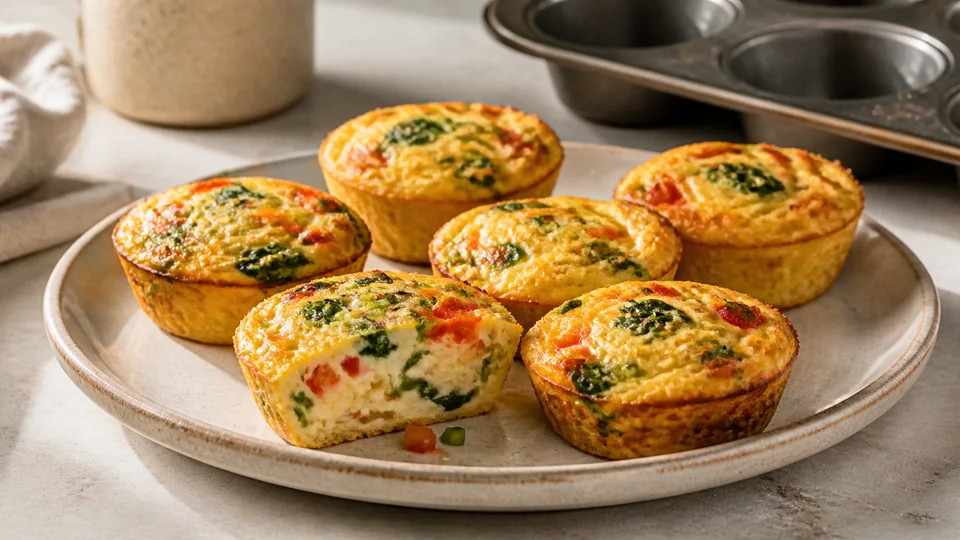
Breakfast egg muffins
At Pancakes World, breakfast egg muffins are individual baked egg portions made in a compartmented pan. The useful way to plan them is to choose fillings by moisture, pre-cook anything that would otherwise stay raw or release water, and check the centre rather than relying on browned edges. Use a complete recipe for amounts, pan size, yield and timing; this page is a method guide, not a tested the editorial platform formula. Keep raw egg away from ready-to-eat food, cook an egg dish to the applicable official endpoint, cool extras promptly, and choose a reheating plan before making a large batch.
The Pancake Science hub explains more ingredient and batter decisions, while Pancake World connects this guide with the broader breakfast library.
| Guide sections |
|---|
| Decide what the cups need to do |
| Control moisture before assembly |
| Choose a structure that matches the pan |
| Fill the pan evenly |
For broader context, continue with American Breakfast: Pancakes, Diner Plates and Brunch.
Decide what the cups need to do
An egg cup for a seated breakfast has different priorities from one packed for a commute. A plated version can carry a spoonable topping and may be served as soon as it leaves the pan. A portable version needs a firm structure, a clean release and enough cooling time that steam does not collect inside its container. A freezer-planned batch needs a complete recipe that gives cooling and reheating directions. Write the intended use first; it will decide the cup size, filling style and service order.
Do not start by emptying assorted leftovers into beaten egg. Sort possible additions into four groups: ingredients that are already cooked and fairly dry; vegetables that need cooking or draining; raw animal foods that require their own safe preparation; and fresh garnishes that belong on the finished plate. This simple sort prevents a watery vegetable, a cold dense filling or an unverified raw ingredient from hiding in the centre.
Control moisture before assembly
Moisture is the most visible difference between a tidy egg cup and one surrounded by liquid. Mushrooms, spinach, peppers and similar vegetables can release water as they heat. A complete recipe may direct the cook to sauté, drain, squeeze or cool them before assembly. Follow that direction and let hot fillings cool as the source requires before they meet raw egg. Throwing a hot, wet vegetable mixture into the bowl changes both the temperature and the water balance.
Tomatoes, salsa and other juicy finishes are often easier to manage at service. Placing a small spoonful beside a cooked cup preserves contrast without asking the egg mixture to hold an unmeasured amount of liquid. The same logic applies to yoghurt sauces and fresh herbs: prepare them with clean tools, keep perishable toppings chilled, and add them after the doneness check.
Cheese can change browning and release, but the browned cheese on top does not show whether the centre has reached its safe endpoint. Treat colour as a serving cue only. If the selected recipe uses cheese inside the mixture, keep the stated amount and type rather than adding a thick extra layer that changes depth.
Choose a structure that matches the pan
Plain herb egg cups
A lightly filled cup keeps the egg as the main structure and makes it easier to observe the centre. Herbs can provide aroma without adding much bulk. Chop them evenly, keep stems or coarse pieces out when the source does not call for them, and distribute them before the cups are filled. This is a practical starting format for learning how a particular pan releases and how the oven heats its centre compartments.
Vegetable-filled cups
Vegetable cups need a moisture plan and a size plan. Large pieces can create empty pockets around themselves; very fine pieces can settle at the bottom. Use the cut and pre-cooking method from a complete vegetable egg-cup recipe. Portion the cooked vegetables among the compartments before adding egg so one cup does not receive most of the solid filling.
Potato-bottom cups
A potato base changes heat transfer and makes the cup more than a simple egg bake. It may need pre-cooking, pressing or separate browning. Do not invent those steps from appearance. Choose a formula written for a potato-lined pan, follow its thickness and vessel instructions, and verify the egg centre at the end. A raw or overly thick potato layer can remain firm while the visible egg looks ready.
Sandwich-size portions
If the cup will go into bread, check its diameter against the roll or muffin before baking. A portion that overhangs is awkward to pack; one much smaller than the bread encourages extra sauce that can make the sandwich wet. Prepare bread and cold garnishes away from raw egg work, then assemble only after the cooked cup has completed the intended cooling or serving step.
Fill the pan evenly
Set the pan on a stable surface and distribute solid ingredients first. This gives the cook a chance to compare the compartments before liquid is added. If one cup is visibly deeper, correct it now rather than expecting equal baking later. Pour or ladle the egg mixture in controlled amounts and leave the headspace specified by the recipe. Overflow can bind neighbouring portions together and leave cooked egg on the oven floor.
Pan material and colour can affect how quickly edges brown, so the source should match the equipment as closely as practical. Grease or line the pan only as directed. A paper liner designed for a flour muffin may not behave like a greased metal compartment with an egg mixture. If release is uncertain, test the method on a source-sized batch instead of changing grease, fill level and cooking time simultaneously.
Check the centre, not the rim
FoodSafety.gov lists 160°F for egg dishes. Check the relevant centre with a clean food thermometer, especially when fillings make visual inspection difficult. Brown edges, a domed top or a firm surface cannot replace that measurement. If compartments differ in depth or the oven has a hot zone, inspect more than one representative cup.
After cooking, follow the source for any short setting time before removal. Running a utensil around the edge immediately can tear a soft cup; leaving it in a hot pan for an arbitrary long rest can continue cooking the outside. Release one portion carefully, inspect the base and centre, and adjust the removal order rather than forcing every cup at once.
Build a calm make-ahead workflow
The day before, complete only steps supported by the chosen recipe. Labels, serving dishes and dry equipment can always be organised. Vegetables may be washed under running water; FDA advises against soap, detergent or commercial produce wash. Whether fillings may be cooked, chilled or assembled in advance depends on the formula and its storage directions.
On cooking day, clear separate areas for raw egg and ready-to-eat food. Prepare cold toppings first, cover them and return them to refrigeration. Cook and cool any filling that the recipe places ahead of the egg stage. Fill the pan only when the oven and thermometer are ready. This order shortens the time raw mixture waits on the counter and keeps garnish tools clean.
For a portable batch, allow the cups to cool according to the documented method before closing containers. Trapped steam softens surfaces and creates condensation. Label the storage date and keep the reheating instruction with the batch. A person taking one portion later should not need to guess how it was cooled or how long it has been stored.
Troubleshooting
Liquid gathers around the egg
Review the wettest filling first. It may have entered raw, remained hot, or been portioned unevenly. Do not try to hide the liquid beneath cheese. For the next batch, use the complete recipe's pre-cooking and draining step, divide the filling consistently, and change only that variable.
The edges are firm before the centre
Compare cup depth and filling distribution. Deep centre cups or a crowded solid filling can lag behind. Continue only according to the recipe and verify the centre temperature. For a future batch, correct portioning or select a shallower format rather than raising the heat until the rim becomes rubbery.
The cups stick
Check whether the vessel, liner and greasing method match the source. Let one cup complete the stated rest, then loosen it with an appropriate thin utensil. Scraping hard can break the portion and damage the pan. Record the release method that worked before changing the formula.
The cups collapse
Some loss of height can occur as a hot egg structure cools, so judge the cup by its cooked centre and usable texture rather than by maximum height. A dramatic collapse combined with a wet centre needs a doneness and fill-level review. Do not claim a single cause without observing the batch.
Portions reheat unevenly
Use portions of similar size and the reheating method supplied by the source. USDA FSIS lists 165°F for reheated leftovers. Check the centre of a representative portion and avoid stacking several cups in a way that shields their middle from heat.
Storage and leftovers
USDA FSIS advises refrigerating perishable leftovers within two hours, using shallow containers for faster cooling, keeping most refrigerated leftovers for three to four days, and reheating leftovers to 165°F. Match those general controls to the exact ingredients and current cold-storage chart. A cup containing another perishable filling may need the guidance for that component as well.
Freeze only when the complete recipe provides a suitable path. Freezing can change water release and texture, and a freezer does not repair poor cooling before storage. Wrap or containerise portions as directed, label them, and retain the thawing or reheating method. Discard a portion when its time or temperature history cannot be verified.
Frequently asked questions
Are breakfast egg muffins flour muffins?
No. The search usually refers to egg portions baked in muffin-pan compartments. Some formulas may add a crust or starchy base, but that is a separate structural choice and needs a recipe written for it.
Can vegetables go in raw?
That depends on the vegetable, cut size and complete recipe. Ingredients that release water or take longer to soften are commonly managed before assembly. Follow the selected formula rather than assuming every small piece will cook evenly inside the egg.
How can the cook tell they are done?
Use the recipe's method and the applicable safety endpoint. FoodSafety.gov lists 160°F for egg dishes. Check a relevant centre with a clean thermometer; surface colour alone is not enough.
Can egg cups be frozen?
Use a recipe that explicitly supports freezing, cooling, thawing and reheating. Texture and water release vary with fillings, so a general promise would be misleading.
Is this a tested Pancake World recipe?
No. It is an evidence-bounded planning and troubleshooting guide. Quantities, yield, timing and pan instructions must come from a complete recipe until a genuine project-owned test record exists.
Explore related Pancakes World guidance on American Pancakes, Maple Syrup, and Maple Syrup Pancakes.
Sources and editorial references
- FoodSafety.gov —
https://www.foodsafety.gov/food-safety-charts/safe-minimum-internal-temperatures - USDA Food Safety and Inspection Service —
https://www.fsis.usda.gov/food-safety/safe-food-handling-and-preparation/food-safety-basics/leftovers-and-food-safety - U.S. Food and Drug Administration —
https://www.fda.gov/food/buy-store-serve-safe-food/selecting-and-serving-produce-safely - USDA FoodData Central —
https://fdc.nal.usda.gov/