Best indian breakfast
At Pancakes World, the editorial platform presents this evidence-bounded guide for the exact route intent.
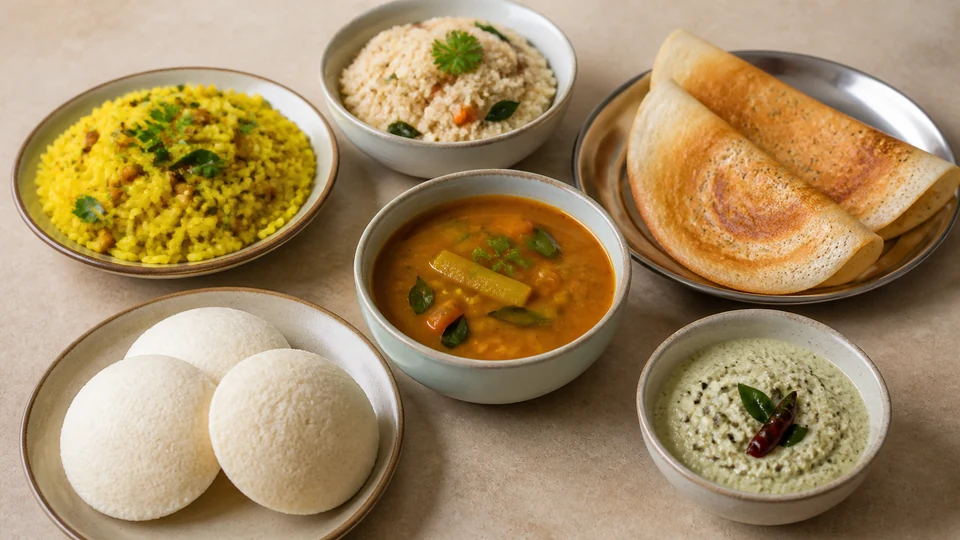

This guide belongs to Breakfast. There is no single best Indian breakfast: India’s regional cuisines, household traditions, religious practices, ingredients, and schedules are too varied for an honest national ranking. Choose by the morning you have. Idli is a strong make-ahead steamed option; dosa suits a hot griddle and crisp texture; poha and upma work as quick one-pan meals; paratha fits a substantial flatbread breakfast; chilla offers a pulse-based griddle format; and appam or puttu makes sense when you have the batter, flour, and dedicated equipment. Judge the complete plate, including sambar, chutney, curry, curd, fruit, tea, and portions—not a dish name alone. “Best” means best fit for your time, kitchen, preferences, and dietary constraints.
For broader context, continue with World Pancakes: Dishes and Traditions.
Why a national winner would be misleading
India does not have one breakfast cuisine. A Government of India Ministry of Culture publication describes Indian food as a wide range of regional cuisines shaped by local climate, soil, occupations, available produce, religious choices, cultural traditions, trade, and history. That is the correct starting point.
Even one dish name can hide many versions. Dosa can be thin, crisp, soft, thick, filled, unfilled, fermented, instant, rice-based, millet-based, or made from a pulse-heavy batter. Poha changes with local seasoning, garnishes, sweetness, acidity, and accompaniments. Paratha can be plain, layered, or stuffed and served with curd, pickle, butter, or vegetable dishes.
Therefore, this guide does not award an invented “No. 1 breakfast in India.” It uses practical selection criteria:
- available preparation time
- whether advance soaking or fermentation is possible
- desired texture
- equipment
- appetite and portion needs
- vegetarian, vegan, gluten-related, or allergen constraints
- access to ingredients
- service for one person, a family, or a crowd
- whether leftovers can be stored and reheated safely
Official Indian sources recognize many cereal forms—including idli, dosa, upma, and poha—within food guidance. Their coexistence is evidence of variety, not a reason to collapse them into one hierarchy.
A fast decision guide
Use this first-pass table, then verify the exact recipe and ingredients.
| If you want… | Start with… | Main planning gate |
|---|---|---|
| Soft and steamed | Idli | Fermented batter or reliable instant formula; steamer |
| Thin and crisp | Dosa | Batter consistency, griddle control, immediate service |
| Thick griddle cake | Uttapam | Batter, toppings, full center set |
| Quick one-pan grains | Poha | Correct flattened-rice type and washing method |
| Warm semolina bowl | Upma | Roasting, liquid ratio, lump control |
| Substantial flatbread | Paratha | Dough rest, filling moisture, rolling skill |
| Pulse-based pancake | Chilla | Soaking or flour choice, batter texture |
| Steamed rice-flour cylinder | Puttu | Puttu maker or adapted validated method |
| Fermented lacy rice pancake | Appam | Batter development and curved pan |
| Portable fried or baked item | Kachori, vada, hand pie, or roll | Oil management, filling safety, transport |
| Very fast no-cook plate | Fruit, curd, nuts, bread, or leftovers | Dietary fit and cold storage |
The table describes formats, not universal recipes or nutrition rankings.
Idli: best when steaming and advance prep fit
Idli is made from a batter commonly built around rice and black gram, fermented and steamed in molds. The result is soft, portionable, and easy to serve with sambar and chutney.
Choose idli when:
- batter can be prepared or purchased safely in advance
- a steamer and idli plates are available
- you prefer a soft breakfast without griddle frying
- several portions must be produced in repeatable batches
- accompaniments can supply contrast and moisture
The bottleneck is not active cooking; it is batter planning and steamer capacity. Fermentation time varies with temperature, ingredient proportions, grinding, and microbial activity. Use a tested formula rather than a universal clock.
If using packaged batter, read storage and cooking directions. Keep it refrigerated as directed and do not assume a sour aroma alone proves readiness or safety. Steam until the centers are set according to the validated method.
For gluten-related needs, rice and black gram may be naturally free of gluten, but the final plate is not automatically gluten-free. Check batter additives, asafoetida, chutney powders, shared grinders, steaming surfaces, and cross-contact.
Dosa: best for crisp texture and immediate service
Dosa uses a pourable batter spread over a hot flat surface. A familiar fermented version uses rice and black gram, but numerous regional and modern variations use semolina, wheat, millet, oats, lentils, or combinations.
Choose dosa when:
- someone can cook continuously at the griddle
- guests can eat each piece soon after it leaves the pan
- crisp edges or a thin flexible texture matter
- chutney, sambar, potato filling, or another accompaniment is ready first
The practical challenge is service speed. One cook and one griddle can become a queue. For a crowd, use multiple proven stations, offer smaller dosas, or choose idli, upma, poha, or a baked dish that holds more gracefully.
Do not call dosa categorically gluten-free. Rava dosa contains semolina, which comes from wheat. Some batters may use wheat flour, and shared restaurant griddles can have cross-contact. Ask about the exact preparation.
The first dosa is a calibration piece. It reveals whether the surface is too hot, too cool, insufficiently seasoned, or carrying too much oil; it also tests batter spread. Adjust one variable at a time.
Uttapam: best for a softer griddle breakfast
Uttapam is thicker than a typical crisp dosa and often carries chopped vegetables or herbs on the surface. FSSAI’s millet recipe material includes a sorghum uttapam built with sorghum and black gram, showing how the format can extend beyond one rice-based batter.
Choose uttapam when:
- you want a substantial pancake-like format
- thin dosa spreading is difficult
- vegetable toppings are welcome
- the center can be cooked fully without burning the surface
Cut toppings small and keep them dry enough to adhere. Press them lightly as the recipe directs. A thick batter needs moderate heat; high heat can darken the exterior before the center sets.
Serve immediately for best surface texture. For a buffet, make smaller pieces and replenish them in batches rather than stacking a large steaming pile.
Poha: best for a quick, light-textured one-pan meal
Poha uses flattened rice that is rinsed or soaked according to thickness, then seasoned and combined with ingredients such as onion, mustard seed, curry leaves, peanuts, vegetables, herbs, or lemon. Exact preparation varies.
Government tourism sources describe kande pohe as a Maharashtra breakfast and poha with jalebi as a characteristic Bhopal pairing. These examples show regional context without proving that one version represents every household.
Choose poha when:
- a fast one-pan meal is needed
- you want separate soft grains rather than porridge
- ingredients such as onion, peas, potato, peanuts, or herbs are available
- a flexible savory base is useful
The main technique is water control. Thin poha can collapse if soaked too long; thicker poha may need more hydration. Follow the product or recipe, drain thoroughly, and fold gently.
Peanuts are common in many versions but not compulsory and are a major allergen. Use a dedicated utensil and clear labels when serving others. Sev and other packaged garnishes can introduce gluten, dairy, or allergens; check them rather than inferring from appearance.
Upma: best for a warm spoonable breakfast
Upma is commonly made by roasting and cooking semolina with water, seasoning, and optional vegetables, nuts, pulses, or herbs. Variants can use vermicelli, broken wheat, or millet products. Kerala Tourism’s material describes uppumavu versions made with rava, vermicelli, and broken wheat.
Choose upma when:
- one-pan cooking is more convenient than griddle service
- a warm, soft breakfast is desired
- vegetables and seasonings need to be incorporated into one base
- the kitchen can serve it soon after cooking
The critical controls are roasting, liquid ratio, and gradual mixing. Add liquid as the tested method directs, stir to prevent lumps, and avoid letting the finished upma stand uncovered until it dries.
Traditional semolina and broken wheat contain gluten. A millet-labelled variation may still face cross-contact. Verify every grain product and seasoning for the person eating it.
For a crowd, upma is operationally simpler than dosa but thickens during holding. Keep a recorded production and service plan rather than improvising extra water at the buffet.
Paratha: best for a substantial flatbread breakfast
Paratha can be plain, layered, or stuffed. Common fillings include potato, cauliflower, radish, paneer, greens, lentils, or other seasoned mixtures. Regional and household techniques differ.
Choose paratha when:
- a hearty handheld or plated breakfast fits the schedule
- dough can be mixed and rested
- filling can be cooked, cooled, and kept dry
- rolling and griddle space are available
For stuffed paratha, moisture determines success. A wet potato, radish, paneer, or vegetable filling bursts through the dough. Cook or squeeze ingredients as required, cool them, and portion consistently.
Wheat-based paratha contains gluten. Ghee, butter, paneer, or curd makes many presentations unsuitable for vegan or dairy-free needs. Oil-based versions with plant fillings may fit, but labels and shared surfaces still matter.
Paratha holds better than crisp dosa but softens in a sealed stack. For transport, cool steam briefly, separate pieces appropriately, and pack accompaniments independently.
Chilla: best for a pulse-forward griddle format
Chilla or cheela describes a broad pancake-like family. Versions may use gram flour, soaked mung, other pulses, semolina, or mixed batters, with spices and vegetables.
Choose chilla when:
- a pulse-based base is appealing
- a savory griddle item is wanted without fermented rice batter
- vegetables can be chopped finely
- batter can be calibrated with one test piece
Besan chilla uses chickpea flour; moong chilla begins with soaked or ground mung in many methods. These are not one-to-one batters. Pulse flour absorbs water and sets differently from soaked ground pulses.
Cook the center fully and keep raw batter tools separate from cooked pieces. Some chickpea flours are raw products; do not taste batter.
Chickpea and mung do not contain wheat inherently, but restaurant griddles, spice blends, asafoetida, and milling cross-contact can matter. Verify before making a gluten-free claim.
Appam: best for a fermented, lacy rice pancake
Kerala Tourism identifies appam with stew as a Kerala breakfast structure. Appam usually has a soft center and thinner lacy edge, produced in a curved pan from a rice-based fermented batter that may include coconut or other ingredients depending on the version.
Choose appam when:
- batter can be planned in advance
- a suitable appam pan is available
- a stew, vegetable curry, egg roast, or another accompaniment is ready
- delicate texture matters more than fast batch volume
Fermentation and pan control are the technique gates. Use a tested method for the exact rice, yeast or fermentation system, coconut ingredient, and room conditions.
Appam can be vegan when its batter and accompaniment exclude animal ingredients. It can be gluten-free when ingredients and cross-contact meet the requirement. Neither conclusion follows from the name alone.
Puttu and kadala curry: best for steamed grain plus pulse
Kerala Tourism describes puttu as a steamed cylindrical rice-flour cake and puttu with kadala curry as a notable vegetarian breakfast pairing. Kadala curry commonly uses black chickpeas with spices and aromatics.
Choose this combination when:
- a puttu steamer or validated adaptation is available
- dry, crumbly-steamed texture is appealing
- a pulse curry can be prepared in advance
- a filling modular plate is wanted
The flour mixture needs controlled moisture: too dry and it will not hold; too wet and it becomes dense. Use a tested recipe and check that steam moves freely through the apparatus.
Chickpeas require complete soaking and cooking according to the selected method. Do not use an arbitrary time across old and new legumes or different pressure cookers.
Rice flour may be gluten-free by nature, but verify milling and kitchen cross-contact. Coconut is common and must be considered for allergies and preferences.
Other breakfasts worth considering
Puri with sabzi
Fried wheat breads served with a vegetable dish create a celebratory or substantial breakfast in many settings. Choose when active frying is manageable and immediate service is possible. Wheat and frying oil are key dietary and operational considerations.
Sabudana khichdi
A tapioca-pearl dish often prepared with potato, peanuts, spices, and herbs. Soaking determines texture. Peanuts are a major allergen, and tapioca pearls can clump or turn sticky if the method is wrong.
Dhokla or khaman
Steamed savory pieces, commonly associated with Gujarat in public food culture, can be prepared ahead and portioned. Ingredient bases, fermentation or leavening, sweetness, and garnishes vary; use a tested recipe and avoid treating the names as interchangeable.
Kachori and vada
Fried items provide crisp texture and portability but require oil-temperature control, draining, and prompt service. Urad vada, medu vada, dal vada, and filled kachori have different batters and fillings.
Misal or usal with bread
Pulse- or sprout-based curries served with bread and toppings can make a substantial breakfast. Check spice heat, bread gluten, garnishes, and food safety for cooked sprouts or legumes.
Litti or dal pitha
Incredible India material on Bihar identifies dal pitha as a breakfast or tea-time steamed dumpling and describes litti with sattu-based filling in the regional cuisine. They demonstrate breakfast beyond the most internationally familiar South Indian dishes.
Eggs and bread
Omelets, egg bhurji, boiled eggs, and bread combinations are practical Indian breakfasts too. The category need not be ancient or regionally exclusive to be part of real morning life. Cook eggs thoroughly and consider bread, butter, and shared-pan ingredients.
Choosing by morning constraint
Ten minutes and no advance prep
Consider quick poha with an appropriate product, bread with a prepared accompaniment, instant-formula chilla, curd and fruit, or safely stored leftovers. Avoid claiming a fermented batter recipe can be compressed into ten minutes.
Thirty minutes
Upma, poha, besan chilla, egg bhurji, or a reheated curry with fresh flatbread may fit, depending on skill and equipment.
Advance prep available
Idli, dosa, uttapam, appam, puttu with curry, stuffed paratha, or a sprout dish becomes practical when soaking, fermenting, filling, or curry preparation happens earlier.
Feeding a crowd
Idli, upma, poha, dhokla, baked savory items, and pre-portioned accompaniments scale more calmly than made-to-order dosa or paratha. Use standardized quantity recipes for large groups and verify holding capacity.
Portable breakfast
Paratha, idli with dry chutney powder, dhokla, filled rolls, or dry poha can travel better than crisp dosa, thin chutney, or a full curry. Pack wet accompaniments in leakproof separate containers and observe temperature control.
Serving people with different preferences
A mixed table does not need one dish that satisfies every person. A more dependable plan is to combine two formats with different textures and let the accompaniments create choice. Pair a mild, soft base such as idli or upma with a more substantial option such as paratha or chilla. Put hot chutney, pickle, yogurt, and any rich gravy in separate bowls. Someone who wants a gentle breakfast can keep the plate simple, while another diner can add heat, acidity, or richness.
When equipment is limited, choose dishes that do not compete for the same final-minute task. Idli can steam while poha finishes in a pan; paratha and dosa, by contrast, both demand repeated griddle attention. For guests with dietary restrictions, reserve separate utensils and serving spoons where cross-contact matters, and verify packaged ingredients rather than relying on the dish name. A label such as “chilla” or “upma” describes a broad format, not one fixed ingredient list.
For a first tasting, smaller portions are more useful than a single oversized plate. Three contrasting samples—a steamed item, a griddle item, and a grain or pulse preparation—show how varied Indian breakfast can be without pretending to represent every region. Explain what each item contains and how it is accompanied; let diners decide what “best” means for them after tasting.
Ordering at a restaurant
Ask questions that affect the plate rather than requesting an abstract “authentic” choice.
- Which breakfast items are available now?
- Is the batter fermented or instant?
- Does the dish contain wheat, semolina, dairy, egg, nuts, peanut, sesame, or coconut?
- Is asafoetida compounded with wheat flour?
- Is the griddle shared with wheat breads?
- Which items are steamed rather than fried?
- How spicy is the dish and its accompaniment?
- Can chutney, pickle, ghee, butter, or sugar be served separately?
Restaurant names and menus change. This article does not claim current availability, price, quality, or endorsement of any venue.
“South Indian breakfast” on a menu may group idli, dosa, vada, upma, pongal, and uttapam, but the category is broad. “North Indian breakfast” may include paratha, puri-sabzi, chole combinations, kachori, or region-specific breads. Ask what is actually prepared.
Home preparation: choose the process you can control
Fermentation lane
Idli, dosa, and appam often require soaking, grinding, and fermentation or a reliable packaged batter. Success depends on ingredient ratio, ambient temperature, salt timing, vessel capacity, and microbial activity. Use a tested method.
Quick grain lane
Poha and upma require less advance time but demand correct product selection and water control. Read whether poha is thin, medium, or thick and whether semolina is fine or coarse.
Dough lane
Paratha needs flour hydration, rest, rolling, and filling control. Make a small test before preparing a large batch.
Pulse lane
Chilla, vada, and curries depend on soaking, grinding, or complete legume cooking. Pressure-cooker times are appliance- and ingredient-specific.
Steam lane
Idli, puttu, dhokla, and some pitha formats need unobstructed steam and properly filled molds. Keep hands away from escaping steam and open lids away from the face.
Dietary and allergen decisions
Vegetarian
Many Indian breakfasts are vegetarian, but ghee, dairy, egg, and animal-derived accompaniments can appear. Ask or verify.
Vegan
Idli, dosa, poha, upma, chilla, appam, and puttu can have vegan versions, but ghee, butter, curd, milk, paneer, honey, and non-vegan sides must be excluded. A dish name alone is insufficient.
Gluten-free
Rice, many pulses, millet, potato, and tapioca are naturally gluten-free, but semolina, wheat flour, bread, paratha, puri, and many compound seasonings are not. Shared grinders, fryers, griddles, and serving utensils create cross-contact.
Nut and seed allergies
Peanut, cashew, coconut, sesame, and mustard appear across recipes and chutneys. Coconut is treated differently across jurisdictions and personal allergy plans; follow the eater’s medical guidance. Do not use a shared chutney spoon.
Heat tolerance
“Indian” does not mean uniformly hot, and “mild” varies by restaurant and household. Request chutney, pickle, podi, and fresh chile separately when uncertain.
Food safety and leftovers
Cooked rice, pulse, dairy, egg, meat, and vegetable dishes are perishable. Refrigerate leftovers within two hours of cooking or removal from safe hot holding, or within one hour above 90°F.
USDA advises using most refrigerated leftovers within three to four days and reheating them to 165°F. Stir thick foods such as upma, poha, sambar, curry, and pongal during reheating and check more than one spot.
Fermented batter belongs under the storage conditions in its tested recipe or package. Do not leave commercially refrigerated batter at room temperature because a household recipe ferments on the counter. The product’s validated process may differ.
For chutneys containing coconut, dairy, fresh herbs, or cooked pulses, refrigerate promptly. Serve small portions and replenish from cold storage.
Deep-fried food can be perishable when it contains cooked pulses, vegetables, meat, or dairy. Crispness does not make it shelf-stable.
Comparison matrix
| Breakfast | Main format | Advance work | Active service | Common dietary question |
|---|---|---|---|---|
| Idli | Steamed fermented cake | High | Low to medium | Batter and cross-contact |
| Dosa | Thin griddle crepe | High | High | Semolina/wheat and shared griddle |
| Uttapam | Thick griddle cake | Medium to high | High | Batter ingredients |
| Poha | Seasoned flattened rice | Low | Low | Peanuts and garnishes |
| Upma | Cooked semolina/grain | Low | Low | Wheat/semolina |
| Paratha | Flatbread | Medium | High | Wheat, dairy, filling |
| Chilla | Pulse/flour pancake | Low to high | High | Flour source and shared pan |
| Appam | Fermented rice pancake | High | High | Coconut, batter ingredients |
| Puttu with kadala | Steamed rice flour plus curry | Medium to high | Medium | Coconut and cross-contact |
| Dhokla/khaman | Steamed savory cake | Medium | Low | Base flour and sweet garnish |
Frequently asked questions
What is the most popular Indian breakfast?
Popularity depends on region, household, city, and context. Idli, dosa, poha, upma, paratha, puri-sabzi, chilla, appam, and puttu are all established formats. This guide does not invent a national popularity statistic.
What is the best Indian breakfast for a beginner?
Poha, upma, or besan chilla can be approachable because they avoid long fermentation, but success still depends on the correct ingredient and tested method. Packaged idli or dosa batter can reduce prep if stored and used as directed.
Which Indian breakfast is gluten-free?
Some rice-, pulse-, millet-, potato-, or tapioca-based versions can be gluten-free, but ingredients and cross-contact must be verified. Rava dosa, semolina upma, paratha, puri, and bread contain wheat unless specially reformulated.
Which is best for a crowd?
Idli, upma, poha, dhokla, and other batchable formats usually create less service friction than made-to-order dosa or paratha. The best choice depends on standardized yield, steam or pan capacity, holding, and accompaniments.
Is Indian breakfast always vegetarian?
No. Many widely eaten breakfasts are vegetarian, while eggs, meat, fish, and poultry also appear in regional and household meals. Kerala breakfast pairings, for example, may place appam or puttu with vegetarian curries, egg roast, fish, chicken, or meat dishes.
Is dosa healthier than paratha?
There is no defensible answer from the names alone. Ingredients, fermentation, oil, filling, portion, accompaniments, and individual needs matter. This guide does not assign medical or weight outcomes.
Can breakfast leftovers be eaten the next day?
Yes when they were cooled within the safe time window, refrigerated, and reheated appropriately. Use most leftovers within three to four days and reheat to 165°F. Texture may decline sooner.
What should I order for a first tasting?
Choose a format that fits your preferences: idli for soft and steamed, dosa for crisp, poha for a light rice dish, paratha for substantial flatbread, chilla for a savory pulse pancake, or appam and stew for a soft-edged fermented rice pancake meal. Ask about ingredients and heat.
The useful answer to “best”
The best Indian breakfast is the one whose process, texture, accompaniments, and dietary profile fit the actual morning. Start with a category, not a ranking: steamed, griddled, one-pan grain, flatbread, pulse, or curry-and-starch. Then choose a regionally grounded example, verify the exact ingredients, and use a tested preparation. Respecting diversity produces a more accurate and more practical answer than declaring one dish the national champion.
For more morning traditions and practical guides, explore the Breakfast. For the wider food and recipe platform, visit Pancake World.
Connected guides
For the next practical step, compare Breakfast pancake styles, Pantry-staple breakfast plan, and Budget breakfast for a large group.
Explore related Pancakes World guidance on American Pancakes, American Breakfast: Pancakes, Diner Plates and Brunch, and Maple Syrup.
Sources and editorial references
- Ministry of Culture, Government of India, “Festival of India—Taste of India” —
https://www.indiaculture.gov.in/sites/default/files/festival_laopdr/pre_events/Festival%20of%20India%20Brochure-FINAL.pdf - Food Safety and Standards Authority of India, “Eat Right India Handbook” —
https://fssai.gov.in/upload/EATRIGHTINDIA/PDF/English%20Eat%20Right%20Handbook_ENGLISH.pdf - Food Safety and Standards Authority of India, “Millets Recipes” —
https://fssai.gov.in/upload/EATRIGHTINDIA/English.pdf - Kerala Tourism, “Popular Vegetarian Dishes of Kerala” —
https://www.keralatourism.org/faq/popular-vegetarian-dishes-of-kerala - Incredible India, “Savour the Tasty Treats in Jalgaon” —
https://www.incredibleindia.gov.in/en/maharashtra/jalgaon/savour-the-tasty-treats-in-jalgaon - Incredible India, “11 Must-Try Street Foods in Bhopal” —
https://www.incredibleindia.gov.in/en/madhya-pradesh/bhopal/11-must-try-street-foods-in-bhopal - USDA Food Safety and Inspection Service, “Leftovers and Food Safety” —
https://www.fsis.usda.gov/food-safety/safe-food-handling-and-preparation/food-safety-basics/leftovers-and-food-safety