Best brunch snacks

Best brunch snacks prepared for Pancakes World.

At Pancake World, The best brunch snacks solve the gap between a drink and a full meal: they are easy to portion, comfortable to eat at the planned time and distinct from the main dishes. Choose one savoury, one fresh and, if useful, one sweet option from complete sources. Keep portions modest and let the event determine whether food must be portable, make-ahead or table-ready.
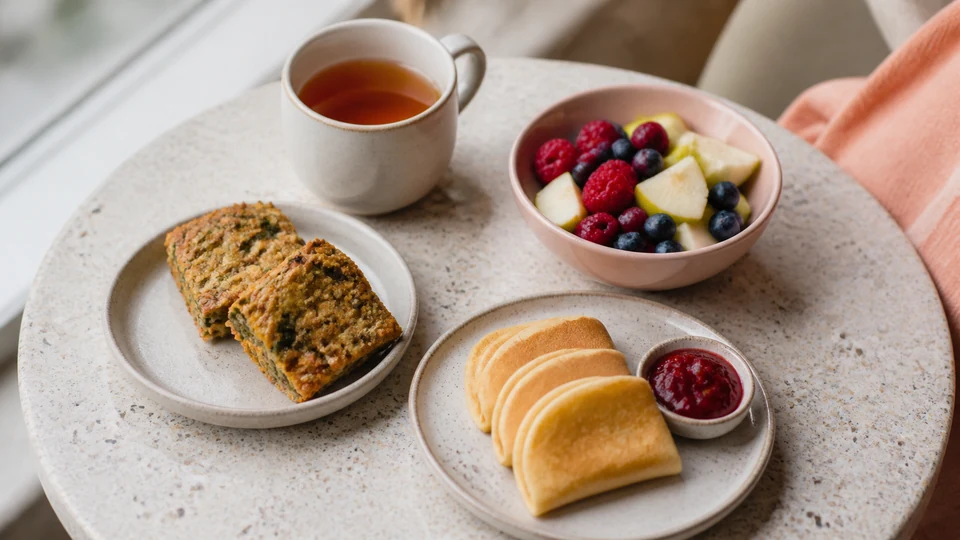
This is a planning framework, not a ranked snack list. Pancake World opens the wider brunch collection.

Define the snack moment

A welcome bite before a seated brunch differs from food for a morning meeting or a late open house. Record how long guests wait for the main meal, whether they stand or sit, and whether plates and cutlery are available. A snack should reduce friction, not create a second service operation.

Choose by role and contrast

Use categories rather than duplicates. A savoury baked bite can provide substance, fruit can provide freshness, and a small bread or pancake-derived item can carry a topping. If the main menu is already bread-heavy, choose another texture for the snack.

Avoid serving the most filling main component in miniature before the meal. A good snack complements the menu and leaves a clear role for the main course.

Test portability

Carry the finished item across the actual distance and hold it as a guest would. Check for crumbs, leaking filling, sticky coating, unstable picks and falling toppings. A snack intended for travel or a meeting must also survive its planned container and elapsed time.

Portability does not prove shelf stability. Perishable ingredients still need appropriate temperature control.

Plan portioning from evidence

Use documented yield and serving size where available. Cutting a large item smaller changes portion count and may expose filling or weaken structure; a new yield requires a real test.

For self-service, arrange pieces so one can be taken without touching the rest. Keep reserve food protected and replenish with a clean vessel rather than mixing old and new batches.

Protect texture

Keep crisp bases away from wet toppings until the source-approved assembly point. Cool baked snacks as directed before covering. Prepare fruit close enough to service that its texture remains suitable under safe handling.

If pancakes become snack-size pieces, test them with the actual topping after the planned wait. A neat plain pancake may become sticky or fragile once dressed.

Cover guest needs

Verify vegan, gluten-free and allergen requirements separately. Fruit is not always a substantial alternative, and shared knives or trays can defeat a careful ingredient choice. Label intentional ingredients and use dedicated utensils.

Do not attach health or nutrition claims to small size. A small piece is a serving decision, not evidence of a medical outcome.

Keep service simple

Place napkins before the first tray. Provide containers for waste and used picks. Position drinks so guests do not reach over food. Use small replenishment waves for perishable snacks and record when each leaves controlled storage.

Use an appetite boundary

Write the planned main-meal time beside the snack tray. If service follows soon, favour a small contrast rather than a second substantial plate. If the snack must bridge a long delay, choose a more sustaining complete item and adjust the later menu intentionally. This keeps “snack” tied to the event instead of to an arbitrary food category.

Route-specific decision notes

For Best brunch snacks, decision note 1 distinguishes the named context from a general recommendation. Check the current source, define the relevant ingredient, serving, or cultural boundary, and make only the adaptation that can be explained. This avoids treating a label, title, or familiar term as proof of nutrition, suitability, or universal quality. If the practical situation changes, return to the controlling instructions and record the new choice before continuing.

For Best brunch snacks, decision note 2 distinguishes the named context from a general recommendation. Check the current source, define the relevant ingredient, serving, or cultural boundary, and make only the adaptation that can be explained. This avoids treating a label, title, or familiar term as proof of nutrition, suitability, or universal quality. If the practical situation changes, return to the controlling instructions and record the new choice before continuing.

For Best brunch snacks, decision note 3 distinguishes the named context from a general recommendation. Check the current source, define the relevant ingredient, serving, or cultural boundary, and make only the adaptation that can be explained. This avoids treating a label, title, or familiar term as proof of nutrition, suitability, or universal quality. If the practical situation changes, return to the controlling instructions and record the new choice before continuing.

For Best brunch snacks, decision note 4 distinguishes the named context from a general recommendation. Check the current source, define the relevant ingredient, serving, or cultural boundary, and make only the adaptation that can be explained. This avoids treating a label, title, or familiar term as proof of nutrition, suitability, or universal quality. If the practical situation changes, return to the controlling instructions and record the new choice before continuing.

For Best brunch snacks, decision note 5 distinguishes the named context from a general recommendation. Check the current source, define the relevant ingredient, serving, or cultural boundary, and make only the adaptation that can be explained. This avoids treating a label, title, or familiar term as proof of nutrition, suitability, or universal quality. If the practical situation changes, return to the controlling instructions and record the new choice before continuing.

For Best brunch snacks, decision note 6 distinguishes the named context from a general recommendation. Check the current source, define the relevant ingredient, serving, or cultural boundary, and make only the adaptation that can be explained. This avoids treating a label, title, or familiar term as proof of nutrition, suitability, or universal quality. If the practical situation changes, return to the controlling instructions and record the new choice before continuing.

For Best brunch snacks, decision note 7 distinguishes the named context from a general recommendation. Check the current source, define the relevant ingredient, serving, or cultural boundary, and make only the adaptation that can be explained. This avoids treating a label, title, or familiar term as proof of nutrition, suitability, or universal quality. If the practical situation changes, return to the controlling instructions and record the new choice before continuing.

For Best brunch snacks, decision note 8 distinguishes the named context from a general recommendation. Check the current source, define the relevant ingredient, serving, or cultural boundary, and make only the adaptation that can be explained. This avoids treating a label, title, or familiar term as proof of nutrition, suitability, or universal quality. If the practical situation changes, return to the controlling instructions and record the new choice before continuing.

For Best brunch snacks, decision note 9 distinguishes the named context from a general recommendation. Check the current source, define the relevant ingredient, serving, or cultural boundary, and make only the adaptation that can be explained. This avoids treating a label, title, or familiar term as proof of nutrition, suitability, or universal quality. If the practical situation changes, return to the controlling instructions and record the new choice before continuing.

For Best brunch snacks, decision note 10 distinguishes the named context from a general recommendation. Check the current source, define the relevant ingredient, serving, or cultural boundary, and make only the adaptation that can be explained. This avoids treating a label, title, or familiar term as proof of nutrition, suitability, or universal quality. If the practical situation changes, return to the controlling instructions and record the new choice before continuing.

For Best brunch snacks, decision note 11 distinguishes the named context from a general recommendation. Check the current source, define the relevant ingredient, serving, or cultural boundary, and make only the adaptation that can be explained. This avoids treating a label, title, or familiar term as proof of nutrition, suitability, or universal quality. If the practical situation changes, return to the controlling instructions and record the new choice before continuing.

For Best brunch snacks, decision note 12 distinguishes the named context from a general recommendation. Check the current source, define the relevant ingredient, serving, or cultural boundary, and make only the adaptation that can be explained. This avoids treating a label, title, or familiar term as proof of nutrition, suitability, or universal quality. If the practical situation changes, return to the controlling instructions and record the new choice before continuing.

For Best brunch snacks, decision note 13 distinguishes the named context from a general recommendation. Check the current source, define the relevant ingredient, serving, or cultural boundary, and make only the adaptation that can be explained. This avoids treating a label, title, or familiar term as proof of nutrition, suitability, or universal quality. If the practical situation changes, return to the controlling instructions and record the new choice before continuing.

For Best brunch snacks, decision note 14 distinguishes the named context from a general recommendation. Check the current source, define the relevant ingredient, serving, or cultural boundary, and make only the adaptation that can be explained. This avoids treating a label, title, or familiar term as proof of nutrition, suitability, or universal quality. If the practical situation changes, return to the controlling instructions and record the new choice before continuing.

For Best brunch snacks, decision note 15 distinguishes the named context from a general recommendation. Check the current source, define the relevant ingredient, serving, or cultural boundary, and make only the adaptation that can be explained. This avoids treating a label, title, or familiar term as proof of nutrition, suitability, or universal quality. If the practical situation changes, return to the controlling instructions and record the new choice before continuing.

For Best brunch snacks, decision note 16 distinguishes the named context from a general recommendation. Check the current source, define the relevant ingredient, serving, or cultural boundary, and make only the adaptation that can be explained. This avoids treating a label, title, or familiar term as proof of nutrition, suitability, or universal quality. If the practical situation changes, return to the controlling instructions and record the new choice before continuing.

For Best brunch snacks, decision note 17 distinguishes the named context from a general recommendation. Check the current source, define the relevant ingredient, serving, or cultural boundary, and make only the adaptation that can be explained. This avoids treating a label, title, or familiar term as proof of nutrition, suitability, or universal quality. If the practical situation changes, return to the controlling instructions and record the new choice before continuing.

For Best brunch snacks, decision note 18 distinguishes the named context from a general recommendation. Check the current source, define the relevant ingredient, serving, or cultural boundary, and make only the adaptation that can be explained. This avoids treating a label, title, or familiar term as proof of nutrition, suitability, or universal quality. If the practical situation changes, return to the controlling instructions and record the new choice before continuing.

For Best brunch snacks, decision note 19 distinguishes the named context from a general recommendation. Check the current source, define the relevant ingredient, serving, or cultural boundary, and make only the adaptation that can be explained. This avoids treating a label, title, or familiar term as proof of nutrition, suitability, or universal quality. If the practical situation changes, return to the controlling instructions and record the new choice before continuing.

For Best brunch snacks, decision note 20 distinguishes the named context from a general recommendation. Check the current source, define the relevant ingredient, serving, or cultural boundary, and make only the adaptation that can be explained. This avoids treating a label, title, or familiar term as proof of nutrition, suitability, or universal quality. If the practical situation changes, return to the controlling instructions and record the new choice before continuing.

For Best brunch snacks, decision note 21 distinguishes the named context from a general recommendation. Check the current source, define the relevant ingredient, serving, or cultural boundary, and make only the adaptation that can be explained. This avoids treating a label, title, or familiar term as proof of nutrition, suitability, or universal quality. If the practical situation changes, return to the controlling instructions and record the new choice before continuing.

For Best brunch snacks, decision note 22 distinguishes the named context from a general recommendation. Check the current source, define the relevant ingredient, serving, or cultural boundary, and make only the adaptation that can be explained. This avoids treating a label, title, or familiar term as proof of nutrition, suitability, or universal quality. If the practical situation changes, return to the controlling instructions and record the new choice before continuing.

For Best brunch snacks, decision note 23 distinguishes the named context from a general recommendation. Check the current source, define the relevant ingredient, serving, or cultural boundary, and make only the adaptation that can be explained. This avoids treating a label, title, or familiar term as proof of nutrition, suitability, or universal quality. If the practical situation changes, return to the controlling instructions and record the new choice before continuing.

For Best brunch snacks, decision note 24 distinguishes the named context from a general recommendation. Check the current source, define the relevant ingredient, serving, or cultural boundary, and make only the adaptation that can be explained. This avoids treating a label, title, or familiar term as proof of nutrition, suitability, or universal quality. If the practical situation changes, return to the controlling instructions and record the new choice before continuing.

For Best brunch snacks, decision note 25 distinguishes the named context from a general recommendation. Check the current source, define the relevant ingredient, serving, or cultural boundary, and make only the adaptation that can be explained. This avoids treating a label, title, or familiar term as proof of nutrition, suitability, or universal quality. If the practical situation changes, return to the controlling instructions and record the new choice before continuing.

For Best brunch snacks, decision note 26 distinguishes the named context from a general recommendation. Check the current source, define the relevant ingredient, serving, or cultural boundary, and make only the adaptation that can be explained. This avoids treating a label, title, or familiar term as proof of nutrition, suitability, or universal quality. If the practical situation changes, return to the controlling instructions and record the new choice before continuing.

Conclusion

Are brunch snacks the same as finger foods?

They overlap, but snack describes the meal role while finger food describes handling. A snack can still need a spoon or plate.

How many snack types are enough?

Enough to fit the moment and guest needs without duplicating the main menu. There is no universal count.

Can snacks sit out all morning?

Do not assume so. Follow current food-safety guidance for the ingredients and conditions.

Related reading

Sources

Analytics are optional and can be changed at any time.