Best brunch finger foods

Best brunch finger foods prepared for Pancakes World.

At Pancake World, The best brunch finger foods can be picked up in one or two controlled bites, hold their shape during service and add a useful role to the menu. Select complete recipes for small bakes, filled rolls, firm fruit portions or other compact formats, then test the actual serving version. A full-size dish cut small is not automatically good finger food.
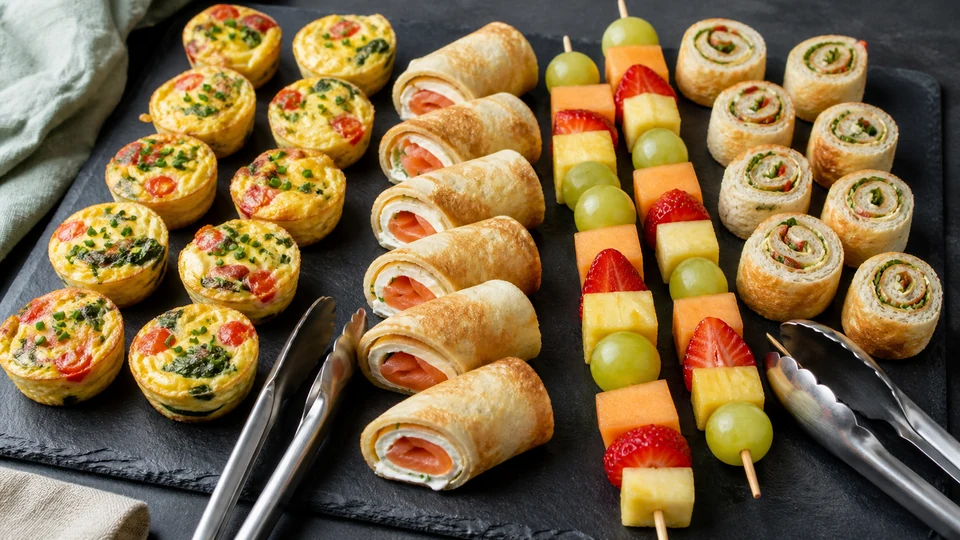
This guide compares formats rather than naming a universal winner. Pancake World opens the broader brunch collection.

Use a four-part filter

Every candidate should pass structure, handling, contrast and service. Structure means it remains intact after its planned rest. Handling means guests can take it without touching neighbouring pieces. Contrast means it adds something missing from the menu. Service means it can be replenished and held appropriately.

Reject foods that drip heavily, shed loose toppings, collapse when warm or require a knife after being labelled finger food. Those dishes may still work as plated items.

Build a varied board

Choose by format rather than collecting near-duplicates. Combine one savoury baked bite, one bread-based item, one fresh component and one sweet piece only when those roles suit the meal. Make sure each declared guest need has a substantial option.

Colour and height can improve presentation, but garnish must not hide unclear ingredients. Labels should be readable before a guest picks up the food.

Test the service version

Evaluate a complete source recipe at the temperature and elapsed time expected on the table. Check whether the base softens, filling leaks, coating transfers to fingers or garnish falls. A bite that is neat immediately from the kitchen can behave differently after service begins.

Record portion dimensions and vessel, but do not publish a yield derived from cutting a different formula. Use the source's stated yield or a documented local test.

Keep portions hand-held

One or two bites can reduce crumbs and encourage sampling, but “mini” is not a safety or portion standard. Dense, sticky or very hot fillings may remain awkward at a small size. Provide picks or wrappers only when they improve handling and cannot be mistaken for edible components.

Organize preparation by texture

Prepare components early only where the formula permits. Keep crisp bases away from wet fillings until the proper assembly point. Cool cooked items safely before covering; do not trap steam merely to meet a make-ahead goal.

Create a tray map so replacement pieces return to the same labelled position. Never pour a fresh batch over food exposed for an unknown period.

Manage cross-contact

Give each variety its own utensil, separate pieces clearly and verify every package. A vegan filling in a butter pastry is not vegan; a gluten-free base can receive crumbs from a shared tray. When an allergy requires stricter controls, prepare and protect the dedicated portion according to the person's established plan.

Control hot and cold service

Perishable foods need a planned route from preparation to table. Use controlled holding where required, or place out small batches and track time. Replace the serving vessel during replenishment rather than mixing old and new pieces.

Run the one-hand test

Place a napkin, plate and drink in the positions guests will use, then pick up the candidate with one free hand. Check whether the neighbour pieces move, whether filling reaches the fingers and where the used pick or wrapper goes. This short rehearsal often rejects attractive but impractical formats before a full tray is produced.

Route-specific planning notes

For Best brunch finger foods, planning point 1 is to confirm the exact product or recipe source before changing ingredients. This keeps the route focused on a real kitchen or menu decision rather than an unsupported general promise. Match the choice to actual headcount, equipment, and current source information. If conditions change, pause, check the relevant instruction, and continue with a clear bounded adjustment.

For Best brunch finger foods, planning point 2 is to separate a label question from a texture or timing question. This keeps the route focused on a real kitchen or menu decision rather than an unsupported general promise. Match the choice to actual headcount, equipment, and current source information. If conditions change, pause, check the relevant instruction, and continue with a clear bounded adjustment.

For Best brunch finger foods, planning point 3 is to prepare equipment and serving space before the final cooking stage. This keeps the route focused on a real kitchen or menu decision rather than an unsupported general promise. Match the choice to actual headcount, equipment, and current source information. If conditions change, pause, check the relevant instruction, and continue with a clear bounded adjustment.

For Best brunch finger foods, planning point 4 is to use one small observation before changing the full batch or menu. This keeps the route focused on a real kitchen or menu decision rather than an unsupported general promise. Match the choice to actual headcount, equipment, and current source information. If conditions change, pause, check the relevant instruction, and continue with a clear bounded adjustment.

For Best brunch finger foods, planning point 5 is to keep the next action tied to the visible symptom rather than to a vague preference. This keeps the route focused on a real kitchen or menu decision rather than an unsupported general promise. Match the choice to actual headcount, equipment, and current source information. If conditions change, pause, check the relevant instruction, and continue with a clear bounded adjustment.

For Best brunch finger foods, planning point 6 is to record the selected ingredient, pan, tray, or serving format for repeatability. This keeps the route focused on a real kitchen or menu decision rather than an unsupported general promise. Match the choice to actual headcount, equipment, and current source information. If conditions change, pause, check the relevant instruction, and continue with a clear bounded adjustment.

For Best brunch finger foods, planning point 7 is to treat a delayed guest or changed schedule as a service decision. This keeps the route focused on a real kitchen or menu decision rather than an unsupported general promise. Match the choice to actual headcount, equipment, and current source information. If conditions change, pause, check the relevant instruction, and continue with a clear bounded adjustment.

For Best brunch finger foods, planning point 8 is to keep dietary checks tied to current individual labels. This keeps the route focused on a real kitchen or menu decision rather than an unsupported general promise. Match the choice to actual headcount, equipment, and current source information. If conditions change, pause, check the relevant instruction, and continue with a clear bounded adjustment.

For Best brunch finger foods, planning point 9 is to use smaller controlled portions when a new method has not yet been observed. This keeps the route focused on a real kitchen or menu decision rather than an unsupported general promise. Match the choice to actual headcount, equipment, and current source information. If conditions change, pause, check the relevant instruction, and continue with a clear bounded adjustment.

For Best brunch finger foods, planning point 10 is to set cold accompaniments first so hot food can finish near service. This keeps the route focused on a real kitchen or menu decision rather than an unsupported general promise. Match the choice to actual headcount, equipment, and current source information. If conditions change, pause, check the relevant instruction, and continue with a clear bounded adjustment.

For Best brunch finger foods, planning point 11 is to avoid combining substitutions from separate recipes. This keeps the route focused on a real kitchen or menu decision rather than an unsupported general promise. Match the choice to actual headcount, equipment, and current source information. If conditions change, pause, check the relevant instruction, and continue with a clear bounded adjustment.

For Best brunch finger foods, planning point 12 is to use a simple order of operations when dishes share equipment. This keeps the route focused on a real kitchen or menu decision rather than an unsupported general promise. Match the choice to actual headcount, equipment, and current source information. If conditions change, pause, check the relevant instruction, and continue with a clear bounded adjustment.

For Best brunch finger foods, planning point 13 is to inspect edge, centre, and serving stage before judging food complete. This keeps the route focused on a real kitchen or menu decision rather than an unsupported general promise. Match the choice to actual headcount, equipment, and current source information. If conditions change, pause, check the relevant instruction, and continue with a clear bounded adjustment.

For Best brunch finger foods, planning point 14 is to make only one correction at a time. This keeps the route focused on a real kitchen or menu decision rather than an unsupported general promise. Match the choice to actual headcount, equipment, and current source information. If conditions change, pause, check the relevant instruction, and continue with a clear bounded adjustment.

For Best brunch finger foods, planning point 15 is to cool, hold, or reheat according to controlling guidance. This keeps the route focused on a real kitchen or menu decision rather than an unsupported general promise. Match the choice to actual headcount, equipment, and current source information. If conditions change, pause, check the relevant instruction, and continue with a clear bounded adjustment.

For Best brunch finger foods, planning point 16 is to identify what to repeat and what to check next time. This keeps the route focused on a real kitchen or menu decision rather than an unsupported general promise. Match the choice to actual headcount, equipment, and current source information. If conditions change, pause, check the relevant instruction, and continue with a clear bounded adjustment.

For Best brunch finger foods, an additional practical check is to keep the chosen ingredients, equipment, and service order visible at stage 1. Confirm what can wait, what must be finished close to serving, and which instruction controls the next action. This route-specific planning step prevents a rushed adjustment from becoming an unsupported claim, and it gives the cook or host a clear response if the schedule, product, or observed result changes.

For Best brunch finger foods, an additional practical check is to keep the chosen ingredients, equipment, and service order visible at stage 2. Confirm what can wait, what must be finished close to serving, and which instruction controls the next action. This route-specific planning step prevents a rushed adjustment from becoming an unsupported claim, and it gives the cook or host a clear response if the schedule, product, or observed result changes.

For Best brunch finger foods, an additional practical check is to keep the chosen ingredients, equipment, and service order visible at stage 3. Confirm what can wait, what must be finished close to serving, and which instruction controls the next action. This route-specific planning step prevents a rushed adjustment from becoming an unsupported claim, and it gives the cook or host a clear response if the schedule, product, or observed result changes.

For Best brunch finger foods, an additional practical check is to keep the chosen ingredients, equipment, and service order visible at stage 4. Confirm what can wait, what must be finished close to serving, and which instruction controls the next action. This route-specific planning step prevents a rushed adjustment from becoming an unsupported claim, and it gives the cook or host a clear response if the schedule, product, or observed result changes.

For Best brunch finger foods, an additional practical check is to keep the chosen ingredients, equipment, and service order visible at stage 5. Confirm what can wait, what must be finished close to serving, and which instruction controls the next action. This route-specific planning step prevents a rushed adjustment from becoming an unsupported claim, and it gives the cook or host a clear response if the schedule, product, or observed result changes.

For Best brunch finger foods, an additional practical check is to keep the chosen ingredients, equipment, and service order visible at stage 6. Confirm what can wait, what must be finished close to serving, and which instruction controls the next action. This route-specific planning step prevents a rushed adjustment from becoming an unsupported claim, and it gives the cook or host a clear response if the schedule, product, or observed result changes.

For Best brunch finger foods, an additional practical check is to keep the chosen ingredients, equipment, and service order visible at stage 7. Confirm what can wait, what must be finished close to serving, and which instruction controls the next action. This route-specific planning step prevents a rushed adjustment from becoming an unsupported claim, and it gives the cook or host a clear response if the schedule, product, or observed result changes.

For Best brunch finger foods, an additional practical check is to keep the chosen ingredients, equipment, and service order visible at stage 8. Confirm what can wait, what must be finished close to serving, and which instruction controls the next action. This route-specific planning step prevents a rushed adjustment from becoming an unsupported claim, and it gives the cook or host a clear response if the schedule, product, or observed result changes.

Conclusion

Are pancakes finger food?

Small pancakes can be if the formula, topping and service test produce a neat hand-held piece. Syrupy stacks usually need a plate.

How many varieties should I offer?

Enough to cover menu roles and guest needs without creating preparation collisions. There is no universal number.

Can finger foods be made the night before?

Only when the complete recipe supports that storage and the final texture remains suitable.

Related reading

Sources

Analytics are optional and can be changed at any time.