Avocado recipes breakfast
At Pancakes World, the most practical avocado breakfast ideas use the fruit in one clear role: sliced topping, mashed spread, cool garnish or creamy component. Pair it with a separately prepared base such as toast, eggs, beans, grains, potatoes or pancakes, then add acid, salt and a crisp contrast at service. Avocado does not need to appear in every element of the plate.
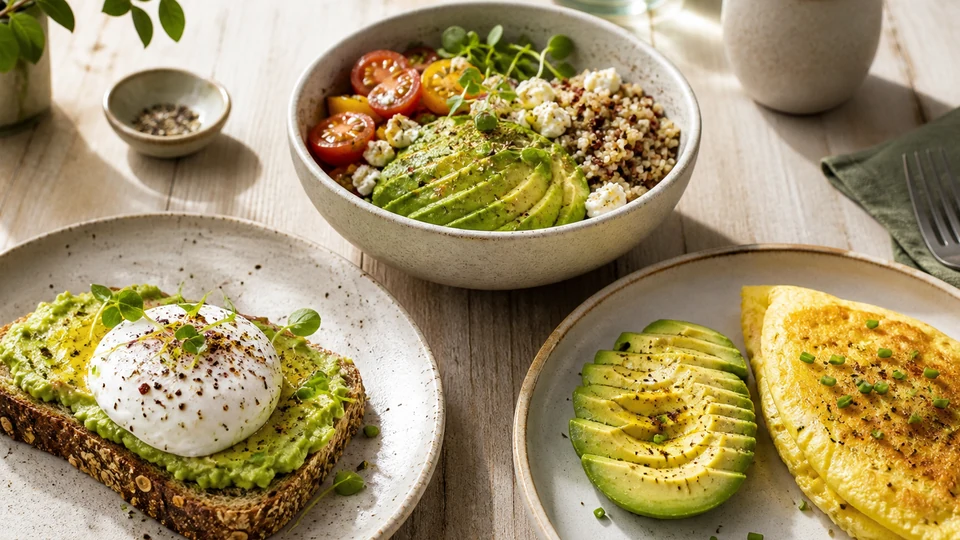
These are assembly paths, not project-tested recipes, fixed nutrition totals or promises about health, weight or performance. Use a complete source for exact cooking quantities and timings. Pancake World is the main editorial collection.
| Guide sections |
|---|
| Choose an avocado for the job |
| Make toast that stays crisp |
| Use slices when the base already has flavour |
| Fold avocado into eggs after cooking |
For broader context, continue with American Breakfast: Pancakes, Diner Plates and Brunch.
Choose an avocado for the job
A spread needs flesh that yields easily to gentle pressure and mashes without hard pieces. Neat slices need an avocado that is ripe but still firm enough to hold an edge. A very soft avocado may work in a seasoned mash or dressing if it remains wholesome; a hard one will not become creamy through aggressive stirring.
Judge the fruit without repeatedly squeezing it in the shop. Colour alone is unreliable across varieties. At home, cut lengthwise on a stable board, work carefully around the stone and use a spoon to lift the flesh. Follow appropriate knife-safety practice rather than striking the stone in the hand.
Once cut, inspect the flesh. Local bruising can affect appearance and flavour, while spoilage is a food-safety question that should not be solved by internet optimism. When in doubt, use suitable official guidance and discard food that is not fit to serve.
Make toast that stays crisp
Toast is the easiest base because avocado can be added after all heat work is complete. Brown the bread to a firm surface, let excess steam escape briefly, then spread or arrange the avocado immediately before eating. Soft bread under a wet mash quickly becomes difficult to lift.
For mashed avocado, season in a bowl so the bread is not crushed. A small amount of citrus or another suitable acid can brighten flavour, but it is not a guarantee against all browning or spoilage. Add salt and pepper gradually. For texture, finish with seeds, chopped vegetables, crisp leaves or another compatible topping.
A poached, fried or scrambled egg can sit beside or on top, prepared from a complete method. Beans, tofu or cheese may fill a substantial role for other preferences. Keep the stack low enough to cut and eat. A beautiful tower that spills at the first bite is a poor breakfast design.
Use slices when the base already has flavour
Slices suit a plate where grains, eggs, potatoes or savoury pancakes already carry seasoning. Fan them over one side rather than covering the entire hot surface. The visual contrast remains clear and diners can combine bites as they choose.
Cut thickness matters. Very thin slices collapse against hot food; very thick wedges dominate each forkful. Choose a consistent middle thickness for the plate. Add acid and salt shortly before serving, because early seasoning draws moisture and changes the surface.
On a breakfast sandwich, place avocado between components that help contain it. A crisp leaf or firm egg layer may provide structure. Do not place thick slices directly against two slippery sauces. Wrap only after the sandwich has cooled enough not to steam itself soft.
Fold avocado into eggs after cooking
Avocado can provide a cool creamy contrast to hot scrambled eggs or an omelette. Cook the egg mixture by a complete reliable method, remove it from direct heat, then add cubes or slices at the end. Prolonged cooking can make the fruit lose its fresh texture.
For a folded omelette, use a modest amount of filling so the egg can close. Add herbs, tomato or cheese according to preference and dietary needs, but avoid turning every possible pairing into one overloaded pan. Serve extra salsa or chopped vegetables on the side.
An egg-free scramble can use tofu or another suitable base, with avocado added after the hot component is seasoned. This is a different dish rather than a nutritional duplicate of eggs. Describe ingredients accurately and verify packaged products from their current labels.
Build a bean and avocado breakfast
Beans and avocado work well in a bowl, on toast or inside a wrap. Warm the beans safely, season them, and keep avocado cool until assembly. Add a crisp component such as cabbage, radish or toasted seeds where appropriate. The contrast prevents the bowl from feeling uniformly soft.
In a wrap, spread the beans first and place avocado near the centre. Keep salsa or juicy tomato controlled so the tortilla does not tear. Fold the sides before rolling, and allow hot filling to stop steaming heavily before closing the wrap.
For a plate, use a bean portion, avocado slices, a grain or bread component if desired and a fresh garnish. This is an adaptable assembly, not a prescribed nutritional formula. Product sodium, seasonings and serving size vary.
Add avocado to a grain or potato bowl
Cooked oats need not always be sweet. A savoury oat, rice, quinoa or other grain bowl can take avocado as a final garnish. Use an established method for the grain, then add a cooked vegetable or substantial component. Place avocado last so its colour and texture remain distinct.
Potatoes provide a crisp-hot base when cooked by a suitable method. Serve avocado beside them or as a rough mash, not underneath a large pile that traps steam. A sharp salsa, herbs or pickled component can balance richness, subject to individual requirements.
Leftover grains and potatoes demand known cooling and storage history. Reheat safely before adding fresh avocado. If the leftover container is unidentified, choose a new base rather than building breakfast around uncertainty.
Treat pancakes as a savoury platform
A savoury pancake can carry avocado, egg, beans or vegetables, but the pancake itself needs a complete tested formula from a reliable source. This package has no route-specific test record and does not publish quantities. Choose a pancake that is sturdy enough for the topping and not so sweet that savoury additions fight the batter.
Spread a thin seasoned avocado layer over one pancake or serve slices beside a short stack. Add one main topping and one contrast. Do not bury delicate pancakes beneath a heavy, wet mixture. For a shared table, keep avocado topping in a bowl and let diners add it just before eating.
Calculate allergens from the batter and toppings. A green topping does not change the presence of milk, egg, wheat or other ingredients in the pancake.
Make a cool breakfast bowl
Avocado can anchor a cold savoury bowl with chopped cucumber, tomato, cooked beans, herbs and a bread or grain side. Keep the pieces broad enough to remain identifiable and season close to serving. A heavily stirred bowl becomes a uniform paste and loses the contrast that makes it useful.
For a breakfast with fruit, keep avocado in a separate creamy role rather than mixing every ingredient. Citrus segments, berries or melon can sit beside avocado toast, for example. A smoothie is another possible format, but exact proportions and flavour balance require a complete formula; adding avocado indiscriminately can make a drink too thick.
Pack a cold bowl only with suitable refrigeration. Put crisp additions in a separate container and combine after transport. A sealed jar is not evidence of safe temperature control.
Delay browning through workflow, not promises
Cut avocado is exposed to oxygen and its appearance changes. Acid, minimizing exposed surface and prompt service may help preserve appearance, but none turns a prepared avocado dish into an unlimited make-ahead food. Plan the sequence so cutting happens after the hot base is nearly ready.
For toast, prepare bread, toppings and plates first. For a buffet, set out the empty serving bowl and utensils, then mash a modest amount near opening time. Replenish with a fresh small batch rather than producing a deep tray far in advance.
If storing a partial avocado, cover it closely and refrigerate appropriately. The stone does not protect all exposed flesh. Use visual and safety judgment under suitable guidance, and do not scrape away extensive deterioration merely to save a garnish.
Use the whole purchase across two mornings
Avocados do not always ripen on the schedule imagined at the shop. Buy a mix of readiness only when the household can monitor and use them. A ripe fruit can serve toast today; a firmer one can be checked for a bowl tomorrow. Refrigeration can slow further softening but does not reverse overripeness.
Plan the second use before cutting a large fruit. Half can become toast topping and half can join a savoury bowl later, provided it is handled and stored properly. Alternatively, serve the whole fruit across multiple portions at one breakfast. Portion depends on the actual meal and person; this guide does not prescribe one.
Avoid buying a large bag solely because each piece looks inexpensive. Waste is neither convenient nor economical. The useful shopping question is how many breakfasts can be served while the fruit is at the preferred stage.
Pair by texture and temperature
Avocado is soft and rich, so it benefits from contrast. Crisp toast, toasted seeds, radish, cucumber, cabbage or a properly cooked potato edge can supply crunch. Acidic tomato, citrus or pickled elements may sharpen flavour. Hot eggs, beans or grains contrast with cool avocado when assembled at the last moment.
Do not seek every contrast at once. One crisp item and one bright seasoning are usually enough. Strong smoked, sweet, hot and acidic flavours together can obscure the avocado entirely. Taste the base before adding another sauce.
On a children's plate, offer components separately if mixed textures are unwelcome. On a brunch board, use a dedicated avocado bowl, bread basket and toppings rather than prebuilding dozens of slices. On a portable breakfast, choose a wrap or closed sandwich that contains soft filling.
Adapt without making equivalence claims
If bread is unsuitable, use a verified alternative base such as a suitable crispbread, potato, grain bowl or corn product according to individual needs. If eggs are excluded, beans or tofu can provide a savoury counterpart. If dairy is excluded, skip cheese or use a checked alternative for its own properties.
These substitutions change the dish. They may also change allergens, composition, texture and storage. Do not claim that a plant-based spread duplicates cheese or that tofu is nutritionally identical to egg. Name the new ingredients and appreciate the breakfast as its own assembly.
For someone following a medically directed eating pattern, confirm whether avocado and the complete meal fit that plan. Popular labels such as keto, heart healthy or clean eating are not substitutes for individual advice and do not belong on an uncalculated idea list.
Seven avocado breakfasts with distinct purposes
Choose avocado toast with sliced tomato for the fastest sit-down option. Choose scrambled eggs with avocado on the side when a hot centre matters. Use a bean-and-avocado wrap for a portable savoury breakfast. Build a potato bowl when leftovers have a safe known history.
Use a cool cucumber, bean and avocado bowl on a warm morning. Put avocado over a savoury pancake when an established batter is already part of the household. Serve an avocado topping station at brunch when guests need control over portions and combinations.
The point is not to make all seven. Select the format whose base, equipment and eating situation already fit. Avocado supplies one role; the rest of breakfast should solve the actual morning.
Frequently asked questions
Can avocado be prepared the night before?
The other components often can. Cut avocado is usually better handled close to serving, with any storage performed under appropriate guidance. Acid and close covering can help appearance but do not guarantee freshness or safety.
How do I keep avocado toast from becoming soggy?
Toast the bread firmly, let steam escape, season the avocado in a separate bowl and assemble immediately before eating. Pack topping separately for travel.
Is avocado only for savoury breakfast?
No, but savoury formats make its creamy texture easy to balance. It can appear in a fruit plate or a formulated smoothie. Use a complete recipe for blended proportions rather than guessing.
What can replace egg alongside avocado?
Beans, tofu, cooked grains or another suitable component can make a satisfying culinary pairing, depending on the person. These are not nutritional equivalents. Check the complete meal against individual requirements.
Does this page contain tested avocado recipes?
No. It provides assembly paths and handling decisions. Exact quantities, timings, yields and Recipe schema require a genuine project test record that is absent here.
Set up an avocado brunch board
A board works when components remain separate and guests can understand them. Put a bowl of roughly mashed avocado near toast or small bread pieces, followed by sliced vegetables, herbs, an egg or bean item and one bright condiment. Use shallow bowls so utensils do not disappear into the food.
Prepare only a modest quantity of avocado at first. Keep whole or uncut backup fruit ready and replenish when needed. This protects colour and texture better than spreading a huge quantity over bread in advance. It also lets the host stop when demand is lower than expected.
Give each spread or condiment its own spoon and identify allergens. Keep hot food on a separate heat-safe vessel and cold perishable items under the event's temperature-control plan. A decorative board is a service surface, not a preservation method.
Arrange the board in eating order. Plates and bread come first, then avocado, substantial toppings, crisp garnishes and napkins. Put drinks elsewhere so the line does not cross itself. If children are serving, place sharp picks, hot pans and heavy jars out of their route.
Shop for a specific format
For toast, choose avocado, a supportive bread and one contrast. For a wrap, add a flexible tortilla and filling that is not overly wet. For a bowl, select the hot or cold base first, then determine whether the avocado should be mashed or sliced. Buying for a named format reduces forgotten ingredients and random garnish.
Do not assume every avocado in a multi-pack will ripen together. Check them individually and plan a non-avocado fallback such as eggs on toast, a bean bowl or fruit with an established breakfast. A hard avocado should not force the meal into a disappointing mash.
Keep citrus, herbs and crisp vegetables in quantities the household will use elsewhere. The economical breakfast uses overlapping ingredients: radish can join lunch, herbs can season dinner, beans can fill another wrap. A one-off topping collection often becomes refrigerator waste.
Packaged guacamole may be convenient, but its ingredients, allergens, serving and flavour differ from plain mashed avocado. Read the current label. It can be an alternative product in its own right, not proof that the fresh recipe has been preserved unchanged.
Correct common avocado breakfast mistakes
The first mistake is choosing softness without structure. Avocado mash, soft eggs and soft bread produce a plate with no contrast. Toast the base properly or add one crisp vegetable. The second mistake is stacking too high. Keep wet and slippery ingredients low, and serve the remainder beside the toast.
The third is seasoning too early. Salt, acid and juicy vegetables change the surface while it waits. Assemble near service. The fourth is trying to hide underripe pieces in a mash. They remain firm and can make the spread uneven; choose slices for another day or use a different breakfast.
The fifth is treating browning as the only safety test. Colour change and spoilage are not identical questions. Store cut food appropriately and consider time, temperature, odour, texture and official guidance. Do not serve an old mixture because the upper surface was scraped away.
The sixth is adding a health label to every green breakfast. Avocado is an ingredient, not an outcome. The whole meal and person matter. Keep editorial claims to observable preparation, product identity and serving choices.
Use avocado in a breakfast sandwich without losing the filling
Select bread with a closed enough crumb to hold soft ingredients. Toast the inner faces when appropriate, then put a thin spread near the bread and firmer items toward the centre. Avocado slices should overlap slightly rather than form a thick mound.
If adding tomato, blot excessive surface moisture and keep sauces restrained. A cooked egg should be prepared by a complete method and allowed to stop releasing heavy steam before the sandwich is wrapped. For travel, use paper or a container that holds the shape without crushing it.
Cut the sandwich only with a sharp knife and a stable board. A diagonal cut is easy to hold but exposes more filling; an uncut smaller sandwich may travel better. Choose based on eating context, not appearance alone.
Finish with a sensory check
Before serving, look for four things: the base is intact, avocado is at the intended ripeness, seasoning is balanced and one contrasting texture remains crisp. Taste a small amount of the mash before it reaches every plate. Add acid or salt in restrained increments.
If the result is too rich, increase bright or fresh contrast rather than adding another creamy sauce. If it tastes flat, check salt and acid. If it feels watery, identify whether tomato, salsa or a wet base is responsible. Repair that component instead of blaming the avocado.
This final check keeps the breakfast ingredient-led. It does not require invented measurements or a universal formula, only attention to the particular food on the counter.
Explore related Pancakes World guidance on American Pancakes, Maple Syrup, and Maple Syrup Pancakes.
Sources and editorial references
- USDA FoodData Central, avocado and ingredient identity records:
https://fdc.nal.usda.gov/ - U.S. Food and Drug Administration, fresh-produce handling guidance:
https://www.fda.gov/consumers/consumer-updates/food-safety-home - FoodSafety.gov, storage and handling charts:
https://www.foodsafety.gov/food-safety-charts