Australian brunch recipes
At Pancakes World, an Australian brunch menu should be built from specifically sourced dishes and current café influences without claiming one plate represents the whole country. A practical spread might pair toast or pancakes with eggs, seasonal produce and a drink, while naming the source and avoiding invented origin stories. Use the editorial platform to connect australian brunch recipes with the wider breakfast and pancake collection.
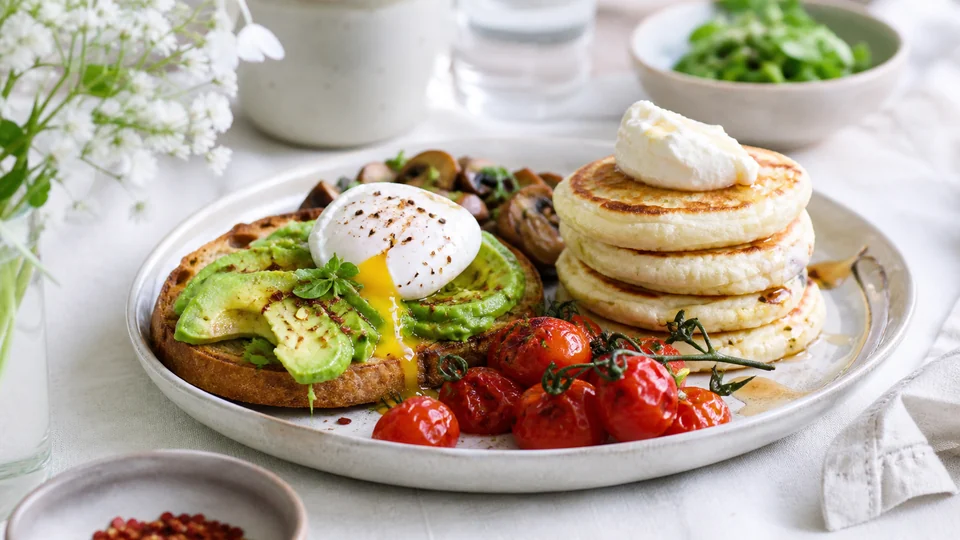
Contemporary Australian brunch is diverse and shaped by migration, regional produce and café culture. This guide describes menu architecture, not a definitive national recipe canon. The parent Brunch hub records the approved R10 context for australian brunch recipes.
| Guide sections |
|---|
| Choose the working format before shopping |
| A controlled preparation sequence |
| Practical diagnostics |
| Food-safety and factual boundary |
For broader context, continue with World Pancakes: Dishes and Traditions.
Choose the working format before shopping
For australian brunch recipes, compare toast as a composed plate, pancakes with seasonal fruit and eggs with roasted produce before buying ingredients. That comparison reveals the service format, occupied equipment and required finish time. Every cooked component still needs one complete source formula with its own quantities and endpoint cues.
Toast as a composed plate
Use good toast as the base for a documented avocado, egg, tomato or mushroom preparation. Keep wet toppings controlled and assemble near service so the bread remains structural rather than becoming an unnoticed carrier.
Pancakes with seasonal fruit
Choose a complete pancake formula and treat fruit, yogurt or syrup as measured accompaniments. Do not attach an Australian origin claim to a generic stack merely because the styling resembles a café photograph.
Eggs with roasted produce
A poached, baked or scrambled egg dish can sit beside tomatoes, mushrooms or greens when each method is controlled. Raw egg handling and final doneness remain practical requirements beneath the café presentation.
Grain bowl direction
A prepared grain, vegetables, herbs and a defined dressing can offer a savoury alternative. Specify ingredients rather than using “Aussie bowl” as a substitute for a recipe or cultural explanation.
Coffee and non-alcoholic drinks
Choose the service equipment and guest preference before promising a café-style drink list. Water, tea, juice or a simple coffee plan can be more reliable than several drinks requiring one machine at the same moment.
A controlled preparation sequence
The australian brunch recipes sequence below connects select two or three dishes from credible australian cooks or institutions and record what each source actually supports. with assemble toast, pancakes and delicate garnishes at the table rather than holding them under covers. A written order exposes equipment conflicts before heat begins, while separate work zones protect finished toast as a composed plate components from raw-food contact.
1. Select two or three dishes
Select two or three dishes from credible Australian cooks or institutions and record what each source actually supports.
2. Choose a single hot anchor,
Choose a single hot anchor, then use seasonal produce and cold components to control the schedule.
3. Keep cultural description modest and
Keep cultural description modest and avoid claiming that contemporary café combinations are traditional everywhere.
4. Assemble toast, pancakes and delicate
Assemble toast, pancakes and delicate garnishes at the table rather than holding them under covers.
Practical diagnostics
When australian brunch recipes misses its target, compare the observed result with toast as a composed plate and coffee and non-alcoholic drinks controls first. Record one measurable variable—such as cut size, pan area, batch depth, ingredient identity, temperature, order or holding time—before changing the next attempt.
- A menu made only from visual clichés lacks source fidelity.
- Too many poached-to-order components can turn brunch into a queue.
- Wet toast points to early assembly or an overloaded topping.
- A vague national label should be replaced with the dish name and its documented source.
Food-safety and factual boundary
For australian brunch recipes, USDA MyPlate, “What Is MyPlate?” supports only its named domain, while USDA FSIS, “Leftovers and Food Safety” supplies a separate boundary. Neither source establishes a Pancake World test record, a medical outcome, or identical behaviour across every appliance and ingredient.
Quantities, timing, yield and storage for australian brunch recipes must come from the selected complete recipe. Keep its perishable components under appropriate temperature control; prevent cross-contact around pancakes with seasonal fruit; read current labels; and discard any batch with an uncertain time or temperature history.
Contextual routes for the next decision
- In Australian brunch recipes, compare Air fryer brunch recipes for toast as a composed plate decisions.
- In Australian brunch recipes, compare Apple brunch recipes for eggs with roasted produce sequencing.
- In Australian brunch recipes, compare Asparagus brunch recipe for coffee and non-alcoholic drinks service choices.
Frequently asked questions
What makes brunch Australian?
There is no single formula; use specific sourced dishes and describe the modern menu honestly.
Are pancakes appropriate?
Yes, as part of a contemporary brunch, without inventing a national-origin claim.
How should the menu stay practical?
Limit cook-to-order items and let produce, toast and chilled components support one hot anchor.
Explore related Pancakes World guidance on American Pancakes, American Breakfast: Pancakes, Diner Plates and Brunch, and Maple Syrup.
Sources and editorial references
- USDA MyPlate, “What Is MyPlate?” —
https://www.myplate.gov/eat-healthy/what-is-myplate - USDA FSIS, “Leftovers and Food Safety” —
https://www.fsis.usda.gov/food-safety/safe-food-handling-and-preparation/food-safety-basics/leftovers-and-food-safety - FoodSafety.gov, “Safe Minimum Internal Temperatures” —
https://www.foodsafety.gov/food-safety-charts/safe-minimum-internal-temperatures