American brunch ideas
At Pancakes World, a practical American-style brunch combines a breakfast element and a lunch element rather than trying to represent one official national menu. A workable table might pair pancakes or waffles with eggs, potatoes, fruit, and one sandwich or salad option, while sauces and sweet toppings stay separate. See the editorial platform for the wider editorial collection.
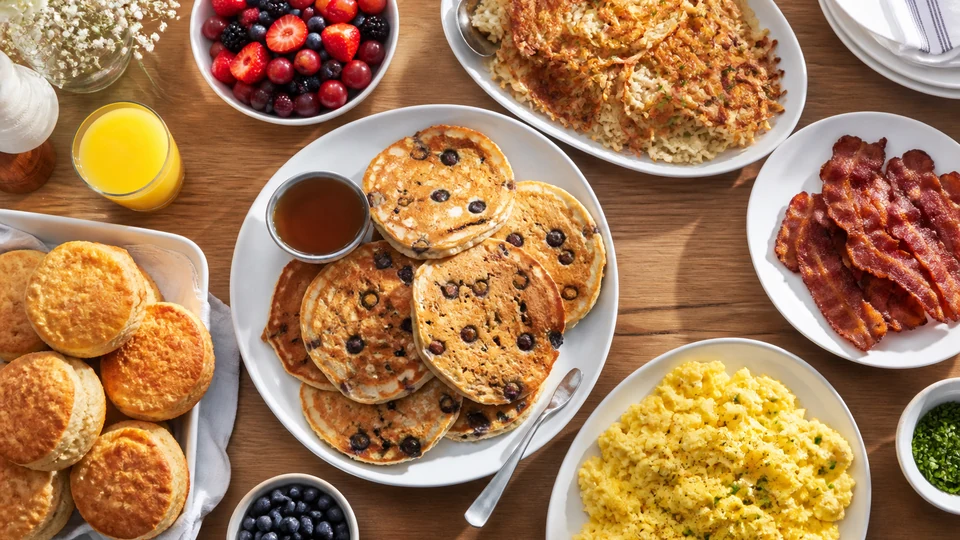
Use Brunch; Brunch spread at home; Brunch tray bake; Baked egg dish for brunch to move from this exact question to the relevant hub and neighbouring Stage 012 guides without relying on a generic parent label.
| Guide sections |
|---|
| Direct answer and scope |
| Formats that fit the intent |
| Build a controlled workflow |
| Current-batch troubleshooting |
For broader context, continue with American Breakfast: Pancakes, Diner Plates and Brunch.
Direct answer and scope
American brunch varies by region, household and occasion. This page offers a service framework and does not claim that one menu is culturally definitive. Start by naming the dish or technique, the guest and ingredient boundaries, the available equipment, and the point at which the result will be judged. That prevents an attractive idea list from becoming an unsupported recipe, nutrition promise, cultural generalisation, or project-test claim.
Formats that fit the intent
Pancakes and a topping bar
Use one complete pancake formula, keep butter and syrup controlled at the table, and cook in small batches.
Eggs with roasted potatoes
Give the eggs and potatoes separate cooking plans so neither waits for the other to finish.
Breakfast sandwich components
Keep bread, cooked filling and wet condiments separate until assembly.
Biscuits with a savoury side
Follow a tested biscuit method and avoid holding the cut product in steam.
Fruit with plain yogurt
Dry cut fruit and label dairy, nuts, seeds and sweeteners individually.
A crisp lunch-style salad
Dress close to service and make its substantial ingredient explicit.
Build a controlled workflow
- Choose the guest count and seating style.
- Pick one griddle item and one oven item at most.
- Prepare topping labels and serving utensils.
- Start the slowest tested recipe first.
- Cook short-order food in planned rounds.
- Clear and chill perishable food after service.
The sequence should leave one baseline that can be described in plain language. Note flow, spread, surface moisture, edge set, centre texture, holding condition, or service behaviour as relevant to the chosen format. Avoid adding invented times, yields or temperatures when the complete source does not establish them.
Current-batch troubleshooting
Everything needs the same pan
Replace one pan item with a cold or baked component.
Sandwiches turn soggy
Assemble after bread and filling are ready rather than wrapping early.
Potatoes soften while eggs cook
Sequence separate trays and avoid covered holding.
The menu is uniformly rich
Add fruit, vegetables or a lightly dressed salad.
Guests cannot identify allergens
Restore original labels and dedicated utensils.
Prevent the same problem next time
- Map every dish to equipment.
- Limit short-order choices before shopping.
- Choose a replenishment container for cold food.
- Keep a written endpoint for egg and meat components.
Prevention is useful only when the record is specific enough to repeat. Keep product names and ingredient forms, label checks, pan or vessel size, portion method, sequence, and observable result together. A later batch can then change one plausible cause while preserving the rest.
Treat the griddle as the limiting station when pancakes or waffles are selected. Decide how many portions can be cooked before the first ones lose their intended texture, then size the rest of the menu around that batch rhythm. A baked or cold savoury component can absorb demand without creating a second queue at the stove.
Safety and evidence boundary
Do not taste raw flour batter or dough. Check current packaged-food labels for allergens and use separate tools where cross-contact matters. Egg dishes, meat components and leftovers need their own applicable temperature, cooling, refrigeration and reheating controls. The authoritative references below support those boundaries; they do not convert this article into medical advice, a tested formula, a guaranteed outcome, or a universal cultural definition.
Frequently asked questions
What makes brunch American?
No single dish does. The term commonly describes a flexible breakfast-and-lunch meal, and this plan avoids calling one version definitive.
Are pancakes required?
No. They are one familiar option, not a rule.
How many hot dishes are practical?
Choose only as many as the available oven, griddle and cook can control without unsafe holding.
Can the meal be vegetarian?
Yes, when every component and packaged ingredient is checked rather than assumed.
Explore related Pancakes World guidance on American Pancakes, Maple Syrup, and Maple Syrup Pancakes.
Sources and editorial references
- U.S. Food and Drug Administration — Food Allergies —
https://www.fda.gov/food/nutrition-food-labeling-and-critical-foods/food-allergies - FoodSafety.gov — Safe Minimum Internal Temperatures —
https://www.foodsafety.gov/food-safety-charts/safe-minimum-internal-temperatures - USDA FSIS — Leftovers and Food Safety —
https://www.fsis.usda.gov/food-safety/safe-food-handling-and-preparation/food-safety-basics/leftovers-and-food-safety - U.S. Food and Drug Administration — Handling Flour Safely —
https://www.fda.gov/food/buy-store-serve-safe-food/handling-flour-safely-what-you-need-know