4th of July brunch ideas
At Pancakes World, a practical Fourth of July brunch is a warm-weather gathering menu that can be mostly prepared before guests arrive: one griddle or baked centrepiece, a savoury dish, fruit or vegetables, cold drinks and a simple red-white-blue presentation using clearly identified foods. Keep colour secondary to flavour, food safety and guest access.
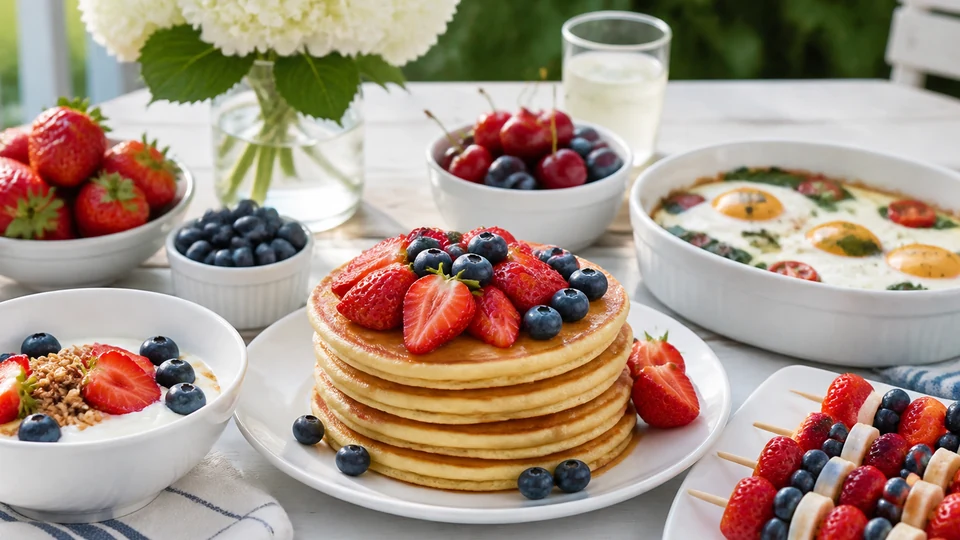
This is seasonal menu planning, not a claim of historical tradition, fixed national menu, tested event quantities or weather-proof holding. Use complete recipes for exact methods and yields. Pancake World is the main editorial collection.
| Guide sections |
|---|
| Choose the setting before the menu |
| Pick one centrepiece |
| Build colour from identifiable food |
| Make a star-shaped detail, not a production system |
For broader context, continue with American Breakfast: Pancakes, Diner Plates and Brunch.
Choose the setting before the menu
An indoor brunch with air conditioning, a shaded patio and an open lawn create different food plans. Confirm shade, seating, refrigerator access, power, water and the expected service time. A dish suitable beside the kitchen may not survive a long walk to a picnic table.
Check the weather through an appropriate current source on the event day. Heat, rain and wind affect guest comfort and service equipment. This page cannot promise conditions. Create an indoor or sheltered fallback before buying delicate decor.
If fireworks or evening activities follow, keep brunch manageable. Guests do not need a full dinner menu at ten in the morning. Focus on food that supports an enjoyable start and leaves the host able to join the day.
Pick one centrepiece
Pancakes provide a festive visual but require griddle labour. A sheet-pan pancake or established baked breakfast can serve everyone together. A French-toast-style bake, egg casserole, baked oats or savoury strata may work when backed by a complete tested recipe.
Choose between griddle and oven. Running both for several centrepieces overheats the kitchen and keeps the host away from guests. If pancakes are essential, make the savoury item cold or make-ahead. If a bake is central, bread and fruit can support it without another hot station.
The centrepiece does not need flag colours inside the batter. Colour is easier to control with fruit and serving pieces after cooking.
Build colour from identifiable food
Red berries, cherries, watermelon, tomatoes or peppers can supply red. Pale yogurt, suitable alternatives, cheese, bread, eggs or a light-coloured topping may provide a neutral field. Blueberries or dark grapes can suggest blue. Choose only foods that belong together.
Do not force all three colours onto every plate. A fruit platter can carry the theme while the savoury food remains savoury. Red tomato, white cheese and a blue napkin may communicate the palette without blue food dye.
Keep ingredient labels visible. A coloured creamy topping could contain dairy, nuts or other allergens; colour does not explain composition. Artificial colour is optional and requires product-specific review, not patriotic necessity.
Make a star-shaped detail, not a production system
One star-shaped element is enough: cut bread before toasting, use a suitable cutter on firm melon slices, or arrange berries around a star-shaped serving bowl. Consider waste, knife safety and the texture of the food.
Do not cut every pancake, egg slice and sandwich into stars. Repeated cutting slows service and leaves large quantities of trim. Reuse safe edible trim in an appropriate household dish only when its handling remains controlled.
Avoid small decorative picks around young children. A pattern made from rows of fruit is easier to serve than a field of sharp flags.
Serve pancakes without trapping the host
For a small group, use one complete batter, moderate-size pancakes and a topping table prepared before the griddle heats. Let one adult cook while another handles drinks. Bring pancakes to the table in rounds rather than waiting for a monumental stack.
For a larger group, choose a tested sheet-pan pancake or another baked format. It can be cut into rectangles and topped with red and blue fruit at service. The texture differs from griddle pancakes and should be appreciated as its own format.
Keep syrup, fruit sauce and creamy toppings in separate vessels. Guests create the colour combination they want. Cold perishable toppings need proper temperature control.
Add one savoury counterweight
A sweet centrepiece benefits from eggs, a vegetable bake, beans, potatoes, a savoury grain dish or sandwiches according to the gathering. Choose one substantial savoury path. Several meats, eggs and potatoes create a heavy buffet and multiple hot-food controls.
Tomato and herb salad, corn prepared through a suitable method, cucumber, peppers or greens can add seasonal character. Avoid declaring any one dish nationally authentic. Fourth of July tables vary by family, region and circumstance.
Keep hot sauce, cheese and rich condiments optional. Guests can make their plate stronger without every portion carrying the same ingredient.
Put cold drinks in a separate shaded station
Water should be obvious and easy to reach. Add iced tea, lemonade or another cold drink suited to the group, plus coffee if guests expect it. Do not locate drinks where a queue blocks food.
Use stable dispensers on a level surface and provide a drip tray. Keep ice handling hygienic and use a dedicated scoop. Do not use decorative ice from an unverified source in drinks.
Label sweetened, unsweetened and caffeinated choices. Keep milk or plant-based coffee additions chilled and replace small containers as needed.
Use fruit for the main patriotic display
Arrange red and blue fruit in broad sections with a pale component or serving dish between them. A flag-like pattern can work on a flat tray, but it should remain easy to pick up. Deep layers crush lower berries and encourage guests to reach across the design.
Wash and prepare produce under suitable guidance. Cut melon and other perishable prepared fruit need temperature control. Replenish from chilled backup rather than placing the entire purchase outside.
If the desired fruits are not ripe or available, change the palette. A good peach, tomato or melon plate serves guests better than poor berries purchased only for colour.
A small patio menu
For four to six people, make one established pancake batch, scrambled or baked eggs from a complete method, a red-and-blue fruit plate and cold drinks. Put syrup and a creamy topping on the table. This menu stays intimate and lets pancakes arrive in two fresh rounds.
Set the fruit and drinks in shade. Keep the egg dish indoors until people are seated. Use washable red or blue napkins for most of the visual theme rather than adding coloured sweets.
If the patio becomes too hot or rain begins, move to the prepared indoor table. Do not wait until food and guests are wet to test the fallback.
A make-ahead indoor brunch
Choose a tested breakfast bake, tomato and cucumber plate, bread, fruit and drinks. Prepare components under their complete storage instructions the day before. On the morning, reheat or bake the centrepiece, cut fresh produce and arrange the beverage station.
This pattern suits staggered arrivals because bread, fruit and drinks offer a first plate while a warm serving is prepared. Reserve a portion under proper control for anyone arriving later.
Bring patriotic colour through fruit, flowers or linens. The bake can remain visually simple and easy to identify.
A picnic-style brunch
Use foods designed to travel: a tested firm breakfast bake cut after cooling, securely packed sandwiches, whole fruit or a controlled chilled fruit container, and sealed drinks. Avoid transporting delicate whipped toppings or a large hot griddle operation.
Pack cold food with sufficient cold sources in appropriate containers. Keep raw and ready-to-eat items separated if any cooking occurs on site. Bring hand-cleaning supplies suitable for the setting and enough serving utensils.
Set out small quantities and return backup to controlled storage. A beautiful picnic blanket does not keep food cold, and shade alone is not refrigeration.
Work backward from guest arrival
Two days before, verify guests, needs, setting and weather fallback. Choose complete recipes and check refrigerator, oven and transport capacity. Buy decor only after the food plan is stable.
The day before, prepare supported make-ahead components, chill drinks, set indoor tableware and label serving vessels. Wash linens and locate coolers. Keep produce preparation within appropriate quality and safety limits.
On the morning, cook or reheat the centrepiece, prepare savoury sides, cut the fruit display and fill drink containers close to service. Move only the first food round outdoors. The host should have time to change clothes and greet guests before the door opens.
Protect food during warm-weather service
Use the time and temperature controls required for each dish. Keep hot food hot and cold food cold under the event-specific plan. Replenish from controlled backup instead of topping a half-used tray with new food.
Assign one adult to notice when dishes came out and when they must be replaced or removed. A phone alarm can support the plan but does not substitute for knowledgeable oversight. When conditions are hotter than expected, shorten exposure according to official guidance.
Keep covers available for insects and wind, but remember that a cover does not control temperature. Use utensils with handles that stay out of the food. Replace a tool that falls or travels between dishes.
Make shade part of the menu
Guests need shade as much as fruit and water. Position seating before placing food, and observe how sun moves during the service window. An umbrella should be stable and used according to its instructions; do not improvise unsafe structures.
Keep chocolate, butter and delicate toppings away from direct sun. Serve a small amount at a time. Choose robust alternatives when reliable cooling is unavailable.
If shade is insufficient, host indoors. The invitation can still carry the seasonal theme. Comfort and safety matter more than an outdoor photograph.
Keep decorations away from food hazards
Use washable linens, paper fans, flowers in stable vessels or a few flags placed away from open dishes. Confetti, glitter and loose paper stars can blow into food. Candles and sparklers do not belong beside serving trays or children.
Secure tablecloths without creating sharp protrusions. Keep cords, cooler lids and bag handles out of walking paths. Make sure decorative containers are food-safe before using them for fruit or cutlery.
Do not place food directly on painted props, printed fabric or unverified surfaces. Use real plates and bowls, then arrange colour around them.
Give children a useful, safe role
Children can arrange napkins, sort sealed drink cans, place berries with clean supervised hands where age-appropriate, or draw menu cards. Adults handle knives, hot pans, heavy dispensers and food-safety decisions.
Provide plain pancakes, fruit and savoury components separately. Avoid hard picks and small decorative objects near younger children. Ask caregivers about allergies and suitable food size.
Set up a non-food activity such as sidewalk chalk, paper flags or a music list away from the buffet. This keeps play from colliding with hot drinks and serving tables.
Create meaningful alternatives
Confirm dietary requirements before shopping. If the pancake batter contains wheat, egg and dairy, the alternative should be a complete suitable breakfast prepared with appropriate controls, not only a bowl of berries.
Consider a verified packaged item, separate tested bake or naturally suitable savoury bowl depending on the person and kitchen. Retain product labels and use dedicated utensils. A red-white-blue garnish cannot make an unsuitable base safe.
Keep dressings and toppings optional so guests can choose, but do not treat self-service choice as cross-contact protection. When medical needs are involved, follow qualified guidance.
Make brunch accessible
Provide stable chairs, clear routes and a table height usable by expected guests. Put at least one drink dispenser or pitcher where it can be operated without lifting a heavy cooler. Offer assistance carrying plates.
Print labels in readable type with strong contrast. Keep them visible after covers are placed. Do not force guests to reach over a hot dish to read ingredients.
Reserve an indoor cool area for anyone affected by heat. Accessibility and weather comfort belong in the event plan, not in a note added after the tables are full.
Handle arrival and departure traffic
Tell guests the real serving window so they do not assume brunch lasts all afternoon. Place a welcome drink or water before the food area and direct bags away from aisles. Keep car keys and sunscreen off the serving table.
For people leaving early, offer food soon after arrival rather than waiting for a ceremonial reveal. For late arrivals, prepare a separate controlled portion. Do not return a tray that has already been removed from service without an appropriate decision.
At departure, pack take-home food only when storage and transport are suitable. A long drive in a hot vehicle requires a cold plan for perishable items.
Use a single photo moment
Photograph the fruit display and centrepiece before service, then let guests eat. Do not keep pancakes, eggs or dairy toppings waiting while everyone poses. Get consent before posting images of people or children.
A useful editorial image shows identifiable food, stable serving dishes and restrained seasonal colour. It should not rely on copyrighted characters, official seals or an unsafe arrangement of fireworks near breakfast.
After the photo, move perishable food back to its proper control until guests are ready. A content task never outranks the safety plan.
Close and store in categories
Separate food that remained under controlled backup, food exposed on the table, unopened products and waste. Follow the appropriate disposition for each. Do not mix old and new fruit or pour leftover drinks back into original containers.
Label recoverable portions with identity and date. Store toppings separately from pancakes or bread so texture remains manageable. Clean coolers, dispensers and outdoor tables after the event.
Record which food ran out, which colour element guests enjoyed and whether the indoor fallback was needed. These are planning notes for the next gathering, not universal tested results.
Frequently asked questions
Does every dish need to be red, white and blue?
No. Use fruit or table linens for the central colour display. Let savoury food retain natural colour and clear identity.
Are pancakes practical outdoors?
They can be served from an indoor kitchen to a nearby shaded table for a small group. For a remote picnic or large crowd, a tested baked centrepiece is usually easier to transport and portion.
What can be prepared the day before?
Only components whose complete recipes and storage guidance support it. Bakes, some sauces and table setup may move earlier; cut fruit, dressed vegetables and griddle pancakes often need later attention.
How should brunch change in extreme heat?
Move indoors or shorten outdoor service under current official guidance. Reduce exposed quantities, strengthen cold control and provide water and shade. This article cannot set a universal weather threshold.
Is this a traditional national menu?
No. It is a modern seasonal gathering plan. Families and regions celebrate differently, and this page does not claim one authentic Fourth of July breakfast.
Does the guide supply guest quantities?
No. Use the actual guest list and tested recipe yields, then account for meal length, other food and individual needs. Fixed crowd ratios would be unsupported here.
Plan for a holiday-rental kitchen
A rental may have fewer pans, dull knives, a small refrigerator and unfamiliar appliances. Confirm the inventory through the property source where possible, then choose a centrepiece requiring one dependable vessel. Bring only permitted personal equipment whose power and safe placement are understood.
Use simple groceries with readable labels. Bread, fruit, eggs, a tested pancake mix or formula, vegetables and drinks can form a complete plan without buying a speciality decoration pantry. Retain package information for allergens.
On arrival, clean food-contact surfaces according to the property instructions and check that cold storage is functioning. Do not assume a decorative outdoor grill is available or authorized.
Shop in two temperature zones
Write a shelf-stable list and a cold list. Bread, sealed dry ingredients, napkins and decorations can travel separately. Eggs, dairy or alternatives, cut produce and other perishables go into controlled cold transport and then refrigeration.
Buy fragile berries and ripe fruit in amounts that can be protected. Keep heavy drink containers away from them. If shopping occurs long before check-in, solve cold storage before purchase rather than leaving food in a vehicle.
The two-zone list also speeds unloading: cold food enters first, event supplies second. Nothing perishable waits while flags are arranged.
Use a porch menu without creating an outdoor kitchen
Cook indoors, then carry a small serving round to the shaded porch. A baked centrepiece, fruit tray, bread and cold drinks can be replenished from the kitchen. Keep hot appliances off an improvised outdoor extension setup.
Place the table away from railings, steps and direct traffic. Stabilize drink vessels and secure lightweight napkins. Keep the path back to the kitchen clear for trays.
When wind increases or shade moves, bring food and guests inside. A porch is a seating choice, not a commitment to continue under deteriorating conditions.
Write menu cards that name food before colour
Use “blueberry and strawberry fruit plate,” “baked egg and tomato dish,” or “sheet-pan pancakes with fruit” rather than “Stars and Stripes Surprise.” Plain names let guests identify likely ingredients.
A small subtitle can explain the red-white-blue inspiration. Put allergen information through the appropriate system, not in tiny decorative type. Keep cards attached to or directly in front of the correct vessel.
If a dish changes, replace the card. Do not leave a white-yogurt label in front of a plant-based alternative or vice versa. Colour resemblance is not ingredient equivalence.
Make a red-white-blue breakfast board
Use separate zones: red fruit or tomatoes, a pale bread or cultured component, and blueberries or dark grapes. Add the savoury item on its own plate. The board should remain easy to serve, not a perfect flag that collapses after the first guest.
Keep bread and crackers dry, fruit in a lipped dish, and perishable creamy food in a chilled vessel or small replenished bowl. Provide tongs and spoons suited to each zone.
For a group with allergies, separate platters may be preferable to one board. Visual unity never outranks preparation and cross-contact controls.
Coordinate brunch with later fireworks plans
Ask whether guests will stay through the afternoon, leave and return, or travel elsewhere. Brunch food should be cleared and stored long before fireworks equipment appears. Do not use the breakfast table to sort sparklers, lighters or pyrotechnics.
If an evening potluck follows, keep its ingredients and containers separately labelled. Do not rely on brunch leftovers as dinner without a supported storage and transport plan.
Fireworks safety and legality depend on current local rules and responsible official guidance outside this food article. No decorative flame or spark belongs near brunch service.
Keep cold backup truly cold
Pack chilled replacement fruit, dairy products, alternatives and drinks in appropriate coolers with enough cold sources. Organize by opening order so staff do not repeatedly expose every container while searching.
Use a separate cooler for guest beverages when frequent opening would compromise food storage. Drain or manage meltwater according to the equipment instructions and protect food packaging.
Mark which cooler contains allergen-aware portions and restrict unnecessary access. A cooler's patriotic colour does not tell the team what is inside.
Prepare for insects without contaminating the table
Use fitted covers, screened serving containers or small replenishment rounds. Keep waste closed and away from food. Wipe sweet drink spills promptly and move overripe fruit off the table.
Do not spray insect-control products around open food or use unverified repellents on serving surfaces. Follow product instructions and local guidance. Decorative candles may create fire or fragrance issues and are not a food-control method.
Guests should close covers after serving. Assign one person to monitor tools and replace anything that falls onto the ground.
Offer a quiet early brunch option
Some communities and households prefer an early meal before heat and public events intensify. Use a make-ahead bake, bread, fruit and prepared drinks so service can begin without an hour of griddle noise.
Set outdoor items the evening before only if they are non-food, weather-safe and secured. Keep all food inside until the morning. Inform neighbours when a larger gathering may affect shared space, according to the local situation.
An early schedule does not remove sun or cold-chain considerations. Check current conditions and move indoors whenever needed.
Finish before the hottest cleanup period
Set a defined buffet close time, remove perishable food and package supported leftovers. Empty drink dispensers according to their instructions and move waste to the appropriate collection point. Do not leave sticky equipment outdoors for later insects.
Wash or rinse only where the property and equipment allow. Dry coolers before storage. Gather small flags, ties and paper items so they do not become litter.
Record whether the service window, shade and menu size worked. The best improvement for next year may be fewer dishes, an earlier time or an indoor table—not a larger patriotic display.
Use music without overpowering the neighbourhood
Choose a short daytime playlist, place speakers away from drinks and keep volume suitable for conversation and local rules. Patriotic music is optional; guests may prefer a general summer selection. Use lawful services and respect venue requirements.
Make announcements in person rather than raising the music to mark food service. A quiet table helps guests hear ingredient information and children hear adults near hot equipment.
If the gathering shares walls, courtyards or public space, communicate and follow current local expectations. Brunch should not create an avoidable conflict before the day's larger events.
Offer a weather-neutral backup plate
Keep bread, whole fruit, a tested baked item and suitable sealed products available indoors. If rain stops grilling or heat ends patio service, guests can still build breakfast without waiting for a new menu.
The backup is not additional buffet abundance. It remains unexposed until needed and can return to household use when safe. Choose products the host would normally eat.
Move drinks and guests first, then controlled food. Do not carry unstable towers of decorated plates through wind or wet doorways.
Explore related Pancakes World guidance on American Pancakes, Maple Syrup, and Maple Syrup Pancakes.
Sources and editorial references
- FoodSafety.gov, summer and outdoor food-safety guidance:
https://www.foodsafety.gov/keep-food-safe/food-safety-by-events-and-seasons - U.S. Food and Drug Administration, safe handling of fresh produce:
https://www.fda.gov/consumers/consumer-updates/food-safety-home - U.S. Food and Drug Administration, food allergen guidance:
https://www.fda.gov/food/food-labeling-nutrition/food-allergies